Warehouses play an important role in Pakistan’s economy. They provide storage facilities for products, raw materials, machinery, packaging supplies, food items, textiles, electronics, and many other essential goods. From small storage units to large industrial warehouses, these facilities support businesses by keeping their products organised and available for distribution. However, warehouses also face several fire-related risks that can threaten employees, property, inventory, and business operations.
Unlike ordinary residential buildings, warehouses often contain large quantities of stored materials in one location. Some products are combustible, while others may require special storage conditions. Electrical equipment, machinery, heating systems, poor housekeeping, and inadequate maintenance can also contribute to fire hazards. Without suitable preventive measures, a small incident can develop into a serious emergency.
This is why warehouse fire safety should be considered an essential investment rather than an unnecessary business expense. Proper planning, reliable detection systems, suitable firefighting equipment, employee training, and regular inspections can help reduce risks and protect valuable assets.
For businesses looking for a fire alarm system in Pakistan, understanding warehouse-specific safety requirements is an important first step towards creating a safer working environment.
## 1. Understanding the Importance of Warehouse Fire Safety
Warehouse fire safety involves identifying potential hazards, reducing the possibility of fire, detecting emergencies early, and ensuring that employees can evacuate safely.
A warehouse may contain thousands of products, electrical installations, storage racks, packaging materials, and operating machinery. These elements create different safety challenges that require proper management.
A fire incident can result in:
– Damage to stored products and raw materials.
– Injuries to employees and visitors.
– Disruption of business operations.
– Financial losses and expensive repairs.
– Damage to nearby buildings and facilities.
– Delays in product deliveries and supply chains.
– Legal and regulatory complications.
Investing in appropriate safety arrangements helps businesses manage these risks. More importantly, it demonstrates a commitment to employee welfare and responsible property management.
Warehouse owners should understand that fire safety is not limited to purchasing equipment. It requires a complete approach involving building design, workplace procedures, equipment maintenance, and employee awareness.
## 2. Identify Common Fire Hazards in Warehouses
The first step towards improving warehouse safety is identifying the conditions that could contribute to a fire emergency.
Different warehouses have different risk levels depending on their products, building structures, equipment, and daily activities.
### Electrical Problems
Electrical installations are an important consideration in warehouse safety. Damaged cables, overloaded circuits, unsuitable electrical equipment, and neglected maintenance can increase fire risks.
Warehouses using lighting systems, refrigeration equipment, conveyors, computers, and industrial machinery should have their electrical installations inspected by qualified professionals.
Employees should report unusual electrical conditions immediately rather than attempting unauthorised repairs.
### Combustible Storage Materials
Many warehouses store cardboard boxes, wooden pallets, paper products, fabrics, plastics, and other combustible materials.
Poor storage arrangements can increase the potential impact of a fire. Businesses should follow appropriate storage procedures and ensure that materials are organised according to their characteristics.
### Machinery and Equipment
Industrial machinery, forklifts, conveyor systems, and packaging equipment require regular inspection and maintenance.
Equipment should be operated according to manufacturer instructions. Damaged machinery should be reported and assessed by authorised maintenance personnel.
### Poor Housekeeping
Waste materials, unnecessary packaging, and disorganised storage areas can create avoidable workplace hazards.
A clean warehouse makes it easier to identify safety problems, maintain clear walkways, and manage emergency situations.
## 3. Install a Reliable Fire Alarm System
Early detection is one of the most important elements of warehouse fire protection.
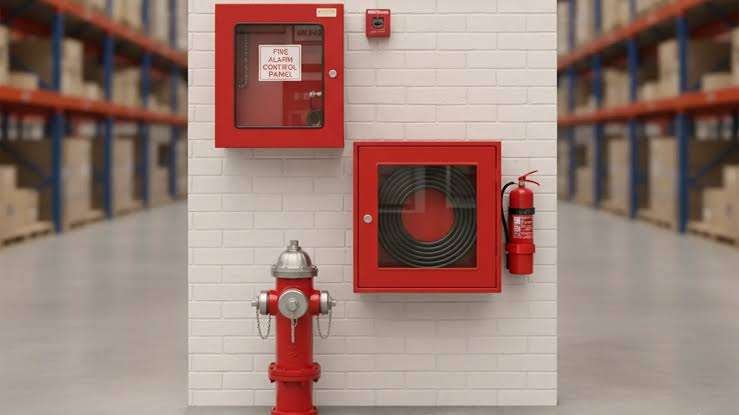
A properly designed fire alarm system can notify employees and responsible personnel when smoke, heat, or another recognised fire condition is detected.
In a large warehouse, an emergency may not be immediately visible to everyone. Workers may be operating machinery, managing inventory, or working in different sections of the building. An effective alarm arrangement helps communicate an emergency throughout the facility.
A suitable system may include:
– Smoke detectors in appropriate locations.
– Heat detectors where environmental conditions require them.
– Manual fire alarm call points.
– Audible warning devices.
– Visual notification equipment.
– A suitable control panel.
– Reliable backup power arrangements.
The exact system design depends on the warehouse’s size, layout, ceiling height, stored materials, and applicable safety requirements.
Businesses searching for a fire alarm system in Pakistan should prioritise equipment that meets relevant standards and is suitable for their particular premises.
Professional assessment and installation are important because an incorrectly designed system may not provide effective coverage.
## 4. Choose Appropriate Firefighting Equipment
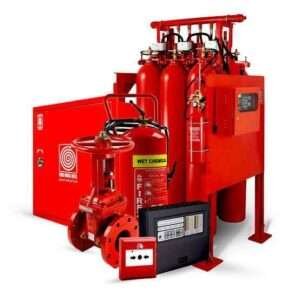
Fire detection and firefighting equipment serve different purposes. An alarm system warns occupants, while suitable firefighting equipment forms part of the building’s wider fire protection arrangements.
Warehouse management should arrange an assessment to determine which equipment is appropriate for the materials stored and the risks identified.
Depending on the facility, suitable provisions may include:
– Portable fire extinguishers.
– Fire hose systems.
– Fire hydrants.
– Automatic sprinkler systems.
– Other approved fire protection equipment.
Different types of fires require different firefighting arrangements. For this reason, businesses should never assume that one type of equipment is appropriate for every warehouse.
Equipment should be selected, installed, and maintained by qualified professionals. Employees should also receive appropriate training so they understand its intended use and limitations.
If a fire develops or conditions become unsafe, workers should prioritise evacuation and follow the emergency plan rather than attempting to control the situation themselves.
## 5. Maintain Safe Storage and Inventory Arrangements
Proper inventory management is an essential part of warehouse fire prevention.
When products are stored without a clear organisational system, emergency exits may become obstructed, inspection becomes difficult, and workplace movement can be restricted.
Warehouse managers should establish storage arrangements that consider the nature of the materials, building capacity, access requirements, and relevant safety regulations.
Important practices include:
– Keep designated emergency routes clear.
– Follow approved storage height and spacing requirements.
– Avoid obstructing fire protection equipment.
– Separate materials according to their storage requirements.
– Maintain organised inventory records.
– Remove unnecessary packaging and waste.
– Keep access areas available for emergency personnel.
Special attention should be given to hazardous materials, including certain chemicals, gases, aerosols, and flammable liquids.
These materials may require dedicated storage arrangements, additional controls, and specialist safety assessments.
A well-organised warehouse supports daily productivity while making it easier to maintain safe working conditions.
## 6. Keep Emergency Exits Clear and Accessible
Emergency exits are essential for protecting workers during a fire.
A warehouse may have modern detection equipment and firefighting systems, but these measures cannot provide adequate protection if employees cannot leave the building safely.
Emergency doors, corridors, staircases, and designated escape routes should remain accessible.
Warehouse management should regularly check that:
– Exit doors are clearly identified.
– Emergency routes are free from obstructions.
– Exit signs are visible.
– Emergency lighting is maintained where required.
– Doors operate correctly.
– Evacuation routes reflect the current building layout.
– Assembly points are clearly identified.
Employees should know the designated exits and understand where to gather after leaving the building.
Warehouses with multiple floors or large storage sections may require additional evacuation planning.
Management should also consider visitors, temporary workers, contractors, and employees who may need assistance during an emergency.
## 7. Provide Regular Fire Safety Training
Fire safety equipment is only one part of an effective workplace protection programme. Employees must also understand their responsibilities.
Warehouse workers should receive regular training about fire prevention, emergency communication, evacuation procedures, and workplace reporting.
Training should explain:
– How to recognise common fire hazards.
– Why emergency exits must remain clear.
– How to respond when an alarm sounds.
– Where to find designated evacuation routes.
– Where to gather after evacuation.
– How to report damaged safety equipment.
– Why unauthorised electrical repairs are dangerous.
New employees should receive basic safety information before starting their duties.
Regular refresher sessions can help workers remain familiar with workplace procedures.
Fire drills are also useful because they allow employees to practise the approved evacuation plan in an organised environment.
Management should review drill outcomes and address any problems identified during the exercise.
## 8. Maintain Electrical Systems and Warehouse Machinery
Electrical maintenance is an important part of reducing warehouse fire risks.
Facilities often depend on electrical systems throughout the day. Lighting, cooling equipment, charging stations, machinery, and office installations all require appropriate maintenance.
Businesses should arrange inspections through qualified electrical professionals.
A responsible maintenance programme should include:
**Electrical inspections:** Check installations, distribution equipment, wiring, and protective devices according to applicable requirements.
**Equipment servicing:** Maintain machinery according to manufacturer recommendations.
**Fault reporting:** Encourage employees to report damaged cables, unusual equipment behaviour, and other safety concerns.
**Authorised repairs:** Ensure that electrical work is performed by appropriately qualified personnel.
**Maintenance records:** Keep documentation of inspections, repairs, and relevant safety checks.
Regular maintenance supports operational reliability and helps identify problems before they become more serious.
## 9. Develop a Written Warehouse Emergency Plan
Every warehouse should have an emergency plan that reflects its building layout, workforce, stored materials, and operational activities.
A written plan helps employees understand what to do when an emergency occurs.
It should clearly explain how an emergency is reported, how occupants are notified, which evacuation routes are designated, and where employees should assemble.
A warehouse emergency plan should include:
1. Emergency contact information.
2. Evacuation routes and exit locations.
3. Designated assembly areas.
4. Responsibilities of trained safety personnel.
5. Procedures for reporting emergencies.
6. Arrangements for assisting visitors and vulnerable occupants.
7. Communication procedures.
8. Coordination with emergency services.
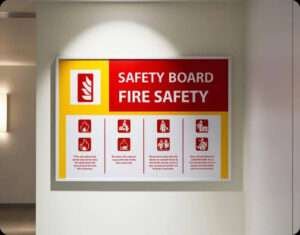
The plan should be displayed or communicated in suitable workplace areas.
Management should review it whenever the warehouse layout, workforce, equipment, or storage activities change.
An emergency plan is most effective when employees understand it and know where to find the relevant instructions.
## 10. Carry Out Regular Fire Safety Inspections
Fire safety is an ongoing responsibility. A warehouse that was safe during its initial inspection may develop new hazards as inventory, equipment, and working arrangements change.
Regular inspections help management identify problems and arrange corrective action.
A warehouse inspection should consider:
– Fire alarm equipment and detectors.
– Fire extinguishers and other protection systems.
– Electrical installations.
– Emergency lighting and exit signs.
– Storage arrangements.
– Waste management.
– Machinery maintenance.
– Emergency exits and escape routes.
– Employee training records.
– Emergency plans and contact information.
Inspections should be documented, and identified problems should be assigned to responsible personnel for correction.
Fire alarm systems and other protective equipment should be tested and serviced according to applicable requirements and manufacturer instructions.
Businesses should also maintain relevant inspection and maintenance records.
## 11. Understand Fire Safety Requirements in Pakistan
Warehouse owners and operators in Pakistan should understand the fire safety requirements that apply to their premises.
The Building Code of Pakistan (Fire Safety Provisions 2016) provides an important national framework for fire prevention, life safety, and building fire protection.
However, specific requirements may vary according to building occupancy, size, construction, storage activities, and the relevant local authority.
Businesses should consider the following responsibilities:
– Understand applicable building and fire safety requirements.
– Arrange professional fire risk assessments.
– Install suitable detection and protection systems.
– Maintain emergency exits and evacuation arrangements.
– Keep relevant safety equipment in working condition.
– Provide appropriate employee training.
– Maintain inspection and maintenance documentation.
– Consult the relevant authorities when necessary.
Warehouse owners should not assume that the same safety arrangements apply to every facility.
A qualified fire safety professional can help assess the premises and identify the measures required for its particular operations.
For businesses considering a fire alarm system in Pakistan, compliance should be an important part of the selection and installation process.
## 12. Give Special Attention to High-Risk Storage Areas
Not every section of a warehouse has the same fire risk.
Some areas may contain specialised materials, electrical equipment, batteries, chemicals, or other products that require additional precautions.
Warehouse managers should identify these areas and arrange suitable controls based on professional risk assessments.
Special attention may be required for:
**Battery storage:** Follow the manufacturer’s storage, charging, and maintenance instructions. Provide appropriate arrangements based on battery type and associated risks.
**Chemical storage:** Maintain suitable separation, labelling, ventilation, and storage conditions according to safety documentation and applicable requirements.
**Packaging areas:** Manage accumulated cardboard, paper, and plastic waste through regular housekeeping.
**Electrical rooms:** Restrict access to authorised personnel and maintain suitable housekeeping and equipment inspection arrangements.
**Loading and unloading areas:** Keep designated access routes clear and ensure that operational activities do not interfere with emergency arrangements.
Specialised storage conditions should always be assessed according to the actual materials and quantities involved.
## 13. Why Fire Safety Is a Long-Term Business Investment
Some business owners consider fire protection equipment an additional expense. However, proper safety planning can protect valuable business assets and support long-term operational stability.
A warehouse fire can interrupt distribution, damage inventory, affect employees, and create financial difficulties.
Investing in suitable preventive and protective measures offers several advantages.
### Protection of Employees
Employees are among the most valuable parts of any business. A safe working environment helps protect their wellbeing and gives them clear procedures to follow during emergencies.
### Protection of Inventory
Warehouses may contain products worth substantial amounts of money. Appropriate fire safety arrangements help reduce potential losses.
### Business Continuity
A serious incident can interrupt daily operations and affect customers, suppliers, and distribution schedules.
Preventive planning helps businesses prepare for emergencies and improve operational resilience.
### Improved Workplace Organisation
Fire safety inspections encourage better housekeeping, organised storage, and regular equipment maintenance.
### Greater Business Confidence
Customers, suppliers, employees, and business partners value organisations that take workplace safety seriously.
A responsible approach to fire prevention can strengthen a company’s reputation and demonstrate good management practices.
## 14. Common Warehouse Fire Safety Mistakes to Avoid
Even businesses with established safety procedures can make mistakes that increase workplace risks.
Some common problems include:
– Ignoring routine safety inspections.
– Allowing emergency exits to become blocked.
– Purchasing unsuitable firefighting equipment.
– Neglecting fire alarm maintenance.
– Storing materials without considering their safety requirements.
– Failing to train new employees.
– Ignoring electrical maintenance.
– Keeping incomplete inspection records.
– Not reviewing emergency plans after warehouse modifications.
These issues can often be addressed through better management, employee awareness, and regular professional assessments.
Warehouse owners should treat safety procedures as an essential part of everyday operations rather than something to consider only during inspections.
## 15. How to Build a Better Warehouse Fire Safety Culture
An effective safety culture requires cooperation between management and employees.
Business owners should establish clear safety responsibilities and make sure that workers understand the importance of following workplace procedures.
Managers can support this approach by arranging regular safety meetings, providing appropriate training, encouraging hazard reporting, and recognising the importance of preventive maintenance.
Employees should also feel comfortable reporting safety concerns without unnecessary delays.
Safety information should be easy to understand and available in languages that workers can follow.
Regular communication helps everyone understand that fire prevention is a shared responsibility.
When management and employees work together, warehouse safety becomes part of normal business operations.
## Conclusion
Warehouse fire safety is an essential investment for businesses across Pakistan. Warehouses contain valuable inventory, electrical installations, machinery, packaging materials, and other products that require responsible management. Without suitable preventive measures, these facilities may face serious risks to employees, property, and business operations.
A complete warehouse safety programme should include fire risk ass