Fire safety is one of the most important responsibilities for homeowners, business owners, property developers, and building administrators. Whether a building is a small shop, office, factory, warehouse, school, hospital, or shopping centre, appropriate fire protection measures are necessary to protect people and property.
In Pakistan, fire safety deserves particular attention because buildings have different construction standards, occupancy levels, electrical arrangements, and emergency facilities. Some properties have modern protection systems, while others may lack suitable alarms, emergency exits, firefighting equipment, or regular safety inspections.
Ignoring fire safety requirements may appear to save money in the short term. However, the consequences can be far more expensive. A fire incident can cause property damage, interrupt business activities, destroy important records, affect employees and customers, and create serious legal and financial problems.
Fire safety laws and building requirements are intended to reduce these risks. They encourage property owners and organizations to identify hazards, maintain suitable protection systems, provide emergency arrangements, and take responsibility for the safety of people using their buildings.
A reliable fire alarm system in Pakistan can support early detection and emergency notification, but installing an alarm is only one part of a complete fire protection strategy.
This article explains the real costs of ignoring fire safety laws in Pakistan, why compliance matters, and how property owners can improve their safety arrangements.
1. The Financial Cost of Fire Damage
One of the most immediate consequences of inadequate fire safety is financial loss.
A fire can damage buildings, furniture, machinery, electrical installations, inventory, computers, documents, and other valuable assets. Depending on the size and location of the incident, repairs and replacement costs may become substantial.
For a small business, even a limited fire incident may affect its ability to continue operating. For a large industrial facility, damage to important machinery or production areas may interrupt operations for an extended period.
Financial losses may include:
– Building repairs and reconstruction.
– Replacement of damaged equipment.
– Loss of stock and raw materials.
– Damage to electrical installations.
– Restoration of business records.
– Cleaning and recovery expenses.
– Temporary relocation costs.
– Professional inspection and repair fees.
These expenses can place considerable pressure on organizations that have not prepared financially for emergencies.
Investing in suitable fire prevention and protection measures is generally more responsible than assuming that an emergency will never happen.
2. Legal Consequences of Ignoring Fire Safety Requirements
Fire safety is not simply a matter of personal preference. Buildings and workplaces may be subject to applicable building regulations, fire safety requirements, workplace obligations, and directions issued by relevant authorities.
The exact legal requirements can vary according to the province, local authority, building category, occupancy, and nature of business activities.
Ignoring applicable requirements may result in official notices, inspection findings, restrictions, penalties, or other legal consequences where provided by the relevant laws and regulations.
Possible Compliance Problems
A property may face compliance concerns when it has:
– Inadequate emergency exit arrangements.
– Missing or unsuitable fire detection systems.
– Poorly maintained firefighting equipment.
– Obstructed escape routes.
– Unsafe electrical installations.
– Inadequate emergency lighting.
– Missing fire safety documentation.
– Insufficient employee safety awareness.
Building owners and business administrators should not assume that one general checklist applies to every property.
They should consult the relevant local authorities and qualified fire safety professionals to understand the requirements applicable to their premises.
Importance of Documentation
Maintaining inspection reports, equipment servicing records, training information, and emergency plans helps demonstrate that safety responsibilities are being managed.
Documentation can also help identify repeated problems and ensure that recommended improvements are completed.
3. The Human Cost of Poor Fire Safety
The most serious consequence of ignoring fire safety is the potential impact on human life and health.
Buildings accommodate people with different needs and levels of mobility. Employees, customers, patients, children, visitors, and contractors may all be present when an emergency occurs.
Without suitable fire detection, emergency communication, and evacuation arrangements, people may not receive timely warnings or know which routes to follow.
Hospitals, schools, shopping centres, factories, and high-rise buildings require particular attention because their occupants may be unfamiliar with the building or need assistance during emergencies.
Protecting Employees
Employers have an important responsibility to provide a safer working environment. Fire prevention arrangements, employee awareness, and suitable emergency procedures are essential parts of workplace safety.
Protecting Customers and Visitors
Customers may not know where emergency exits are located. Clear signs and visible safety information help visitors understand important building arrangements.
Protecting Vulnerable Occupants
Children, older people, hospital patients, and people with disabilities may require additional assistance.
Emergency planning should consider their needs instead of assuming that everyone can leave a building independently.
No financial saving can justify neglecting reasonable measures designed to protect people.
4. Business Interruption and Loss of Income
A fire can affect more than the building where it occurs. It may interrupt normal business activities, delay customer orders, affect suppliers, and damage an organization’s reputation.
For many businesses in Pakistan, continuous operations are essential for maintaining income and customer relationships.
A fire incident may result in:
– Temporary closure of business premises.
– Delayed production and deliveries.
– Loss of customers.
– Reduced employee productivity.
– Interrupted supply chains.
– Additional rental or relocation expenses.
– Delayed projects and contractual commitments.
Even after repairs are completed, businesses may need time to restore customer confidence and return to normal operations.
A business continuity plan should therefore consider fire-related emergencies.
Organizations should identify critical activities, protect important records, establish communication arrangements, and plan how essential operations could continue after an unexpected disruption.
5. Insurance Complications and Financial Uncertainty
Insurance can help businesses and property owners manage certain financial risks. However, insurance policies have specific terms, conditions, exclusions, and documentation requirements.
Ignoring fire safety responsibilities may create complications when an organization makes an insurance claim.
Depending on the policy and circumstances, insurers may examine the condition of the property, maintenance records, disclosed risks, and whether relevant policy conditions were followed.
Possible concerns may include:
– Missing inspection records.
– Undisclosed changes to building use.
– Inadequate maintenance documentation.
– Incorrect information about the property.
– Failure to follow applicable policy conditions.
This does not mean that every fire safety issue automatically invalidates an insurance claim. The outcome depends on the policy wording, applicable law, and facts of the incident.
Property owners should review their insurance arrangements carefully and seek professional advice when necessary.
Maintaining suitable fire protection measures can help support better risk management and more organized documentation.
6. Damage to Business Reputation
A company’s reputation takes time to build. Customers, employees, suppliers, and business partners expect organizations to manage their responsibilities properly.
When a business ignores fire safety requirements, public confidence may be affected, especially if an incident reveals preventable safety problems.
Reputational damage may lead to:
– Loss of customer confidence.
– Negative public attention.
– Reduced business opportunities.
– Concerns among employees.
– Difficulties maintaining business partnerships.
– Increased scrutiny from stakeholders.
Organizations should treat fire safety as part of responsible management rather than a task that only needs attention during inspections.
A visible commitment to workplace safety can support trust and demonstrate that management values people and property.
7. Why Fire Alarm Systems Are Important for Legal and Safety Compliance
Early detection is a fundamental part of modern fire protection.
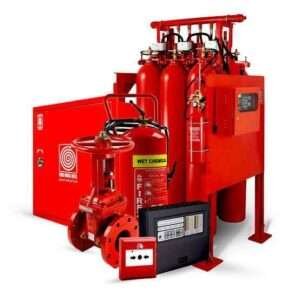
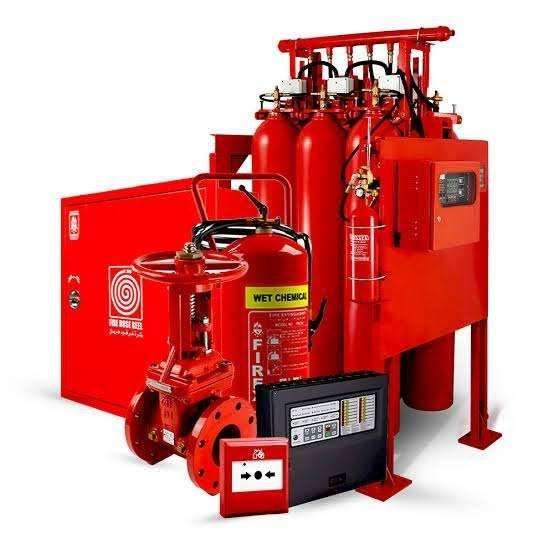
A fire alarm system helps identify potential fire conditions and alert people inside a building. Depending on its design, it may use smoke detectors, heat detectors, manual call points, control panels, and audible or visual notification devices.
The appropriate system depends on the building’s size, use, layout, occupancy, and applicable technical requirements.
Early Detection
Early warning can give occupants more time to recognize an emergency and follow the building’s evacuation procedures.
Notification Across the Building
Large properties may contain multiple floors, departments, corridors, and work areas. Suitable alarm notification arrangements help communicate emergency information throughout the premises.
Support for Emergency Planning
A properly designed alarm system can work alongside evacuation plans, emergency lighting, fire doors, and other protection measures.
Regular Maintenance
Installing an alarm system is not enough. Its components need appropriate inspection, testing, and maintenance according to manufacturer instructions and applicable standards.
When evaluating a fire alarm system in Pakistan, property owners should consider professional design, suitable equipment, installation quality, maintenance support, and compliance requirements.
An alarm system should never be treated as a substitute for safe building design, clear escape routes, or employee training.
8. Common Fire Safety Requirements Every Building Should Review
Although specific requirements vary, many buildings need a combination of fire prevention, detection, protection, and emergency preparedness measures.
Property owners should review the following areas.
Fire Detection and Alarm Systems
Buildings may require suitable smoke detection, heat detection, manual alarm points, and notification arrangements according to their risk assessment and applicable requirements.
Firefighting Equipment
Suitable firefighting equipment should be selected for the building’s hazards and maintained by qualified service providers.
Emergency Exits
Escape routes should be appropriately designed, clearly identified, and kept accessible.
Emergency Lighting
Emergency lighting helps occupants identify important routes when normal lighting is interrupted.
Fire Safety Signage
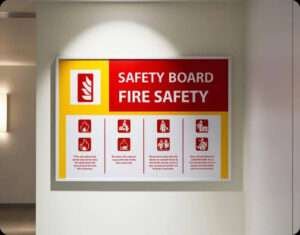
Signs should identify emergency exits, fire equipment, warnings, and other important safety information.
Fire Doors and Compartmentation
Appropriate fire doors and building compartmentation can help limit the spread of fire and smoke when correctly designed and maintained.
Electrical Safety
Electrical installations should receive professional inspections and maintenance. Damaged wiring, unsuitable connections, and neglected equipment should be addressed promptly.
Staff Training
Employees should understand emergency procedures, alarm signals, reporting arrangements, and their responsibilities.
These measures should be reviewed together rather than treated as unrelated purchases.
9. The Cost of Neglecting Fire Safety in Different Industries
Different industries face different fire risks. Their safety arrangements should reflect the activities carried out inside the building.
Factories and Manufacturing Facilities
Factories may contain machinery, electrical equipment, raw materials, production processes, and storage areas.
Ignoring fire safety can lead to production interruptions, equipment damage, inventory losses, and serious risks to workers.
Management should arrange professional fire risk assessments and maintain suitable detection, alarm, and emergency arrangements.
Hospitals and Healthcare Facilities
Hospitals accommodate patients who may need assistance during emergencies. They also depend on medical equipment and essential services.
Poor fire protection can create significant challenges for patient safety and hospital operations.
Healthcare facilities should develop evacuation plans that consider patients with limited mobility and critical medical needs.
Schools and Educational Institutions
Schools accommodate children, teachers, employees, and visitors.
Clear exit signage, appropriate alarm arrangements, staff training, and planned emergency procedures are important parts of school safety.
Shopping Centres and Commercial Buildings
Shopping centres may contain large numbers of visitors who are unfamiliar with the premises.
Poorly maintained exits, unclear signage, and unsuitable alarm arrangements can increase confusion during emergencies.
Warehouses and Storage Facilities
Warehouses may store large quantities of goods and packaging materials.
Storage arrangements, electrical installations, access routes, and fire protection equipment should be reviewed regularly.
Offices and Small Businesses
Smaller businesses sometimes assume that extensive fire safety planning is only necessary for large organizations.
However, every workplace should assess its risks and maintain suitable emergency arrangements.
10. Electrical Safety and Fire Prevention
Electrical problems are an important fire risk in residential, commercial, and industrial buildings.
Electrical equipment is used for lighting, heating, cooling, computers, machinery, medical devices, and many other purposes.
When electrical systems are poorly maintained, damaged, or unsuitable for the connected load, the risk of faults may increase.
Common concerns include:
– Damaged wiring.
– Overloaded circuits.
– Poor-quality electrical connections.
– Unapproved modifications.
– Neglected electrical equipment.
– Inadequate professional inspections.
Building managers should arrange electrical assessments through qualified technicians and ensure that maintenance concerns are addressed.
Employees should be encouraged to report damaged equipment rather than attempting repairs themselves.
Electrical safety is especially important in buildings that operate continuously or depend on sensitive equipment.
11. How Regular Fire Safety Inspections Reduce Long-Term Costs
Regular inspections help identify safety problems before they become more serious.
A building that receives appropriate inspections and maintenance is generally better prepared to manage fire-related risks than one where equipment and emergency arrangements are ignored.
A professional fire safety inspection may review:
– Fire alarm system condition.
– Smoke and heat detection arrangements.
– Fire extinguisher accessibility and servicing.
– Emergency exit conditions.
– Fire door operation.
– Emergency lighting.
– Electrical safety concerns.
– Fire safety signage.
– Storage arrangements.
– Staff awareness.
– Emergency plans and drill records.
The inspection should produce clear findings and recommendations.
Building management should assign responsibility for corrective actions and maintain records of completed improvements.
Inspections should also be repeated when significant changes occur, such as renovations, new equipment installations, changes in building use, or increased occupancy.
12. The Importance of Fire Drills and Employee Training
Fire safety equipment is most useful when people understand how to respond to an emergency.
Employees should know how to recognize alarm signals, report hazards, identify emergency exits, and follow the building’s evacuation procedures.
Fire drills help organizations review whether these arrangements are understood.
What Should Employees Learn?
Training should cover:
– Common workplace fire hazards.
– Emergency reporting procedures.
– Meaning of alarm signals.
– Location of designated exits.
– Assembly point arrangements.
– Responsibilities during evacuation.
– Assistance for people who need additional support.
– Communication with emergency responders.
Training should be relevant to the workplace and refreshed when procedures or building layouts change.
Fire drills should be planned according to the organization’s risk assessment and carried out without placing employees, visitors, or other occupants at unnecessary risk.
13. Understanding Fire Safety Responsibilities in Pakistan
Fire safety responsibilities in Pakistan can involve several levels of government and regulatory oversight.
Depending on the location and type of property, relevant requirements may involve provincial building control authorities, local development authorities, municipal bodies, workplace regulators, and other designated agencies.
The applicable requirements may differ between residential, commercial, industrial, and institutional buildings.
Property owners and administrators should therefore avoid relying on assumptions or general online advice when determining their legal responsibilities.
They should:
1. Identify the authorities responsible for their building and location.
2. Review the applicable building and fire safety requirements.
3. Obtain professional guidance about required protection systems.
4. Arrange inspections where necessary.
5. Maintain equipment servicing and safety records.
6. Address identified deficiencies within the required time.
7. Review safety arrangements whenever the property changes.
Where legal obligations are unclear, qualified legal and fire safety professionals can help interpret the requirements relevant to the premises.
14. Practical Steps to Improve Fire Safety Compliance
Improving fire safety does not always require completing every upgrade at the same time. Organizations can begin by identifying the most important risks and developing a structured improvement plan.
Conduct a Fire Risk Assessment
A qualified professional can evaluate the property and identify hazards, weaknesses, and necessary improvements.
Prepare a Written Safety Plan
The plan should explain emergency responsibilities, reporting procedures, evacuation arrangements, and inspection schedules.
Install Suitable Protection Equipment
Select appropriate detection, alarm, firefighting, and emergency lighting systems based on the building’s requirements.
Maintain Emergency Routes
Corridors, staircases, exits, and access routes should remain suitable for emergency movement.
Train Employees
Employees should understand the safety procedures relevant to their roles.
Keep Inspection Records
Document inspections, maintenance, training, fire drills, and corrective actions.
Review the Plan Regularly
Building use, occupancy, and equipment can change over time. Safety arrangements should be reviewed to reflect these changes.
15. Fire Safety Compliance Checklist for Property Owners
The following checklist can help property owners and administrators review important areas of fire safety management.
Safety Area| What to Review
Fire risk assessment| A suitable assessment has been completed
Fire alarm system| Equipment is appropriate and professionally maintained
Detection devices| Smoke and hea