Smoke Alarm Testing
Fire Safety Trading (Pvt)
ToggleRegular, professional testing of your smoke alarms is crucial to ensure they are fully operational and ready to provide early warning during a fire emergency.
Reliability Verification
We conduct rigorous functional checks to confirm your smoke detection systems are compliant with safety standards and remain ready to activate when needed.
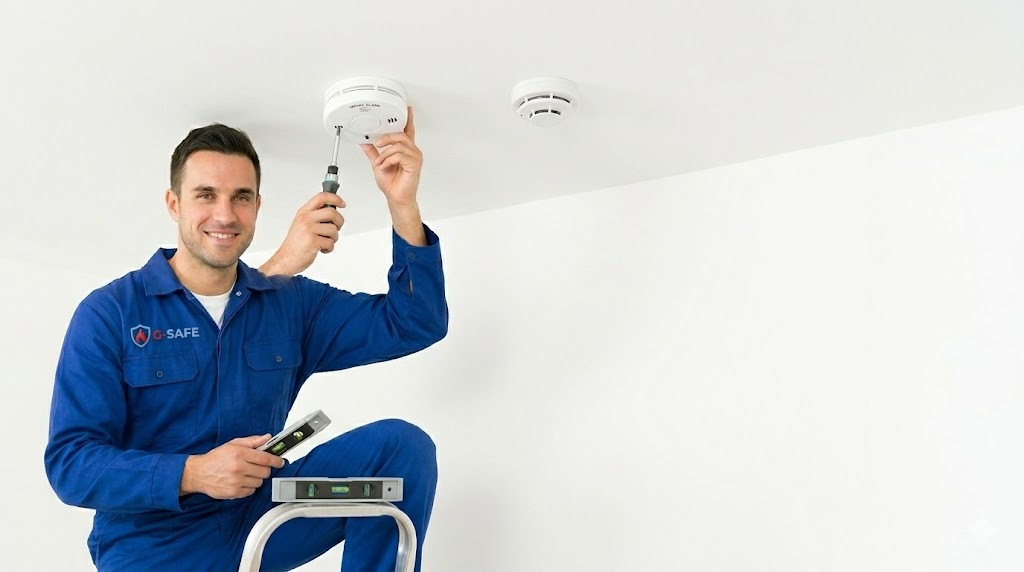
Smoke alarm testing is one of the most important, yet frequently neglected, routine safety tasks that should be carried out regularly after the installation of any fire alarm system. Fire alarm systems themselves are mandatory installations in most buildings, residential, commercial, and industrial, precisely because they play a critical role in protecting both property and the people inside it. But a fire alarm system is only as good as its ability to actually detect smoke and alert occupants in time. This is exactly why regular smoke alarm testing is so essential.
Whether it’s a family home, a busy office, a factory floor, or a sensitive facility like a hospital, a smoke alarm system that isn’t tested regularly can quietly fail without anyone noticing, until the moment it’s needed most. For a closer look at how these systems are specifically designed and maintained in critical care environments, see also Fire alarm systems in hospitals.
In this guide, Fire Safety Trading (Pvt) Ltd explains everything you need to know about smoke alarm testing in Pakistan, why it matters, how often it should be done, what the testing process involves, and how our expert technicians can help keep your building’s fire alarm system fully functional and reliable at all times.
Why Smoke Alarm Testing Matters
A smoke alarm’s entire purpose is to detect the earliest signs of fire, often before flames are even visible, and alert occupants so they have precious extra time to respond. But like any electronic and mechanical safety device, smoke alarms can fail silently over time. Here’s why regular testing is so important:
- Silent failures go unnoticed, A smoke alarm with a dead battery, a faulty sensor, or a wiring fault may look perfectly normal on the wall, giving a false sense of security.
- Dust and environmental buildup, Over time, dust, cooking residue, or humidity can accumulate inside the sensor chamber, reducing sensitivity or causing the alarm to stop responding to real smoke.
- Battery degradation, For battery-operated or battery-backed systems, batteries naturally weaken over time and need to be checked and replaced regularly.
- Building compliance requirements, Many commercial properties, including hospitals, schools, and offices, are legally required to maintain documented proof of regular fire alarm testing.
- Life-saving reliability, Ultimately, the entire point of smoke alarm testing is simple: making sure that if a fire starts, the alarm will actually sound in time for people to safely evacuate.
Because fire alarm systems are mandatory installations specifically meant to save lives and protect property, treating smoke alarm testing as optional defeats the very purpose of having the system installed in the first place.
How Smoke Alarm Systems Work
Before discussing testing procedures, it helps to understand how smoke alarm systems function, since this explains why regular testing is so important for reliable performance.
Ionization Smoke Alarms
These use a small amount of radioactive material to ionize the air inside a sensor chamber. When smoke enters the chamber, it disrupts the ion flow, triggering the alarm. Ionization alarms tend to respond quickly to fast, flaming fires.
Photoelectric Smoke Alarms
These use a light source and a sensor inside the detection chamber. When smoke enters and scatters the light, it triggers the alarm. Photoelectric alarms are generally more responsive to slow, smoldering fires.
Dual-Sensor Smoke Alarms
Combining both ionization and photoelectric technology, these alarms are designed to detect a broader range of fire types, offering more comprehensive protection for buildings with varied fire risks.
Connected Fire Alarm Systems
In larger commercial and industrial buildings, individual smoke alarms are often connected to a centralized fire alarm control panel, allowing for building-wide monitoring, zone identification, and integration with sprinkler systems or emergency notification systems.
Regardless of the type installed, every smoke alarm system relies on properly functioning sensors, wiring, and power sources, all of which need to be verified through regular smoke alarm testing to ensure continued reliability.
Smoke Alarm Testing Time: How Often Is It Required?
One of the most common questions building owners ask is how often smoke alarm testing should be done. The honest answer is that it depends significantly on the nature of the building where the system is installed. Fire Safety Trading (Pvt) Ltd provides smoke testing services and also guides customers on the appropriate testing frequency for their specific property type.
Homes and Residential Properties
For residential buildings, smoke alarm testing should be observed at least once a month. This simple monthly check, pressing the test button and confirming the alarm sounds, helps catch basic issues early, before they become a serious problem.
Farms and Large Land Properties
For properties like farms and large rural landholdings, the testing duration and frequency can differ significantly from standard residential guidelines, often depending on the number and spacing of installed detectors, as well as the specific fire risks present (agricultural equipment, storage barns, livestock areas, etc.).
Commercial and Office Buildings
Offices and commercial spaces typically require more structured testing schedules, often combining monthly visual/functional checks with more comprehensive quarterly or bi-annual inspections by trained technicians.
Industrial Facilities
Factories and industrial sites, given their elevated fire risks, generally benefit from more frequent testing, sometimes monthly or even more often for zones with higher fire hazard exposure.
Hospitals and Sensitive Facilities
Hospitals and similar critical care facilities often have specialized, interconnected fire alarm systems requiring stringent testing protocols to ensure patient safety at all times. You can learn more about how these specialized systems are structured in our detailed guide on fire alarm systems in hospitals.
Annual Professional Testing
Regardless of building type, it’s strongly recommended to call a technician yearly for fire alarm testing, ensuring a full, professional inspection beyond what routine monthly checks can cover.
Battery Maintenance: A Critical Part of Smoke Alarm Testing
For many smoke alarm systems, particularly standalone residential units and battery-backed commercial systems, battery health is one of the most common points of failure. Fire Safety Trading (Pvt) Ltd strongly recommends the following battery maintenance practices:
- Change the batteries of the fire system regularly, even if the alarm hasn’t indicated a low-battery warning yet.
- Use high-quality batteries recommended by the alarm manufacturer, rather than generic low-cost alternatives that may degrade faster.
- Test the alarm immediately after any battery change to confirm it’s functioning correctly.
- For buildings with multiple units, keep a simple log of battery replacement dates to avoid missing scheduled changes.
- In systems with a hardwired power supply and battery backup, ensure the backup battery is specifically tested during power outages to confirm it will function if mains power fails during a fire.
Neglecting battery maintenance is one of the leading causes of smoke alarm failure, making it a key focus area during any professional smoke alarm testing visit.
What Does Professional Smoke Alarm Testing Involve?
While a basic monthly test button check is useful, a full professional smoke alarm testing service, like the one offered by Fire Safety Trading (Pvt) Ltd, involves a much more comprehensive process:
- Visual Inspection
Technicians check each smoke alarm unit for physical damage, discoloration, dust buildup, or improper mounting.
- Functional Test Button Check
Each unit is tested using its built-in test function to confirm the alarm sounds correctly and at an appropriate volume.
- Simulated Smoke Testing
In more thorough inspections, technicians may use a certified smoke-testing aerosol to confirm the sensor actually responds to real smoke particles, not just the electronic test circuit.
- Battery and Power Supply Check
Battery voltage is tested, and for hardwired systems, the backup power supply is verified to ensure it will function during a power outage.
- Sensor Sensitivity Calibration
For photoelectric and dual-sensor alarms, sensitivity levels are checked and, if needed, recalibrated to ensure accurate detection without excessive false alarms.
- Wiring and Connection Check
For interconnected systems, technicians verify that all units communicate properly with each other and with the central control panel, if applicable.
- Documentation and Reporting
Every tested unit is logged with the inspection date, technician details, and next recommended testing date, providing a clear compliance record for homeowners and businesses alike.
This detailed process is what separates a genuinely reliable smoke alarm testing service from a simple do-it-yourself button press, and it’s the standard that Fire Safety Trading (Pvt) Ltd technicians follow on every visit.
Common Signs Your Smoke Alarm Needs Testing or Replacement
Between scheduled testing visits, it’s important to stay alert to warning signs that indicate a smoke alarm may need immediate attention:
- The alarm chirps intermittently, often signaling a low or failing battery.
- No sound is produced when the test button is pressed.
- Visible dust, discoloration, or yellowing on the unit, which can affect sensor performance.
- The alarm frequently triggers false alarms without any smoke present.
- The unit is more than 10 years old, which is generally considered the maximum recommended lifespan for most smoke alarms, regardless of maintenance.
- Interconnected units fail to trigger simultaneously when one alarm is tested.
If you notice any of these signs, it’s best to contact Fire Safety Trading (Pvt) Ltd promptly rather than waiting for your next scheduled testing date.
Smoke Alarm Testing for Different Types of Buildings
Residential Homes
For families, the priority is simplicity and consistency, a monthly test, regular battery changes, and an annual professional check are usually sufficient to maintain reliable protection.
Offices and Commercial Buildings
Businesses benefit from a structured maintenance schedule, often combining routine internal checks with professional testing visits from Fire Safety Trading (Pvt) Ltd to ensure compliance with safety standards and insurance requirements.
Factories and Industrial Sites
Given higher fire risks from machinery, chemicals, and flammable storage, industrial facilities typically require more frequent and thorough testing across multiple zones.
Hospitals and Healthcare Facilities
Hospitals require some of the most rigorous fire alarm testing protocols, given the vulnerability of patients and the complexity of evacuation procedures. For more detail on how these systems are specifically designed, see our dedicated guide on fire alarm systems in hospitals.
Housing Societies and Multi-Unit Buildings
Shared common areas, parking garages, and utility rooms often have centralized alarm systems that benefit from a coordinated testing schedule managed by property management in partnership with Fire Safety Trading (Pvt) Ltd.
Farms and Rural Properties
As noted earlier, the testing duration and approach for farms and large land properties can differ from standard residential guidelines, often requiring customized detector placement and testing intervals based on the specific layout and fire risks of the property.
Why Choose Fire Safety Trading (Pvt) Ltd for Smoke Alarm Testing
Fire Safety Trading (Pvt) Ltd is proud to provide its services for both installing and testing fire alarm systems across Pakistan. Here’s what makes our smoke alarm testing service a trusted choice:
- Experienced Technicians, Our team is trained to properly inspect, test, and calibrate a wide range of smoke alarm and fire alarm system types.
- One Call Away, Our technicians are available on one phone call, making it easy to schedule a testing visit whenever you need one.
- Reasonable Pricing, We provide fire alarm testing at reasonable prices across Pakistan, ensuring reliable safety services remain accessible for homes and businesses alike.
- Complete Fire Safety Solutions, We provide all fire safety products in Pakistan, meaning customers can rely on us not just for testing, but for full installation, extinguishers, fire balls, and related safety equipment.
- Nationwide Coverage, Serving customers across Karachi, Lahore, Islamabad, Rawalpindi, Faisalabad, Multan, Peshawar, Quetta, Sialkot, Gujranwala, and beyond.
- Guidance Tailored to Your Building, Since testing frequency depends on the nature of the building, our team helps customers understand exactly how often their specific property needs to be tested.
Whether you manage a single-family home, a busy office, an industrial facility, or a sensitive environment like a hospital, Fire Safety Trading (Pvt) Ltd is equipped to provide dependable, professional smoke alarm testing services tailored to your needs.
The Risks of Neglecting Smoke Alarm Testing
Skipping regular smoke alarm testing can have serious consequences, even if a building has never experienced a fire before:
- Delayed fire detection, A malfunctioning alarm may fail to sound in time, reducing the window for safe evacuation.
- False sense of security, Occupants may assume they’re protected simply because an alarm is installed, without realizing it isn’t functioning properly.
- Increased property damage, Fires that go undetected longer tend to cause significantly more damage before they’re noticed and addressed.
- Regulatory and insurance issues, Businesses failing to maintain documented testing records may face compliance penalties or complications with insurance claims after an incident.
- Preventable loss of life, In the most serious cases, a failed smoke alarm can directly contribute to tragic, avoidable outcomes.
Given these risks, investing in regular, professional smoke alarm testing through Fire Safety Trading (Pvt) Ltd is a small and manageable cost compared to the potentially devastating consequences of relying on an untested, unreliable system.
Building a Smoke Alarm Testing Schedule for Your Property
For property owners and managers looking to establish a reliable, long-term testing routine, Fire Safety Trading (Pvt) Ltd recommends the following approach:
- Map Your Alarm Inventory, Document the location, type, and installation date of every smoke alarm unit on your property.
- Assign Monthly Check Responsibility, Designate a family member, staff member, or safety officer to perform basic monthly test button checks.
- Schedule Annual Professional Testing, Arrange for Fire Safety Trading (Pvt) Ltd technicians to conduct a full inspection at least once a year.
- Track Battery Replacement Dates, Keep a simple log noting when batteries were last changed for each unit.
- Adjust Frequency Based on Building Type, Increase testing frequency for higher-risk properties such as industrial sites, commercial kitchens, or hospitals.
- Maintain Documentation, Keep all testing records, receipts, and reports organized for compliance, insurance, and future reference purposes.
This structured approach ensures that smoke alarm testing becomes a consistent, manageable part of ongoing property maintenance, rather than an afterthought that only gets attention after something goes wrong.
Frequently Asked Questions (FAQs)
Q1: How often should smoke alarm testing be done at home? Smoke alarm testing should be observed at least once a month at homes, with an annual professional inspection recommended as well.
Q2: Does the testing frequency differ for farms and large properties? Yes, the duration and frequency of testing can differ for farms and land properties compared to standard residential buildings, depending on detector layout and specific fire risks.
Q3: How often should batteries be changed in a smoke alarm system? Batteries should be changed regularly, even before the alarm indicates a low-battery warning, to ensure consistent reliability.
Q4: Does Fire Safety Trading (Pvt) Ltd offer both installation and testing services? Yes, Fire Safety Trading (Pvt) Ltd provides services for both installing and testing fire alarm systems, along with a full range of fire safety products across Pakistan.
Q5: How do hospitals differ in their smoke alarm testing requirements? Hospitals typically require more rigorous, interconnected fire alarm systems and stricter testing protocols due to the vulnerability of patients. For more detail, see our guide on fire alarm systems in hospitals.
Q6: How can I schedule smoke alarm testing with Fire Safety Trading (Pvt) Ltd? Our technicians are available on one phone call and provide fire alarm testing at reasonable prices across Pakistan.
Q7: What happens during a professional smoke alarm testing visit? A full inspection includes a visual check, functional test, simulated smoke testing where applicable, battery and power supply verification, sensor calibration, and complete documentation of the results.
Common Mistakes People Make With Smoke Alarm Testing
Even property owners who understand the importance of fire alarm systems often make avoidable mistakes when it comes to keeping them properly tested and maintained. Being aware of these common pitfalls can help ensure your system stays genuinely reliable:
- Removing batteries during cooking or false alarms, Many homeowners disable a smoke alarm after a false trigger (often from cooking smoke) and simply forget to reinstall the battery afterward, leaving the home unprotected.
- Assuming a hardwired system doesn’t need testing, Even hardwired smoke alarms with battery backup require regular testing, as internal sensors can still degrade over time.
- Painting over smoke alarms, During renovations, some units get accidentally painted over, which can block the sensor chamber and prevent proper smoke detection.
- Ignoring interconnected system failures, In multi-unit interconnected systems, a single faulty unit can sometimes affect the whole network, so testing every unit individually is important, not just a few.
- Not replacing alarms after their recommended lifespan, Most smoke alarms have a maximum functional lifespan of about 10 years, after which sensor sensitivity can decline significantly, regardless of how well it has been maintained.
- Overlooking farm and outbuilding detectors, On larger rural properties, detectors placed in barns, storage sheds, or equipment areas are sometimes forgotten during routine testing, even though these areas often carry higher fire risks.
Fire Safety Trading (Pvt) Ltd works closely with customers to help avoid these common mistakes, offering not just testing services but practical guidance on proper placement, battery care, and long-term system reliability.
Smoke Alarm Testing for Businesses: Building a Maintenance Program
For commercial and industrial customers, a one-time installation and occasional check is rarely sufficient to maintain reliable fire detection. Fire Safety Trading (Pvt) Ltd recommends businesses build a structured smoke alarm maintenance program that includes:
- Full System Inventory, Document every smoke alarm and connected fire alarm component across the property, including location, type, and installation date.
- Assign Internal Responsibility, Designate a staff member or safety officer to perform basic monthly functional checks across all units.
- Schedule Annual Professional Testing, Arrange for Fire Safety Trading (Pvt) Ltd technicians to conduct a comprehensive inspection, including simulated smoke testing and sensor calibration, at least once a year.
- Track Battery and Component Life, Maintain a clear record of battery replacement dates and any component repairs or replacements.
- Plan for System Upgrades, Budget for periodic upgrades or full alarm replacements as units approach the end of their recommended service life.
- Maintain Compliance Documentation, Keep testing reports, technician visit records, and receipts organized for insurance purposes and regulatory inspections.
This kind of structured program is especially important for facilities like hospitals, factories, and large office complexes, where a failure in fire detection can have serious consequences for both safety and legal compliance. Fire Safety Trading (Pvt) Ltd can help design and manage this kind of ongoing testing program for businesses of any size.
The Growing Importance of Fire Alarm Systems Across Pakistan
As urban development continues across Pakistan’s major cities, the installation of proper fire alarm systems, and the smoke alarm testing that keeps them reliable, has become an increasingly important part of building safety standards. Several trends are driving this shift:
- Rising high-rise residential and commercial construction in cities like Karachi, Lahore, and Islamabad has increased the need for interconnected fire alarm systems that can quickly alert entire buildings.
- Greater awareness following fire incidents reported in local news has pushed both individuals and businesses to take fire detection more seriously.
- Stricter safety expectations from insurers and regulators are encouraging commercial property owners to maintain documented smoke alarm testing records.
- Expansion of healthcare infrastructure across the country has increased demand for specialized, rigorously tested fire alarm systems in hospitals and clinics, as detailed in our guide on fire alarm systems in hospitals.
- Growing housing society developments are increasingly including centralized fire alarm systems as a standard safety feature, requiring coordinated testing schedules across shared spaces.
As this awareness continues to grow, Fire Safety Trading (Pvt) Ltd remains committed to expanding its smoke alarm testing services to reach more communities across Pakistan, ensuring reliable fire detection becomes the standard rather than the exception.
Smoke alarm testing is a simple yet vital task that should never be overlooked once a fire alarm system has been installed. Since fire alarm systems are mandatory precisely because they help save lives and protect property, ensuring they remain fully functional through regular testing is not optional, it’s essential. From monthly checks at home to annual professional inspections for offices, factories, and specialized facilities like hospitals, a consistent testing routine makes all the difference when a real emergency occurs.
Fire Safety Trading (Pvt) Ltd is proud to provide its services for installing and testing fire alarm systems across Pakistan. Our technicians are available on one phone call and provide fire alarm testing at reasonable prices, along with the full range of fire safety products you need to keep your home, business, or facility protected. Don’t wait for a false sense of security to turn into a real emergency, reach out to Fire Safety Trading (Pvt) Ltd today and ensure your smoke alarm system is ready when it matters most.
Get Quotation
Informational FAQs
Smoke Alarm Testing is the process of checking smoke detectors and alarm devices to ensure they are functioning properly and can detect smoke or fire in time to alert occupants.
Regular testing ensures early fire detection, reduces risk of fire damage, and helps protect lives by ensuring alarms activate during emergencies without delay.
Smoke alarms should be tested monthly using the test button, while professional inspection and servicing should be done at least once or twice a year depending on the building type.
The service includes battery check, sensor cleaning, alarm sound testing, wiring inspection, sensitivity testing, and full system performance evaluation.
Common signs include weak or no alarm sound, frequent false alarms, blinking fault lights, dead batteries, or failure to trigger during test mode.
The cost of Smoke Alarm Testing in Pakistan depends on the number of devices, system type, and building size. Fire Safety Trading Pvt Ltd offers affordable pricing for residential and commercial clients.
Yes, we provide professional Smoke Alarm Testing services for offices, factories, warehouses, hospitals, schools, hotels, and shopping malls.
In many cases, smoke alarms can be repaired, cleaned, or replaced individually if they fail testing. Severely damaged units are recommended for replacement.
Yes, Fire Safety Trading Pvt Ltd provides proper inspection reports and testing certificates for compliance and safety documentation purposes.
We test ionization smoke alarms, photoelectric smoke alarms, heat detectors, and integrated fire alarm system detectors.
Yes, Fire Safety Trading Pvt Ltd provides Smoke Alarm Testing, inspection, maintenance, and servicing in Lahore, Karachi, Rawalpindi, and Peshawar.
Fire Safety Trading Pvt Ltd offers professional technicians, accurate testing, reliable reporting, and complete fire safety solutions to ensure maximum protection and compliance for your property.