Fire safety is an important responsibility for every property owner, business manager, and building administrator. Whether it is a home, office, school, hospital, factory, warehouse, or shopping centre, every building should have suitable arrangements to help people recognize hazards and respond appropriately during an emergency.
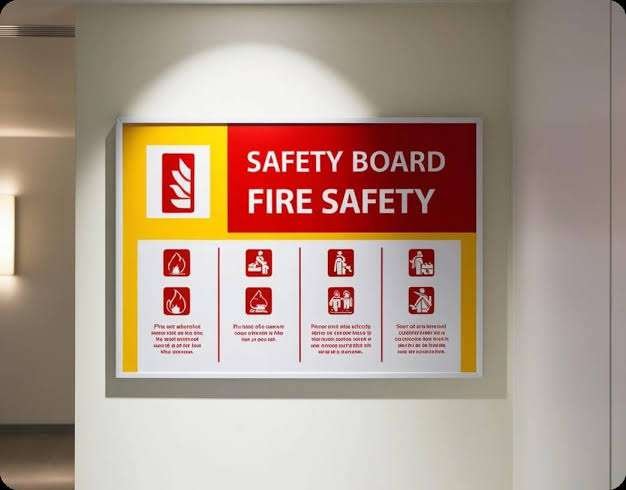
Fire safety signage plays an important role in these arrangements. It communicates essential information about emergency exits, escape routes, firefighting equipment, fire hazards, and restricted activities. When signs are selected and installed correctly, they help employees, visitors, customers, and residents understand important safety information.
However, buying fire safety signage involves more than choosing a design or comparing prices. The signs must be suitable for the building, easy to understand, clearly visible, durable, and consistent with applicable safety requirements.
In Pakistan, buildings differ in their structure, occupancy, and daily activities. A hospital may need different signage from a warehouse, while a school may require signs that are easy for children and visitors to recognize. Choosing the wrong products can create confusion and reduce the effectiveness of a building’s safety arrangements.
Fire safety signage should also work alongside other protection measures, including emergency lighting, smoke detectors, fire extinguishers, evacuation plans, and a reliable fire alarm system in Pakistan.
This guide explains what to check before purchasing fire safety signage and how to make a practical decision for your property.
1. Understand the Fire Safety Requirements of Your Building
Before purchasing any signs, understand the specific safety requirements of your building. Every property has a different layout, purpose, and level of occupancy.
For example, a small office may need basic emergency exit and fire equipment signs, while a large hospital or industrial facility may require a more detailed signage arrangement.
Start by considering:
– The total size of the building.
– The number of floors.
– The number of people who use the premises.
– The location of emergency exits.
– The positions of fire extinguishers and alarm points.
– Areas containing potential fire hazards.
– The layout of corridors and staircases.
– The needs of visitors and people requiring additional assistance.
A professional fire risk assessment can help identify where signs are necessary and what information they should communicate.
Do not purchase signage simply because another building uses the same products. Your signage should reflect your own building’s design and safety requirements.
2. Check the Quality of Materials
Material quality is one of the most important factors when buying fire safety signage. Signs should remain readable and in good condition throughout their intended service life.
Low-quality materials may become damaged, faded, or difficult to read because of environmental conditions and regular wear.
Different buildings may require different materials depending on where the signs will be installed.
Common Sign Materials
PVC signage: PVC is commonly used for general indoor signs. It can be suitable for various offices, commercial spaces, and other indoor environments, depending on its specifications.
Acrylic signage: Acrylic signs provide a smooth appearance and can be used in selected indoor applications. Their suitability depends on the product design and installation location.
Aluminium signage: Aluminium signs may be appropriate for environments where a more durable rigid material is required.
Photoluminescent signage: These signs absorb light and can continue to glow for a period after the surrounding lighting is reduced. Their performance depends on the product’s specifications and charging conditions.
Before purchasing, ask the supplier about the material, expected durability, cleaning requirements, and suitability for your intended location.
3. Make Sure the Signs Are Easy to Read
A fire safety sign is useful only when people can understand its message.
During an emergency, occupants may be under pressure and may not have enough time to read complicated instructions. Signs should therefore use clear symbols, suitable wording, and appropriate contrast.
Consider the following points:
Clear Symbols
Recognizable safety symbols help people understand information quickly. Symbols should be suitable for the sign’s purpose and consistent with relevant standards.
Readable Text
If a sign includes written instructions, the wording should be short and easy to understand.
Avoid unnecessary information that makes the message difficult to recognize.
Suitable Contrast
Text and symbols should stand out clearly from the background. Poor contrast can make signs difficult to read, especially from a distance.
Appropriate Size
The size of a sign should be suitable for its viewing distance and installation location.
A sign placed at the end of a long corridor may need different dimensions from one installed near a small room entrance.
4. Understand Sign Colours and Their Meanings
Fire safety signs commonly use colours to communicate different categories of information. Understanding these conventions can help buyers select appropriate products.
Common Colour| General Meaning| Typical Signage
Red| Fire equipment or prohibition| Fire extinguisher and no-smoking signs
Green| Emergency escape or safe condition| Emergency exit and assembly point signs
Yellow| Warning or potential hazard| Fire-related hazard warnings
Blue| Mandatory instruction| Required safety actions
Colours should be combined with suitable symbols and wording. A sign should not depend on colour alone to communicate its message.
When purchasing, check that the design follows the applicable signage standards and that its symbols are appropriate for the intended use.
Avoid choosing products only because their colours look attractive. Their primary purpose is to provide clear and recognizable safety information.
5. Check Compliance with Applicable Safety Standards
Compliance is an essential consideration when buying fire safety signage.
Different buildings may be subject to different fire safety requirements depending on their location, occupancy, construction, and activities.
Before purchasing, ask the supplier whether the signage meets the relevant technical requirements and standards for its intended application.
Useful questions include:
– Does the product follow a recognized signage standard?
– Are the symbols and colours appropriate?
– Is the material suitable for the installation environment?
– Can the supplier provide product specifications?
– Are any relevant test or conformity documents available?
– Is the signage suitable for the building’s fire risk assessment?
A supplier should be able to explain the product’s specifications clearly.
Building owners should also consult qualified fire safety professionals and relevant authorities when determining which requirements apply to their premises.
Do not assume that every product advertised as fire safety signage automatically meets all applicable standards.
6. Choose the Correct Types of Signs
Before purchasing, identify which categories of signage your building requires. Buying the wrong type may leave important areas without suitable information.
Emergency Exit Signs
Emergency exit signs identify designated exits and help occupants recognize where to leave the building.
They are especially important in large buildings, offices, schools, hospitals, and commercial facilities.
Directional Signs
Directional signs guide people towards designated escape routes. They are useful in buildings with long corridors, multiple floors, or complicated layouts.
Fire Extinguisher Signs
These signs identify the locations of fire extinguishers and help trained personnel find the appropriate equipment.
Fire Alarm Signs
Fire alarm signs can identify manual alarm call points and other relevant fire alarm equipment.
Warning Signs
Warning signs communicate potential hazards, such as flammable materials or other fire-related risks.
Prohibition Signs
These signs communicate activities that are not allowed in specific areas, such as smoking or using open flames where prohibited.
Assembly Point Signs
Assembly point signs identify the designated location where occupants should gather after leaving a building during an emergency.
The exact selection should be based on the building’s layout, risk assessment, and applicable requirements.
7. Consider Visibility in Different Lighting Conditions
Visibility is a major factor when selecting fire safety signage.
A sign may appear clear during daylight but become difficult to recognize when normal lighting is interrupted. This is particularly important in buildings with long corridors, staircases, basements, and large indoor spaces.
Before purchasing, consider the lighting conditions in the installation area.
Illuminated Signs
Illuminated signs use a light source to make important information visible. They may be suitable for locations where additional visibility is required.
Photoluminescent Signs
Photoluminescent signs absorb surrounding light and emit a visible glow when the environment becomes darker. Their effectiveness depends on the product’s performance and exposure to suitable charging light.
Emergency Lighting
Emergency lighting supports visibility when the normal electrical supply is interrupted. It should be considered alongside exit signage as part of the wider evacuation arrangement.
Buyers should ask suppliers about visibility performance, installation requirements, and maintenance needs.
The correct choice depends on the building’s lighting conditions and the applicable safety standards.
8. Make Sure the Signs Are Suitable for Their Installation Environment
Not every sign is appropriate for every location.
A product designed for an ordinary office may not be suitable for a factory, warehouse, outdoor entrance, or area exposed to moisture and dust.
Before purchasing, consider the environmental conditions.
Indoor Areas
Indoor signs should be suitable for the expected temperature, cleaning routine, and general conditions of the building.
Outdoor Areas
Outdoor signs may require materials and printing that can withstand weather exposure, sunlight, and environmental changes.
Industrial Locations
Factories and warehouses may need signs that are more resistant to dust, moisture, vibration, or other workplace conditions.
Kitchens and Service Areas
These areas may experience heat, humidity, and frequent cleaning. Sign materials should be suitable for the actual installation conditions.
Basement and Parking Areas
Signs in parking facilities and basements should be selected with visibility, lighting, and environmental conditions in mind.
Always discuss the intended location with the supplier before placing an order.
9. Check the Supplier’s Experience and Product Information
Choosing a reliable supplier is just as important as selecting the correct product.
A knowledgeable supplier should understand different signage categories and be able to explain product specifications.
Before purchasing, consider the following:
Product range: Does the supplier offer emergency exit signs, directional signs, fire equipment signs, warning signs, and other required categories?
Technical information: Can the supplier explain material quality, dimensions, visibility features, and installation requirements?
Product consistency: Are the symbols, colours, and designs consistent across the required signage range?
Availability: Can the supplier provide the quantities required for your building?
Customer support: Can the supplier answer questions about product selection and maintenance?
Replacement options: Are replacement signs available if products become damaged or outdated?
Installation guidance: Can the supplier provide suitable product information or recommend qualified installation support?
Avoid making purchasing decisions based only on promotional claims. Ask for clear product details and select signage that meets the actual requirements of your premises.
10. Compare Prices Without Compromising Quality
Price is naturally an important consideration, especially when purchasing signs for large buildings.
However, the cheapest option is not always the most suitable. Poor-quality signage may require frequent replacement or fail to provide clear information when it is needed.
When comparing prices, consider the complete value of the product.
Factors to compare include:
– Material quality.
– Sign dimensions.
– Printing and symbol clarity.
– Durability.
– Visibility features.
– Compliance information.
– Installation requirements.
– Maintenance needs.
– Supplier support.
– Replacement availability.
It is also useful to request a written quotation that explains the product specifications and quantities.
For large projects, purchasing a complete signage package may help maintain consistency throughout the building.
The goal should be to select appropriate, dependable signage rather than simply finding the lowest price.
Important Considerations for Different Buildings in Pakistan
Fire safety signage requirements can vary significantly across different types of properties in Pakistan.
Homes and Apartment Buildings
Residential properties may require clear information about emergency exits, staircases, fire equipment, and shared escape routes.
Apartment building management should ensure that common areas remain accessible and that signs are visible to residents and visitors.
Schools and Colleges
Educational institutions should use recognizable signs that students, teachers, employees, and visitors can understand.
Emergency routes and assembly areas should be clearly identified, and students should receive appropriate safety awareness.
Hospitals
Hospitals need carefully planned signage because patients may have limited mobility or require assistance.
Signs should support the movement of patients, visitors, and healthcare employees without creating confusion around critical departments.
Offices and Commercial Buildings
Offices should identify emergency exits, directional routes, fire alarm points, and firefighting equipment.
Signs should remain visible even when furniture or office arrangements change.
Factories and Warehouses
Industrial facilities may contain machinery, storage materials, electrical installations, and specialized work areas.
Signage should reflect the hazards identified through a professional risk assessment.
Hotels and Shopping Centres
These buildings may accommodate large numbers of people who are unfamiliar with the premises.
Clear directional information and visible emergency exit signs are particularly important.
The Importance of Proper Sign Installation
Buying suitable signage is only one part of the process. Incorrect installation can reduce its effectiveness.
Signs should be installed according to their intended purpose and the building’s approved safety arrangements.
For example, emergency exit signs should guide people towards designated escape routes. Fire equipment signs should be visible near the relevant equipment, and warning signs should be positioned where the identified hazard can be recognized.
Professional installation can help ensure that:
– Signs are positioned at suitable locations.
– Important information is visible from the required viewing direction.
– Signs are securely mounted.
– Directional information is consistent.
– Signs do not create unnecessary obstruction.
– The installation follows relevant technical requirements.
After installation, the building should be reviewed to confirm that the signage provides clear and accurate information.
How Fire Safety Signage Works with a Fire Alarm System
Fire safety signage and fire alarm systems perform different but complementary functions.
A fire alarm system helps detect potential fire conditions and alerts occupants. Signage helps people identify important safety locations and understand where designated exits and equipment are located.
For example, a fire alarm may alert people to a potential emergency, while exit signs help guide them towards designated routes.
A suitable fire alarm system in Pakistan should be selected according to the building’s size, design, occupancy, and applicable requirements.
Building owners should consider the following arrangements together:
– Fire detection devices.
– Manual fire alarm call points.
– Audible and visual alarm notifications.
– Emergency exit signage.
– Directional escape signs.
– Emergency lighting.
– Fire equipment identification.
– Documented evacuation procedures.
These arrangements should be professionally assessed to ensure that they work together as part of a complete fire protection strategy.
Common Mistakes to Avoid When Buying Fire Safety Signage
Some purchasing mistakes can reduce the usefulness of fire safety signs.
Buying Without a Building Assessment
Purchasing signs without understanding the building layout may leave important locations unidentified.
Selecting Signs Only by Appearance
Attractive designs are not enough. Products must be clear, suitable, and consistent with relevant requirements.
Ignoring Material Quality
Unsuitable materials may deteriorate quickly in particular environments.
Choosing Incorrect Dimensions
Signs that are too small may be difficult to recognize from the required viewing distance.
Overlooking Installation Requirements
Even good-quality signage can become ineffective when installed incorrectly.
Ignoring Maintenance
Damaged, faded, or obstructed signs should be addressed during routine safety inspections.
Forgetting About Building Changes
Renovations, new rooms, and changes to escape routes may require signage updates.
Avoiding these mistakes helps building managers make better purchasing decisions and maintain more effective safety arrangements.
Fire Safety Signage Purchasing Checklist
Before placing an order, use this general checklist to review the most important requirements.
Purchasing Factor| What to Check
Building assessment| Signage requirements have been identified
Sign category| Correct types of signs have been selected
Material quality| Material suits the installation environment
Readability| Symbols and wording are clear
Colour and design| Signs follow recognized conventions
Dimensions| Size suits the viewing distance
Visibility| Signs are suitable for expected lighting conditions
Compliance| Relevant technical requirements are considered
Durability| Products are suitable for their intended location
Supplier information| Specifications and product details are available
Installation| Suitable mounting and placement are planned
Maintenance| Inspection and replacement arrangements are established
This checklist is a general purchasing guide. A qualified fire safety professional should determine the exact signage requirements for the building.
Conclusion
Buying fire safety signage is an important part of creating a safer building. The right signs help people recognize emergency exits, locate fire protection equipment, understand warnings, and follow important safety instructions.
Before making a purchase, building owners should carefully consider material quality, readability, sign categories, colours, visibility, environmental suitability, compliance, supplier experience, and overall value.
In Pakistan, homes, offices, hospitals, schools, factories, warehouses, and commercial buildings should select signage according to their specific layouts and fire safety requirements.
Fire safety signs are most effective when they work alongside other protection measures, including emergency lighting, smoke detectors, fire extinguishers, evacuation plans, and a reliable fire alarm sys