Fire safety is an essential responsibility for every home, office, school, hospital, factory, shopping centre, and commercial building. While fire alarms and firefighting equipment play important roles in protecting people and property, clear fire safety signage is equally important. Signs help people recognize potential hazards, identify emergency exits, locate safety equipment, and understand where they should go during an emergency.
During a fire incident, people may become confused or find it difficult to identify the safest route. Visitors may not know the building layout, while employees may need clear instructions to respond appropriately. Well-designed and correctly positioned signs can make important safety information easier to understand.
In Pakistan, buildings vary considerably in size, structure, and occupancy. Some facilities have multiple floors, complicated corridors, storage areas, and large numbers of visitors. Proper fire safety signage can help occupants navigate these environments more confidently.
Fire safety signage also works alongside other protection measures, including smoke detectors, emergency lighting, fire extinguishers, and a reliable fire alarm system in Pakistan. Each component has a different purpose, but together they support a more organized approach to fire prevention and emergency preparedness.
Here are ten important things everyone should know about fire safety signage and its role in creating safer buildings.
1. Fire Safety Signs Provide Important Emergency Information
The first thing to understand is that fire safety signs are designed to communicate important information quickly. They use recognizable symbols, colours, and short messages to help people understand what action may be required.
During an emergency, occupants may not have enough time to read long instructions. Simple and clearly visible signs make it easier to recognize important safety information.
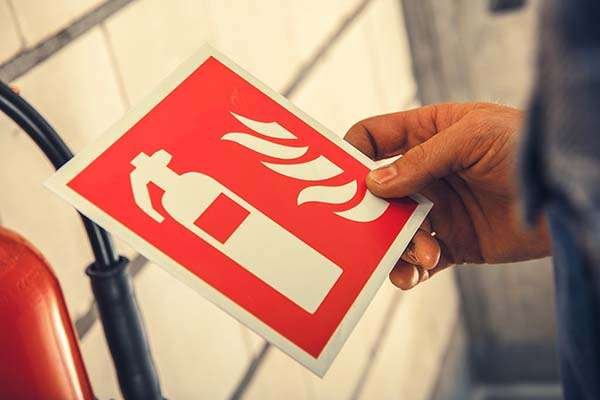
For example, a fire exit sign identifies an emergency exit, while a fire extinguisher sign indicates the location of firefighting equipment.
Fire safety signage generally helps people:
– Identify emergency exits.
– Recognize fire-related hazards.
– Locate firefighting equipment.
– Understand emergency routes.
– Identify designated assembly areas.
– Recognize important safety instructions.
Signs should be understandable to employees, visitors, contractors, and other people who may enter a building.
Their purpose is not to replace emergency training. Instead, they provide visible reminders that support the building’s wider fire safety arrangements.
2. Different Types of Fire Safety Signs Have Different Purposes
Not all fire safety signs communicate the same information. Each category serves a particular purpose, and understanding these differences helps building managers select suitable signs.
Fire Exit Signs
Fire exit signs identify designated emergency exits. They help occupants recognize the direction they should follow when leaving a building.
These signs are especially important in large offices, hospitals, shopping centres, schools, and industrial facilities.
Fire Equipment Signs
These signs identify the location of fire protection equipment, such as fire extinguishers, fire alarm call points, and other approved safety devices.
They help employees and trained personnel locate equipment without unnecessary confusion.
Warning Signs
Warning signs communicate potential hazards that require attention. Depending on the environment, they may identify flammable materials, electrical risks, or other fire-related dangers.
Prohibition Signs
Prohibition signs communicate activities that are not permitted in particular areas.
Examples include restrictions on smoking or using open flames where these activities could create a hazard.
Mandatory Signs
Mandatory signs communicate actions that must be followed in a particular location.
For example, they may remind employees to follow specific safety requirements when entering designated work areas.
Assembly Point Signs
Assembly point signs identify designated locations where people should gather after leaving a building during an emergency.
The correct selection of signs depends on the building’s layout, activities, occupancy, and safety assessment.
3. Sign Colours and Symbols Make Information Easier to Recognize
Fire safety signage often uses standardized colours and symbols to make information easier to understand.
Although exact designs and requirements should follow applicable standards, common conventions include:
Sign Category| Common Colour| General Meaning
Fire equipment| Red| Identifies fire protection equipment
Emergency exit and safe condition| Green| Indicates exits, escape routes, or safe locations
Warning| Yellow| Highlights potential hazards
Prohibition| Red with a contrasting symbol| Indicates an activity that is not allowed
Mandatory instruction| Blue| Communicates an action that must be followed
Recognizable symbols are particularly useful in buildings where visitors may speak different languages.
For example, an internationally recognized emergency exit symbol can communicate important information without requiring occupants to read a lengthy message.
However, colours alone are not enough. Signs must also use appropriate symbols, readable wording, and suitable placement.
Building managers should choose products that meet the relevant technical requirements rather than relying only on appearance.
4. Correct Sign Placement Is Extremely Important
Even a high-quality sign may not provide useful information if it is installed in the wrong location.
Signs should be positioned where people can easily see and understand them. Their placement should consider the building’s design, lighting, furniture, equipment, and normal movement patterns.
For example, emergency exit signs should help occupants recognize the correct route when approaching a decision point, such as a corridor intersection or staircase entrance.
Fire equipment signs should identify the relevant equipment clearly and should not be hidden behind storage materials or other objects.
Important placement considerations include:
– Install signs in visible locations.
– Avoid placing signs behind doors or furniture.
– Keep important signs free from obstruction.
– Use suitable mounting heights.
– Ensure signs remain visible under expected lighting conditions.
– Consider people approaching from different directions.
– Review sign placement whenever the building layout changes.
A professional fire safety assessment can help determine where signs are needed and whether existing signs provide sufficient guidance.
5. Emergency Exit Signage Supports Safer Evacuation
Emergency exit signage is among the most important categories of fire safety signage.
During an emergency, people need to identify a safe way out of the building. Clear exit signs help them recognize designated escape routes and reduce confusion.
This is particularly important in buildings with multiple floors, long corridors, complex layouts, or large numbers of occupants.
Why Emergency Exit Signs Matter
Visitors may not know the building layout. New employees may also be unfamiliar with the location of staircases and emergency exits.
Visible signage provides useful guidance in these situations.
Directional Information
Some buildings require directional signs to guide occupants towards designated exits.
These signs should be positioned carefully so that the intended direction is clear.
Visibility During Power Interruptions
Emergency conditions may affect normal lighting. For this reason, buildings should consider suitable illuminated or photoluminescent signage where required by the applicable safety assessment and standards.
Emergency lighting should also be considered as part of the overall evacuation arrangement.
Keep Exit Routes Clear
Signs cannot provide effective guidance if the routes they identify are blocked.
Building managers should regularly check corridors, staircases, doors, and other designated escape routes to ensure they remain accessible.
6. Fire Safety Signs Must Remain Visible and Readable
Visibility is a basic requirement for effective signage. A sign that is damaged, faded, dirty, or hidden may fail to communicate important information when it is needed.
Buildings should include fire safety signs in their regular inspection schedules.
During inspections, responsible staff should check:
Physical condition: Look for cracks, peeling, damaged surfaces, or missing signs.
Readability: Ensure that words and symbols remain clear.
Visibility: Check whether furniture, decorations, equipment, or stored materials obstruct the signs.
Lighting: Confirm that signs can be seen under the building’s expected lighting conditions.
Positioning: Make sure signs still guide occupants correctly after renovations or changes in room arrangements.
Damaged signs should be replaced promptly with suitable products.
Cleaning and maintenance should follow the manufacturer’s instructions so that the sign’s visibility and performance are not affected.
7. Fire Safety Signage Should Be Part of a Complete Fire Protection System
One important fact about fire safety signage is that it cannot protect a building on its own.
Signs are most useful when they support other fire prevention and protection arrangements.
A complete fire safety approach may include:
Fire Alarm Systems
Fire alarm systems help detect potential fire conditions and alert occupants. Signs can help people identify manual alarm call points and understand important emergency locations.
A suitable fire alarm system in Pakistan should be selected according to the building’s size, use, layout, and applicable safety requirements.
Smoke and Heat Detectors
Detection devices help identify certain warning conditions. Their placement and maintenance should be based on professional design and relevant technical requirements.
Fire Extinguishers
Fire equipment signs can help identify the location of extinguishers and other firefighting equipment. The equipment itself must be appropriate for the location and maintained by qualified service providers.
Emergency Lighting
Emergency lighting supports visibility when normal lighting is interrupted. It can work alongside exit signage to help occupants identify designated routes.
Fire Doors
Fire doors help limit the spread of fire and smoke when correctly installed and maintained. Suitable signs may communicate important instructions about keeping these doors functional.
Evacuation Plans
Evacuation plans explain how people should respond during an emergency. Signage provides visible information that supports these plans.
The main objective is to ensure that all safety arrangements work together as part of a coordinated building protection strategy.
8. Different Buildings Need Different Fire Safety Signs
Every building has its own layout, occupancy, and potential hazards. Therefore, the same signage arrangement may not be suitable for every facility.
A professional assessment should identify the types of signs required and their appropriate locations.
Homes and Residential Buildings
Residential buildings may require visible exit information, suitable fire equipment identification, and clear guidance for shared corridors and staircases.
Apartment buildings should also consider the needs of residents, visitors, and people who may require additional assistance.
Schools and Educational Institutions
Schools accommodate children, teachers, administrative staff, and visitors.
Signs should be simple, recognizable, and positioned where students and employees can easily understand them.
Educational institutions should also provide age-appropriate fire safety awareness and maintain clear evacuation arrangements.
Hospitals and Healthcare Facilities
Hospitals contain patients who may have limited mobility or require medical assistance.
Signage should support staff, patients, and visitors by identifying emergency routes, exits, fire equipment, and other important safety locations.
Special attention should be given to departments with complex layouts and critical patient-care responsibilities.
Offices and Commercial Buildings
Offices often contain meeting rooms, corridors, electrical rooms, storage areas, and shared facilities.
Signs should help employees and visitors identify emergency exits and relevant safety equipment.
Factories and Warehouses
Industrial facilities may contain machinery, storage areas, electrical installations, and materials with specific fire safety requirements.
Their signage arrangements should reflect the hazards identified through a professional risk assessment.
Shopping Centres and Hotels
These buildings may accommodate large numbers of visitors who are unfamiliar with the premises.
Clear directional signs and visible emergency information can support better evacuation awareness.
9. Regular Inspection and Staff Awareness Are Essential
Installing fire safety signs is not the end of the process. They must remain visible, understandable, and suitable for the building’s current layout.
Regular inspection helps identify missing, damaged, outdated, or obstructed signs.
Building owners and managers should establish a documented inspection schedule.
What Should Inspections Include?
A basic inspection may review:
– Whether all required signs are present.
– Whether signs are correctly positioned.
– Whether symbols and messages remain readable.
– Whether signs are damaged or faded.
– Whether emergency exit directions remain accurate.
– Whether signs are hidden by furniture or stored materials.
– Whether changes to the building require new signage.
– Whether illuminated signs receive appropriate maintenance.
Train Employees to Understand Signs
Employees should know what common fire safety signs mean and where important signs are located.
Training should explain the building’s emergency exits, assembly points, fire alarm arrangements, and reporting procedures.
New employees should receive safety information when they join the organization.
Refresher sessions can help maintain awareness and identify areas where additional instruction is required.
Conduct Fire Drills
Fire drills provide opportunities to review whether employees understand the building’s emergency arrangements.
Management can observe whether people recognize exit signs, follow designated routes, and reach the appropriate assembly area.
Drills should be planned carefully and conducted according to the building’s risk assessment.
10. Choosing Quality Fire Safety Signage Is a Long-Term Investment
The final important point is that fire safety signage should be selected carefully.
Choosing signs based only on their appearance or purchase price may lead to problems with visibility, durability, or suitability.
Building owners should consider the following factors before purchasing signage.
Compliance with Applicable Standards
Signs should meet relevant fire safety and technical requirements. Requirements may differ according to the type of building and its use.
Material Quality
The sign material should be suitable for its intended environment.
For example, industrial facilities may require signage that can withstand conditions different from those found in ordinary office spaces.
Visibility and Readability
Symbols, text, colours, and contrast should be clear enough to communicate information effectively.
Durability
Signs should be suitable for their installation location and expected environmental conditions.
Installation Support
Correct installation is important. Suppliers and qualified professionals should be able to provide suitable guidance about positioning and mounting.
Maintenance Requirements
Building managers should understand how signs should be cleaned, inspected, and replaced.
Professional Advice
A fire safety professional can assess the premises and recommend appropriate signage according to the building’s specific requirements.
For organizations in Pakistan, selecting suitable fire safety signage should be part of a wider fire protection strategy rather than an isolated purchasing decision.
Fire Safety Signage Challenges in Pakistan
Many buildings in Pakistan have different levels of fire safety awareness and preparedness. While some modern facilities have organized safety arrangements, other buildings may need improvements in signage, emergency planning, and equipment maintenance.
Common challenges include:
Inadequate Sign Placement
Some buildings have signs installed in locations where they are difficult to see or do not provide clear directional guidance.
Damaged or Outdated Signs
Over time, signs may become faded, damaged, or unsuitable after changes to the building layout.
Blocked Emergency Routes
Storage materials, furniture, or other objects may obstruct corridors and emergency exits.
Limited Employee Awareness
Employees may not understand the meaning of different signs or know where the designated assembly points are located.
Inconsistent Maintenance
Some facilities do not have documented inspection schedules for their fire safety arrangements.
These issues can be addressed through professional risk assessments, staff training, regular inspections, and appropriate investment in safety equipment.
A Practical Fire Safety Signage Checklist
Building managers can use the following checklist as a general starting point when reviewing their premises.
Inspection Area| What to Review
Emergency exits| Exit signs are visible and directions are clear
Escape routes| Directional signs guide occupants appropriately
Fire equipment| Equipment locations are clearly identified
Fire alarm points| Relevant alarm locations are marked
Warning signs| Important hazards are identified
Prohibition signs| Restricted activities are communicated
Assembly points| Designated gathering locations are identified
Sign condition| Signs are clean, readable, and undamaged
Lighting| Signs remain visible under expected conditions
Staff awareness| Employees understand important safety signs
Building changes| Signage is reviewed after renovations
Inspection records| Maintenance and inspection activities are documented
This checklist does not replace a professional fire safety assessment. The exact signage requirements should be determined according to the building’s design, use, and applicable standards.
Conclusion
Fire safety signage is a simple but essential part of building protection. It provides important information about emergency exits, firefighting equipment, hazards, restrictions, and designated assembly areas.
The ten points discussed in this guide explain why signs must be correctly selected, clearly positioned, regularly inspected, and understood by building occupants.
In Pakistan, homes, offices, schools, hospitals, factories, and commercial facilities should treat fire safety signage as part of their wider emergency preparedness arrangements. Signs become more effective when they work alongside fire alarm systems, smoke detectors, emergency lighting, fire doors, staff training, and documented evacuation plans.
A dependable fire alarm system in Pakistan can provide early warning of potential fire conditions, while suitable signage helps occupants understand important safety information and identify designated routes.
Ultimately, effective fire safety is not achieved through equipment alone. It requires proper planning, regular maintenance, professional guidance, and awareness among everyone who uses a building.
Frequently Asked Questions (FAQs)
1. What is the main purpose of fire safety signage?
The main purpose of fire safety signage is to communicate important safety information. Signs help people identify emergency exits, locate firefighting equipment, recognize hazards, and understand