Electricity is an essential part of modern life. Homes, offices, schools, factories, shops, and commercial buildings depend on electrical systems to operate lights, fans, computers, appliances, machinery, and other equipment. Although electricity makes everyday activities easier, damaged wiring, faulty appliances, overloaded circuits, and poor electrical maintenance can create serious safety risks.
One of the most important electrical hazards is a short circuit. It occurs when electricity follows an unintended path with very low resistance, potentially causing excessive current, overheating, equipment damage, and fire. A short circuit can happen suddenly, making awareness and preventive maintenance essential for every property.
In Pakistan, electrical safety deserves particular attention because residential and commercial buildings may have different wiring standards, installation conditions, and maintenance practices. Older properties, poorly maintained electrical fittings, and unsuitable electrical accessories can increase the possibility of electrical faults.
Preventing short circuits requires more than simply switching off appliances. Property owners should use suitable electrical equipment, arrange professional inspections, avoid unsafe connections, and maintain appropriate fire protection systems.
A properly designed fire alarm system in Pakistan can provide early warning when a fire-related condition is detected. However, an alarm cannot prevent an electrical fault from occurring. It should be considered part of a wider safety plan that includes electrical maintenance, suitable detection equipment, and emergency preparedness.
This guide explains the common causes of short circuits, their warning signs, practical prevention measures, and the importance of electrical and fire safety in residential and commercial buildings.
1. What Is a Short Circuit?
A short circuit is an electrical fault that occurs when current flows through an unintended path with lower resistance than the designed circuit. This can cause a sudden increase in electrical current and may result in overheating, sparks, damaged equipment, or fire.
Electrical circuits are designed to carry current through specific conductors and connected equipment. When insulation becomes damaged or an unintended connection develops, the current may travel through an unsafe route.
Short circuits can affect different parts of an electrical installation, including:
– Household wiring.
– Electrical sockets and switches.
– Extension leads.
– Lighting systems.
– Household appliances.
– Industrial machinery.
– Distribution boards and connected equipment.
The seriousness of a short circuit depends on the electrical installation, protective devices, fault conditions, and surrounding materials.
Understanding the basic concept helps property owners recognise why electrical maintenance and professional inspections are so important.
2. Common Causes of Short Circuits
Short circuits can develop for several reasons. Some are associated with ageing electrical installations, while others result from damaged equipment or unsuitable electrical accessories.
Damaged Wire Insulation
Electrical wires are covered with insulation to prevent unintended contact between conductors and surrounding materials. If insulation becomes damaged, the conductors may come into contact and create an electrical fault.
Damage can occur because of ageing, excessive heat, mechanical pressure, or unsuitable installation conditions.
Faulty Electrical Appliances
An appliance with damaged internal components or a defective power cable may develop an electrical fault. Using equipment that has visible damage or unusual operating behaviour can increase safety risks.
Loose or Damaged Connections
Electrical connections that are not properly maintained may become unreliable. Loose or damaged connections can contribute to overheating and other electrical problems.
Moisture Exposure
Water and electricity are a dangerous combination. Moisture entering electrical fittings, appliances, or wiring systems can increase the risk of electrical faults.
Poor Installation
Electrical installations should be designed and completed by qualified professionals. Incorrect materials, unsuitable connections, and poor workmanship may create long-term safety concerns.
Ageing Electrical Systems
Older properties may contain electrical installations that are no longer suitable for modern equipment demands. Regular professional inspections can help identify problems before they become more serious.
3. Warning Signs of Electrical Problems
Electrical faults do not always appear without warning. Certain signs may indicate that an appliance or electrical installation needs professional attention.
Renters, homeowners, and business managers should pay attention to:
– Repeatedly tripping circuit breakers.
– Unusual burning smells near electrical equipment.
– Visible damage to plugs, cables, or sockets.
– Discoloured electrical fittings.
– Unusual buzzing or crackling sounds.
– Electrical appliances becoming unusually hot.
– Flickering lights associated with other electrical problems.
– Unexpected interruptions in electrical supply.
These signs do not all prove that a short circuit has occurred. However, they should not be ignored.
If an electrical fitting appears damaged or unsafe, stop using the affected equipment if it is safe to do so and contact a qualified electrician. Never touch exposed wiring or attempt to investigate an electrical fault yourself.
4. Avoid Overloading Electrical Sockets
Overloading electrical sockets is a common safety concern in homes and workplaces. Connecting too many appliances to one outlet or using unsuitable extension accessories can place excessive demands on electrical equipment.
Modern households often use several devices at the same time, including refrigerators, televisions, computers, air conditioners, chargers, and kitchen appliances. Businesses may have even greater electrical demands.
To reduce risks:
– Follow the manufacturer’s power recommendations.
– Avoid connecting multiple high-power appliances to one socket.
– Use electrical accessories that are suitable for the connected equipment.
– Avoid damaged or poorly made extension leads.
– Do not ignore repeated circuit breaker trips.
– Ask a qualified electrician to assess electrical capacity when adding major appliances.
The number of plugs connected to an outlet is not the only factor that matters. The total electrical load and the suitability of the installation are also important.
5. Use Good-Quality Electrical Equipment
Electrical equipment should be selected according to its intended use, technical specifications, and applicable safety requirements.
Low-quality or unsuitable products may not provide reliable performance. This can increase the risk of overheating, electrical faults, and damage to connected appliances.
Before buying electrical accessories, consider:
Product quality: Choose products from identifiable manufacturers with clear specifications.
Compatibility: Make sure the product is suitable for the intended appliance and electrical supply.
Safety information: Check for relevant testing, certification, and manufacturer documentation.
Physical condition: Avoid products with damaged insulation, loose components, or visible defects.
Supplier reliability: Purchase from suppliers that can provide genuine products and after-sales support.
Installation requirements: Some electrical equipment requires professional installation.
Good-quality equipment is a useful investment, but it must also be installed and used correctly.
6. Arrange Professional Electrical Inspections
Electrical inspections help identify problems that may not be visible during everyday use. A qualified electrician can assess the condition of wiring, distribution equipment, protective devices, and electrical connections.
Inspections are particularly important when:
– Moving into an older property.
– Renovating a house or commercial building.
– Installing major electrical appliances.
– Expanding an office or industrial facility.
– Experiencing repeated electrical faults.
– Noticing damaged or overheating fittings.
– Making changes to the electrical installation.
The inspection frequency should depend on the property’s age, usage, condition, and applicable requirements.
Property owners should keep records of inspections and repairs. This helps track recurring problems and provides useful information for future maintenance.
Electrical panels, internal wiring, and protective devices should only be inspected or repaired by qualified professionals.
7. Keep Electrical Equipment Away from Water
Water can increase electrical risks by creating conditions that allow unintended current flow. Kitchens, bathrooms, laundry areas, outdoor spaces, and industrial cleaning areas require particular attention.
Practical precautions include:
– Keep electrical appliances away from water sources.
– Do not operate electrical equipment with wet hands.
– Use products specifically suitable for damp or outdoor environments where required.
– Report water damage near electrical fittings.
– Do not use appliances with damaged cables in wet areas.
– Arrange professional inspection after water enters electrical equipment.
If water reaches an electrical installation, do not touch the affected equipment. Keep people away and contact qualified assistance.
Never attempt to dry, open, or repair electrical equipment that may still be connected to a power supply.
8. Maintain Electrical Appliances Properly
Household and commercial appliances should be maintained according to their manufacturer instructions.
Regular care can help identify damage and reduce the likelihood of electrical problems.
Useful habits include:
– Check cables and plugs for visible damage.
– Avoid using appliances that operate unusually.
– Keep ventilation openings clear.
– Follow manufacturer cleaning instructions.
– Do not use equipment beyond its intended purpose.
– Arrange repairs through authorised or qualified technicians.
– Replace appliances that cannot be repaired safely.
Businesses should also maintain records for important electrical equipment, especially machinery used in factories, workshops, and commercial kitchens.
If an appliance produces an unusual smell, excessive heat, or abnormal sounds, stop using it and seek professional advice.
9. The Role of Circuit Protection Devices
Circuit protection devices help reduce the consequences of certain electrical faults. They are an important part of a properly designed electrical installation.
Different devices provide different types of protection.
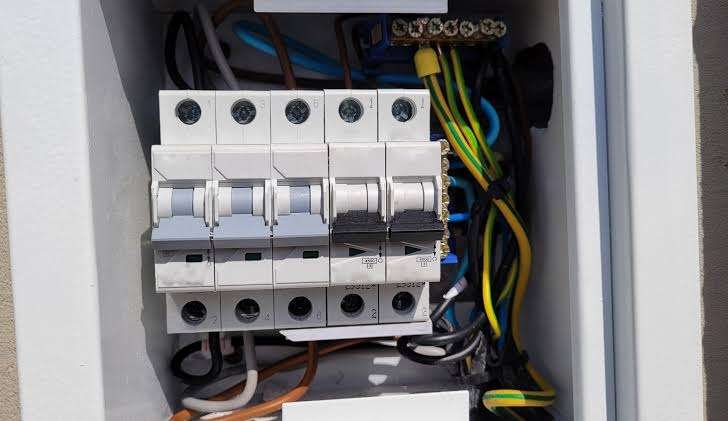
Circuit Breakers
Circuit breakers are designed to interrupt electrical current when certain abnormal conditions occur, such as an overload or short circuit.
Fuses
Fuses provide protection by interrupting a circuit when current exceeds the designed limit. They must be selected and installed according to the electrical system’s requirements.
Residual Current Devices
Residual current devices help protect against certain types of electric shock by detecting differences between outgoing and returning current.
Surge Protection Devices
Surge protection devices help protect suitable electrical equipment against certain voltage surges.
These devices are not interchangeable. Each has a specific purpose and should be selected as part of a properly designed electrical installation.
Property owners should never replace protective devices with unsuitable alternatives or bypass them because they trip repeatedly. Repeated tripping may indicate an underlying fault that requires professional inspection.
10. How Fire Alarm Systems Support Electrical Fire Safety
Electrical faults can sometimes develop into fires when surrounding materials become hot enough to ignite. A suitable fire detection and alarm system can help alert occupants when a monitored fire condition is detected.
A fire alarm system may include several components:
– Smoke detectors: Detect smoke in protected areas.
– Heat detectors: Respond to temperature changes within their operating range.
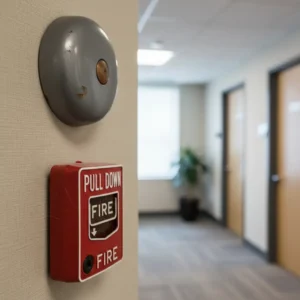
– Manual call points: Allow occupants to activate an alarm when they identify a fire.
– Alarm sounders: Provide audible warnings.
– Visual warning devices: Help alert people who may not hear an audible alarm.
– Control panels: Receive and process signals from connected devices.
The appropriate arrangement depends on the property’s size, layout, occupancy, and potential fire hazards.
In Pakistan, a fire alarm system in Pakistan can be an important consideration for houses, apartment buildings, offices, factories, schools, hospitals, and shopping centres.
However, fire alarms do not prevent short circuits or replace electrical protective devices. They provide warning when a monitored fire condition is detected, helping occupants respond and evacuate.
Professional design, installation, testing, and maintenance are essential for reliable operation.
11. Keep Electrical Panels and Equipment Areas Safe
Electrical distribution boards and equipment areas should be kept in suitable condition. These areas should not become storage spaces for cardboard boxes, cleaning materials, paper, or other unnecessary items.
Property managers should ensure that:
– Access to electrical panels remains clear.
– Equipment is protected from unsuitable environmental conditions.
– Warning labels remain visible.
– Damaged panels are reported.
– Only authorised professionals work on electrical installations.
– Required inspection and maintenance records are maintained.
Tenants and employees should not open electrical panels or attempt repairs. If unusual sounds, smells, or visible damage are noticed, keep away and report the issue.
12. Short Circuit Prevention in Homes
Residential properties contain many electrical devices that operate throughout the day. Families can reduce unnecessary risks by developing safe everyday habits.
Use Appliances Responsibly
Follow the manufacturer’s instructions and avoid using damaged equipment.
Avoid Poor-Quality Accessories
Use suitable electrical accessories from reliable manufacturers.
Keep Children Away from Electrical Fittings
Children should not play with sockets, switches, cables, or electrical appliances.
Report Electrical Problems
Do not ignore repeated power interruptions, damaged fittings, or unusual smells.
Arrange Qualified Repairs
Electrical repairs should be completed by trained professionals rather than through temporary household fixes.
Review the Electrical System
Older homes may need professional assessment to determine whether their wiring and protective devices remain suitable for modern electrical demands.
These simple measures can support a safer home environment.
13. Short Circuit Prevention in Offices and Commercial Buildings
Offices, shops, restaurants, hotels, and other commercial properties often use a large number of electrical appliances.
Computers, printers, refrigerators, lighting systems, air conditioning units, and office equipment can place significant demands on electrical installations.
Business owners should develop an electrical safety programme that includes:
– Professional electrical inspections.
– Suitable circuit protection.
– Proper equipment installation.
– Maintenance of appliances.
– Safe cable management.
– Clear access to electrical panels.
– Employee awareness.
– Appropriate fire detection and alarm arrangements.
Employees should know how to report electrical problems and understand that damaged equipment should not be used.
Businesses should also ensure that emergency exits remain clear and that staff understand evacuation procedures.
14. Electrical Safety in Factories and Industrial Facilities
Factories and industrial facilities may operate heavy machinery, motors, control systems, production equipment, and specialised electrical installations.
These environments require careful electrical planning because faults can affect workers, equipment, production activities, and nearby areas.
Industrial property managers should arrange professional assessments based on the type of machinery and operating conditions.
Important considerations include:
– Suitable electrical system design.
– Appropriate protection for machinery.
– Regular inspection of cables and equipment.
– Maintenance of distribution systems.
– Protection against unsuitable environmental conditions.
– Staff training and reporting procedures.
– Fire detection and emergency arrangements.
Workers should not attempt electrical repairs unless they are appropriately qualified and authorised.
Industrial safety programmes should also include clear emergency procedures and regular reviews of equipment condition.
15. What to Do If You Suspect a Short Circuit
An electrical fault should always be treated seriously. If you notice signs of an electrical problem, avoid approaching or touching damaged equipment.
Follow these general precautions:
1. Keep people away from the affected area.
2. Do not touch exposed wires, damaged appliances, or electrical panels.
3. Stop using the affected equipment if it is safe to do so.
4. Contact a qualified electrician or the responsible property manager.
5. If there is smoke or fire, raise the alarm and evacuate.
6. Contact emergency services from a safe location.
7. Do not return to the affected area until it has been declared safe.
Never pour water onto an electrical fire. Do not attempt to investigate a suspected short circuit while equipment may still be energised.
Untrained people should leave electrical emergencies and fire response to qualified professionals.
16. Common Short Circuit Prevention Mistakes
Even simple mistakes can increase electrical risks. Recognising them helps homeowners and businesses make better decisions.
Ignoring Repeated Breaker Trips
A breaker that repeatedly trips may indicate an underlying problem. It should be inspected rather than repeatedly reset.
Using Damaged Cables
Damaged cables should not remain in use. Arrange replacement through a qualified professional.
Choosing Unsuitable Electrical Accessories
Accessories should match the intended equipment and electrical requirements.
Attempting DIY Electrical Repairs
Unqualified repairs can create additional hazards. Electrical work should be handled by competent professionals.
Ignoring Moisture Damage
Water near electrical installations should be treated as a serious concern.
Overlooking Fire Protection Systems
Detection and alarm equipment needs appropriate installation and maintenance. A neglected system may not provide the expected warning.
Avoiding these mistakes supports safer homes, workplaces, and industrial environments.
17. Develop a Regular Electrical and Fire Safety Programme
Prevention works best when it becomes part of regular property management.
Homeowners can arrange periodic inspections, monitor the condition of appliances, and teach household members basic electrical safety.
Businesses should establish a documented programme covering electrical inspections, equipment maintenance, employee awareness, and emergency planning.
A practical programme may include:
– Maintaining an inventory of important electrical equipment.
– Recording inspections and repairs.
– Reporting faults promptly.
– Reviewing protective devices through qualified professionals.
– Maintaining fire alarm and detection systems.
– Keeping emergency exits clear.
– Conducting appropriate evacuation drills.
– Updating safety procedures when building conditions change.
Regular reviews help identify issues before they become more serious.
18. Building Electrical Safety Awareness in Pakistan
Improving electrical safety requires cooperation between homeowners, tenants, landlords, electricians, businesses, a