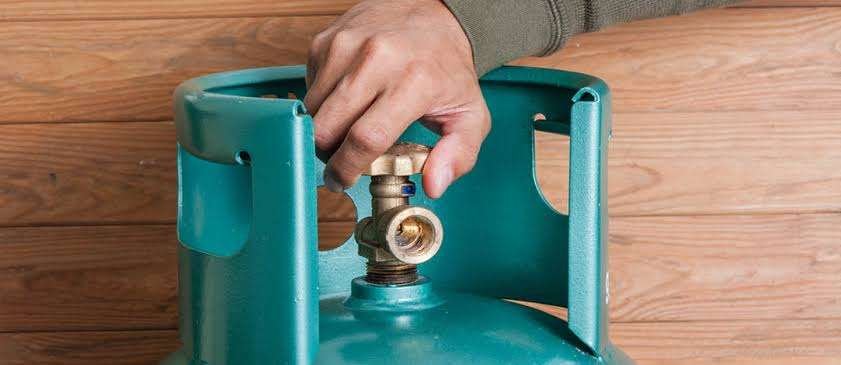
Gas cylinders are commonly used in homes, restaurants, commercial kitchens, workshops, factories, and other workplaces across Pakistan. They provide a convenient source of fuel for cooking, heating, and various industrial activities. However, despite their usefulness, gas cylinders require careful selection, storage, handling, and maintenance to ensure safe operation.
Poor-quality cylinders, damaged valves, improper storage arrangements, gas leaks, and a lack of safety awareness can create serious hazards. These risks can affect not only the people using the cylinders but also nearby residents, employees, customers, and surrounding properties.
For this reason, choosing a gas cylinder should never be based on price or availability alone. Buyers should understand the importance of product quality, supplier reliability, safety certifications, and appropriate handling requirements before making a purchase.
In Pakistan, where LPG cylinders are widely used in residential and commercial settings, gas cylinder safety deserves particular attention. Understanding the essential precautions can help consumers make informed purchasing decisions and maintain safer environments.
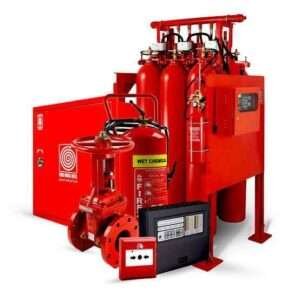
Fire prevention should also be part of a wider safety strategy. Businesses and property owners should consider appropriate detection and protection arrangements, including a suitable fire alarm system in Pakistan, depending on the building’s requirements and professional risk assessment.
This buyer’s guide explains the important factors to consider when selecting a gas cylinder, common safety concerns, maintenance requirements, and responsible usage practices.
1. Understand Different Types of Gas Cylinders
Before purchasing a gas cylinder, it is important to understand the different types available in the market.
Gas cylinders are designed for specific gases and applications. Choosing the wrong type can create unnecessary risks and may result in unsuitable equipment being used for a particular purpose.
LPG Cylinders
Liquefied Petroleum Gas (LPG) cylinders are widely used in Pakistan. LPG generally contains propane, butane, or a mixture of both.
Common applications include:
– Residential cooking.
– Restaurant kitchens.
– Commercial food preparation.
– Certain heating applications.
– Selected industrial processes.
LPG cylinders are available in different capacities depending on the intended application.
Industrial Gas Cylinders
Industrial gas cylinders are used in manufacturing, workshops, laboratories, and specialised commercial operations.
They may contain different gases depending on the industrial process. Their storage and handling requirements can vary considerably.
Medical Gas Cylinders
Medical facilities use specialised cylinders for healthcare applications. These cylinders require appropriate identification, handling, storage, and maintenance procedures.
Buyers should never assume that all gas cylinders are interchangeable. Each cylinder must be suitable for the specific gas and application.
2. Purchase Cylinders from Reliable Suppliers
Supplier selection is one of the most important parts of buying a gas cylinder.
A reliable supplier should provide appropriate product information and demonstrate that the cylinders meet relevant quality and safety requirements.
Before purchasing, consider the following factors:
– Supplier reputation and business history.
– Applicable product approvals and certifications.
– Cylinder identification and markings.
– Availability of product documentation.
– Appropriate valve and connection arrangements.
– Clear information about inspection and testing.
– Suitable after-sales support.
Avoid purchasing cylinders from unknown sellers who cannot provide reliable information about the product’s origin or condition.
A low purchase price should not be the main deciding factor. A cylinder that does not meet appropriate safety requirements may create significant risks.
Consumers should also confirm that the cylinder is suitable for the intended gas and equipment.
3. Check Cylinder Quality Before Buying
Cylinder condition is an important consideration when evaluating a purchase.
A buyer should ensure that the cylinder is appropriate for its intended use and has the required identification and inspection information.
Important points to consider include:
Visible condition: Look for obvious signs of damage, severe corrosion, or deterioration. Do not purchase a cylinder that appears compromised.
Identification markings: Check that the cylinder has appropriate identification and manufacturer information.
Inspection status: Confirm that the cylinder has undergone the required inspection and testing under applicable standards.
Valve condition: The valve should be appropriate for the cylinder and show no visible signs of damage.
Product documentation: Ask the supplier for relevant safety and compliance information.
If a cylinder has questionable markings, visible damage, or an uncertain inspection history, do not accept it.
A qualified supplier or authorised inspection professional should assess any concerns.
4. Understand the Importance of Cylinder Valves
Cylinder valves are important components because they control the connection between the cylinder and the intended equipment.
Different gases and applications may require different valve designs and connection standards.
Buyers should ensure that the cylinder has a suitable, compatible valve and that the connection arrangements meet the equipment manufacturer’s requirements.
Important considerations include:
– Correct valve type for the intended gas.
– Appropriate product compatibility.
– No visible damage or deterioration.
– Suitable protective arrangements.
– Proper identification and inspection.
Never attempt to modify, replace, or repair a cylinder valve without appropriate authorisation and professional expertise.
If a valve appears damaged or does not function correctly, the cylinder should be taken out of service and referred to an authorised supplier or qualified professional.
5. Choose the Right Cylinder Capacity
Gas cylinders are available in different sizes and capacities. The correct choice depends on the intended application, expected consumption, equipment compatibility, and storage arrangements.
For residential users, cylinder capacity should be appropriate for the household’s requirements and available storage space.
Commercial kitchens may have different consumption needs, while industrial facilities may require specialised gas supply arrangements.
Before purchasing, consider:
– The intended application.
– Manufacturer recommendations.
– Required gas capacity.
– Available storage arrangements.
– Applicable safety requirements.
– Supplier support and replacement availability.
Do not select a cylinder simply because it has a larger capacity. The storage area and equipment must be suitable for the selected product.
A qualified supplier can help identify an appropriate option.
6. Check Safety Standards and Certifications
Safety standards help ensure that gas cylinders are manufactured, inspected, and maintained according to recognised requirements.
When buying a cylinder in Pakistan, consumers should ask about relevant standards, applicable approvals, and inspection documentation.
A responsible purchasing decision should consider:
– Manufacturer identification.
– Applicable manufacturing standards.
– Required inspection and testing records.
– Product traceability.
– Appropriate safety markings.
– Supplier documentation.
Buyers should avoid products with missing, unclear, or questionable identification information.
For commercial and industrial applications, businesses should also consider the requirements of relevant regulatory authorities.
Compliance is not simply a formality. It helps demonstrate that the product is appropriate for its intended application.
7. Understand Proper Gas Cylinder Storage
Storage conditions have a significant influence on gas cylinder safety.
Gas cylinders should be stored in areas that meet the applicable safety requirements for the specific gas.
For LPG cylinders, storage arrangements should account for the properties of LPG, ventilation requirements, ignition risks, and the possibility of gas accumulation.
Important storage considerations include:
– Use an appropriate, designated storage area.
– Follow manufacturer and supplier storage instructions.
– Keep cylinders away from excessive heat.
– Avoid exposure to conditions that could damage the cylinder.
– Maintain appropriate ventilation.
– Prevent unauthorised access.
– Keep the area free from unnecessary combustible materials.
– Follow applicable separation and signage requirements.
Gas cylinders should not be stored in unsuitable enclosed spaces or locations where gas could accumulate.
Commercial facilities should arrange professional assessments to determine whether their storage arrangements meet applicable requirements.
8. Learn How to Recognise Gas Leak Concerns
Gas leakage is one of the most important safety concerns associated with gas cylinders.
LPG is supplied with an odorant to help users recognise a possible leak through its characteristic smell.
However, people should not rely only on smell. A suspected leak should always be treated seriously.
Warning signs may include:
– A noticeable gas odour.
– An unusual hissing sound.
– Unexplained changes in equipment performance.
– A gas detection alarm.
– Signs of damage around gas equipment.
If a leak is suspected, do not operate electrical switches or use ignition sources in the affected area.
Move people away from the suspected hazard and contact the appropriate emergency service or qualified gas professional from a safe location.
Never attempt to investigate or repair a suspected cylinder leak yourself.
9. Understand the Importance of Gas Detection and Fire Alarms
Gas detection and fire alarm systems are important components of a wider safety programme, but they perform different functions.
A gas detector is designed to identify particular gases in the surrounding environment. A fire alarm system is designed to detect signs of fire, such as smoke or heat, using suitable detection equipment.
Depending on the building and risk assessment, a commercial facility may require both types of protection.
A suitable safety arrangement may include:
– Appropriate gas detection equipment.
– Suitable fire alarm systems.
– Audible and visual warning devices.
– Emergency communication arrangements.
– Suitable ventilation provisions.
– Professional inspection and maintenance.
Businesses researching a fire alarm system in Pakistan should understand that an ordinary smoke detector is not necessarily a gas leak detector.
The selection and positioning of detection equipment should be determined by qualified professionals based on the type of gas, building layout, environmental conditions, and applicable standards.
10. Maintain Gas Cylinders Through Professional Inspection
Regular inspection helps identify potential problems with cylinders and associated equipment.
Gas cylinders should be inspected and tested according to applicable requirements and manufacturer instructions.
Users should not attempt to carry out technical cylinder inspections themselves.
Professional assessments may consider:
– Cylinder identification and markings.
– Overall physical condition.
– Corrosion or visible damage.
– Valve condition.
– Inspection and testing history.
– Suitability for continued service.
Any cylinder that appears damaged, overdue for required inspection, or otherwise unsuitable should be removed from use and referred to an authorised professional.
Businesses should maintain appropriate records of inspections, replacements, and relevant maintenance activities.
11. Follow Safe Practices During Cylinder Transportation
Transportation is another important part of gas cylinder safety.
Cylinders should be transported using arrangements appropriate to their design, contents, and applicable transportation requirements.
Only authorised and appropriately trained personnel should handle commercial or industrial gas cylinders.
Transportation planning should consider:
– Suitable vehicles and handling arrangements.
– Protection against physical damage.
– Appropriate cylinder securing provisions.
– Required valve protection.
– Separation from incompatible materials.
– Applicable transport regulations.
Cylinders should never be treated as ordinary household containers.
Suppliers and businesses should establish proper transportation procedures and ensure that workers understand their responsibilities.
12. Understand Workplace Responsibilities
Businesses using gas cylinders should establish clear safety responsibilities.
Restaurants, hotels, factories, workshops, and other commercial facilities may have multiple employees working near gas equipment.
Without clear procedures, workers may not know how to report a concern or respond appropriately to an emergency.
Management should provide suitable training covering:
– General gas cylinder awareness.
– Safe workplace practices.
– Recognition of possible gas leaks.
– Emergency reporting procedures.
– Evacuation arrangements.
– Responsibilities of designated safety personnel.
– Contact information for qualified service providers.
Employees should never be encouraged to repair damaged cylinders or carry out unauthorised technical work.
Regular safety meetings can help reinforce good practices and improve awareness.
13. Avoid Common Gas Cylinder Purchasing Mistakes
Many gas cylinder safety problems begin with poor purchasing decisions.
Consumers and businesses should avoid several common mistakes when selecting gas equipment.
Choosing Products Only on Price
An unusually cheap cylinder may not provide sufficient evidence of quality or compliance. Buyers should evaluate the product’s condition, origin, and documentation.
Ignoring Product Compatibility
Different gases require suitable cylinder designs and connections. Always confirm compatibility before accepting a purchase.
Overlooking Inspection Records
Inspection and testing information is an important part of cylinder safety. Buyers should ask for relevant documentation.
Purchasing from Unverified Sellers
Unknown suppliers may not provide reliable information about product quality or inspection history.
Ignoring Storage Requirements
A cylinder that is suitable for one application may not be appropriate for a different storage environment.
Neglecting Safety Equipment
Gas cylinder safety should be considered alongside suitable detection, emergency communication, and fire protection arrangements.
Avoiding these mistakes can help consumers and businesses make more responsible purchasing decisions.
14. Consider the Total Cost of Ownership
The purchase price is only one part of the overall cost of using a gas cylinder.
Buyers should also consider the long-term responsibilities associated with inspection, maintenance, transportation, storage, and replacement.
A more complete purchasing assessment should include:
– Initial purchase cost.
– Supplier reliability.
– Inspection and testing requirements.
– Maintenance arrangements.
– Compatibility with existing equipment.
– Availability of authorised replacement services.
– Relevant compliance requirements.
A cylinder with suitable quality documentation and reliable supplier support may offer better long-term value than an inexpensive product with uncertain safety credentials.
Businesses should evaluate the total cost of ownership rather than making decisions based on the lowest available price.
15. Create a Complete Gas and Fire Safety Plan
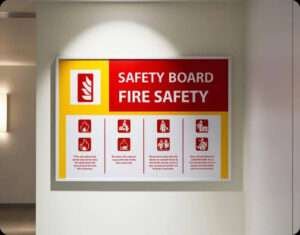
Gas cylinder safety should be part of a broader fire and workplace safety programme.
Homes, restaurants, factories, and commercial buildings should consider the risks associated with their gas installations and arrange suitable protective measures.
A complete safety plan may include:
Risk assessment: Identify potential gas-related and fire-related hazards.
Suitable equipment: Select appropriate cylinders, connections, and protective equipment.
Gas detection: Assess whether gas detectors are required and determine their appropriate type and location.
Fire detection: Install suitable fire alarm equipment according to the building’s requirements.
Emergency arrangements: Establish clear procedures for reporting hazards and evacuating occupants.
Professional maintenance: Arrange appropriate inspections and servicing.
Employee awareness: Provide training relevant to the workplace and its activities.
Documentation: Maintain records of inspections, maintenance, and safety procedures.
For organisations looking for a fire alarm system in Pakistan, it is important to select equipment that matches the building’s actual fire risks and applicable safety requirements.
A professionally planned safety programme can help reduce avoidable hazards and improve preparedness.
Conclusion
Gas cylinder safety begins long before a cylinder is connected to an appliance or used in a workplace. It starts with selecting an appropriate product, purchasing from a reliable supplier, checking identification and inspection information, and understanding the requirements associated with storage and maintenance.
Consumers and businesses across Pakistan should never compromise on cylinder quality or ignore basic safety responsibilities. Damaged equipment, unsuitable storage, poor maintenance, and a lack of awareness can create serious hazards.
A responsible approach includes professional inspections, suitable gas detection, appropriate fire protection, employee training, and clear emergency procedures.
A fire alarm system in Pakistan can form an important part of a wider building protection strategy, but it should not be confused with specialised gas detection equipment.
Ultimately, buying a gas cylinder is not simply a purchasing decision. It is a safety responsibility that continues throughout the product’s service life. Making informed choices and following appropriate precautions can help protect people, property, and everyday operations.
Frequently Asked Questions (FAQs)
1. What should I check before buying a gas cylinder?
Check the supplier’s reputation, manufacturer identification, applicable safety certifications, inspection records, physical condition, valve compatibility, and suitability for the intended application. Avoid cylinders with unclear markings or visible damage.
2. How can I identify a possible gas cylinder leak?
A noticeable gas odour, unusual hissing sound, or gas detector warning may indicate a possible leak. Treat the situation seriously, avoid ignition sources and electrical switches, move people away, and contact qualified assistance from a safe location.
3. Where should gas cylinders be stored?
Gas cylinders should be kept in designated storage areas that meet the requirements for the specific gas. Appropriate arrangements should consider ventilation, temperature, physical protection, access control, and separation from incompatible materials.
4. Why is professional gas cylinder inspection important?
Professional inspection helps identify damage, corrosion, valve problems, and other conditions that may affect cylinder safety. Cylinders should undergo required inspection and testing according to applicable standards and regulations.
5. Is a fire alarm system enough to detect gas leakage?
No. A standard fire alarm system detects recognised signs of fire, such as smoke or heat, while gas detectors identify particular gases in the surrounding environment. Depending on the building’s risk assessment, both systems may be required for a more complete safety arrangement.