Fire safety is an essential part of protecting homes, offices, factories, warehouses, commercial buildings, and public spaces. Fires can occur unexpectedly and may cause serious damage to property, business operations, and human life. Having suitable fire protection equipment available is therefore an important responsibility for property owners, business managers, and individuals.
Among the most widely recognised fire protection tools are fire extinguishers. These portable devices are designed to control certain types of fires when used appropriately by trained individuals. However, not all extinguishers are suitable for every fire. Different materials burn in different ways, which means selecting the correct extinguisher is essential.
In Pakistan, fire extinguishers are used in residential buildings, shopping centres, hospitals, educational institutions, restaurants, industrial facilities, and many other locations. Understanding the different types can help people make informed decisions about workplace and property safety.
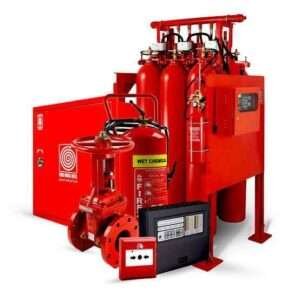
Fire protection also involves more than keeping extinguishers on the premises. A complete safety arrangement may include fire detection equipment, emergency exits, warning systems, employee training, and regular inspections. A suitable fire alarm system in Pakistan can provide early warnings and help occupants respond to emergencies more effectively.
This guide explains the major types of fire extinguishers, their applications, important selection considerations, maintenance requirements, and the role they play in a wider fire safety programme.
1. Understanding What a Fire Extinguisher Does
A fire extinguisher is a portable safety device designed to control or extinguish certain types of fires.
Different extinguishers work through different mechanisms. Some remove heat, others separate the fire from oxygen, while certain types interrupt the chemical reaction that supports combustion.
The correct choice depends on the material involved in the fire and the extinguisher’s approved applications.
Fire extinguishers are generally classified according to the types of fires they are designed to address.
A suitable extinguisher should be selected after considering:
– The materials present in the building.
– The type of workplace or property.
– Potential fire hazards.
– Electrical equipment and machinery.
– Applicable fire safety requirements.
– Manufacturer instructions and product approval.
It is important to remember that portable extinguishers are not a replacement for evacuation procedures, professional firefighting services, or appropriate building fire protection systems.
2. Understanding Different Classes of Fire
Before choosing a fire extinguisher, it is important to understand the different categories of fire.
Fire classification systems vary between countries and standards. The following descriptions use commonly recognised international classifications, with attention to the classifications commonly encountered in Pakistan.
Class A Fires
Class A fires involve ordinary combustible materials, including:
– Wood.
– Paper.
– Cardboard.
– Fabric.
– Certain plastics.
– Other common solid materials.
These materials generally leave ash after burning.
Class B Fires
Class B fires involve flammable liquids such as:
– Petrol.
– Diesel.
– Paints.
– Solvents.
– Certain industrial liquids.
These fires require extinguishing agents specifically approved for flammable liquid hazards.
Class C Fires
In systems that use this classification, Class C refers to fires involving flammable gases.
Examples may include LPG and other combustible gases.
Gas-related emergencies require special precautions because stopping the fire without safely controlling the gas supply may create additional hazards.
Class D Fires
Class D fires involve combustible metals, including certain types of magnesium, sodium, and other reactive metals.
These fires require specialised extinguishing agents designed for the particular metal involved.
Electrical Equipment Fires
Some classification systems identify fires involving energised electrical equipment separately, while others classify them according to the material actually burning.
Suitable non-conductive extinguishing agents are important where electrical hazards are present.
Class F or Class K Fires
These fires involve cooking oils and fats, particularly in commercial kitchens.
Class F is commonly used in European and related classification systems, while Class K is used in North American systems.
Understanding these differences helps businesses avoid selecting extinguishers based on misleading or incomplete product descriptions.
3. Water Fire Extinguishers
<AsyncImage query=”red water fire extinguisher portable cylinder fire safety equipment” aspectRatio=”16:9″ width=”100%”/>Water fire extinguishers are among the traditional types of firefighting equipment.
They work mainly by reducing the temperature of burning materials. Water absorbs heat and helps cool the affected material.
Suitable Applications
Water extinguishers are generally suitable for Class A fires involving ordinary combustible materials, such as paper, wood, and cardboard.
They may be appropriate in certain offices, storage areas, and other locations where these materials are present.
Important Limitations
Water extinguishers should not be used on flammable liquid fires, combustible metal fires, or fires involving energised electrical equipment unless the specific product is expressly designed and approved for that application.
Using an unsuitable extinguishing agent can make an emergency more dangerous.
Where They May Be Used
Potential locations include:
– Offices.
– Schools.
– General storage areas.
– Certain commercial premises.
– Facilities containing ordinary combustible materials.
The final selection should always follow a professional fire risk assessment.
4. Foam Fire Extinguishers
<AsyncImage query=”portable AFFF foam fire extinguisher red cylinder black label” aspectRatio=”16:9″ width=”100%”/>Foam extinguishers are designed to control certain fires involving ordinary combustible materials and flammable liquids.
They work by forming a layer over the burning material, helping separate the fuel from oxygen. They also provide a cooling effect.
Suitable Applications
Depending on the product’s approval and rating, foam extinguishers may be suitable for:
– Class A fires.
– Certain Class B fires.
They are commonly considered for facilities where combustible materials and selected flammable liquids are present.
Important Limitations
Conventional foam extinguishers are generally not suitable for fires involving energised electrical equipment or combustible metals.
Their suitability should be checked against the manufacturer’s instructions.
Common Applications
Foam extinguishers may be considered for:
– Certain industrial premises.
– Warehouses.
– Commercial facilities.
– Storage areas containing approved flammable liquid hazards.
Businesses should also consider environmental requirements when selecting foam-based products.
5. Dry Powder Fire Extinguishers
<AsyncImage query=”ABC dry powder fire extinguisher portable red cylinder” aspectRatio=”16:9″ width=”100%”/>Dry powder extinguishers are widely used because certain formulations are suitable for several different fire categories.
ABC dry chemical powder extinguishers are commonly designed for Class A, Class B, and Class C hazards under the relevant classification system.
They interrupt the chemical reactions involved in combustion and help control the fire.
Suitable Applications
Depending on the product rating, dry powder extinguishers may be suitable for:
– Ordinary combustible materials.
– Certain flammable liquids.
– Certain flammable gas fires.
Some specialised powder extinguishers are designed for combustible metal fires.
However, metal fire powders are different from ordinary ABC powder and should never be treated as interchangeable.
Advantages
Dry powder extinguishers offer several practical benefits:
– Multiple approved fire applications.
– Availability in different sizes.
– Suitability for selected industrial environments.
– Portable designs for different premises.
Important Limitations
Powder discharge can reduce visibility and leave residue that may damage sensitive equipment.
It may also create breathing and cleanup concerns in enclosed areas.
For this reason, businesses should consider the environment and equipment present before selecting this type.
6. Carbon Dioxide (CO2) Fire Extinguishers
<AsyncImage query=”CO2 carbon dioxide fire extinguisher black discharge horn red cylinder” aspectRatio=”16:9″ width=”100%”/>Carbon dioxide extinguishers are commonly used in locations containing electrical equipment.
They discharge carbon dioxide gas, which helps suppress combustion by reducing the availability of oxygen around the fire. The discharged gas also has a cooling effect.
Suitable Applications
CO2 extinguishers are commonly selected for certain:
– Electrical equipment fires.
– Office equipment areas.
– Computer rooms.
– Electrical control areas.
– Laboratory environments.
Their suitability depends on the actual fire hazard and product rating.
Advantages
CO2 extinguishers generally do not leave the powder or foam residue associated with some other extinguisher types.
This can make them useful around certain sensitive electrical equipment.
Important Limitations
Carbon dioxide can create an oxygen-deficient atmosphere, particularly in enclosed spaces. It should therefore be used with appropriate precautions.
CO2 extinguishers are also generally less suitable for deep-seated Class A fires because the material may continue burning after the gas disperses.
They should only be used by people who understand the equipment and its limitations.
7. Wet Chemical Fire Extinguishers
<AsyncImage query=”wet chemical fire extinguisher commercial kitchen red cylinder yellow label” aspectRatio=”16:9″ width=”100%”/>Wet chemical extinguishers are specially designed for certain cooking oil and fat fires.
They are particularly important in commercial kitchens where deep-fat fryers and other cooking equipment may create specialised fire hazards.
The extinguishing agent helps cool the burning oil and creates a soapy layer through a process known as saponification.
This layer helps prevent the fire from reigniting.
Suitable Applications
Wet chemical extinguishers are generally designed for Class F or Class K cooking oil and fat fires, depending on the applicable classification and product approval.
Some products may also carry additional Class A ratings.
Common Locations
They may be appropriate for:
– Restaurants.
– Hotels.
– Commercial kitchens.
– Catering facilities.
– Food preparation businesses.
Important Limitations
Wet chemical extinguishers should only be selected and used according to their approved applications.
They are not universal firefighting devices and should not replace appropriate kitchen fire protection systems.
8. Specialised Class D Fire Extinguishers
<AsyncImage query=”Class D metal fire extinguisher specialist dry powder yellow label industrial” aspectRatio=”16:9″ width=”100%”/>Class D extinguishers are designed for fires involving combustible metals.
Certain metals can react dangerously with ordinary extinguishing agents. This makes specialised firefighting equipment necessary in facilities that process or store these materials.
Suitable Applications
Specialised metal fire extinguishers may be required in:
– Metal processing facilities.
– Certain manufacturing plants.
– Laboratories.
– Industrial workshops.
– Facilities handling combustible metal powders.
The correct extinguishing agent depends on the particular metal involved.
Important Considerations
Not every Class D extinguisher is suitable for every combustible metal.
Businesses should obtain professional guidance when selecting equipment for specialised metal hazards.
Ordinary water, foam, and general-purpose powder extinguishers should not be assumed suitable for these fires.
9. How to Choose the Right Fire Extinguisher
Selecting an appropriate fire extinguisher requires understanding the hazards present in a building.
A single type may not be sufficient for a facility containing offices, electrical equipment, storage materials, commercial kitchens, and industrial machinery.
Before making a purchase, consider the following factors.
Identify Potential Fire Hazards
Start by identifying the materials, equipment, and activities present on the premises.
A restaurant may have cooking oil hazards, while a warehouse may contain large quantities of cardboard, packaging, and other combustible materials.
Consider Building Size and Layout
The number, capacity, and positioning of extinguishers should reflect the building’s layout and applicable safety requirements.
Large premises may require several extinguishers distributed across designated locations.
Check Product Ratings
Extinguishers should carry appropriate identification and fire ratings.
Buyers should check manufacturer information and ensure that the product is approved for its intended application.
Consider User Training
Employees should understand which extinguishers are provided, what hazards they address, and when evacuation is the safer response.
Seek Professional Advice
A qualified fire safety professional can assess the premises and recommend suitable equipment based on actual risks.
10. Fire Extinguisher Comparison
The following table provides a general overview of common extinguisher types and their applications.
Extinguisher type| Typical application
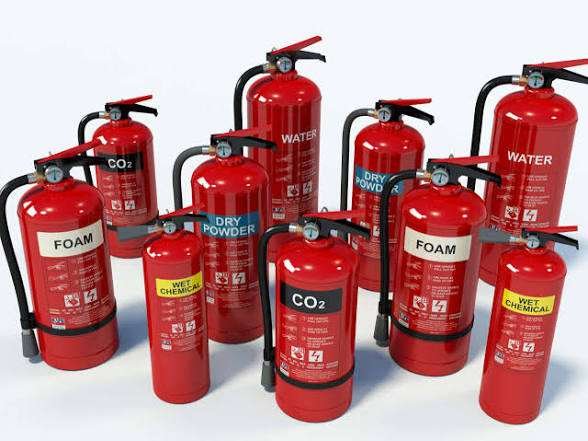
Water| Class A combustible materials
Foam| Certain Class A and B fires
ABC dry powder| Class A, B and C hazards
CO2| Certain electrical and Class B hazards
Wet chemical| Class F or K cooking oil and fat fires
Class D powder| Specific combustible metal fires
Always check the actual product label because ratings and approved applications may differ between products and standards.
11. Correct Placement of Fire Extinguishers
Having suitable extinguishers is important, but their location also matters.
Equipment should be positioned according to the building’s fire risk assessment and applicable requirements.
General considerations include:
– Keep extinguishers accessible.
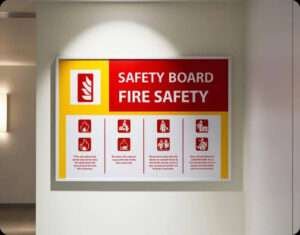
– Use appropriate identification signs.
– Avoid obstructing emergency exits.
– Consider the risks associated with individual areas.
– Ensure equipment is protected from unsuitable environmental conditions.
– Maintain access for inspection and servicing.
Employees should be familiar with the locations of relevant fire protection equipment.
Extinguishers should not be hidden behind furniture, stored materials, or machinery.
12. Fire Extinguisher Inspection and Maintenance
Fire extinguishers require regular inspection and maintenance to remain suitable for use.
A cylinder may appear acceptable from the outside but still have an issue that affects its performance.
A suitable maintenance programme should follow the manufacturer’s instructions and applicable local requirements.
Important inspection considerations include:
Physical condition: Check for visible damage, corrosion, or deterioration.
Pressure indication: Where fitted, confirm that the pressure indicator is within the manufacturer’s specified range.
Safety components: Ensure that relevant safety seals and components are in suitable condition.
Identification: Confirm that the extinguisher’s label and operating information are readable.
Inspection records: Maintain documentation of inspections and professional servicing.
Any extinguisher that is damaged, discharged, or otherwise unsuitable should be assessed by an authorised service provider.
13. Employee Training and Fire Safety Awareness
Fire extinguishers are useful only when people understand their purpose and limitations.
Businesses should provide appropriate fire safety training so employees can recognise hazards and respond responsibly.
Training should cover:
– Different classes of fire.
– Types of available extinguishers.
– Fire alarm procedures.
– Emergency exit locations.
– Evacuation arrangements.
– Reporting procedures.
– Situations requiring immediate evacuation.
Employees should never be pressured to fight a fire.
If a fire is spreading, smoke is increasing, or an escape route is threatened, occupants should leave the building and contact emergency services.
Training should emphasise that personal safety always comes first.
14. The Role of Fire Alarm Systems in Building Safety
Fire extinguishers are only one part of a complete fire protection strategy.
A building also needs an appropriate method of detecting emergencies and warning occupants.
Fire alarm systems can identify recognised signs of fire through suitable detection devices and communicate warnings through audible or visual notification equipment.
A suitable fire alarm system in Pakistan may include:
– Smoke detectors.
– Heat detectors.
– Manual call points.
– Alarm control panels.
– Sounders and warning devices.
– Visual notification equipment.
– Backup power arrangements.
The exact design depends on the building’s size, use, occupancy, and fire risks.
For example, a warehouse may require different detection arrangements from a restaurant, hospital, school, or residential building.
Businesses should arrange professional assessments before selecting equipment.
It is also important to distinguish between fire detection systems and gas detection systems because they perform different functions.
15. Common Fire Extinguisher Mistakes to Avoid
Some common mistakes can reduce the effectiveness of fire protection equipment.
Businesses and property owners should avoid:
– Selecting extinguishers without assessing fire hazards.
– Using unsuitable extinguishing agents.
– Ignoring manufacturer instructions.
– Purchasing products without checking their ratings.
– Allowing equipment to become inaccessible.
– Neglecting maintenance and inspection.
– Failing to train employees.
– Treating extinguishers as a replacement for evacuation plans.
Avoiding these problems requires proper equipment selection, professional maintenance, and regular safety awareness.
16. Why Quality Fire Extinguishers Are a Worthwhile Investment
Investing in suitable firefighting equipment helps organisations prepare for potential emergencies.
Quality equipment, when correctly selected and maintained, supports a wider safety programme.
The benefits include:
Improved workplace safety: Suitable equipment helps organisations address identified fire hazards.
Protection of property: Appropriate fire protection arrangements support efforts to reduce potential property damage.
Business continuity: Better emergency preparedness can help organisations manage disruption.
Employee confidence: Workers are more likely to understand their responsibilities when safety arrangements are clearly established.
Regulatory preparedness: Proper equipment selection and maintenance help businesses address applicable fire safety obligations.
Fire protection should be viewed as an ongoing responsibility rather than a one-time purchase.
Conclusion
Understanding the different types of fire extinguishers is an important step towards creating safer homes, workplaces, and commercial buildings. Water, foam, dry powder, carbon dioxide, wet chemical, and specialised Class D extinguishers each serve different purposes.
The correct selection depends on the materials present, building activities, equipment, and applicable safety requirements. Choosing an unsuitable extinguisher can create additional hazards, which is why professional advice and product documentation are important.
In Pakistan, businesses and property owners should consider fire extinguishers as part of a complete fire protectio