Fire safety is an important life skill that every child should learn from an early age. Apartments are common residential spaces in cities across Pakistan, where families live in multi-storey buildings with shared corridors, staircases, lifts, parking areas, and other communal facilities. Although apartment living offers convenience, it also creates certain fire safety challenges that families should understand.
Children are naturally curious and may not always recognise dangerous situations involving electrical appliances, kitchen equipment, heating devices, or other household items. Without proper guidance, they may not know how to respond when a smoke alarm sounds or when an emergency occurs.
Teaching children about apartment fire safety does not mean frightening them. Instead, parents and guardians should provide simple, age-appropriate information that helps children recognise hazards, understand emergency warnings, and follow safe instructions.
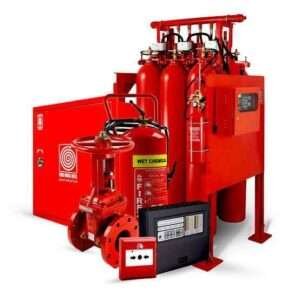
In Pakistan, apartment buildings may contain different types of fire protection equipment, including extinguishers, smoke detectors, emergency lighting, and alarm systems. Families should understand how these facilities support building safety and why they must never be ignored.
A suitable fire alarm system in Pakistan can help provide early warnings during emergencies. However, equipment alone cannot guarantee safety. Children also need to know where to go, whom to contact, and how to follow their family’s emergency plan.
This guide explains practical ways to teach children about apartment fire safety, common household hazards, evacuation awareness, and the importance of building a safer home environment.
1. Explain Why Fire Safety Matters
The first step in teaching children about fire safety is explaining why it is important.
Children should understand that fire can be useful when managed by responsible adults, but an uncontrolled fire is dangerous. The explanation should be simple and suitable for their age.
Parents can introduce basic safety rules through everyday conversations.
For example, children should learn that:
– Fire is not a toy.
– Matches and lighters are only for responsible adults.
– Kitchen appliances should not be touched without permission.
– Smoke alarms are warning devices.
– Emergency exits must remain accessible.
– Adults should be informed about unusual smells, smoke, or other hazards.
Avoid using frightening stories or complicated explanations. Children learn better when safety information is presented calmly and repeated regularly.
The objective is to develop awareness and confidence rather than fear.
2. Teach Children to Recognise Common Apartment Fire Hazards
Apartments contain several areas where fire-related hazards may develop.
Children do not need to understand technical details, but they should recognise situations that require adult attention.
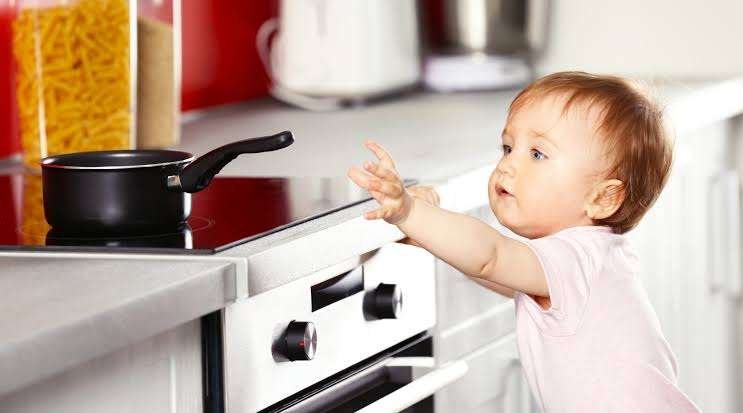
Kitchen Safety
The kitchen contains cooking appliances, hot surfaces, electrical equipment, and other potential hazards.
Children should understand that cooking areas are not playgrounds.
Teach them to:
– Stay away from cooking appliances.
– Never touch hot pots or pans.
– Avoid playing near cooking areas.
– Keep away from matches and lighters.
– Inform an adult if they notice an unusual smell or smoke.
Parents should supervise children whenever cooking activities take place.
Electrical Safety
Electrical equipment is found throughout modern apartments.
Televisions, chargers, fans, refrigerators, air conditioners, and other appliances require responsible use.
Children should learn not to:
– Put objects into electrical sockets.
– Touch damaged electrical cables.
– Play with electrical switches.
– Handle electrical appliances with wet hands.
– Overload electrical outlets.
Parents should arrange professional repairs whenever electrical equipment appears damaged.
Heating Equipment
Portable heaters and other heating devices may be used during colder months in parts of Pakistan.
Children should understand that these devices can become hot and must not be touched or covered.
Adults should follow manufacturer instructions and maintain appropriate clearances around heating equipment.
Balcony and Storage Areas
Balconies, storage rooms, and utility areas may contain household materials and equipment.
Children should not play near stored chemicals, fuel containers, electrical installations, or other potentially hazardous items.
Parents should keep these areas properly organised and restrict access where necessary.
3. Help Children Understand Smoke Alarms
<AsyncImage query=”modern apartment ceiling mounted smoke detector smoke alarm” aspectRatio=”16:9″ width=”100%”/>Smoke alarms are important parts of residential fire protection.
These devices are designed to detect smoke and provide warnings that alert occupants to a possible fire emergency.
Children should know what a smoke alarm looks like and understand the meaning of its warning sound.
Parents can explain three basic points:
1. A smoke alarm makes a sound when it detects smoke or when another monitored condition requires attention.
2. The sound means children should follow the family’s emergency instructions.
3. They should never ignore, cover, or play with the device.
It is also useful to explain that smoke alarms are different from ordinary household appliances.
Parents should arrange suitable installation, testing, and maintenance according to manufacturer instructions and applicable requirements.
Children should never be responsible for repairing or changing the batteries in safety equipment.
4. Explain the Importance of Fire Alarm Systems
<AsyncImage query=”apartment building fire alarm system manual call point alarm sounder wall” aspectRatio=”16:9″ width=”100%”/>Apartment buildings may have shared fire alarm systems designed to warn residents when an emergency is detected.
These systems can include smoke detectors, heat detectors, manual call points, alarm panels, sounders, and visual warning devices.
Children should understand that an alarm is a serious warning and should always be taken seriously.
Parents can explain:
– What the building’s alarm sounds like.
– Why residents must respond when it activates.
– Where the designated staircases are located.
– Why lifts should not be used during a fire evacuation.
– Why adults and emergency personnel should be followed.
A suitable fire alarm system in Pakistan can support early warning in residential buildings, but its effectiveness also depends on appropriate installation and maintenance.
Parents should ask building management about the available alarm arrangements and explain the relevant instructions to their children.
5. Create a Family Apartment Fire Escape Plan
<AsyncImage query=”family apartment fire escape evacuation plan diagram emergency exit staircase” aspectRatio=”16:9″ width=”100%”/>Every family living in an apartment should have a basic emergency plan.
Children should know how to leave their apartment safely and where to go after reaching a designated safe location.
A family evacuation plan should include:
– The main apartment exit.
– The designated emergency staircase.
– An alternative approved escape route, where available.
– The building’s assembly point.
– Emergency contact information.
– Instructions for situations when an exit is blocked.
Parents should explain the plan using simple language.
Younger children may benefit from a basic drawing showing the apartment layout and the agreed evacuation route.
The plan should also consider the needs of children who may require additional assistance.
Parents should make sure that everyone understands that personal belongings, toys, and electronic devices must never delay evacuation.
6. Teach Children Why Lifts Should Not Be Used During a Fire
Many children are familiar with using lifts in apartment buildings.
However, during a fire emergency, lifts may become unsafe because of power interruptions, smoke exposure, or other building conditions.
Children should understand that designated emergency staircases are generally the appropriate evacuation route when directed by the building’s emergency procedures.
Parents should teach children:
– Never use the lift during a fire evacuation.
– Follow designated emergency exit signs.
– Stay with responsible adults.
– Avoid entering restricted areas.
– Follow instructions from emergency personnel.
This rule should be explained calmly and repeated during family safety discussions.
Children should also know that they must not return to the apartment after leaving unless emergency personnel confirm that it is safe.
7. Teach Children to Respond to a Fire Alarm
A fire alarm can be frightening, especially for young children who have never heard one before.
Practising an appropriate response can help reduce confusion.
Parents should explain that when an alarm sounds, children must stop their activities and follow the agreed evacuation plan.
Important lessons include:
Stay calm: Listen to instructions and avoid unnecessary delays.
Tell an adult: Inform a responsible adult immediately if they notice smoke or another possible emergency.
Leave promptly: Follow the designated escape route.
Avoid collecting belongings: Toys, school bags, and other personal items can be replaced.
Go to the assembly point: Stay with family members at the agreed location.
Do not re-enter: Never return to the building until authorised emergency personnel say it is safe.
Parents should ensure that children understand these instructions through regular discussions and supervised practice.
8. Make Fire Safety Learning Age-Appropriate
Children of different ages understand safety information differently.
Parents should adjust lessons according to their children’s development and ability to follow instructions.
Teaching Young Children
Young children benefit from short, simple instructions.
Parents can teach them:
– Never play with matches.
– Stay away from kitchen appliances.
– Recognise the sound of an alarm.
– Follow a trusted adult during an emergency.
– Never hide when an alarm sounds.
Pictures, simple stories, and supervised demonstrations can make lessons easier to understand.
Teaching Primary School Children
School-age children can learn more detailed safety information.
Parents can explain:
– Common apartment fire hazards.
– Emergency exit signs.
– The location of designated staircases.
– Family assembly points.
– Emergency contact information.
– The importance of reporting hazards.
Teaching Older Children
Older children may be able to understand apartment building safety arrangements in greater detail.
They can learn about:
– Different types of fire detection equipment.
– Building evacuation procedures.
– Emergency communication.
– Shared corridor safety.
– Fire prevention responsibilities.
– The importance of following official instructions.
However, children should never be expected to replace trained adults or emergency responders.
9. Explain the Importance of Keeping Corridors Clear
Apartment buildings often have shared corridors and staircases.
These areas are important because residents may need them during an emergency.
Unfortunately, some buildings have common spaces containing unnecessary furniture, cardboard boxes, bicycles, shoes, or other stored belongings.
Children should understand that shared emergency routes must remain clear.
Parents can teach them:
– Do not leave toys in corridors.
– Never block staircase access.
– Keep away from firefighting equipment.
– Do not play near emergency doors.
– Report blocked exits to an adult.
Building management should regularly inspect shared areas and ensure that residents follow applicable safety requirements.
10. Introduce Children to Fire Safety Equipment
<AsyncImage query=”apartment building fire extinguisher emergency equipment wall mounted fire hose cabinet” aspectRatio=”16:9″ width=”100%”/>Apartment buildings may contain different types of fire protection equipment.
Children should recognise common equipment without being encouraged to operate it.
Examples include:
Fire Extinguishers
Fire extinguishers are designed to control certain types of fires.
Children should know that extinguishers are safety equipment and not toys.
Only appropriately trained people should consider using them when conditions and emergency procedures permit.
Fire Hose Systems
Some apartment buildings have fire hose cabinets or other fixed firefighting equipment.
Children should not open or interfere with these systems.
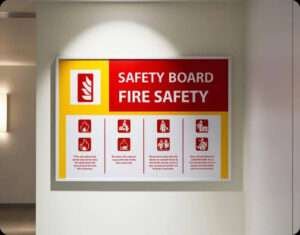
Emergency Exit Signs
Exit signs help residents identify designated escape routes.
Parents should show children the signs relevant to their apartment building.
Emergency Lighting
Emergency lighting helps provide visibility when normal lighting is unavailable.
Children should understand that these systems are part of the building’s safety arrangements.
11. Make Fire Safety Learning Interactive
Children often remember information better when learning involves simple activities.
Parents can use safe, supervised exercises to make apartment fire safety more interesting.
Some useful activities include:
Safety picture activity: Show pictures of household objects and ask children to identify which ones require adult supervision.
Exit sign recognition: Help children recognise emergency exit signs in common areas.
Family safety drawing: Ask children to draw their apartment’s agreed evacuation route.
Alarm awareness: Explain the sound of the building’s alarm without creating unnecessary fear.
Safety conversation: Discuss what children should do if they notice smoke or hear an alarm.
Emergency contact practice: Help older children learn how to communicate their location and request assistance.
These activities should remain educational. Children should never practise handling fire, operating extinguishers, or experimenting with electrical equipment.
12. Discuss the Dangers of Smoke
Children should understand that smoke can make a fire emergency particularly dangerous.
Smoke can reduce visibility and affect breathing.
Explain that smoke should never be treated as something harmless to explore.
Children should learn to:
– Stay away from smoke.
– Follow the designated evacuation route.
– Listen to adult instructions.
– Never hide in cupboards or under furniture.
– Avoid returning to collect belongings.
– Inform an adult immediately if they notice smoke.
If smoke affects an escape route, children should follow the building’s emergency instructions and seek help from responsible adults or emergency personnel.
Parents should never ask children to investigate the source of smoke.
13. Work With Apartment Building Management
Apartment fire safety is a shared responsibility.
Individual families can teach children important habits, but building management must also maintain suitable common safety arrangements.
Parents and residents should understand the building’s emergency procedures and raise concerns when safety facilities appear damaged or inaccessible.
Important management responsibilities may include:
– Maintaining fire alarm systems.
– Keeping emergency exits accessible.
– Inspecting shared firefighting equipment.
– Maintaining emergency lighting.
– Displaying suitable exit signs.
– Organising building safety awareness activities.
– Communicating emergency procedures to residents.
Parents should ask building management about the location of assembly points and designated evacuation routes.
A properly maintained fire alarm system in Pakistan can help apartment residents receive timely warnings, making it an important consideration in residential building safety.
14. Common Apartment Fire Safety Mistakes Parents Should Avoid
Even safety-conscious families can overlook important details.
Some common mistakes include:
Ignoring Alarm Sounds
Children may assume that an alarm is a test or a false warning. Parents should teach them to treat every alarm as serious unless authorised personnel communicate otherwise.
Leaving Electrical Equipment Unchecked
Damaged cables and faulty appliances can create unnecessary hazards. Adults should arrange suitable inspections and repairs.
Blocking Emergency Routes
Shoes, furniture, and storage items should not obstruct shared corridors or staircases.
Failing to Discuss Emergency Plans
Children may become confused if they have never discussed what to do during an emergency.
Allowing Children to Play With Safety Equipment
Extinguishers, alarm call points, detectors, and other protective equipment should never become play objects.
Relying Only on Equipment
Safety equipment is important, but families also need clear emergency instructions and regular awareness.
15. Build a Positive Fire Safety Culture at Home
Fire safety should become part of everyday family life.
Parents can develop good habits by explaining household rules, supervising potentially hazardous activities, and discussing safety during ordinary family conversations.
Children should be encouraged to ask questions when they do not understand something.
A positive safety culture includes:
– Keeping matches and lighters inaccessible to children.
– Maintaining suitable electrical equipment.
– Supervising kitchen activities.
– Keeping exits clear.
– Understanding alarm warnings.
– Following building evacuation instructions.
– Reporting possible hazards.
– Reviewing the family emergency plan.
Parents should also coordinate with schools and other caregivers so children receive consistent safety messages.
When safety education is repeated in a calm and practical way, children become more familiar with responsible behaviour.
Conclusion
Teaching kids about apartment fire safety is an important responsibility for parents, guardians, and residential building management. Children should understand common household hazards, recognise alarm warnings, stay away from dangerous equipment, and follow their family’s emergency evacuation plan.
Apartment buildings require particular attention because residents share corridors, staircases, lifts, and other facilities. Keeping these areas accessible and maintaining suitable fire protection equipment can support the safety of everyone living in the building.
Parents should introduce fire safety lessons according to their children’s ages and understanding. Simple explanations, supervised activities, and regular family discussions can help children develop responsible habits without creating unnecessary fear.
A suitable fire alarm system in Pakistan, properly maintained detection equipment, accessible emergency exits, and clear evacuation procedures all contribute to a safer residential environment.
Most importantly, children should know that their responsibility during a fire emergency is to move to safety, follow trusted adults, and never attempt to handle the emergency themselves.
Fire safety education is not a one-time conversation. It is an ongoing family responsibility that can help protect children and create safer apartment communities.
Frequently Asked Questions (FAQs)
1. At what age should children start learning about fire safety?
Children can begin learning simple fire safety rules at an early age. Parents can teach young children to stay away from matches, lighters, and cooking appliances. As they grow older, they can learn about emergency exits, alarm warnings, and family evacuation plans.
2. What should children do when a fire alarm sounds in an apartment?
Children should stop their activities, inform or follow a responsible adult, and use the designated emergency evacuation route. They should not use lifts, collect personal belongings, or return to the building until emergency personnel confirm it is safe.
3. Why are smoke alarms important in apartment buildings?
Smoke alarms help detect smoke and provide early warnings of possible fire em