- Electrical power is an essential part of modern life. Homes, offices, schools, shops, factories, hospitals, and other buildings depend on electricity for lighting, cooling, communication, appliances, computers, and many other daily needs.
At the same time, electrical problems can become a serious fire-safety concern. A short circuit may happen when electricity follows an unintended path because of damaged insulation, faulty wiring, loose connections, defective equipment, or other electrical problems. The resulting heat can damage components and, under unsafe conditions, contribute to fire.
Short circuit prevention is therefore an important part of a complete fire-safety plan in Pakistan. It involves proper electrical installation, regular inspection, responsible use of appliances, suitable protective devices, and early warning systems.
A Fire alarm system in Pakistan can also play an important role in a wider building-safety strategy by providing an early warning when a fire condition is detected. However, an alarm is only one part of safety. Preventing electrical faults in the first place is equally important.
What Is a Short Circuit?
A short circuit is an abnormal electrical condition in which current takes an unintended, low-resistance path.
Electrical systems are designed so that current travels through specific conductors and components. When insulation becomes damaged or conductors come into unwanted contact, current may travel through a different path.
This can cause excessive current and heat.
Depending on the circumstances, an electrical fault may result in:
– Damage to wiring
– Damage to electrical equipment
– Tripped protective devices
– Smoke or burning smells
– Overheating
– Electrical sparks
– Fire
Not every electrical fault causes a fire, but ignoring electrical warning signs can increase risk.
Why Short Circuit Prevention Matters
Electrical fires can develop quickly, particularly when faulty wiring is located near combustible materials.
Pakistan has a large number of residential, commercial, industrial, and institutional buildings that depend heavily on electrical equipment. Regular electrical safety is therefore an important part of protecting people and property.
The Pakistan Engineering Council includes the Building Code of Pakistan Fire Safety Provisions 2016 and the Pakistan Electric and Telecommunication Safety Code 2014 among its developed codes and standards.
Rescue 1122 also identifies fire prevention as part of its wider community-safety work and provides safety education and emergency preparedness programs.
Common Causes of Short Circuits
Short circuits can have different causes. Understanding common problems can help building owners and occupants identify hazards early.
1. Damaged Electrical Wiring
Electrical cables can deteriorate over time because of age, heat, physical damage, moisture, poor installation, or other environmental conditions.
Damaged insulation may expose conductors or reduce the protection between electrical parts.
Wiring that shows visible damage should not simply be covered or ignored. A qualified electrician should inspect the problem.
2. Loose Connections
Loose electrical connections can create resistance and heat.
Connections may become loose because of poor installation, vibration, aging, or repeated use of equipment.
Warning signs can include unusual heating, flickering lights, buzzing sounds, or repeated electrical problems.
Any suspected wiring fault should be assessed by a qualified professional rather than repaired by an untrained person.
3. Overloaded Electrical Circuits
An electrical circuit has limits.
Connecting too many high-power appliances to one circuit can place excessive demand on the system. Overloading may cause overheating and can contribute to electrical damage.
Common examples of high-demand equipment can include air conditioners, heaters, refrigerators, pumps, and other large appliances.
A qualified electrician can assess whether a building’s electrical system is suitable for its actual load.
4. Faulty Appliances
Electrical appliances can develop internal faults.
Old, damaged, poorly maintained, or defective equipment may create electrical hazards.
Users should pay attention to signs such as:
– Burning smells
– Repeated tripping
– Unusual noises
– Damaged plugs
– Damaged cables
– Excessive heat
– Flickering during operation
An appliance showing serious electrical problems should be disconnected safely if possible and assessed by a qualified professional.
5. Damaged Plugs and Cords
Power cords are often moved, bent, pulled, or placed in areas where they can be damaged.
A damaged cord may expose electrical conductors or create an unsafe connection.
Do not continue using electrical equipment simply because it still appears to work. Visible damage should be taken seriously.
Warning Signs of Electrical Problems
Early identification can help prevent a small electrical problem from becoming a larger safety issue.
Important warning signs include:
Burning Smell
A persistent burning or overheated electrical smell may indicate a problem with wiring or equipment.
Flickering Lights
Occasional flickering can have different causes, but repeated or unexplained flickering should be investigated.
Buzzing or Crackling
Unusual sounds from switches, outlets, or electrical equipment should not be ignored.
Repeated Circuit Trips
A protective device that trips repeatedly may indicate an overload, short circuit, or another electrical problem.
It should not simply be reset again and again without finding the underlying cause.
Hot Outlets or Switches
Electrical outlets, switches, plugs, and cables should not become unusually hot during normal operation.
Discoloration
Dark marks, melting, or discoloration around an outlet, plug, or switch can indicate overheating.
If any of these warning signs appear, electrical work should be handled by a qualified professional.
Use Electrical Appliances Responsibly
Everyday habits can make a difference.
Electrical appliances should be used according to their manufacturer’s instructions. Do not use equipment that is visibly damaged or has an unsuitable power cord.
Keep electrical equipment away from conditions that can damage it, including excessive moisture and physical impact.
Avoid placing cables where they can become trapped, crushed, or repeatedly damaged.
Children should never be allowed to experiment with electrical sockets, exposed wires, switches, or damaged electrical equipment.
Avoid Improvised Electrical Repairs
One of the most important principles of electrical safety is avoiding makeshift repairs.
Using unsuitable tape, wires, connectors, adapters, or other materials may hide a problem without actually correcting it.
Electrical installation and repair require appropriate knowledge and equipment.
For homes and businesses, electrical faults should be examined and repaired by qualified professionals.
This is especially important in larger buildings where electrical systems may connect to generators, backup systems, elevators, air-conditioning equipment, pumps, security systems, and fire-protection equipment.
Importance of Circuit Protection
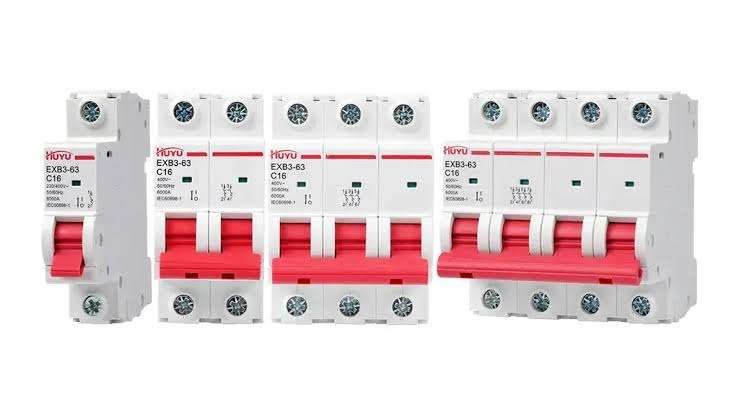
Electrical systems can include protective devices designed to disconnect power when certain fault conditions occur.
Examples include circuit breakers and other protective equipment.
The correct type, rating, installation, and maintenance of protective equipment depend on the electrical system.
A qualified electrician should determine what protection is appropriate for a particular building.
Simply installing a protective device with an unsuitable rating is not a safe substitute for proper electrical design.
Regular Electrical Inspection
Electrical systems should not only be inspected after something goes wrong.
Regular inspection can help identify problems before they become emergencies.
A professional inspection may consider:
– Wiring condition
– Distribution boards
– Circuit protection
– Switches and outlets
– Earthing arrangements
– Electrical loads
– Generator connections
– Backup power equipment
– Visible signs of overheating
– Damaged cables
– Equipment condition
The frequency and scope of inspection depend on the type, age, condition, and use of the building.
Commercial and industrial properties may require more comprehensive inspection and maintenance arrangements than ordinary residential properties.
Short Circuit Prevention in Older Buildings
Older buildings can require additional attention because electrical systems may have been installed for a much smaller electrical load.
Modern households often use multiple air conditioners, refrigerators, computers, televisions, water pumps, chargers, and other electrical equipment.
An electrical system that was adequate years ago may not automatically be suitable for today’s demand.
Instead of repeatedly adding extension cords or adapters, building owners should have the electrical system professionally assessed when electrical demand changes significantly.
Keep Electrical Areas Clear
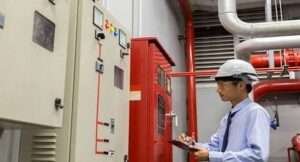
Electrical distribution boards and related equipment should remain accessible and free from unnecessary storage.
Do not place paper, cardboard, cloth, chemicals, or other combustible materials directly around electrical equipment.
Clear surroundings make inspection and maintenance easier and can reduce the amount of combustible material near potential heat sources.
Electrical rooms and service areas should be managed according to applicable building and fire-safety requirements.
Short Circuit Prevention and Fire Alarms
Prevention is the first line of defence, but early warning is also important.
A properly planned Fire alarm system in Pakistan can help provide warning when a fire condition is detected. Fire alarm systems do not prevent every electrical fault, but they can form an important part of a building’s overall fire-safety arrangement.
The Building Code of Pakistan Fire Safety Provisions 2016 includes requirements concerning fire alarm systems where necessary, while also addressing broader life-safety and fire-protection considerations.
Fire alarms should be designed, installed, tested, and maintained according to applicable requirements and manufacturer instructions.
The Pakistan Engineering Council also recognizes professional specialization covering installation, commissioning, and maintenance of fire detection, alarm, and suppression systems.
This highlights why fire alarm work should be handled by appropriately qualified professionals.
Fire Alarm Systems Are Not a Substitute for Prevention
It is important to understand the difference between prevention and detection.
Electrical safety aims to reduce the chance of an electrical fault becoming dangerous.
A fire alarm system aims to provide warning when a fire-related condition is detected.
Both are valuable, but neither replaces the other.
A building may have a modern alarm system and still have serious electrical hazards if wiring, appliances, circuits, and electrical equipment are poorly maintained.
Similarly, a well-maintained electrical system should still have appropriate fire detection and emergency planning where required.
Create an Electrical Safety Checklist
A simple checklist can help homes and businesses review their electrical environment.
Wiring
– Is there visible damage to electrical cables?
– Are cables protected from physical damage?
– Are there signs of overheating?
– Are older circuits regularly inspected?
Appliances
– Are appliances in good condition?
– Are plugs and cords undamaged?
– Are appliances used according to manufacturer instructions?
– Are faulty appliances removed from service?
Circuits
– Are circuits repeatedly tripping?
– Is the electrical load appropriate?
– Are high-demand appliances connected appropriately?
– Has the system been inspected by a qualified electrician?
Electrical Areas
– Are distribution boards accessible?
– Are combustible materials kept away?
– Are electrical rooms clean and organized?
– Are warning signs or damage investigated?
Fire Safety
– Are fire alarms maintained?
– Are occupants familiar with evacuation procedures?
– Are emergency exits accessible?
– Are fire-safety inspections and maintenance records maintained where required?
Electrical Safety During Power Outages
Power outages can create unusual electrical conditions when electricity returns.
Homes and businesses should follow safe operating procedures for their electrical equipment and backup-power systems.
Generators, UPS systems, solar installations, batteries, and other backup equipment should be installed and maintained according to their manufacturer’s requirements and applicable electrical standards.
Do not attempt to modify electrical connections during an outage unless you are qualified to do so.
If there is a burning smell, smoke, sparking, or another serious electrical warning sign, move away from the hazard and contact a qualified professional or emergency service as appropriate.
What to Do if You Notice an Electrical Fire Hazard
If you see smoke, flames, or another serious electrical emergency, personal safety should come first.
Do not approach an electrical fire to investigate it closely.
People in the affected area should follow the building’s emergency and evacuation procedures and alert others.
In Punjab, Rescue 1122 provides professional emergency services for fires and other emergencies, with 1122 listed as its emergency number.
People should not put themselves at risk by attempting to handle a serious electrical emergency without appropriate training and equipment.
Short Circuit Prevention for Offices
Offices often contain computers, printers, chargers, air conditioners, kitchen equipment, networking equipment, and other electrical devices.
Good office practices include:
– Keeping cables organized and protected
– Removing visibly damaged equipment from use
– Avoiding unnecessary overloading
– Keeping electrical areas clear
– Reporting unusual electrical smells or sounds
– Maintaining emergency lighting and fire alarms
– Conducting appropriate professional inspections
– Keeping evacuation routes clear
Employees should know who to contact when they notice an electrical safety problem.
Short Circuit Prevention for Shops and Businesses
Businesses have additional responsibilities because customers and employees may be present when an electrical emergency occurs.
Shop owners and managers should pay attention to:
– Electrical load
– Lighting systems
– Refrigeration equipment
– Signboards
– Extension connections
– Air-conditioning systems
– Backup power
– Storage around electrical equipment
– Fire detection and warning systems
Regular professional inspection becomes particularly important when a business expands or adds new electrical equipment.
Educating Families and Employees
Electrical safety is more effective when everyone understands basic warning signs.
Families can teach children not to touch damaged wires, electrical sockets, or broken appliances.
Businesses can provide employees with simple safety guidance explaining how to report electrical problems and what to do if an alarm sounds.
Rescue 1122’s Community Safety Program includes safety education, fire-safety awareness, and emergency evacuation training.
Education helps turn electrical safety from an occasional concern into an everyday habit.
Final Thoughts
Short circuit prevention is an important part of fire safety in homes, offices, shops, schools, and other buildings across Pakistan.
The best approach is prevention through proper electrical design, suitable protective equipment, professional installation, regular inspection, responsible appliance use, and timely repair of faults.
Warning signs such as burning smells, repeated circuit trips, unusual sounds, damaged cables, and overheated outlets should never be ignored.
At the same time, fire detection and emergency preparedness provide an additional layer of protection. A properly maintained Fire alarm system in Pakistan can support early warning where required, but it should work alongside good electrical practices rather than replace them.
Most importantly, electrical installation and repair should be left to qualified professionals. Preventing electrical problems before they become emergencies is one of the simplest ways to create safer homes and workplaces.
Frequently Asked Questions
1. What is the most common cause of a short circuit?
There is no single cause. Damaged wiring, faulty appliances, loose connections, insulation problems, and other electrical faults can all contribute to short circuits.
2. Can a short circuit cause a fire?
Yes. A short circuit can produce excessive current and heat. Under unsafe conditions, this heat can damage electrical components or nearby materials and contribute to fire.
3. Why does a circuit breaker keep tripping?
Repeated tripping can indicate an overload, short circuit, faulty appliance, or another electrical problem. It should not simply be reset repeatedly without identifying the underlying cause. A qualified electrician should investigate persistent problems.
4. Can a fire alarm prevent a short circuit?
No. A fire alarm system is primarily designed to provide warning when a fire condition is detected. Short circuit prevention depends on proper electrical design, installation, protective devices, maintenance, and responsible use of electrical equipment.
5. What should I do if I smell burning from an electrical outlet?
Do not ignore the smell or attempt an unqualified repair. Keep people away from the suspected hazard and arrange for a qualified electrician to inspect it. If there is smoke, fire, or an immediate emergency, follow the building’s evacuation procedure and contact the appropriate emergency service.