Shopping malls are busy public places where thousands of people may gather every day. They can contain shops, restaurants, cinemas, offices, food courts, parking areas, storage rooms, electrical equipment, escalators, elevators, and large open spaces.
Because malls can have many occupants and different types of activities under one roof, fire safety needs careful planning. A good fire-safety system is designed not only to detect a fire but also to warn people, support evacuation, control smoke, provide emergency access, and help trained responders manage an incident.
The Building Code of Pakistan includes specific provisions for covered and open mall buildings. These provisions address emergency systems, means of egress, smoke control, emergency power, emergency voice/alarm communication, and fire-department access.
Like any safety system, mall fire safety has both advantages and limitations. Understanding both sides can help building owners, managers, employees, tenants, and visitors appreciate why fire prevention and emergency preparedness are important.
What Is Mall Fire Safety?
Mall fire safety refers to the systems, building features, procedures, inspections, and practices used to reduce fire risks and protect people in shopping centres.
Depending on the building and applicable requirements, a mall’s fire-safety arrangements may include:
– Fire detection and alarm systems
– Automatic sprinkler systems
– Emergency lighting
– Exit signs
– Emergency power
– Smoke-control systems
– Firefighting equipment
– Fire department access
– Emergency communication systems
– Clearly planned escape routes
– Fire-safety inspections
– Evacuation procedures
– Staff training
– Emergency drills
The exact requirements depend on factors such as the building’s design, size, occupancy, height, use, and applicable regulations.
Pakistan Engineering Council lists the Building Code of Pakistan Fire Safety Provisions 2016 among its codes and standards. It also lists the Pakistan Electric and Telecommunication Safety Code 2014.
Pros of Mall Fire Safety
1. Provides Early Warning
One of the biggest benefits of a properly designed fire-safety system is early warning.
A fire alarm system can alert occupants when a fire-related condition is detected. Early warning gives people an opportunity to leave the affected area and follow the building’s emergency procedures.
A Fire alarm system in Pakistan can therefore be an important part of a mall’s overall life-safety strategy when required by the applicable building and fire-safety provisions.
However, alarms are only one part of the system. They work best when combined with clear evacuation routes, emergency communication, trained staff, and regular maintenance.
2. Supports Safe Evacuation
Shopping malls can contain large numbers of people who may not know the building layout.
Visitors may be unfamiliar with emergency exits, stairways, or alternative routes.
For this reason, properly planned means of egress are particularly important.
The Building Code of Pakistan’s mall provisions require covered and open mall buildings and tenant spaces to have means of egress in accordance with the applicable code.
Clearly marked exits and accessible escape routes can help reduce confusion during an emergency.
3. Helps Manage Large Crowds
A mall may contain many people at the same time.
During an emergency, crowd movement can become difficult if people do not know where to go.
Emergency communication systems can provide information and instructions to occupants.
For certain larger mall buildings, the Pakistan Building Code provisions address emergency voice/alarm communication systems and emergency power for those systems.
This can help building management communicate during an emergency instead of relying only on individual staff members.
4. Helps Control Smoke
Smoke can make an emergency more difficult because it can reduce visibility and affect the conditions along escape routes.
Some mall designs therefore include smoke-control arrangements.
The Building Code provisions specifically address smoke-control systems for atriums connecting three or more stories in covered mall buildings.
Smoke management is particularly relevant in large buildings with open spaces or multiple connected floors.
5. Protects Property
Fire safety is primarily about protecting people, but it can also help reduce property damage.
A fire that is detected early and managed through appropriate building systems may have less opportunity to spread.
Sprinkler systems, alarms, fire-resistant construction, compartmentation, and other measures can form layers of protection.
The Building Code of Pakistan Fire Safety Provisions includes requirements concerning automatic sprinkler protection for specified mercantile occupancies.
6. Supports Emergency Responders
Fire-safety planning can make it easier for professional responders to understand and access a building.
The mall provisions include requirements concerning fire-department access to equipment and identification of rooms or areas containing controls for air-conditioning or fire-protection systems.
A well-organized building can therefore provide responders with important information and access during an emergency.
7. Encourages Staff Preparedness
Fire safety is not only about equipment.
Mall employees, security personnel, maintenance teams, and management staff need to understand emergency procedures.
Training can help staff recognize alarms, communicate with visitors, keep evacuation routes clear, and coordinate with emergency responders.
Rescue 1122’s Community Safety Program includes fire-safety education, emergency preparedness, and evacuation drills.
8. Supports Regular Safety Checks
Fire-safety systems need ongoing attention.
Regular inspections can identify problems before an emergency occurs.
A mall safety program can include checks of:
– Fire alarms
– Emergency lighting
– Exit signs
– Fire doors
– Sprinklers
– Firefighting equipment
– Electrical systems
– Emergency communication systems
– Escape routes
Rescue 1122 also provides a Fire Safety Audit Form as part of its safety activities.
Cons and Limitations of Mall Fire Safety
Fire-safety systems provide important protection, but they also have limitations that building managers need to understand.
1. Installation Can Be Expensive
Large malls may require extensive fire-protection infrastructure.
Costs can include:
– Fire detection systems
– Alarm equipment
– Sprinkler systems
– Emergency lighting
– Emergency power
– Smoke-control systems
– Fire pumps
– Water storage
– Inspection
– Maintenance
– Staff training
The cost can be significant, especially in large or complex buildings.
However, the financial cost of installing and maintaining safety systems needs to be considered alongside the importance of protecting people and complying with applicable requirements.
2. Systems Need Regular Maintenance
Installing a fire alarm does not mean the building is permanently protected.
Equipment can fail, batteries can deteriorate, detectors can become contaminated, and electrical or mechanical components can develop faults.
A neglected system may not perform as intended when it is needed.
For this reason, inspection, testing, maintenance, and documentation are important parts of fire-safety management.
3. False Alarms Can Cause Confusion
Fire alarm systems can sometimes produce unwanted alarms.
Possible causes can include environmental conditions, equipment problems, maintenance issues, or other factors.
Frequent false alarms may cause occupants or staff to become less responsive to future alarms.
Mall management should investigate recurring unwanted alarms rather than simply ignoring them.
Every alarm should be treated seriously until the situation has been assessed through the building’s established procedures.
4. Human Behaviour Can Affect Safety
Even a well-designed building depends partly on people.
Visitors may:
– Ignore an alarm
– Become confused
– Follow other people instead of marked exits
– Attempt to collect belongings
– Block corridors
– Ignore staff instructions
Staff may also make mistakes if they have not received appropriate training.
This is why regular education and evacuation drills can be useful components of fire preparedness.
5. Mall Layouts Can Be Complex
Large shopping centres can have several floors, multiple entrances, parking structures, food courts, cinemas, service areas, and tenant spaces.
A visitor may not know the shortest safe route out.
Mall design therefore needs to consider the movement of occupants under emergency conditions.
The Building Code provisions address mall egress and specify requirements related to the width and arrangement of means of egress.
6. Tenants Also Have Responsibilities
A mall’s safety does not depend only on the building owner.
Individual shops may have their own electrical equipment, storage areas, kitchens, decorations, displays, and staff.
Unsafe practices inside one tenant space can affect the wider building.
Mall management and tenants should therefore coordinate on fire-safety requirements, maintenance, emergency procedures, and housekeeping.
7. Construction or Renovation Can Create Temporary Risks
Malls are frequently renovated or rearranged.
During construction, normal safety arrangements can sometimes be affected.
Temporary barriers, construction materials, changed routes, electrical work, or unavailable equipment can create additional concerns.
Renovation projects should therefore include fire-safety planning and appropriate coordination with building management and relevant authorities.
8. Backup Power Requires Planning
Large malls may depend on electrical systems for alarms, emergency communication, lighting, pumps, smoke-control equipment, and other safety-related functions.
A power failure can therefore affect multiple systems at once.
The Building Code provisions address emergency power for certain larger mall buildings and emergency voice/alarm communication systems.
Backup power must be properly designed, maintained, and tested rather than treated as an improvised solution.
The Importance of Fire Alarm Systems in Malls
A fire alarm system is one component of a layered safety approach.
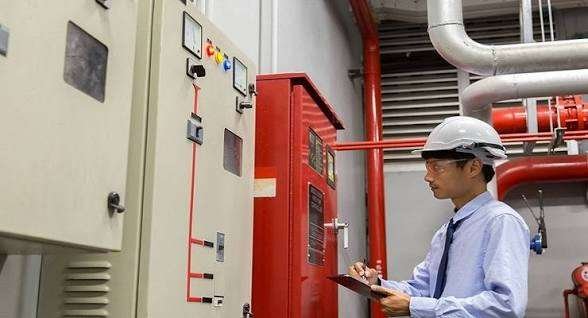
A suitable Fire alarm system in Pakistan may include detection devices, alarm notification equipment, control panels, manual activation points, and other components depending on the building’s design and applicable requirements.
The purpose is to provide warning when a fire-related condition is detected and support an organized emergency response.
However, a fire alarm should not be considered a complete fire-safety plan.
It should work together with:
– Safe building design
– Emergency exits
– Emergency lighting
– Fire protection systems
– Smoke management
– Staff training
– Emergency communication
– Regular inspections
– Evacuation procedures
Pakistan Engineering Council’s Building Code materials address fire alarm and emergency systems as part of broader building fire-safety requirements.
Fire Prevention Is Better Than Relying Only on Alarms
Detection is important, but preventing fires is equally important.
Mall management should consider common sources of fire such as:
– Electrical faults
– Kitchen equipment
– Overloaded circuits
– Poor housekeeping
– Improper storage
– Damaged electrical cables
– Maintenance activities
– Temporary electrical installations
– Combustible materials
Regular inspections can help identify hazards before they become emergencies.
Rescue 1122 identifies prevention as an important part of its community-safety mission and works on fire-safety awareness and preparedness.
Fire Safety in Mall Food Courts
Food courts can introduce additional fire-safety considerations because cooking equipment may involve heat, electricity, and other hazards.
Restaurants and food outlets should maintain equipment properly and follow applicable safety requirements.
Kitchen areas should have appropriate fire-protection arrangements based on their equipment and design.
Mall management and restaurant operators should coordinate so that individual tenant safety arrangements fit within the wider building emergency plan.
Parking Areas and Fire Safety
Mall parking areas can present different safety concerns from retail spaces.
Large parking structures may have vehicles, electrical systems, ventilation equipment, and limited natural openings.
Building design and fire-safety requirements should account for these characteristics.
Emergency routes should remain accessible, and fire-department access should not be obstructed.
Training and Evacuation Drills
People cannot always be expected to remember emergency procedures without practice.
Staff training and evacuation exercises can help employees understand:
– Alarm procedures
– Exit routes
– Communication responsibilities
– Visitor assistance
– Emergency assembly areas
– How to report hazards
Rescue 1122 states that its community-safety activities include emergency evacuation drills and safety training.
Drills should be planned carefully and conducted in a way that does not create additional risks.
A Balanced Approach to Mall Fire Safety
The advantages and limitations of mall fire safety show why no single measure is enough.
A fire alarm cannot replace safe exits.
An emergency exit cannot replace fire detection.
A sprinkler system cannot replace staff training.
Staff training cannot replace proper building design.
The strongest approach is a combination of prevention, detection, protection, evacuation, communication, maintenance, and professional emergency response.
Simple Mall Fire-Safety Checklist
Mall management can use a general checklist when reviewing fire safety:
Detection
– Are fire detection and alarm systems maintained?
– Are alarm problems investigated?
– Are required systems tested according to applicable procedures?
Evacuation
– Are exits clearly identified?
– Are escape routes free from unnecessary obstructions?
– Can visitors understand emergency instructions?
Emergency Systems
– Is emergency lighting maintained?
– Are emergency communication systems functional where required?
– Is backup power properly maintained?
Fire Protection
– Are applicable sprinkler and firefighting systems inspected?
– Is fire-department access maintained?
– Are fire-protection equipment rooms properly identified?
Staff
– Do employees know the emergency procedure?
– Are evacuation exercises conducted where appropriate?
– Can staff communicate effectively during an emergency?
Tenants
– Are shop owners aware of mall fire-safety requirements?
– Are electrical and storage practices reviewed?
– Are renovation activities coordinated with management?
What Visitors Should Know
Mall visitors also have a role in emergency preparedness.
Visitors should pay attention to exit signs and avoid blocking emergency pathways.
If a fire alarm sounds, people should follow the mall’s emergency instructions and move toward a safe exit rather than assuming the alarm is false.
People should not return to an affected area until it has been declared safe by the appropriate authorities or responsible personnel.
During an emergency, staying calm and following official instructions can help reduce confusion.
Conclusion
Mall fire safety is a combination of building design, fire detection, emergency communication, evacuation planning, fire-protection equipment, staff training, maintenance, and professional emergency response.
Its major advantages include early warning, organized evacuation, smoke management, protection of property, and better support for emergency responders. At the same time, safety systems have limitations. They can be expensive, require regular maintenance, depend partly on human behaviour, and may not work effectively if they are neglected.
For shopping malls in Pakistan, fire safety should therefore be treated as an ongoing process rather than a one-time installation.
A properly maintained Fire alarm system in Pakistan can provide an important layer of protection, but it should operate as part of a wider safety strategy.
Ultimately, effective mall fire safety depends on several layers working together: preventing hazards, detecting problems early, protecting escape routes, communicating clearly, maintaining equipment, training staff, and ensuring that emergency responders can access the building.
Frequently Asked Questions
1. Why is fire safety important in shopping malls?
Shopping malls can contain large numbers of people, multiple floors, shops, restaurants, parking areas, and complex building systems. Fire safety helps provide early warning, support evacuation, reduce risks, and assist emergency responders.
2. What are the main components of mall fire safety?
Depending on the building and applicable requirements, components may include fire alarms, detection systems, sprinklers, emergency lighting, exit signs, smoke-control systems, emergency communication, fire-department access, staff training, and evacuation procedures.
3. What are the disadvantages of mall fire-safety systems?
Major limitations can include installation and maintenance costs, equipment failures, false alarms, complex building layouts, and dependence on trained staff and occupant cooperation. These limitations make regular inspection and training important.
4. Does a fire alarm system prevent a mall fire?
No. A fire alarm primarily provides warning when a fire-related condition is detected. Fire prevention requires safe electrical systems, proper maintenance, good housekeeping, responsible storage, appropriate building design, and other preventive measures.
5. What should visitors do when a mall fire alarm sounds?
Visitors should take the alarm seriously, follow the mall’s emergency instructions, use an appropriate safe exit, and move away from the affected area. They should not return to the building until authorized personnel or emergency responders indicate that it is safe.