Power outages are common in many parts of Pakistan, especially during periods of extreme weather and high electricity demand. For homes, offices, shops, schools, hospitals, and other buildings, generators can provide temporary backup power when the normal electricity supply is unavailable.
However, generators also create important safety risks when they are installed, operated, or maintained incorrectly. These risks include fire, electric shock, fuel-related accidents, overheating, and exposure to carbon monoxide (CO).
Generator safety is therefore not only about protecting the machine. It is about protecting people, buildings, electrical systems, and emergency equipment.
A properly planned safety system should also consider alarms, emergency lighting, evacuation arrangements, and regular inspection. In buildings where a Fire alarm system in Pakistan is installed, backup power planning is especially important because essential safety systems may need reliable power during an outage.
Why Generator Safety Matters
A generator uses fuel to produce electricity. Depending on its type, it may run on diesel, petrol, natural gas, or another fuel.
Because generators combine fuel, heat, combustion, and electricity, several hazards can exist at the same time.
The main concerns include:
– Carbon monoxide exposure
– Electrical shock
– Fire caused by fuel or overheating
– Damaged electrical cables
– Generator overload
– Poor ventilation
– Improper electrical connections
– Fuel storage problems
– Water and moisture around electrical equipment
– Lack of maintenance
The Pakistan Engineering Council’s Building Code of Pakistan Fire Safety Provisions 2016 states that buildings should be constructed, equipped, maintained, and operated to provide reasonable levels of life safety and protection from fire hazards. It also emphasizes the use of approved equipment according to manufacturers’ instructions.
This makes generator safety part of a wider building-safety plan rather than an isolated issue.
1. Keep Generators Outdoors
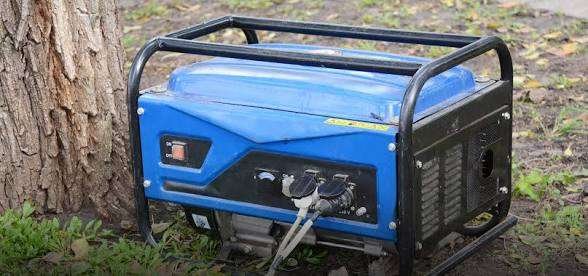
One of the most important generator-safety rules is to keep fuel-burning portable generators outside.
Generators produce carbon monoxide, a poisonous gas that cannot normally be seen or smelled. If a generator operates in an enclosed or poorly ventilated space, CO can build up and create a serious health emergency.
A garage, basement, storage room, corridor, or other enclosed area is not an appropriate place for a portable generator.
OSHA recommends using portable generators outdoors and keeping them away from doors, windows, and ventilation openings so exhaust gases cannot enter occupied areas.
Simply opening a door or window does not make an enclosed location safe.
2. Maintain Safe Clearance
A generator needs sufficient open space around it for ventilation and cooling.
Objects such as boxes, curtains, plastic materials, stored fuel, paper, clothing, and other combustible materials should not be placed close to the generator.
OSHA guidance recommends maintaining approximately 3 to 4 feet of clear space around and above a portable generator to support ventilation and cooling.
The exact installation requirements can vary according to the generator type and manufacturer’s instructions. Permanent generator installations should be designed and installed by qualified professionals.
3. Keep the Generator Dry
Electricity and water are a dangerous combination.
A generator should be protected from rain, standing water, and other sources of moisture. It should also be placed on a suitable surface according to the manufacturer’s requirements.
Avoid touching electrical components when you are wet or standing in water.
OSHA specifically advises keeping portable generators dry and not operating them in wet conditions.
For homes and businesses in Pakistan, this becomes particularly important during monsoon weather.
4. Never Overload a Generator
Every generator has a specified electrical capacity.
Connecting too many appliances can overload the generator. Overloading can cause overheating and may increase the risk of electrical or fire hazards.
Before selecting a generator, the required electrical load should be assessed properly. This includes considering important equipment such as:
– Lights
– Fans
– Refrigerators
– Computers
– Pumps
– Security systems
– Communication equipment
– Emergency systems
A qualified electrician can help determine whether the generator’s capacity is appropriate for the building.
OSHA also warns that overloaded generators can overheat and create a fire hazard.
5. Use Proper Electrical Connections
Generator electricity can be just as hazardous as electricity supplied by the normal utility network.
Improper connections can create electric-shock risks and can also cause dangerous back-feeding into electrical lines.
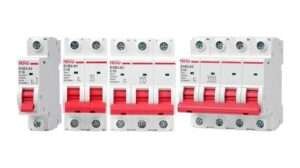
A portable generator should not be connected directly to a building’s electrical system unless a qualified electrician has installed the appropriate transfer equipment.
OSHA explains that a properly installed transfer switch is necessary when connecting a generator to a building electrical system.
This is particularly important in offices, shops, schools, factories, and larger buildings where electrical systems are more complex.
6. Inspect Cables and Connections
Electrical cables should be inspected regularly for visible damage, cuts, exposed conductors, loose connections, or other signs of deterioration.
Damaged cables should not be used.
Extension cables must also be appropriately rated for the electrical load. Using an unsuitable cable can lead to overheating and electrical hazards.
OSHA recommends using manufacturer-supplied or properly rated grounded cords and avoiding damaged or frayed extension cords.
Electrical inspection and repairs should be handled by a qualified professional.
7. Be Careful With Fuel
Fuel is one of the major fire hazards associated with generators.
Fuel should be stored only in suitable, approved containers and kept away from ignition sources and excessive heat. Storage arrangements should follow applicable local requirements and the manufacturer’s instructions.
A generator should never be treated as a place to store fuel containers, tools, boxes, or other materials.
Refueling also requires particular care. A hot generator and fuel can create a dangerous situation. The manufacturer’s instructions should always be followed, and refueling should be handled by a responsible adult or qualified person.
For younger people, the safest approach is to stay away from fuel handling and generator refueling and allow a trained adult to manage it.
8. Allow the Generator to Cool
Generators can become hot during operation.
The surrounding area should remain clear of combustible materials, and maintenance or fuel-related work should not be performed while the equipment is dangerously hot.
OSHA guidance advises shutting down a generator and allowing it to cool before refueling.
Following the manufacturer’s cooling and maintenance instructions can reduce unnecessary fire risks.
9. Carbon Monoxide Detectors Add Protection
Carbon monoxide is especially dangerous because people cannot rely on their senses to detect it.
A CO detector with an alarm can provide an additional warning where CO hazards may exist. However, a detector does not make indoor generator operation safe.
The primary protection is correct generator placement and ventilation.
OSHA recommends CO detectors with alarms in areas where a CO hazard may exist, alongside other preventive measures.
Homes and workplaces should also make sure people know what a CO alarm means and what emergency action to take.
If a CO alarm sounds, people should move to fresh air and seek appropriate emergency assistance rather than attempting to investigate the generator themselves.
10. Include Generators in the Fire Safety Plan
A generator should be included in the building’s overall fire-safety planning.
A good fire-safety plan can cover:
– Generator location
– Electrical safety
– Fuel storage
– Emergency power
– Fire alarms
– Emergency lighting
– Exit routes
– Evacuation procedures
– Maintenance schedules
– Emergency contacts
– Staff responsibilities
The Building Code of Pakistan Fire Safety Provisions 2016 places responsibilities on building owners, operators, lessees, and occupants for compliance with its safety provisions.
This means generator safety should be considered during building planning, maintenance, and emergency preparedness.
11. Protect Fire Alarm Systems During Power Outages
Power outages can create an additional concern: what happens to essential safety equipment when normal electricity is unavailable?
Fire detection and alarm systems are important parts of building safety. Emergency power planning may therefore be relevant to buildings that rely on electrically operated fire-protection equipment.
The Building Code of Pakistan includes provisions concerning emergency power and fire alarm or detection systems in applicable circumstances.
A properly designed Fire alarm system in Pakistan should be installed according to applicable requirements and manufacturer specifications.
Backup power should not be treated as an improvised connection. Qualified professionals should determine how fire alarms and other emergency systems are powered during an outage.
12. Test Safety Equipment Regularly
Installing safety equipment is only the beginning.
Fire alarms, emergency lighting, electrical protection, generators, and related systems should be inspected and maintained according to applicable requirements and manufacturer instructions.
A maintenance program can include:
– Routine visual inspections
– Professional electrical checks
– Generator servicing
– Battery checks where applicable
– Fire alarm testing
– Emergency-light testing
– Inspection of cables and connections
– Review of fuel-storage arrangements
– Documentation of maintenance
Regular records can also help building owners identify recurring problems.
13. Choose Qualified Professionals
Generator installation is not simply a matter of placing a machine outside and connecting some cables.
Permanent or building-connected generator systems may require electrical design, transfer equipment, grounding arrangements, ventilation planning, fuel considerations, and coordination with other building systems.
A qualified electrician or appropriately trained professional should handle electrical connections and installation work.
This is particularly important for commercial and larger residential buildings.
Never attempt to modify electrical systems without proper knowledge and professional supervision.
14. Generator Safety During Monsoon and Extreme Weather
Pakistan experiences different weather conditions across its regions, including intense heat, dust, heavy rain, and monsoon storms.
Extreme weather can affect generator safety.
During rainy conditions, keep the generator protected from water while maintaining the ventilation required by the equipment. Do not operate electrical equipment in standing water.
During periods of extreme heat, ventilation and clearance become even more important because the generator needs to release heat effectively.
Dust can also affect equipment over time, so maintenance should follow the manufacturer’s recommendations.
15. Teach Everyone Basic Generator Awareness
Generator safety should not depend on one person knowing what to do.
Family members, employees, school staff, and other occupants should understand basic rules:
– Do not enter a generator area without permission.
– Do not touch electrical connections.
– Do not play around the generator.
– Do not store materials beside it.
– Never operate a portable generator indoors.
– Report unusual smoke, fuel leaks, damaged cables, or strange smells to a responsible adult or qualified professional.
– Know the building’s emergency exit routes.
– Know what to do if a fire alarm or CO alarm activates.
Children and teenagers should never be responsible for operating generators, handling fuel, or repairing electrical equipment.
Common Generator Safety Mistakes
Many generator-related incidents can be linked to simple safety mistakes.
Common examples include:
Running a Generator Indoors
This can allow carbon monoxide to accumulate.
Using Damaged Cables
Damaged electrical cables can create shock and fire risks.
Overloading the Generator
Too much electrical demand can cause overheating.
Poor Fuel Storage
Fuel stored near heat or ignition sources increases fire risk.
Improper Building Connections
Connecting a generator without appropriate transfer equipment can create serious electrical hazards.
Blocking Ventilation
Placing objects around the generator can interfere with cooling and exhaust management.
Ignoring Maintenance
A generator that is not maintained may develop mechanical, fuel, or electrical problems.
Generator Safety Checklist
A simple checklist can help homes and businesses review their arrangements:
Generator location
– Is the generator outside when it is a portable fuel-burning unit?
– Is it away from doors, windows, and ventilation openings?
– Is there adequate clearance around it?
Electrical safety
– Are cables in good condition?
– Is the generator properly rated for the intended load?
– Has a qualified professional handled building connections?
Fire safety
– Is combustible material kept away?
– Is fuel stored appropriately?
– Are fire alarms and emergency systems maintained?
Carbon monoxide safety
– Is the generator kept outside?
– Are occupants aware of CO risks?
– Are CO alarms used where appropriate?
Maintenance
– Is the generator serviced according to the manufacturer’s schedule?
– Are inspections documented?
– Are problems repaired by qualified professionals?
Generator Safety and Fire Alarm Systems in Pakistan
Generators and fire alarms serve different purposes, but they can form part of the same emergency-preparedness strategy.
A generator provides backup electricity, while a fire alarm system is designed to provide an early warning of fire conditions where required.
During an electrical outage, it is important that building owners understand which safety systems require backup power and how those systems are designed to operate.
The Building Code of Pakistan Fire Safety Provisions 2016 provides a framework for fire-safety requirements, while PEC identifies the 2016 fire-safety provisions among Pakistan’s developed building codes and standards.
For a home, office, shop, school, or commercial facility, generator planning should therefore be considered alongside the wider fire and emergency safety plan.
Conclusion
Generators are valuable sources of backup electricity, but they must be treated as equipment that combines electrical, mechanical, fuel, heat, and exhaust hazards.
The safest approach is based on prevention: keep portable generators outdoors, maintain appropriate clearance, prevent water exposure, avoid overloading, use proper electrical connections, control fuel hazards, and maintain the equipment according to manufacturer requirements.
Most importantly, generator operation should not be improvised. Electrical installation, building connections, repairs, and other technical work should be handled by qualified professionals.
A complete emergency plan should also consider fire alarms, emergency lighting, evacuation routes, and other safety systems. With proper planning and regular maintenance, businesses and households in Pakistan can reduce avoidable risks while keeping essential services running during power interruptions.
Frequently Asked Questions
1. Can a portable generator be used inside a house?
No. Portable fuel-burning generators should not be operated inside homes, garages, basements, or other enclosed spaces because they can produce dangerous carbon monoxide. OSHA recommends using them outdoors and away from doors, windows, and vents.
2. Why is carbon monoxide dangerous?
Carbon monoxide is a poisonous gas that is difficult to detect without an appropriate detector. Exposure can cause symptoms such as headache, dizziness, nausea, tiredness, and confusion. Serious exposure can become life-threatening.
3. Can I connect a generator directly to my home’s electrical system?
A generator should not be connected directly to a building’s electrical system without the appropriate professionally installed transfer equipment. A qualified electrician should handle building connections.
4. How can generators create fire risks?
Fire risks can result from fuel, overheating, overloaded electrical equipment, damaged cables, or poor storage and maintenance. Keeping combustible materials away and following the manufacturer’s requirements can help reduce these risks.
5. Does a generator replace a fire alarm system?
No. A generator supplies electricity, while a fire alarm system provides fire detection and warning where required. They perform different safety functions. Backup-power arrangements for fire-safety equipment should be designed according to applicable requirements and handled by qualified professionals.