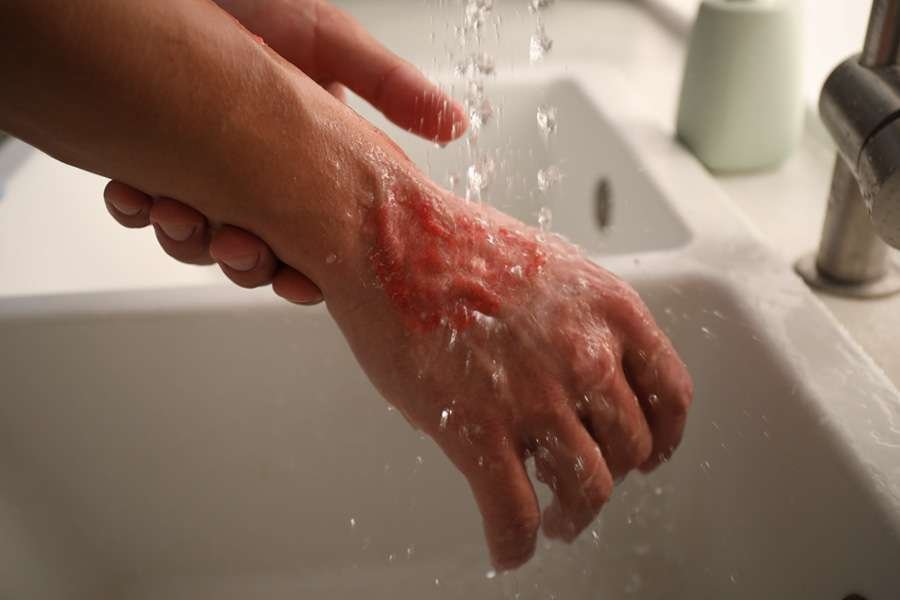
Burns can happen unexpectedly at home, at school, in a workplace, or during a fire emergency. A hot drink, steam, cooking surface, electrical equipment, chemical, or open flame can cause a burn in only a short time. Knowing basic burn first aid can help people respond calmly while arranging appropriate medical care.
The most important point is that first aid is not a replacement for professional treatment. Small burns may sometimes be managed with basic first aid, while larger, deeper, or unusual burns need medical assessment. The American Burn Association recommends cooling a burn with running water and avoiding ice, butter, oils, and other inappropriate home remedies.
For people and organizations in Pakistan, burn first aid should also be part of a wider fire-safety plan. Fire prevention, early warning, evacuation planning, emergency exits, and suitable fire protection equipment can reduce the chance of serious injuries.
1. What Is a Burn?
A burn is an injury caused when heat, chemicals, electricity, radiation, or another source damages the skin or underlying tissue.
Common causes include:
– Fire and flames
– Hot water
– Steam
– Hot cooking oil
– Hot metal or surfaces
– Electrical sources
– Certain chemicals
– Very hot objects
Burns can range from minor injuries to emergencies requiring specialized medical care.
2. What Is a Scald?
A scald is a type of burn caused by hot liquid or steam. Hot water, tea, coffee, soup, cooking liquids, and steam are common sources.
Scalds are particularly important around children because hot liquids can cause significant injury quickly. The American Burn Association identifies hot drinks, boiling water, steam, and hot bath water among common causes of scald burns.
3. Different Types of Burns
Burns can be grouped according to their cause.
Thermal Burns
These are caused by heat from flames, hot liquids, steam, or hot surfaces.
Chemical Burns
These can happen when certain chemicals come into contact with the skin or eyes. Chemical burns can be serious and require prompt attention.
Electrical Burns
Electrical injuries can occur when electricity passes through the body. Even when the skin injury appears limited, electrical injuries can require professional medical assessment.
Radiation Burns
These may result from certain forms of radiation exposure. They are less common in everyday household situations.
4. Recognizing a Minor Burn
A minor burn may involve a relatively small area and may cause redness, discomfort, swelling, or small blisters.
However, appearance alone does not always tell you how serious an injury is. If there is uncertainty about the severity, it is safer to seek medical advice.
The American Burn Association recommends medical attention for burns that are large, deep, involve certain important body areas, or result from chemical, electrical, or inhalation injuries.
5. The First Rule: Stay Safe
Before helping someone, make sure the area is safe.
If there is still an active fire, smoke, electrical danger, or chemical hazard, do not put yourself in danger to reach the injured person. Move away from danger and get adult or professional assistance.
For children and teenagers, an adult should take responsibility for emergency response whenever possible.
6. Stop the Burning Process
The first priority is to stop continued exposure to the source of the burn without creating another danger.
For example, someone should move away from a hot object or unsafe area if it can be done safely.
Do not take unnecessary risks to rescue belongings or approach an active fire.
If there is a building fire, evacuation and contacting emergency services are more important than attempting to deal with the fire yourself.
7. Cool the Burn With Running Water
For many thermal burns and scalds, cooling the affected area with cool running water is an important first-aid measure.
The NHS recommends cooling a burn under cool running water for 20 minutes as soon as possible.
The water should be cool rather than extremely cold.
The purpose is to reduce heat in the affected tissue and limit further damage.
8. Do Not Use Ice
Ice is a common home remedy, but it should not be placed directly on a burn.
The American Burn Association specifically advises against using ice for burn first aid.
Very cold materials can cause additional skin damage. Cool running water is the safer basic approach for ordinary thermal burns.
9. Remove Nearby Jewellery and Clothing Carefully
Rings, watches, bracelets, and other tight items near a burn may become difficult to remove if swelling develops.
If they can be removed easily, this should be done early.
However, clothing or material stuck to burned skin should not be pulled away. NHS guidance specifically advises not removing anything that has become stuck to the affected area.
10. Cover the Burn After Cooling
After cooling, the affected area can be protected with a clean, non-fluffy covering.
A loose covering can protect the area from dirt and unnecessary contact while the person receives further care.
Avoid tight wrapping because swelling may develop.
For significant burns, professional medical staff should determine the appropriate dressing and treatment.
11. Avoid Butter and Household Remedies
Many traditional home remedies are not appropriate for burns.
Do not apply substances such as:
– Butter
– Cooking oil
– Toothpaste
– Grease
– Unrecommended creams
– Other household mixtures
The NHS advises against using ice, butter, toothpaste, creams, gels, oils, and ointments as immediate treatment for burns and scalds.
Using inappropriate substances can make assessment and treatment more difficult.
12. Do Not Break Blisters
Some burns can produce blisters.
Do not deliberately burst or peel them. Damaging the skin can increase the risk of infection and interfere with healing.
If a blister is large, painful, damaged, or associated with a more serious burn, medical advice should be obtained.
13. When Does a Burn Need Medical Attention?
Professional medical assessment is particularly important when a burn is:
– Large or deep
– On the face
– On the hands
– On the feet
– Around major joints
– Involving sensitive areas
– Caused by electricity
– Caused by chemicals
– Associated with breathing problems or smoke exposure
– Getting worse rather than improving
The American Burn Association identifies large or deep burns and burns involving the face, hands, feet, or genital area as injuries that may require specialized care.
14. Chemical Burns Need Special Attention
Chemical burns should be treated differently from ordinary household heat burns.
A chemical may continue damaging tissue while it remains in contact with the skin. The American Burn Association recommends immediate rinsing with cool running water for chemical burns and advises against applying creams or ointments.
Because chemicals can create additional hazards, people should avoid exposing themselves to the substance while trying to help.
Emergency medical advice should be obtained for significant chemical exposure, particularly when the eyes, face, breathing, or a large area of skin is involved.
15. Electrical Burns Should Not Be Ignored
Electrical injuries can sometimes look smaller on the skin than the underlying injury actually is.
An electrical burn can therefore require professional assessment even when the visible mark does not appear severe.
Never touch someone who may still be connected to a live electrical source. Electrical hazards should be handled by appropriately trained adults or professionals.
16. Burns From Fire and Smoke
A fire can cause both burns and breathing-related injuries.
If a person has been exposed to smoke and develops breathing difficulty, confusion, severe coughing, or other concerning symptoms, emergency medical assistance is important.
A person should not remain inside a burning building simply to collect belongings or search for property.
17. Fire Alarms and Burn Prevention
The best burn injury is one that never happens. Early fire detection can give occupants more time to respond to an emergency.
A properly designed Fire alarm system in Pakistan can help provide early warning in suitable homes, businesses, schools, offices, and other buildings.
Pakistan’s Building Code framework includes fire-safety provisions covering areas such as fire alarm and detection systems, emergency response plans, and fire drills.
A fire alarm does not replace evacuation planning or professional firefighting. It is one part of a wider safety system.
18. Why Early Warning Matters
A fire can spread quickly, especially when combustible materials are present.
Early warning gives occupants an opportunity to:
– Recognize an emergency
– Alert other people
– Leave the building
– Contact emergency services
– Move toward a safe location
The exact fire alarm and detection requirements depend on the type and use of the building.
19. Keep Emergency Exits Clear
A safe building should have clearly identified and accessible escape routes.
Emergency exits should not be blocked by boxes, furniture, equipment, stored goods, or other objects.
Pakistan’s building-code framework includes provisions concerning means of egress, fire safety, and emergency systems.
People should know where the nearest safe exit is before an emergency occurs.
20. Fire Safety at Home
Many burns happen during ordinary household activities.
Important prevention areas include:
– Cooking
– Hot drinks
– Hot water
– Electrical appliances
– Heaters
– Irons
– Candles and open flames
– Chemical cleaning products
Keep hot objects away from children and avoid leaving cooking or heating equipment unattended.
21. Kitchen Burn Prevention
The kitchen is an important area for burn prevention.
Hot liquids, steam, cooking oil, cookware, ovens, and stoves can all create hazards.
Simple precautions include keeping handles and hot containers away from edges and maintaining a clear area around cooking equipment.
Children should have adult supervision around hot cooking equipment.
22. Electrical Safety
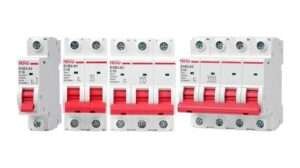
Damaged wires, overloaded connections, unsuitable electrical equipment, and poorly maintained appliances can contribute to fires and electrical injuries.
Electrical equipment should be installed, inspected, and repaired by appropriately qualified people.
Do not experiment with electrical wiring or attempt repairs that require professional knowledge.
23. Workplace Burn Safety
Workplaces may have additional burn risks from machinery, hot surfaces, chemicals, steam, welding processes, or industrial equipment.
Employers should identify hazards and provide appropriate training, protective measures, emergency procedures, and first-aid arrangements.
Workers should know how to report hazards and where emergency exits and first-aid resources are located.
24. Fire Safety in Schools
Schools should teach students basic fire prevention and emergency awareness.
Students should understand:
– What a fire alarm means
– Where to go during an evacuation
– Why they should follow teachers
– Why they should never return to a burning building
– Why fire-related emergencies should be reported immediately
Fire drills can help students become familiar with evacuation procedures.
25. Emergency Services in Pakistan
In Punjab, Rescue 1122 provides emergency services including ambulance and fire services. Its official website lists 1122 as the emergency number.
If a burn is serious or occurs during a fire emergency, appropriate emergency medical assistance should be contacted.
People should follow the instructions of emergency responders.
26. What Not to Do During a Fire Emergency
A fire emergency is not the time to experiment with firefighting techniques.
Do not delay evacuation to collect valuables.
Do not enter a smoke-filled or burning area to search for someone when doing so would place you at serious risk.
Do not use an elevator when evacuation guidance or emergency responders instruct occupants to use stairs.
The priority for ordinary occupants is to reach a safe location and allow trained emergency personnel to handle the incident.
27. Create a Family Emergency Plan
Every household can benefit from a simple emergency plan.
The plan can include:
– Primary exit routes
– Alternative exits
– A safe meeting point
– Emergency contact information
– Important medical information
– Responsibilities for adults
– Special arrangements for children or people who need assistance
Practice the plan so family members know what to do without unnecessary confusion.
28. Keep a First-Aid Kit Available
A basic first-aid kit can be useful for everyday injuries.
For burn-related emergencies, the kit should not be treated as a substitute for medical care.
Useful general supplies may include clean dressings and other standard first-aid materials suitable for minor injuries.
Check the kit regularly and replace expired or used items.
29. First Aid Should Be Simple and Calm
When someone suffers a burn, panic can make the situation harder.
A simple approach is:
Stay safe → Stop the exposure → Cool the burn → Protect the area → Get appropriate medical help.
This approach keeps attention on the most important actions instead of distracting from the emergency with unproven remedies.
30. Special Care for Children
Children need particular attention during burn emergencies.
Their skin can be more vulnerable to burns, and they may not understand the seriousness of hot objects, flames, electricity, or chemicals.
Adults should supervise children around major burn hazards and explain fire safety in simple language.
Children should also know that they should immediately tell an adult if they see smoke, flames, a damaged electrical device, or another dangerous situation.
31. Burn Prevention Is Better Than Treatment
First aid is important, but prevention is even better.
Homes and workplaces can reduce risks by:
– Keeping hot liquids away from edges
– Maintaining electrical equipment
– Storing hazardous chemicals safely
– Supervising children
– Keeping exits clear
– Maintaining fire protection equipment
– Testing suitable alarm systems
– Practicing emergency procedures
These measures create several layers of protection.
32. The Role of Fire Safety Equipment
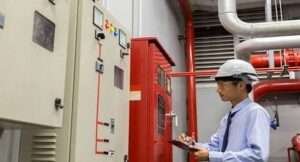
Fire safety equipment can help detect, warn about, or control fire emergencies depending on the system and building.
Examples include:
– Fire alarm systems
– Smoke detectors
– Heat detectors
– Manual alarm devices
– Emergency lighting
– Fire extinguishers
– Fire doors
– Fire detection and notification equipment
The appropriate equipment depends on building design, occupancy, hazards, and applicable requirements.
33. Regular Maintenance Matters
Installing a fire safety system is only one part of fire protection.
Equipment needs suitable inspection, testing, maintenance, and professional attention.
A poorly maintained system may not provide the expected warning during an emergency.
Building owners and managers should keep appropriate records and follow applicable safety requirements.
34. A Simple Burn First-Aid Checklist
Remember these basic points:
1. Make sure the area is safe.
2. Stop further exposure to the heat if it can be done safely.
3. Cool a thermal burn with cool running water.
4. Avoid ice.
5. Remove nearby jewellery if it can be removed safely.
6. Do not pull away material stuck to the skin.
7. Do not apply butter, toothpaste, oil, or other household remedies.
8. Do not deliberately break blisters.
9. Cover the cooled area appropriately.
10. Seek medical help when the burn is serious or you are unsure.
These principles are consistent with major burn-care guidance from organizations such as the American Burn Association and NHS.
35. Final Thoughts
Burn first aid does not need to be complicated. The most important step is to respond safely and quickly rather than relying on traditional home remedies.
For many ordinary thermal burns, cool running water is a key first-aid measure. Ice, butter, toothpaste, oils, and similar household remedies should be avoided. Serious, large, deep, chemical, electrical, or breathing-related injuries require professional medical attention.
Burn prevention should also be connected with broader fire safety. Reliable detection, clear evacuation routes, emergency planning, maintenance, and regular awareness can reduce risks in homes and buildings.
In Pakistan, organizations and property owners can also consider professional fire-safety planning and suitable alarm and detection solutions. A Fire alarm system in Pakistan should be selected according to the building’s specific risks and applicable requirements rather than treated as a one-size-fits-all product.
For informational fire-safety resources and professional solutions, businesses and property managers can explore the services and equipment information available through Fire Safety Trading.
FAQs
1. What is the first thing to do for a burn?
First, make sure the area is safe and stop further exposure to the heat if possible. For an ordinary thermal burn, cool the affected area under cool running water for about 20 minutes.
2. Should ice be put on a burn?
No. Ice should not be placed directly on a burn because it can cause additional tissue damage. Cool running water is recommended instead.
3. Can toothpaste or butter be used on a burn?
No. Toothpaste, butter, oils, and similar household remedies are not recommended for immediate burn first aid.
4. When should a burn receive medical attention?
Medical attention is particularly important for large or deep burns, burns involving the face, hands, feet, or sensitive areas, and burns caused by chemicals or electricity. Breathing problems or smoke exposure also require urgent attention.
5. What emergency number can people in Punjab use in Pakistan?
The official Punjab Emergency Service website lists 1122 as its emergency number and identifies fire and ambulance services among its functions.