Home fire safety is an important part of protecting families, property, and everyday life. A fire can begin from a cooking appliance, electrical fault, heating equipment, candle, or another household source. While no home can remove every possible fire risk, the right safety equipment and a simple emergency plan can help reduce the potential impact of a fire.
For homeowners in Pakistan, choosing fire-safety equipment should be based on the size and layout of the home, the possible fire hazards, the number of occupants, and the type of protection required. Fire alarms, smoke detectors, emergency lighting, suitable extinguishers, and other safety products can all have different purposes.
Pakistan’s Building Code framework includes dedicated fire-safety provisions, while emergency organizations such as Punjab Rescue 1122 also emphasize fire prevention, preparedness, and community safety.
This guide explains what home fire-safety products to consider, where to look for them, and what to check before purchasing.
1. Why Home Fire Safety Matters
A home contains many materials that can burn, including furniture, curtains, clothing, paper, wood, plastics, and household products. Kitchens and electrical equipment can create additional hazards.
The goal of home fire safety is not simply to buy equipment. Effective protection combines:
– Early warning
– Fire prevention
– Safe escape routes
– Appropriate equipment
– Family awareness
– Regular inspection
– Emergency planning
A single product cannot provide complete protection on its own.
2. What Home Fire Safety Equipment Is Available?
Home fire-safety products can include several categories.
Common options include:
– Smoke detectors
– Heat detectors
– Fire alarm systems
– Fire extinguishers
– Emergency lights
– Fire blankets
– Fire-resistant materials
– Exit signs where appropriate
– Alarm notification devices
The right combination depends on the property.
For example, a small residential unit may have different needs from a large house, apartment building, or property containing a home office.
3. Smoke Detectors for Early Warning
Smoke detectors are designed to detect smoke and provide an early warning.
Early warning is important because occupants may be asleep or located in another part of the house when a fire begins.
Pakistan’s Building Code of Pakistan Fire Safety Provisions includes provisions addressing smoke alarms and occupant notification.
When buying a smoke detector, homeowners should consider:
– Product quality
– Suitable certification or approval
– Power requirements
– Battery or backup arrangements
– Alarm volume
– Maintenance requirements
– Suitability for the intended room
Always follow the manufacturer’s installation and maintenance information.
4. Fire Alarm Systems for Homes
A fire alarm system can bring several detection and notification components together.
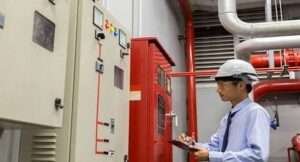
Depending on the property, a system may include detectors, manual alarm devices, a control panel, notification appliances, and backup power.
A Fire alarm system in Pakistan should be selected according to the property’s actual requirements rather than simply choosing the cheapest available option.
For larger or more complex properties, professional assessment and installation can be especially important.
5. Where Can You Buy Home Fire Safety Equipment?
Homeowners in Pakistan can look for fire-safety products through:
– Specialized fire-safety suppliers
– Professional fire-protection companies
– Building-safety equipment providers
– Authorized distributors
– Established online suppliers
– Local safety-equipment businesses
When purchasing online, check the seller’s business information, product specifications, warranty details, installation support, and after-sales service.
For systems rather than individual products, it is useful to choose a supplier that can also provide professional guidance and maintenance.
6. Why Choose a Specialized Fire-Safety Supplier?
A general hardware shop may carry basic safety products, but a specialized fire-safety supplier can provide more information about suitable equipment and system requirements.
A professional supplier may be able to assist with:
– Product selection
– System design
– Installation
– Testing
– Maintenance
– Replacement parts
– Technical support
This can be particularly useful when protecting a larger house or a property with multiple safety requirements.
7. Check the Product Specifications
Before purchasing any fire-safety product, read its specifications carefully.
Important information may include:
– Product type
– Detection method
– Power supply
– Operating conditions
– Alarm characteristics
– Installation requirements
– Maintenance instructions
– Compatibility
– Warranty
Avoid purchasing a product simply because its packaging looks attractive or its price is low.
The equipment should be appropriate for its intended purpose.
8. Consider the Size of Your Home
The size and layout of a home affect fire-safety planning.
A small apartment, single-story house, and large multi-story residence may require different approaches.
Consider:
– Number of floors
– Number of bedrooms
– Kitchen location
– Electrical equipment
– Storage areas
– Garage or workshop areas
– Number of occupants
– Older family members
– Children
– People who may need assistance during evacuation
A professional assessment can help identify areas requiring additional protection.
9. Kitchen Fire Safety
The kitchen is one of the most important areas to consider when planning home fire safety.
Cooking involves heat, electrical appliances, gas appliances, hot surfaces, and combustible materials.
Good prevention habits include:
– Keep the cooking area clear.
– Keep combustible materials away from heat sources.
– Maintain cooking equipment properly.
– Avoid leaving cooking unattended.
– Keep children away from dangerous cooking areas.
– Keep exits and pathways clear.
Different types of fires can require different forms of response, so household members should understand the safety information supplied with their equipment.
10. Electrical Fire Prevention
Electrical problems can create both fire and shock hazards.
Homeowners should pay attention to:
– Damaged cables
– Broken plugs
– Overloaded connections
– Poor-quality electrical products
– Unusual heat from appliances
– Improper repairs
– Loose electrical connections
Electrical installation and repair work should be handled by appropriately qualified professionals.
Do not attempt electrical repairs simply because a problem appears small.
11. Fire Extinguishers for Homes
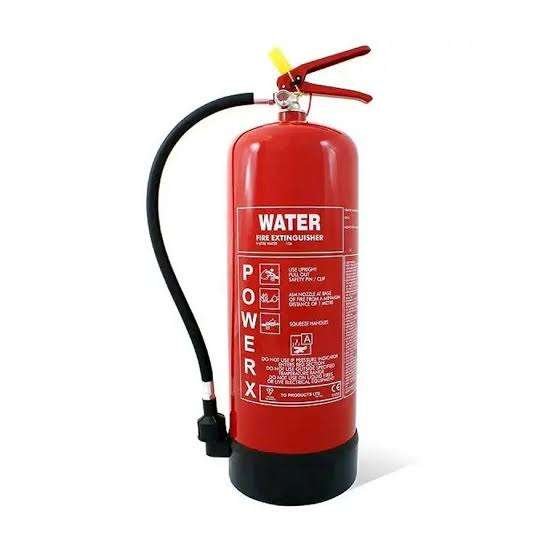
A suitable fire extinguisher can be an additional layer of protection in some homes.
However, choosing an extinguisher should involve consideration of the types of fire hazards present.
Different extinguishing agents are designed for different fire classes. A product suitable for one type of fire may not be suitable for another.
Homeowners should therefore ask a qualified fire-safety supplier about the appropriate type for their circumstances.
Extinguishers should also be maintained according to the manufacturer’s instructions and applicable requirements.
12. Fire Blankets
Fire blankets are another fire-safety product that may be considered for suitable household environments, particularly around kitchen-related risks.
Their purpose and correct use should be understood before an emergency occurs.
A fire blanket should not be treated as a replacement for an alarm system, safe evacuation, or professional emergency response.
13. Emergency Lighting
Emergency lighting can help people identify escape routes if normal electricity is unavailable during an emergency.
This is particularly relevant in larger residential buildings, shared buildings, and properties where loss of normal lighting could make evacuation difficult.
The Pakistan Engineering Council’s fire-safety framework includes provisions concerning means of egress and emergency-related building safety.
14. Keep Escape Routes Clear
Fire-safety equipment is only one part of preparedness.
Everyone in the home should be able to identify a safe way out.
Do not block:
– Stairways
– Doors
– Corridors
– Exit routes
– Windows intended for emergency escape
Furniture, boxes, shoes, stored goods, and other objects should not make escape routes difficult to use.
15. Plan More Than One Escape Route
If possible, household members should know an alternative route in case the normal exit cannot be used.
A simple family plan can identify:
1. The primary exit.
2. An alternative exit.
3. A safe outdoor meeting location.
4. Emergency contact information.
5. Responsibilities for helping younger children or people who need assistance.
Practice the plan periodically so everyone understands it.
16. Teach Children About Fire Safety
Children should learn basic fire-safety rules in simple language.
They should understand that:
– Fire is not a toy.
– Smoke and flames should be reported immediately.
– They should follow adults during an emergency.
– They should never hide during a fire.
– They should leave the building when instructed.
– They should not return inside after evacuation.
Children should never be expected to manage a fire emergency themselves.
17. Check Before Buying Online
Online shopping can make it easier to compare different products, but buyers should still verify important information.
Look for:
– Clear product specifications
– Manufacturer information
– Warranty details
– Installation guidance
– Maintenance information
– Seller contact details
– Return or replacement policies
Be cautious about products with unclear specifications or unrealistic safety claims.
18. Ask About Installation
Some fire-safety products are relatively simple, while complete alarm systems can require professional design and installation.
For a system involving several detectors, a control panel, notification devices, and backup power, professional installation can help ensure that the components work together correctly.
Ask the supplier whether installation is included or available separately.
19. Maintenance Is as Important as Installation
Buying safety equipment is not the end of the process.
Fire-safety equipment should be checked and maintained according to the manufacturer’s instructions and applicable requirements.
Maintenance may include:
– Checking alarm operation
– Inspecting equipment condition
– Replacing batteries where required
– Testing system components
– Checking backup power
– Keeping records
– Arranging professional servicing where appropriate
A neglected system may not provide the expected protection when it is needed.
20. Watch Out for False Alarms
False alarms can become a problem if equipment is unsuitable for its location or poorly maintained.
For example, household activities can sometimes affect detection devices.
Repeated false alarms should not simply be ignored. The cause should be identified and addressed appropriately.
A professional fire-safety provider can help assess system configuration and environmental factors.
21. Battery-Powered vs. Connected Systems
Some homes may use individual battery-powered smoke alarms, while larger or more complex properties may require interconnected or centralized systems.
Each approach has advantages depending on the property.
When comparing options, consider:
– Property size
– Number of floors
– Number of occupants
– Power availability
– Maintenance requirements
– Desired level of notification
– Local safety requirements
There is no single solution that fits every home.
22. Consider People Who Need Extra Assistance
Fire-safety planning should consider everyone living in the property.
Children, older adults, and people with mobility, hearing, or other limitations may require additional planning.
Pakistan’s fire-safety provisions include requirements and guidance concerning occupant notification and evacuation in relevant building situations.
Families should discuss who will help anyone who may have difficulty responding quickly to an alarm.
23. Apartment and Shared Buildings
People living in apartments should understand both their own home’s safety arrangements and the building’s wider emergency plan.
Important areas may include:
– Shared corridors
– Stairways
– Building alarms
– Emergency lighting
– Fire doors
– Assembly areas
– Building management procedures
Residents should follow the building’s official evacuation instructions.
24. High-Rise Home Safety
High-rise buildings require additional consideration because residents may be far above ground level.
Building-level fire protection can include alarm systems, protected escape routes, emergency lighting, fire doors, and other measures depending on the building’s design and applicable requirements.
Residents should learn the building’s emergency procedures rather than relying only on their own apartment’s equipment.
25. What Makes a Good Fire-Safety Supplier?
A reliable supplier should be able to explain what a product is designed to do.
Before purchasing, consider whether the supplier can provide:
– Clear technical information
– Product documentation
– Installation support
– Maintenance services
– Warranty information
– Replacement parts
– Professional advice
Avoid suppliers who cannot explain basic product specifications or make unrealistic guarantees.
26. Don’t Choose Only by Price
Price is an important consideration, but fire safety should not be treated like an ordinary decoration or household accessory.
A cheaper product may not offer the same features, reliability, documentation, or support as a suitable professional product.
Instead of asking only, “How much does it cost?” also ask:
– Is it suitable for my property?
– Is it from a reputable manufacturer?
– Can it be maintained?
– Is installation available?
– What support is provided after purchase?
27. Build a Complete Home Fire-Safety Plan
A complete plan can combine several layers:
Prevention: Reduce common fire hazards.
Detection: Use suitable smoke or heat detection.
Notification: Make sure occupants can receive warnings.
Escape: Keep routes accessible and understood.
Equipment: Maintain appropriate fire-safety equipment.
Emergency response: Know who to contact during an emergency.
This layered approach is more useful than depending on a single product.
28. Emergency Contacts in Pakistan
Families should keep important emergency numbers easily accessible.
In Punjab, the official Punjab Emergency Service website lists 1122 as the emergency number and identifies fire and rescue services among its functions.
People in other parts of Pakistan should know the appropriate local emergency services available in their area.
During a serious fire, people should prioritize getting to safety and contacting emergency responders.
29. How Fire Safety Trading Can Help
For homeowners, property managers, and businesses looking for fire-safety equipment in Pakistan, a specialized supplier can make the selection process easier.
Fire Safety Trading provides a place to explore fire-safety products and solutions, including equipment related to fire detection and protection.
When considering a Fire alarm system in Pakistan, homeowners and property managers should first understand their property’s requirements and then select suitable equipment with appropriate professional support.
The goal should always be effective protection rather than simply purchasing the largest or most expensive system.
30. A Simple Home Fire-Safety Buying Checklist
Before buying home fire-safety equipment, consider the following checklist:
– Identify the main fire hazards in your home.
– Consider the home’s size and number of floors.
– Identify sleeping areas.
– Consider kitchen-related risks.
– Check electrical equipment and wiring.
– Decide where early warning is needed.
– Choose suitable detection equipment.
– Consider whether professional installation is needed.
– Ask about maintenance.
– Check warranty information.
– Keep escape routes clear.
– Prepare a family evacuation plan.
– Teach children basic fire safety.
– Keep emergency contacts available.
– Review the plan regularly.
31. Why Professional Advice Can Be Useful
Fire-safety equipment is not always a simple one-product purchase.
A professional can consider the building layout, possible hazards, occupancy, equipment compatibility, and maintenance requirements.
This is especially useful for larger houses, apartment buildings, guest houses, home offices, and properties containing higher-risk equipment.
Professional advice can help avoid buying equipment that is unsuitable for the intended application.
32. Final Thoughts
Knowing where to buy home fire safety in Pakistan is only the first step. The more important question is what equipment your home actually needs and how it will be maintained.
Smoke detection and alarm systems can provide early warning, while appropriate fire-safety equipment, clear escape routes, family awareness, and emergency planning provide additional layers of protection.
Pakistan’s Building Code framework recognizes the importance of fire detection, occupant notification, and safe evacuation in applicable buildings.
For homeowners, the best approach is to identify household hazards, select suitable equipment, purchase from a reliable supplier, and make sure systems are properly installed and maintained.
A Fire alarm system in Pakistan should therefore be viewed as one part of a complete home fire-safety strategy rather than the only solution.
For information about fire-safety products and solutions, homeowners and property managers can explore Fire Safety Trading and seek professional guidance based on their individual building requirements.
FAQs
1. Where can I buy home fire-safety equipment in Pakistan?
Home fire-safety equipment can be purchased from specialized fire-safety suppliers, professional fire-protection companies, authorized distributors, and established online safety-equipment providers. Always check product specifications, warranty information, and after-sales support before purchasing.
2. What fire-safety equipment should a home have?
The appropriate equipment depends on the home’s size, layout, occupants, and hazards. Smoke alarms or suitable detection, appropriate fire-safety equipment, clear escape routes, and an emergency plan are important parts of household fire preparedness.
3. Is a fire alarm system useful for a house?
Yes, a suitable alarm system can provide early warning when a fire or smoke condition is detected. The correct system depends on the building and should be selected according to its specific requirements.
4. How often should home fire-safety equipment be checked?
Equipment should be checked and maintained according to the manufacturer’s instructions and applicable safety requirements. Alarm systems, batteries, extinguishers, and other equipment should not be left without regular attention.
5. What is the emergency number for fire services in Punjab?
Punjab Emergency Service, Rescue 1122, lists 1122 as its emergency number and provides fire and rescue services.