Generators can provide useful backup power when electricity is unavailable, but they also introduce important fire, electrical, fuel, and carbon monoxide risks. In Pakistan, where backup generators are used in homes, offices, shops, schools, commercial buildings, and other facilities, generator safety should be treated as an important part of an overall emergency plan.
A generator is not simply another electrical appliance. Fuel-powered generators produce exhaust, generate heat, and can create electrical hazards if they are incorrectly installed, connected, operated, or maintained. The U.S. Centers for Disease Control and Prevention (CDC) warns that portable generators produce carbon monoxide (CO), an odorless and colorless gas that can cause serious poisoning.
A complete safety plan should therefore consider more than keeping the lights on during a power outage. It should include safe generator placement, professional electrical connections, fuel management, fire prevention, ventilation, maintenance, emergency procedures, and suitable fire detection.
1. Why Generator Safety Matters
Generators are useful during power failures, but they can introduce several hazards at the same time.
Important risks include:
– Carbon monoxide exposure
– Fire
– Fuel leaks
– Electrical shock
– Overloading
– Improper connections
– Heat buildup
– Wet-weather electrical hazards
– Poor maintenance
OSHA identifies carbon monoxide, fire, electrical shock, and other hazards among the risks associated with portable generators.
Understanding these risks is the first step toward creating a safer backup-power plan.
2. Generators and Fire Risk
Fuel-powered generators contain components that become hot during operation. Fuel and other combustible materials may also be present nearby.
A fire risk can increase when:
– Fuel is stored incorrectly
– Fuel leaks occur
– The generator is placed near combustible materials
– The equipment is poorly maintained
– The generator is overloaded
– Electrical connections are damaged
– Refueling is performed while equipment is hot
Generator areas should therefore be treated as safety-sensitive locations.
3. Carbon Monoxide Is a Major Hazard
Carbon monoxide is especially dangerous because it cannot be seen or smelled.
The CDC explains that generators produce carbon monoxide and warns that the gas can cause poisoning without obvious warning.
People may not realize that CO is building up until they begin experiencing symptoms.
For this reason, generator safety is not only about preventing fire. It is also about preventing dangerous exhaust from entering occupied areas.
4. Never Use a Generator Indoors
A portable fuel-powered generator should never be operated inside a home, garage, basement, carport, or another enclosed space.
Opening doors or windows does not make indoor generator operation safe.
The CDC specifically advises keeping portable generators outdoors and away from doors, windows, and vents.
This is one of the most important generator-safety rules for homes and businesses.
5. Keep Generators Away From Openings
Generator exhaust can enter buildings through:
– Windows
– Doors
– Vents
– Air-conditioning openings
– Other openings connected to occupied areas
The CDC recommends operating generators outdoors more than 20 feet from windows, doors, and vents.
The exact setup should also follow the generator manufacturer’s instructions and applicable local requirements.
6. Never Rely on Smell to Detect Carbon Monoxide
Carbon monoxide has no reliable smell that people can use as a warning.
This makes prevention particularly important.
A household should not assume that everything is safe simply because nobody notices an unusual odor.
A suitable carbon monoxide detector can provide an additional layer of warning. The CDC recommends having a battery-powered or battery-backup CO detector in the home when using a generator.
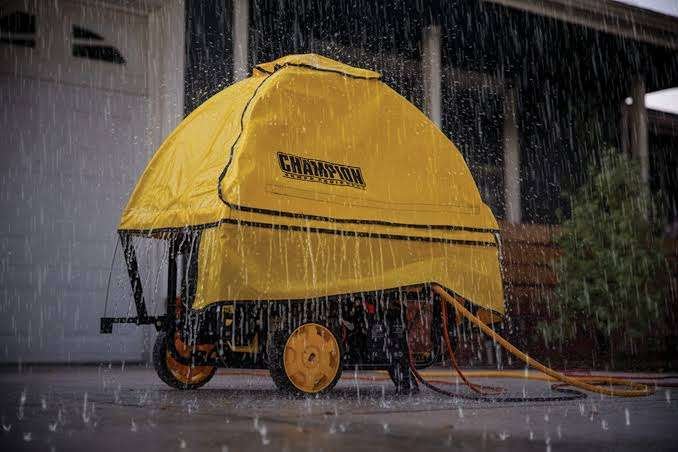
7. Keep the Generator Dry
Electricity and water are a dangerous combination.
Generators should be protected from rain and other sources of moisture while still being located in an appropriate outdoor position.
OSHA advises keeping portable generators dry and avoiding use in wet conditions.
If a generator or connected electrical equipment becomes wet, it should not simply be used as normal. A qualified professional should determine whether the equipment is safe.
8. Avoid Overloading the Generator
Every generator has a rated capacity.
Connecting more electrical equipment than the generator can safely support may cause overheating and other electrical problems.
OSHA notes that overloading a generator can cause overheating and create a fire hazard.
The appropriate electrical load should be determined using the manufacturer’s specifications and, where necessary, professional electrical advice.
9. Electrical Connections Need Professional Attention
Connecting a generator to a building’s electrical system is not a simple DIY task.
An incorrect connection can create electrical hazards and may even energize wiring that utility workers expect to be disconnected.
OSHA states that a generator should not be connected directly to a structure’s electrical system unless a qualified electrician has installed an appropriate transfer switch.
This is particularly important for permanent or standby generator installations.
10. Use Qualified Electrical Professionals
A qualified electrician can help determine:
– Appropriate generator connections
– Transfer-switch requirements
– Electrical load
– Protection devices
– Grounding requirements
– Compatibility with the building
– Safe installation arrangements
Homeowners and businesses should avoid experimenting with generator wiring.
Electrical work should be performed by appropriately qualified professionals.
11. Keep Combustible Materials Away
The generator area should not become a storage location.
Do not allow unnecessary combustible materials to accumulate around equipment.
Examples include:
– Cardboard
– Paper
– Cloth
– Wood
– Packaging
– Waste materials
– Other easily combustible items
Keeping the surrounding area organized makes inspection and maintenance easier and reduces unnecessary fire hazards.
12. Fuel Storage Requires Care
Fuel is an important part of generator safety.
Fuel should be stored according to the manufacturer’s instructions and applicable fire-safety requirements.
People should avoid storing fuel casually inside living areas or near ignition sources.
Because fuel handling can create serious fire hazards, children and teenagers should never handle generator fuel or attempt to refuel equipment.
13. Refueling Is a Safety-Sensitive Task
Refueling a hot generator can create a fire hazard.
The equipment should be shut down and allowed to cool according to the manufacturer’s instructions before refueling.
OSHA guidance specifically identifies improper refueling as a generator fire hazard.
Adults responsible for the equipment should follow the manufacturer’s instructions carefully.
14. Regular Generator Maintenance
Maintenance helps identify problems before they become emergencies.
A maintenance program may include professional checks of:
– Fuel systems
– Electrical connections
– Cables
– Engine components
– Protective devices
– Exhaust arrangements
– Battery systems
– General condition
Maintenance intervals should follow the manufacturer’s recommendations and the requirements applicable to the installation.
15. Watch for Damaged Cables
Cables and electrical connections should not be ignored if they show visible damage.
Problems such as damaged insulation, loose connections, unusual heating, or other signs of deterioration should be addressed by a qualified professional.
Do not continue using damaged electrical equipment simply because it still appears to work.
16. Generator Noise Is Also a Consideration
Generators can produce significant noise and vibration.
The equipment should be positioned and managed in a way that reduces unnecessary exposure while maintaining safe operation and ventilation.
For workplaces, additional occupational-safety considerations may apply.
A generator should not be enclosed simply to reduce noise if doing so creates dangerous exhaust or ventilation conditions.
17. Generator Safety During Power Outages
Power outages can create stressful conditions.
People may be focused on restoring electricity quickly and overlook safety precautions.
A better approach is to have a plan before an outage happens.
The plan can identify:
– Who is responsible for the generator
– Where it is located
– Who can operate it
– Which equipment requires backup power
– Where fuel is stored
– What emergency contacts are available
– What to do if smoke, fire, or an alarm occurs
Children should not be assigned responsibility for operating generators.
18. Fire Detection Is Part of the Bigger Plan
Generator safety and fire detection should be considered together.
A properly designed Fire alarm system in Pakistan can provide early warning when a fire or smoke condition is detected in a protected building.
Pakistan’s Building Code of Pakistan Fire Safety Provisions includes requirements and provisions concerning fire alarm and detection systems where applicable.
A fire alarm system does not make unsafe generator operation safe, but it can form an important part of a wider building-protection strategy.
19. Generator Rooms Need Appropriate Planning
Permanent generators may be installed in dedicated areas rather than used as portable equipment.
The design of such spaces should consider:
– Ventilation
– Exhaust
– Fuel arrangements
– Electrical protection
– Fire protection
– Access for maintenance
– Separation from occupied spaces
– Applicable building requirements
Generator-room design should be handled by appropriately qualified professionals.
20. Don’t Block Ventilation
Generators need appropriate airflow for safe operation.
Blocking ventilation can contribute to overheating and may create dangerous exhaust conditions.
A generator should never be placed in an enclosed room simply because the room appears convenient.
Professional installation should consider airflow, cooling, exhaust, and the surrounding building layout.
21. Carbon Monoxide Detectors Add Protection
A carbon monoxide detector can provide another layer of safety in occupied buildings.
The CDC recommends CO detectors in homes when generators are used.
A CO detector is not a replacement for correct generator placement. The generator must still be operated safely outdoors and away from building openings.
22. Know the Warning Signs of CO Exposure
Carbon monoxide exposure can cause symptoms such as headache, dizziness, weakness, nausea, vomiting, chest discomfort, and altered mental status.
If people in a building develop unexplained symptoms while a fuel-burning appliance or generator is operating, they should move to fresh air and seek emergency medical assistance.
Do not return to a potentially contaminated area until it has been assessed as safe.
23. Keep Fire Exits Clear
Generator equipment, fuel, cables, and other supplies should never block emergency exits.
An emergency route should remain accessible.
Pakistan’s fire-safety provisions address means of egress and building fire-safety measures, emphasizing the importance of safe movement during emergencies.
Backup power should improve safety during an outage, not create a new obstacle to evacuation.
24. Generator Safety in Homes
Residential generator planning should focus on protecting everyone in the household.
Important considerations include:
– Outdoor placement
– Distance from openings
– Carbon monoxide detection
– Electrical safety
– Fire prevention
– Professional connections
– Safe fuel management
– Regular maintenance
Children should stay away from generators, fuel containers, electrical cables, and other related equipment.
25. Generator Safety in Offices
Offices may depend on generators to maintain important systems during outages.
However, backup power should be integrated into the building’s overall emergency plan.
Office management should consider:
– Employee safety
– Fire alarms
– Emergency lighting
– Evacuation routes
– Generator location
– Maintenance
– Electrical loads
– Emergency communication
Employees should know what to do if an alarm sounds while backup power is operating.
26. Generator Safety in Shops and Commercial Buildings
Shops may have additional risks because of stored merchandise, electrical equipment, packaging, and customer movement.
Generators should be installed and maintained in appropriate areas, with suitable separation from combustible storage.
Fire detection and emergency procedures should be considered as part of the building’s overall safety arrangements.
27. Don’t Ignore Fire Alarm Maintenance
A fire alarm system is only useful when it can perform its intended function.
The Pakistan fire-safety provisions state that required fire alarm and automatic detection systems are to be installed according to applicable standards and provisions.
Maintenance and testing should therefore be included in the safety plan.
If an alarm system is under repair or otherwise impaired, building management should follow appropriate safety procedures and address the problem promptly.
28. Create an Emergency Response Plan
A generator emergency plan should explain what people should do if there is:
– Smoke
– Fire
– Fuel leakage
– Electrical failure
– Unusual equipment behavior
– Carbon monoxide alarm
– Building evacuation
Ordinary occupants should prioritize getting to a safe location and contacting appropriate emergency services rather than attempting to repair dangerous equipment during an emergency.
29. Generator Safety for Children and Teenagers
Generators are not suitable equipment for children to operate.
Children and teenagers should not:
– Refuel generators
– Connect generator wiring
– Repair electrical components
– Move heavy generator equipment
– Investigate fuel leaks
– Enter restricted generator areas
Adults and qualified professionals should handle generator-related tasks.
Young people can still contribute to safety by understanding alarms, staying away from equipment, and following evacuation instructions.
30. Choose Equipment According to the Building
There is no single fire-safety arrangement suitable for every property.
A small house may have different requirements from a factory, office, school, apartment building, or hospital.
The selection of a Fire alarm system in Pakistan should therefore consider the building’s size, occupancy, layout, hazards, and applicable requirements.
Professional assessment can help determine which detection and notification arrangements are appropriate.
31. Why Generator Safety and Fire Safety Work Together
Generator safety should not exist as a separate document that nobody uses.
It should connect with the building’s overall fire-safety plan.
For example:
Generator → electrical safety → fire prevention → detection → alarm → evacuation → emergency response
Each part supports the others.
A backup generator can maintain important electrical systems during an outage, but unsafe generator operation can introduce additional hazards. The goal is to gain the benefits of backup power without creating unnecessary risks.
32. A Generator Safety Checklist
A simple checklist can help homeowners and organizations review their arrangements:
– Generator is located outdoors when required.
– Generator is kept away from doors, windows, and vents.
– Carbon monoxide protection is considered.
– Generator is kept dry.
– Combustible materials are kept away.
– Fuel is stored appropriately.
– Electrical connections are professionally installed where required.
– Generator is not overloaded.
– Cables are in good condition.
– Maintenance is performed according to manufacturer guidance.
– Emergency exits remain clear.
– Fire detection systems are maintained.
– Household or workplace members know the emergency plan.
– Children are kept away from generator equipment.
– Emergency contacts are readily available.
33. Common Generator Safety Mistakes
Some mistakes are easy to avoid.
Common examples include:
Using a Generator Indoors
This can allow carbon monoxide to accumulate.
Placing It Near Windows
Exhaust can enter through openings.
Overloading the Equipment
Excessive load can cause overheating and create fire hazards.
Ignoring Damaged Cables
Damaged electrical equipment can create shock and fire risks.
Refueling While Hot
Fuel can ignite when exposed to hot equipment or other ignition sources.
Skipping Maintenance
Small problems can become larger safety issues when equipment is neglected.
34. Professional Support Makes a Difference
Generator safety often involves several technical areas at once: electrical systems, fuel, exhaust, ventilation, fire protection, and building safety.
Professional support can help organizations develop safer arrangements.
Electrical installation should be handled by qualified electrical professionals, while fire alarm and fire-protection work should be carried out by appropriately trained specialists.
The Pakistan Engineering Council lists the Building Code of Pakistan Fire Safety Provisions among its developed building codes and standards.
35. Final Thoughts
Your safety plan is not complete simply because a generator is available. Backup power can be valuable, but it must be combined with responsible safety planning.
The most important principles are straightforward: never operate a portable fuel-powered generator indoors, keep it away from building openings, protect it from wet conditions, avoid overloading, use qualified professionals for building electrical connections, maintain the equipment, and take carbon monoxide seriously. CDC and OSHA guidance consistently identify these areas as important parts of generator safety.
Generator safety should also connect with fire detection and emergency planning. A suitable Fire alarm system in Pakistan can form part of a wider strategy for detecting and communicating fire emergencies, while clear exits and an established evacuation plan help occupants respond appropriately.
For homes, offices, shops, and other buildings, the goal should be simple: use backup power without creating new risks. Fire Safety Trading can provide information about fire-safety equipment and solutions for properties in Pakistan, while technical installations should be assessed according to the individual building and applicable requirements.
FAQs
1. Why is generator safety important?
Generators can create several hazards, including carbon monoxide exposure, fire, electrical shock, overheating, and fuel-related risks. Safe placement, proper electrical connections, maintenance, and appropriate emergency planning can help reduce these hazards.
2. Can a portable generator be used inside a house or garage?
No. Portable fuel-powered generators should never be operated inside homes, garages, basements, carports, or other enclosed spaces. Carbon monoxide can build up to dangerous levels.
3. How far should a portable generator be from a house?
The CDC recommends keeping a portable generator outdoors more than 20 feet from windows, doors, and vents.
4. Can a generator be connected directly to a home’s electrical system?
A generator should not be directly connected to a building’s electrical system unless the appropriate equipment, such as a transfer switch, has been professionally installed by a qualified electrician. Incorrect connections can create serious electrical hazards.
5. How does a fire alarm system support generator safety?
A suitable fire alarm system can provide early warning if a fire or smoke condition occurs in a protected building. It is one part of a wider safety strategy that should also include safe generator placement,