The textile industry plays an important role in Pakistan’s economy. Textile mills support employment, manufacturing, exports, and the production of materials used in clothing, home furnishings, and many other products. These facilities often operate with large machines, electrical equipment, raw materials, chemicals, and substantial quantities of fabric. While these activities support business growth, they also create fire safety challenges that require careful management.
Textile materials such as cotton, yarn, fabric, lint, and packaging can contribute to the spread of fire when exposed to an ignition source. Electrical faults, overheated machinery, friction, poor housekeeping, and unsuitable storage arrangements can increase risks inside production areas and warehouses.
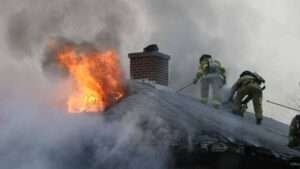
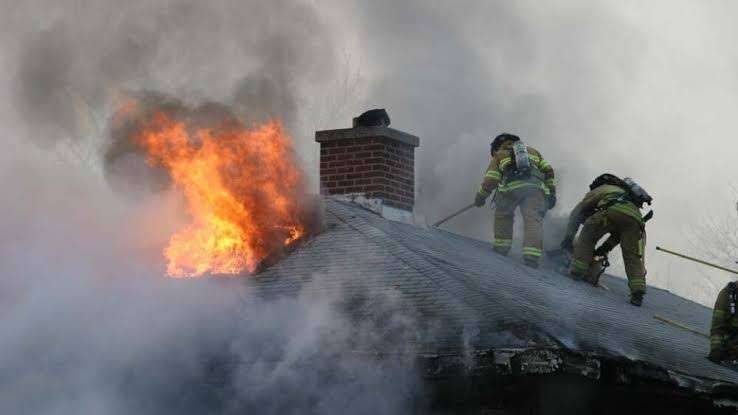
A fire at a textile mill can affect employees, damage expensive machinery, interrupt production, destroy inventory, and create serious financial difficulties. It can also affect nearby businesses and surrounding communities.
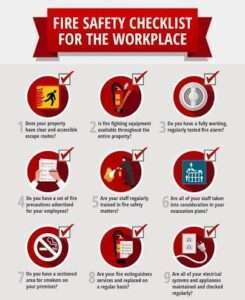
For these reasons, textile mill fire safety should be an essential part of every business’s operational plan. It is not simply about installing extinguishers or alarms. Effective fire safety requires hazard identification, preventive maintenance, employee training, suitable detection systems, clear evacuation procedures, and regular inspections.
In Pakistan, textile businesses of every size can benefit from a structured approach to fire prevention and emergency preparedness. This article explains why textile mill fire safety matters, the common hazards involved, and the practical steps businesses can take to create safer working environments.
1. Understand the Common Fire Risks in Textile Mills
Textile mills contain several materials and processes that require careful fire risk management. Understanding these hazards helps business owners and managers develop suitable safety measures.
Flammable Textile Materials
Cotton, yarn, fabric, lint, and other textile materials can burn when exposed to sufficient heat or an ignition source. Large quantities of these materials may be present in spinning, weaving, processing, finishing, and storage areas.
Loose fibres and accumulated lint also require attention because poor housekeeping can increase the amount of combustible material present in a workplace.
Electrical Equipment and Wiring
Textile mills depend on electrical power for machinery, lighting, ventilation, compressors, and other equipment. Damaged wiring, unsuitable electrical installations, overloaded circuits, and poorly maintained equipment can create fire hazards.
Electrical systems should be inspected and maintained by qualified professionals. Employees should report damaged cables, unusual smells, sparks, or repeated electrical interruptions rather than attempting repairs themselves.
Machinery and Mechanical Heat
Industrial machinery operates for extended periods and may generate heat through normal operation. Poor maintenance, excessive friction, damaged components, or unsuitable operating conditions can create additional risks.
Preventive maintenance helps identify problems before they become serious.
Dust and Lint Accumulation
Textile production can generate airborne fibres and lint. When these materials accumulate on machinery, electrical equipment, ventilation systems, or surfaces, they can increase the combustible material present in the workplace.
Appropriate industrial housekeeping and cleaning arrangements are therefore important parts of fire prevention.
2. Protect Employees and Workers
Employees are among the most important assets of any textile business. A fire emergency can place workers at risk, particularly when production areas contain machinery, stored materials, and complex movement routes.
A proper fire safety programme helps protect people by reducing hazards and preparing employees to respond appropriately.
Establish Clear Safety Responsibilities
Every textile mill should have clearly assigned fire safety responsibilities. Management should identify responsible personnel who coordinate inspections, maintenance, training, and emergency arrangements.
Employees should know whom to contact when they notice a possible fire hazard.
Provide Accessible Emergency Information
Safety instructions should be displayed in suitable locations throughout the facility. Important information may include emergency contacts, evacuation routes, assembly points, and reporting procedures.
Instructions should be understandable to the workforce and communicated in languages employees can follow.
Consider Workers Who Need Additional Assistance
Emergency planning should account for employees who may need assistance because of mobility limitations, hearing or visual impairments, temporary injuries, or other circumstances.
A suitable evacuation plan should identify how these needs will be addressed without placing workers or colleagues at unnecessary risk.
3. Install Suitable Fire Detection and Alarm Systems
Early warning is an important part of textile mill fire safety. A suitable detection and alarm arrangement can alert employees when signs of fire are identified, giving them an opportunity to follow emergency procedures.
A fire alarm system in Pakistan can support safety in textile mills, warehouses, offices, and other industrial facilities when it is properly designed, installed, and maintained.
Select a System Suitable for the Facility
Textile mills may contain spinning rooms, weaving sections, warehouses, electrical rooms, offices, and production areas. Each space may have different environmental conditions and fire risks.
The detection system should be selected through a professional fire risk assessment. Factors such as dust, airflow, ceiling height, machinery, and the materials present may affect detector selection and placement.
Use Appropriate Detection Devices
Depending on the building’s design and risk assessment, a fire alarm arrangement may include smoke detectors, heat detectors, manual call points, control panels, sounders, and visual notification devices.
The system should provide suitable coverage and alert occupants throughout the areas that require protection.
Maintain the Alarm System
Installing an alarm is not enough. The system must be inspected and serviced by qualified professionals according to the manufacturer’s instructions and applicable requirements.
Maintenance records should document inspections, faults, servicing, and completed corrective work.
Make Sure Employees Recognise Alarm Signals
Workers should understand what the alarm sounds like and what action they must take when it activates.
Training should make it clear that employees must follow evacuation instructions rather than investigating the source of an alarm themselves.
4. Maintain Electrical Systems and Machinery
Electrical and mechanical equipment are essential to textile production. Their condition can directly affect workplace safety.
A planned maintenance programme helps reduce equipment failures and identify possible hazards.
Arrange Professional Electrical Inspections
Qualified electricians should inspect electrical installations according to the building’s requirements and relevant safety guidance.
Inspections may consider wiring condition, electrical distribution equipment, protective devices, connections, and the suitability of the system for current demand.
Workers should never open electrical panels or attempt repairs unless they are appropriately qualified and authorised.
Avoid Electrical Overloading
Textile mills often operate multiple machines and electrical systems simultaneously. Adding new equipment without reviewing electrical capacity can create unsafe conditions.
Before introducing machinery, management should arrange a professional assessment of electrical requirements.
Repeated circuit breaker trips should be treated as warning signs. Protective devices must never be bypassed or repeatedly reset without investigating the underlying problem.
Follow Machinery Maintenance Schedules
Machines should be maintained according to manufacturer recommendations and the facility’s maintenance programme.
Damaged components, abnormal noise, unusual heat, and unexpected operating behaviour should be reported promptly.
Maintenance activities should be performed by authorised personnel using appropriate workplace safety procedures.
5. Maintain Good Housekeeping Throughout the Mill
Good housekeeping is a major part of fire prevention in textile facilities. Accumulated fibres, packaging materials, waste, and other combustible items can increase the amount of material available to support a fire.
An organised workplace also makes it easier for employees to identify hazards and access emergency equipment.
Remove Textile Waste Regularly
Loose cotton, yarn waste, lint, and discarded packaging should be managed through an appropriate cleaning and waste-handling programme.
Cleaning arrangements should reflect the production process and the manufacturer’s instructions for machinery and equipment.
Keep Walkways and Exits Clear
Corridors, stairways, emergency exits, and access routes should remain clear.
Materials should not be stored in front of fire doors, alarm equipment, electrical distribution areas, or emergency equipment.
Organise Storage Areas
Raw materials, finished fabrics, chemicals, and packaging should be stored in designated locations according to their characteristics and applicable safety requirements.
Storage arrangements should consider suitable separation, access for inspection, and the need to keep escape routes available.
Make Housekeeping a Shared Responsibility
Supervisors and employees should understand their responsibilities for maintaining clean work areas.
Regular workplace checks can help identify accumulated waste, blocked exits, and unsuitable storage arrangements.
6. Store Chemicals and Flammable Materials Safely
Some textile manufacturing and finishing processes use dyes, solvents, cleaning products, oils, adhesives, and other chemicals. Their fire risks depend on their properties and the way they are stored and used.
Businesses should identify the materials present and follow their safety data sheets and applicable requirements.
Identify and Label Materials
Containers should have suitable labels, and employees should understand the basic hazards associated with the products they handle.
Unlabelled or damaged containers should be reported to responsible personnel.
Use Suitable Storage Arrangements
Chemicals should be stored in designated areas that meet the requirements for the materials involved.
Storage areas should be organised, protected from unsuitable conditions, and managed by trained personnel.
Provide Employee Awareness Training
Employees who work with chemicals should receive appropriate training about safe handling, storage, spill reporting, and emergency procedures.
They should not mix unknown substances or attempt to deal with chemical incidents without the required training and equipment.
7. Provide Suitable Fire Protection Equipment
Fire protection equipment is an important part of a textile mill’s overall safety arrangements. However, different types of equipment are designed for different hazards.
A professional fire risk assessment should determine what equipment is appropriate for each part of the facility.
Select Suitable Fire Extinguishers
Textile facilities may contain ordinary combustible materials, electrical equipment, machinery, and certain chemicals. The correct extinguisher type depends on the potential fire hazards.
Extinguishers should be suitable for their intended locations, clearly accessible, and maintained according to applicable requirements.
Only trained personnel should consider using an extinguisher, and only when the fire is small, the escape route remains clear, and it is safe to do so. Employees should prioritise evacuation rather than attempting to fight a developing fire.
Maintain Fire Hydrants and Hose Reels
Depending on the facility’s design and fire protection requirements, hydrants and hose reels may form part of the building’s fire protection arrangements.
These systems require professional inspection and maintenance. Employees should receive clear instructions about their responsibilities and should not be expected to operate equipment without appropriate training.
Keep Emergency Equipment Accessible
Fire extinguishers, hydrants, alarm call points, and other emergency equipment should not be blocked by stored materials or machinery.
Equipment locations should be clearly identified so authorised personnel can find them when required.
8. Design Clear Emergency Exits and Evacuation Routes
A textile mill may have large production floors, storage areas, offices, and multiple departments. During an emergency, employees need clear and suitable routes to leave the building.
An effective evacuation plan should reflect the actual layout and occupancy of the facility.
Provide Clearly Identified Exit Routes
Emergency exits should be clearly marked and accessible. Routes should remain free from unnecessary obstacles, stored materials, and equipment.
Doors and escape routes should be maintained according to the building’s approved fire safety arrangements.
Install Suitable Emergency Lighting
Emergency lighting helps occupants identify escape routes when normal lighting is unavailable.
The system should be appropriate for the building and maintained by qualified personnel.
Establish Assembly Points
Every facility should have designated outdoor assembly points where employees can gather after evacuation.
Supervisors or assigned safety personnel should have a process for accounting for employees and reporting anyone who may be missing to emergency responders.
Display Evacuation Information
Evacuation maps and safety instructions should be displayed in suitable locations.
New employees, contractors, and visitors should receive relevant information about emergency routes and procedures before entering operational areas.
9. Train Employees and Conduct Regular Fire Drills
Equipment alone cannot provide complete protection. Employees need to understand how to recognise hazards and respond appropriately.
Training should be relevant to the facility’s operations and the responsibilities of different workers.
Provide Fire Safety Awareness Training
Employees should learn about common fire hazards, alarm signals, evacuation routes, reporting procedures, and assembly points.
Training should also explain that workers must not take unnecessary risks by investigating smoke, touching damaged electrical equipment, or attempting to fight a large fire.
Conduct Planned Fire Drills
Fire drills help employees become familiar with evacuation procedures.
Drills should be organised in a controlled and suitable manner. Management should review the results, identify any problems, and improve procedures where necessary.
Train Supervisors and Safety Personnel
Supervisors and designated safety personnel may have additional responsibilities, such as coordinating evacuation, checking assigned areas when safe and appropriate, and communicating with emergency responders.
Their training should match their actual responsibilities and should not encourage untrained firefighting.
Include Contractors and Visitors
Contractors and visitors may not know the facility’s layout. Businesses should provide suitable safety information and ensure visitors understand the basic emergency arrangements.
10. Carry Out Regular Fire Risk Assessments
A fire risk assessment helps identify hazards, evaluate the people and property that may be affected, and determine what safety improvements are necessary.
Textile mills should review their fire risks as part of an ongoing safety management programme.
Identify Potential Ignition Sources
The assessment should consider electrical systems, machinery, heating equipment, hot work activities, and other possible ignition sources.
Any work involving heat or sparks should be managed through suitable authorised procedures.
Review Combustible Materials
The quantity, location, and storage arrangements of cotton, yarn, fabric, packaging, and other combustible materials should be considered.
Housekeeping arrangements should also be reviewed.
Assess Existing Protection
The assessment should consider the suitability and condition of fire alarms, detection equipment, extinguishers, emergency lighting, exits, and other protection measures.
Review the Assessment When Conditions Change
New machinery, building extensions, production changes, and increased storage may introduce different hazards.
Management should arrange a review whenever significant changes occur rather than relying permanently on an old assessment.
11. Why Textile Mill Fire Safety Matters for Business Continuity
Fire safety protects more than buildings and equipment. It also supports business continuity and long-term operational stability.
A serious fire may interrupt production for an extended period and affect suppliers, customers, employees, and business partners.
Protect Machinery and Inventory
Textile machinery, raw materials, finished products, and warehouse stock can represent major business investments.
Preventive maintenance and appropriate fire protection help reduce the risk of severe property damage.
Reduce Production Interruptions
An emergency can affect delivery schedules, manufacturing targets, and customer commitments.
A planned fire safety programme supports more reliable operations by reducing avoidable hazards and improving emergency preparedness.
Support Employee Confidence
Workers are more likely to feel secure when management takes safety seriously.
Clear procedures, suitable equipment, and regular training demonstrate that employee wellbeing is an important business responsibility.
Strengthen Business Reputation
Customers and business partners may consider workplace safety when evaluating suppliers.
Responsible safety management supports a professional business environment and demonstrates attention to operational risks.
12. Build a Textile Mill Fire Safety Maintenance Schedule
A written maintenance schedule helps ensure that important safety activities are completed consistently.
The exact inspection frequency should depend on the equipment, manufacturer guidance, applicable requirements, and professional risk assessment.
A maintenance programme may include:
– Routine workplace housekeeping checks.
– Planned electrical inspections.
– Preventive machinery maintenance.
– Professional fire alarm servicing.
– Inspection of emergency lighting.
– Maintenance of suitable fire extinguishers.
– Review of hydrants and hose reels where installed.
– Checks of escape routes and exit signage.
– Employee fire safety training.
– Scheduled evacuation drills.
– Review of fire risk assessments.
– Maintenance record updates.
Management should assign responsibility for each activity and keep records of inspections, identified problems, and completed corrective work.
13. Choose Qualified Fire Safety Service Providers
Textile mills have different production processes, building layouts, and fire risks. Therefore, fire safety equipment and maintenance arrangements should be selected according to the facility’s specific requirements.
Businesses should work with qualified electrical and fire safety professionals who understand industrial environments.
Before selecting a service provider, management should consider relevant qualifications, experience, equipment suitability, maintenance support, and the quality of inspection records.
Professional guidance can help businesses make informed decisions about detection systems, emergency equipment, electrical safety, and evacuation arrangements.