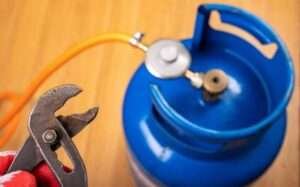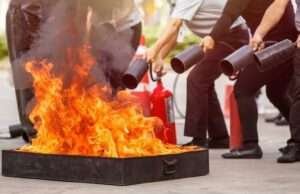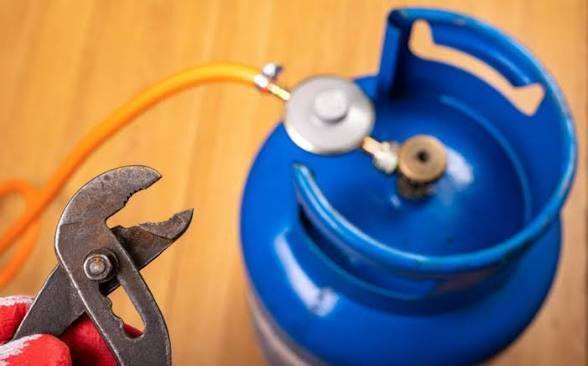
Gas cylinders are commonly used in homes, restaurants, shops, and workplaces across Pakistan. They provide fuel for cooking and other approved applications, particularly in places where piped gas is unavailable or unreliable. However, improper handling, unsuitable equipment, poor ventilation, and inadequate maintenance can create serious fire and explosion risks.
For this reason, gas cylinder safety should be a priority for every household and business that uses liquefied petroleum gas (LPG). Choosing a reputable supplier, purchasing compatible regulators and hoses, and arranging professional installation can help reduce avoidable hazards.
But where should you buy gas cylinder safety equipment in Pakistan? The answer depends on the type of equipment you need. LPG cylinders should be obtained through reputable, appropriately authorised LPG suppliers, while regulators, compatible hoses, gas leak detectors, and other safety accessories should come from reliable suppliers that can provide product documentation and after-sales support.
This guide explains where to look for gas cylinder safety products, what to check before purchasing them, how to maintain a safer environment, and why fire detection is important. It also discusses the role of a fire alarm system in Pakistan in a wider fire prevention and emergency preparedness plan.
1. Why Is Gas Cylinder Safety Important?
LPG is a flammable fuel. When gas escapes and accumulates in an enclosed or poorly ventilated area, an ignition source can cause a fire or explosion. A damaged cylinder, incompatible regulator, worn hose, or faulty connection may increase the risk.
Many gas-related incidents are associated with inadequate maintenance, unsuitable equipment, unsafe storage, or a lack of awareness about warning signs.
Proper gas cylinder safety involves several measures:
– Obtaining cylinders from reputable suppliers.
– Using compatible, approved regulators and hoses.
– Ensuring installation is completed by a qualified person.
– Keeping cylinders in locations permitted by applicable requirements.
– Protecting equipment from excessive heat and physical damage.
– Arranging regular inspections and replacing defective accessories.
– Understanding what to do if a leak or fire is suspected.
Buying safety equipment is an important first step, but it must be suitable for the installation and maintained correctly.
2. Where Can You Buy Gas Cylinder Safety Equipment in Pakistan?
There are several types of suppliers to consider when looking for gas cylinder safety products. The right option depends on whether you need an LPG cylinder, replacement accessories, detection equipment, or a complete safety assessment.
Authorised LPG suppliers and distributors
For the cylinder itself, begin with an established LPG supplier or distributor that is appropriately authorised to supply the product. Ask about cylinder condition, supplier identification, safe delivery, and the documentation provided.
Avoid purchasing cylinders from unknown sellers who cannot explain their supply arrangements or provide reliable information about the product’s condition.
A reputable supplier should be able to direct you to appropriate guidance for storage, handling, connection, and maintenance.
Fire safety equipment suppliers
Specialist fire safety suppliers may provide products such as fire extinguishers, warning signs, smoke detectors, gas detection equipment, and related safety accessories.
If you need equipment for a home, restaurant, office, or commercial building, explain the hazards and the intended application before buying. A product suitable for one installation may not be appropriate for another.
For buyers researching fire protection through FireSafetyTrading.com.pk, it is sensible to confirm the availability, specifications, compatibility, certification, warranty, and servicing arrangements of any product directly with the supplier.
Industrial safety suppliers
Industrial safety suppliers may support businesses that use LPG in kitchens, production areas, workshops, or other approved installations. Depending on their services, they may offer gas detectors, compatible fittings, emergency warning equipment, and professional inspection support.
Commercial installations can have requirements that differ substantially from those of a domestic appliance. Businesses should obtain a site-specific assessment from qualified professionals rather than choosing equipment based only on price.
Qualified gas installation and maintenance professionals
Sometimes the safest purchase is not simply a product but a professional service. A qualified technician can assess the existing installation, identify incompatible components, and recommend appropriate replacement equipment.
For larger premises, a professional may also assess gas detection, ventilation, emergency shut-off arrangements, and integration with other safety systems where required.
Buying tip: Before paying, ask for written product specifications, compatibility information, warranty terms, installation guidance, and details of any required inspection or servicing.
3. What Gas Cylinder Safety Products Should You Consider?
Different products serve different purposes. Before purchasing equipment, identify the risks in your home or workplace and seek advice when compatibility is uncertain.
Compatible gas regulators
A regulator controls the pressure supplied from the cylinder to the appliance. It must be suitable for the cylinder connection, fuel, and appliance requirements.
Do not select a regulator based only on appearance. Check the manufacturer’s specifications and have a qualified person confirm compatibility.
A damaged or unsuitable regulator should not be repaired through improvised methods or modified to fit another system.
Approved gas hoses and fittings
Hoses and fittings must be designed for the intended gas application and installed according to the manufacturer’s instructions.
Look for clear product identification, relevant compliance information, and compatibility with the appliance and regulator. Avoid damaged, deteriorated, or unidentified hoses.
Have a qualified technician inspect connections and replace components when required.
Gas leak detectors
Gas detectors are designed to alert occupants when the target gas reaches the detector’s specified detection threshold. Their effectiveness depends on the detector type, placement, installation, testing, and maintenance.
When choosing a detector, confirm that it is suitable for LPG rather than assuming every gas detector detects every type of gas.
Ask the supplier about the product’s operating instructions, alarm features, power requirements, service life, and testing procedure. A detector is an additional safeguard, not a replacement for proper installation and maintenance.
Fire extinguishers
Appropriate firefighting equipment may be required in certain workplaces and installations. The correct type depends on the fire hazards, building design, and applicable requirements.
A fire extinguisher cannot make an unsafe gas installation acceptable. If a gas leak or fire is suspected, people should prioritise evacuation and emergency assistance rather than attempting to manage a dangerous incident themselves.
Warning signs and emergency equipment
Commercial installations may require warning signs, controlled access, emergency shut-off arrangements, and other protective measures. The precise equipment and layout should be determined by applicable requirements and a qualified professional.
4. How to Choose a Reliable Safety Equipment Supplier
Choosing the right supplier is just as important as choosing the right product. An unsuitable or poorly documented item may not provide the protection expected.
Consider the following factors before purchasing.
Product quality and documentation
Look for products with clear identification, manufacturer details, specifications, and applicable certification or compliance documentation.
Ask the supplier to explain which standards apply to the product and whether the documentation can be verified.
Compatibility
Regulators, hoses, detectors, and other accessories must match the intended application. A supplier should be willing to clarify compatibility rather than encouraging you to fit an uncertain product.
Installation and maintenance support
Some equipment requires professional installation, commissioning, or periodic servicing. Ask whether these services are available and what ongoing costs may apply.
Warranty and after-sales service
Understand the warranty conditions, return policy, replacement arrangements, and procedure for reporting a defective product.
Clear pricing
Request an itemised quotation when purchasing multiple products or arranging a professional installation. Compare equivalent products and services rather than choosing solely on the lowest price.
Supplier credibility
Review the supplier’s business information, customer support, product documentation, and relevant experience. For complex commercial systems, ask about the qualifications of the professionals who will assess and install the equipment.
5. Safe Storage of Gas Cylinders
Safe storage is essential because cylinder location can affect both everyday safety and the consequences of a leak.
Storage arrangements must follow the cylinder supplier’s instructions and the requirements applicable to the property. Domestic and commercial installations may be subject to different conditions.
General precautions include:
– Keep cylinders away from excessive heat and ignition sources.
– Protect them from physical impact and damage.
– Keep cylinders upright and secured as directed by the manufacturer and applicable rules.
– Ensure the storage location meets the required ventilation and separation conditions.
– Do not store cylinders in escape routes, stairways, or other prohibited locations.
– Do not expose cylinders to unauthorised alterations or repairs.
– Keep unsuitable combustible materials away from the storage area.
– Arrange professional inspection when a cylinder or valve appears damaged.
Do not assume that a balcony, roof, basement, kitchen cupboard, or enclosed room is automatically suitable for cylinder storage. The permitted location depends on the installation, building design, and applicable safety requirements.
For apartment buildings, restaurants, and commercial properties, seek professional advice before installing or relocating cylinders.
6. Recognising and Responding to a Gas Leak
Recognising a possible gas leak is an important part of household and workplace preparedness. A strong gas odour, a hissing sound near equipment, or a gas detector alarm may indicate a problem. However, the absence of an obvious smell does not prove that an installation is safe.
If you suspect a leak:
1. Do not light matches, smoke, or use any open flame.
2. Do not operate electrical switches or appliances in the affected area.
3. Alert other people and leave the affected area promptly.
4. Contact the gas supplier or emergency service from a safe location.
5. Keep people away until qualified personnel confirm that the area is safe.
Do not search for a leak using a flame, dismantle fittings, or attempt an improvised repair. Do not approach or move a leaking cylinder yourself. Follow instructions from emergency responders and qualified personnel.
These precautions help prevent a suspected leak from becoming a more serious emergency.
7. The Role of a Fire Alarm System in Pakistan
Gas cylinder safety and fire detection work together as parts of a broader safety strategy. Gas leak detection equipment is designed to identify a particular gas, while a fire alarm system is generally designed to detect signs of fire and alert occupants.
The two systems perform different functions, and one should not automatically be treated as a substitute for the other.
Early warning
A suitable fire alarm system can alert occupants when fire is detected. This is important in larger homes, apartment buildings, restaurants, factories, and other premises where a fire could affect multiple people.
Gas detection
Where the installation and applicable requirements call for gas leak detection, a suitable detector can provide an additional warning of a possible leak. Its type, location, and maintenance schedule should be determined according to the gas involved and the installation design.
Professional system design
A fire alarm system in Pakistan should be selected according to the building’s size, use, hazards, and applicable regulations. Larger commercial installations may need coordinated detection, alarm, and emergency shut-off arrangements designed by qualified professionals.
Businesses should ask whether the proposed equipment is compatible with the existing fire protection system and whether any required connections have been properly designed, installed, tested, and maintained.
Routine testing and maintenance
Alarm systems and gas detectors must be maintained according to their manufacturers’ instructions and applicable requirements. Report faults promptly and arrange professional servicing when necessary.
A detector or alarm is useful only when it is suitable for the hazard and functioning as intended.
8. Gas Cylinder Safety for Homes
Households can reduce common risks through safe everyday habits and professional maintenance.
Use suitable equipment
Make sure the cylinder, regulator, hose, and appliance are compatible. Do not use makeshift connections or components of uncertain origin.
Keep the cooking area organised
Keep combustible materials away from cooking appliances. Ensure that the cylinder installation follows applicable requirements and that equipment remains accessible for authorised inspection.
Arrange regular checks
Ask a qualified person to inspect the installation at appropriate intervals and whenever a component shows signs of damage or deterioration.
Educate household members
Everyone should know the warning signs of a possible leak and understand that they must not operate electrical switches or use flames in an affected area.
Children and teenagers should leave the area, alert a responsible adult, and follow emergency instructions. They should not be expected to repair gas equipment or manage a leak.
9. Gas Cylinder Safety for Restaurants and Businesses
Restaurants, hotels, factories, and other commercial premises may use gas equipment more intensively than households. Their safety arrangements should reflect the number of appliances, storage arrangements, operating hours, and the consequences of a potential leak.
Businesses should consider the following measures:
– Obtain a professional assessment of the installation.
– Use suitable equipment and qualified installers.
– Maintain clear access to exits and emergency equipment.
– Arrange inspection of hoses, regulators, valves, and fixed pipework.
– Provide relevant safety training to employees.
– Keep inspection, repair, and maintenance records.
– Install appropriate gas detection and fire alarm systems where required.
– Establish a clear procedure for raising the alarm and evacuating.
– Follow applicable requirements for storage, ventilation, and emergency access.
Commercial kitchens may require additional fire protection measures. The correct arrangement depends on the equipment and the applicable standards, so businesses should not rely on a generic household checklist.
10. Gas Cylinder Safety Regulations in Pakistan
Pakistan has safety rules governing the storage, handling, and use of compressed and flammable gas cylinders. The applicable requirements depend on the type of gas, installation, location, and intended use.
The Government of Pakistan’s Mineral and Industrial Gases Safety Rules, 2010, include provisions on cylinder condition, valve protection, heat exposure, storage, and precautions against accidents. Businesses should consult the official rules and the relevant authorities to determine which provisions apply to their activities.
The Building Code of Pakistan’s Fire Safety Provisions, 2016, may also be relevant to fire protection and life safety in applicable buildings.
Homeowners, landlords, and businesses should confirm current requirements with the appropriate authorities and qualified professionals. They should not assume that a product’s sale alone establishes that an installation complies with all applicable rules.
11. A Practical Gas Cylinder Safety Checklist
Use this checklist when reviewing an existing installation or discussing safety equipment with a supplier.
– [ ] The cylinder comes from a reputable, appropriately authorised supplier.
– [ ] The cylinder and valve show no obvious damage.
– [ ] The regulator is suitable for the cylinder and appliance.
– [ ] The hose and fittings are designed for the intended gas application.
– [ ] Installation and repairs are handled by qualified personnel.
– [ ] The cylinder is stored in a location permitted by applicable requirements.
– [ ] Heat sources and ignition hazards are appropriately controlled.
– [ ] Suitable gas detection is provided where required or professionally recommended.
– [ ] Fire alarm and other required safety equipment is maintained.
– [ ] Household members or staff know how to respond to a suspected leak.
– [ ] Emergency contact information is available.
– [ ] Inspection and maintenance arrangements are documented.
This checklist supports general awareness but does not replace a professional inspection.
Conclusion
Finding reliable gas cylinder safety equipment in Pakistan starts with identifying the actual risks and choosing products from reputable suppliers. Authorised LPG distributors, established fire safety suppliers, industrial safety businesses, and qualified installation professionals can help buyers identify suitable cylinders, compatible accessories, gas detectors, and other protective equipment.
Before purchasing, check product documentation, compatibility, warranty conditions, installation requirements, and servicing support. Avoid damaged equipment, improvised connections, and repairs by unqualified individuals.
Remember that safe storage, regular inspection, appropriate ventilation, and awareness of emergency procedures are just as important as the equipment itself. A suitable fire alarm system in Pakistan may also be an important part of a wider fire protection plan, particularly for commercial and multistorey buildings.
The best approach is to prevent hazards where possible, use professionally assessed equipment, and know when to leave an unsafe area. If a gas leak is suspected, avoid ignition sources, evacuate, and contact qualified assistance from a safe location.
Frequently Asked Questions (FAQs)
1. Where can I buy gas cylinder safety equipment in Pakistan?
Start with reputable, appropriately authorised LPG suppliers for cylinders and established fire safety or industrial safety suppliers for compatible accessories and detection equipment. Confirm product specifications, documentation, warranty, and servicing support before purchasing.
2. What equipment is important for gas cylinder safety?
Depending on the installation, important items may include a compatible regulator, suitable gas hose and fittings, gas leak detection equipment, warning signs, and appropriate fire protection equipment. A qualified professional can identify what is necessary for the specific property.
3. How can I choose a reliable gas cylinder supplier?
Check the supplier’s business credentials, product condition, documentation, delivery arrangements, customer support, and ability to explain safe handling requirements. Avoid cylinders and accessories from sellers who cannot provi