A safe home is more than a comfortable place to live. It is a place where family members can recognise potential dangers, respond to emergencies, and feel confident that basic safety measures are in place. Although people often focus on locks, electrical appliances, and general home maintenance, fire safety can sometimes receive less attention than it deserves.
A fire can start because of faulty wiring, unattended cooking, damaged appliances, or unsafe storage of combustible materials. Without suitable precautions, a small incident can quickly become a serious emergency. This is why a fire safety audit is an important first step towards improving household protection.
A fire safety audit involves checking the home for potential hazards, reviewing available safety equipment, and identifying improvements that could reduce risks. It does not necessarily require complicated equipment or expensive changes. Many useful improvements begin with simple observations, regular maintenance, and a clear emergency plan.
For households in Pakistan, fire safety audits can be particularly helpful because homes vary considerably in design, electrical installations, cooking arrangements, and access to emergency exits. This guide explains how to assess common household risks, understand the role of alarms and extinguishers, and develop a practical fire safety checklist.
1. What Is a Fire Safety Audit?
A fire safety audit is a systematic review of a building’s fire hazards, protective equipment, and emergency arrangements. Its purpose is to identify weaknesses before they contribute to an incident.
For a home, an initial review may involve checking electrical appliances, cooking areas, smoke alarms, escape routes, and the condition of available fire protection equipment. A more detailed assessment may require a qualified fire safety professional, particularly in larger houses, apartment buildings, or properties with complex installations.
A typical audit examines three main areas:
– Fire prevention: Identifying hazards that could cause a fire.
– Fire protection: Checking whether appropriate alarms and other safety equipment are available and maintained.
– Emergency preparedness: Confirming that household members know how to leave safely and contact emergency services.
A home audit is not simply a search for fire extinguishers. It considers how different safety measures work together to protect people.
It is also important to understand that a personal checklist does not replace a formal inspection where one is required. A qualified professional can identify technical problems that may not be obvious to a homeowner.
2. Why Should Every Home Have a Fire Safety Audit?
Many household fire risks develop gradually. An electrical cable may become damaged, an appliance may deteriorate, or storage may gradually block a doorway. Regular reviews help residents identify these problems before they become more serious.
Identifying hidden hazards
A fire safety audit encourages residents to look beyond obvious risks. It can reveal damaged sockets, unsafe appliance placement, obstructed exits, or poorly maintained equipment.
Improving family awareness
The audit provides an opportunity to discuss emergency procedures with everyone in the household. Family members can learn which exits to use, where to meet outside, and how to raise the alarm.
Reviewing available equipment
Checking alarms, extinguishers, and other safety devices helps identify missing, damaged, or poorly maintained equipment.
Supporting better maintenance
A written list of problems makes it easier to arrange repairs and follow up on outstanding issues.
Protecting people and property
Early warning, safer household practices, and a clear evacuation plan can improve preparedness. Although no audit can eliminate every risk, it can help reduce avoidable hazards.
3. Start by Checking Electrical Safety
Electrical faults are an important household fire hazard. Damaged wiring, overloaded sockets, faulty appliances, and unsuitable extension leads can increase the risk of overheating or ignition.
During a household review, look for visible warning signs such as damaged cable insulation, loose plugs, unusual heat, sparks, burning smells, or circuit breakers that repeatedly trip.
Residents should take these warning signs seriously. Stop using visibly damaged equipment and arrange an inspection by a qualified electrician. Do not attempt repairs on live electrical installations.
Other useful precautions include:
– Use electrical accessories suitable for the appliance and its power requirements.
– Avoid overloading sockets or extension leads.
– Keep cables away from hot surfaces and areas where they may be crushed.
– Follow manufacturers’ instructions for appliances and chargers.
– Keep electrical equipment away from water unless specifically designed for that environment.
– Arrange professional maintenance when electrical problems are suspected.
If a serious electrical fault is suspected, keep people away from the affected area and seek qualified assistance.
4. Review Kitchen and Cooking Safety
The kitchen deserves particular attention during a fire safety audit because cooking involves heat, electricity, gas, and sometimes flammable oils.
Start by checking whether cooking appliances are in good condition and whether combustible materials are kept away from hot surfaces. Tea towels, paper packaging, curtains, and other flammable items should not be placed near a stove.
Residents should also avoid leaving active cooking unattended and should keep cooking areas reasonably clean.
If a pan containing oil catches fire, never pour water onto it. Do not attempt to carry the pan or move it through the home. If the fire is not immediately and safely manageable, leave the area, alert others, and contact emergency services.
Where gas appliances are used, the audit should also consider the condition of the installation, ventilation arrangements, and professional maintenance records. Repairs and modifications should be handled by qualified personnel.
Families should discuss what to do if a cooking fire occurs rather than assuming that everyone will know how to react.
5. Check Smoke Alarms and Fire Detection Equipment
Early warning can give occupants valuable time to leave a building. Smoke alarms are therefore an important consideration during a home fire safety audit.
Check whether suitable alarms are installed in the locations recommended by the manufacturer and applicable guidance. Follow the instructions for testing, cleaning, battery replacement, and replacement of the device itself.
An alarm should never be permanently disabled simply because it produces repeated unwanted alerts. Instead, identify the cause and arrange for the alarm’s location or suitability to be reviewed.
The role of a fire alarm system in Pakistan
A fire alarm system may include smoke or heat detectors, manual alarm points, sounders, visual indicators, and a control panel. The exact design depends on the building’s size, layout, use, and fire risks.
A fire alarm system in Pakistan may be particularly relevant to apartment buildings, larger residences, offices, and other properties where an organised warning system is required or appropriate.
For a small home, suitable standalone smoke alarms may be an important starting point. Larger or more complex properties may need a professionally designed and installed system.
The important consideration is choosing equipment that suits the building and maintaining it correctly. Installing an alarm without testing it or planning how occupants will respond leaves an important gap in household preparedness.
6. Inspect Fire Extinguishers and Other Safety Equipment
Fire extinguishers can be useful for certain small fires, but they are not suitable for every situation. Their type, rating, condition, and intended use should be considered during an audit.
Check the manufacturer’s instructions and look for visible damage, corrosion, leakage, missing parts, or other signs that the equipment needs attention. If a pressure gauge is fitted, check that its reading is within the indicated operating range.
Any required servicing should be performed by an appropriately qualified service provider.
A fire safety audit may also review other equipment, depending on the property, such as fire blankets, emergency lighting, warning signs, and shared firefighting equipment.
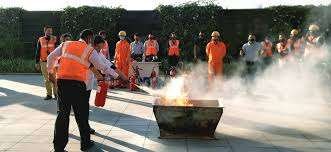
Remember that firefighting equipment is not a reason to remain in a dangerous area. Only a trained adult should consider using an extinguisher on a very small, contained fire when conditions are safe and a clear escape route is available. When there is any doubt, evacuation is the priority.
Never use water on burning cooking oil or potentially live electrical equipment.
7. Make Sure Escape Routes Are Clear
A home may have suitable alarms and extinguishers but still be unsafe if residents cannot leave quickly.
Check doors, corridors, stairs, and other escape routes for furniture, storage boxes, bicycles, or other obstructions. Ensure that exits can be opened as intended and that residents know how to reach a safe outdoor location.
For apartment buildings, shared corridors and stairways must remain clear. Building management should address damaged exit doors, blocked routes, and faults in shared safety equipment.
A household audit should consider whether residents can identify a primary exit and an alternative route where available.
Never rely on an ordinary lift during a fire. Follow the building’s evacuation plan and use designated emergency stairs when safe, unless emergency responders give different instructions.
If smoke blocks the planned route, do not enter a smoke-filled corridor or stairway. Follow the emergency plan, contact emergency services, and follow their instructions.
8. Examine Storage Areas and Fire Hazards
Storage rooms, cupboards, garages, and utility spaces can accumulate combustible materials over time. Packaging, paper, textiles, and certain household products may contribute to fire spread if stored carelessly.
During an audit, check whether storage areas are organised and whether materials are kept away from heat sources. Follow product labels for the safe storage of cleaning products, fuels, and other potentially hazardous materials.
Avoid storing belongings in corridors, stairways, or other designated escape routes.
Gas cylinders and other specialised equipment require additional care. Their storage and use must comply with the applicable requirements and manufacturers’ instructions. Do not assume that a basement, enclosed cupboard, or balcony is automatically a suitable location.
If the correct arrangement is unclear, ask a qualified professional to assess the installation.
9. Create a Family Fire Emergency Plan
A fire safety audit should include a review of what household members would do if an alarm sounded.
An emergency plan should be simple enough for everyone to understand. It should identify safe exits, an outdoor meeting place, and a method for contacting emergency services.
Agree on escape routes
Identify the main exit and an alternative route where available. Make sure doors and pathways remain accessible.
Choose a meeting point
Select a safe location outside the home where everyone can gather. This helps family members determine whether anyone may still be inside.
Practise the plan
Discuss the plan periodically and practise leaving the home in a calm, organised way. Review the arrangements whenever the layout changes or someone new joins the household.
Consider additional needs
Young children, older adults, and people with mobility, hearing, or vision needs may require specific assistance. Discuss realistic arrangements in advance.
Children and teenagers should know to alert a responsible adult, leave the building, and follow emergency instructions. They should never be expected to fight a fire or repair equipment.
10. How Often Should a Fire Safety Audit Be Conducted?
There is no single schedule that suits every home. The frequency depends on the property’s condition, the equipment installed, the risks present, and any applicable requirements.
Households can conduct simple visual reviews regularly and arrange professional inspections when needed. Larger properties and residential buildings with shared safety systems may require more formal arrangements.
An additional review may be appropriate when:
– Electrical or cooking equipment is replaced.
– Renovation changes the building layout.
– New occupants move in.
– An alarm or other safety device develops a fault.
– A fire-related incident or near miss occurs.
– Storage or the use of a room changes.
– Relevant safety requirements change.
Routine household checks should not replace professional inspection, servicing, or testing required for particular equipment.
11. Who Should Conduct a Fire Safety Audit?
Homeowners can identify many visible hazards using a basic checklist. However, technical issues involving electrical systems, gas installations, alarm equipment, or building fire protection should be assessed by qualified professionals.
A fire safety professional can review the property, examine available documentation, identify weaknesses, and recommend improvements appropriate to the building.
For apartment buildings, landlords and building managers may need to coordinate inspections of common areas, shared alarm systems, emergency lighting, and firefighting equipment.
The audit should produce practical recommendations that can be prioritised according to their seriousness. Immediate hazards should be addressed promptly, while other improvements can be scheduled according to the professional’s advice and applicable requirements.
12. Fire Safety Audits and Regulations in Pakistan
Pakistan’s Building Code of Pakistan (Fire Safety Provisions–2016) provides a national reference for building fire prevention, life safety, and fire protection. The Pakistan Engineering Council publishes this code as part of its building safety resources.
However, the requirements applicable to a particular property can depend on its location, use, size, and the rules enforced by the relevant authority. Homeowners and building managers should consult the appropriate local building-control authority or a qualified fire safety professional rather than assuming the same requirements apply to every property. <Cite refs={[“turn840320search2″,”turn840320search11”]} />
For larger buildings, an audit may consider alarm systems, fire protection equipment, escape routes, and records of inspection and maintenance.
If a fire alarm system in Pakistan is installed in a property, its suitability and maintenance should be assessed according to the system design and applicable requirements. A functioning alarm must also be supported by clear emergency procedures.
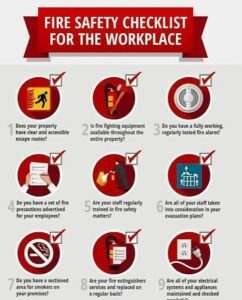
13. A Practical Home Fire Safety Audit Checklist
Use the following checklist as a starting point for reviewing household safety.
Electrical and cooking safety
– [ ] Electrical cables and appliances show no visible damage.
– [ ] Sockets and extension leads are used appropriately.
– [ ] Cooking areas are kept clear of combustible materials.
– [ ] Gas equipment is maintained by qualified personnel.
– [ ] Warning signs and faults are reported promptly.
Detection and firefighting equipment
– [ ] Suitable smoke alarms are installed where recommended.
– [ ] Alarms are tested and maintained according to their instructions.
– [ ] Extinguishers, where provided, are appropriate and maintained.
– [ ] Required safety equipment is accessible.
– [ ] Professional inspection is arranged when necessary.
Escape and emergency preparedness
– [ ] Doors, corridors, and stairs remain clear.
– [ ] Household members know the safest exits.
– [ ] Everyone knows the outdoor meeting point.
– [ ] Emergency contact information is available.
– [ ] Children understand that evacuation comes before possessions.
– [ ] Residents who need assistance have an appropriate plan.
Maintenance and follow-up
– [ ] Identified problems are recorded.
– [ ] Repairs are assigned to qualified people.
– [ ] Outstanding issues are reviewed.
– [ ] Changes to the property trigger another safety review.
A checklist is most useful when identified problems lead to action. Recording a hazard without arranging a repair does not make the home safer.
Conclusion
Fire safety audits are a practical way to understand the risks within a home and identify improvements before an emergency occurs. By reviewing electrical installations, cooking practices, smoke alarms, extinguishers, storage areas, and escape routes, families can improve their preparedness and develop safer habits.
The first step does not need to be complicated. Begin with a visual review, address obvious hazards, and arrange professional help for technical concerns. Make sure everyone in the household knows how to respond when an alarm sounds.
For properties that require a fire alarm system in Pakistan, the equipment should be selected and maintained according to the building’s needs and applicable requirements. Early warning, safe exits, and a clear evacuation plan should always work together.
Above all, remember that the purpose of a fire safety audit is to protect people. If a fire spreads or an area becomes unsafe, evacuate immediately, contact emergency services from a safe location, and do not re-enter until authorities confirm that it is safe.
Frequently Asked Questions (FAQs)
1. What is a home fire safety audit?
A home fire safety audit is a review of potential fire hazards, safety equipment, escape routes, and emergency arrangements. It helps residents identify problems and plan practical improvements.
2. Can I conduct a fire safety audit myself?
You can perform a basic visual review using a checklist. However, electrical faults, gas installations, complex alarm systems, and other technical issues should be assessed by qualified professionals.
3. What should be checked during a fire safety audit?
Check electrical appliances, cooking areas, smoke alarms, fire extinguishers, storage areas, doors, corridors, stairs, and the household emergency plan. Record problems and arrange appropriate repairs.
4. Is a fire alarm system necessary in every home in Pakistan?
The appropriate arrangements depend on the building, its risks, and applicable requirements. Suitable smoke alarms are an important consideration for homes, while larger or more complex properties may need a professionally designed fire alarm system.
5. How often should a fire safety audit be conducted?
The schedule depends on the property’s risks, condition, equipment, and applicable requirements. Households should carry out regular visual checks and arrange additional reviews after renovations, equipment changes, faults, or fire-related incidents.