Electricity makes everyday life easier by powering lights, fans, air conditioners, refrigerators, computers, machinery, and countless other appliances. However, electrical systems can become dangerous when wiring, connections, or equipment are damaged or poorly maintained. One common electrical hazard is a short circuit.
A short circuit occurs when electricity takes an unintended path through a circuit. This can cause an unusually high current, potentially leading to overheating, damaged equipment, power interruptions, or fire. Understanding why short circuits happen and how to prevent them is important for homeowners, business owners, electricians, and facility managers.
In Pakistan, electrical safety deserves particular attention because homes and commercial buildings often use several appliances simultaneously. During hot weather, air conditioners, refrigerators, fans, and water pumps may operate for extended periods. Poor wiring, unsuitable electrical connections, damaged cables, and inadequate maintenance can increase electrical risks.
The good news is that many electrical hazards can be reduced through proper installation, regular inspections, suitable protective devices, and responsible appliance use.
This guide explains short circuit prevention in plain English. It covers common causes, warning signs, safe electrical practices, professional maintenance, and the role of fire detection systems in protecting buildings.
1. What Is a Short Circuit?
A short circuit happens when electricity flows through an unintended path with very little electrical resistance. Instead of following its normal route through the circuit, the current takes an alternative path.
This can cause a sudden increase in electrical current. If the circuit does not have suitable protection, the excessive current may damage wires, appliances, or electrical components.
For example, damaged insulation may allow two electrical conductors to come into contact. This can create an unintended connection and result in a short circuit.
Short circuits are not always visible before they happen. A damaged cable may appear normal from the outside, while an internal fault may develop inside an appliance, socket, or electrical panel.
Electrical protective devices, such as correctly selected circuit breakers and fuses, are designed to interrupt certain fault currents. However, they must be properly installed and suitable for the electrical system.
Understanding this basic concept helps people recognise why electrical maintenance and professional installation are important.
2. Common Causes of Short Circuits
Short circuits can occur for several reasons. Identifying common causes makes it easier to take preventive action.
Damaged Electrical Insulation
Electrical wires are covered with insulation to prevent unintended contact between conductors. If this protective covering becomes damaged, exposed conductors may touch each other or another conductive surface.
Damage can result from ageing, physical impact, unsuitable installation, or excessive heat.
Faulty Appliances
Electrical appliances can develop internal faults due to worn components, manufacturing defects, moisture exposure, or poor maintenance.
An appliance that repeatedly trips a circuit breaker or produces an unusual smell should not be ignored.
Loose Electrical Connections
Loose connections may create poor contact and heat buildup. Over time, this can damage electrical components and increase the possibility of an electrical fault.
Moisture and Water Exposure
Water can create unwanted electrical paths, particularly when it enters sockets, switches, appliances, or electrical panels.
Electrical equipment should be protected from water and installed in locations appropriate for its intended use.
Poor Installation
Incorrect wiring, unsuitable components, and inadequate protective devices can increase electrical risks. Electrical installations should always be completed by qualified professionals according to applicable requirements.
3. Warning Signs of Electrical Problems
A short circuit may happen suddenly, but some electrical problems provide warning signs beforehand.
Homeowners and facility managers should pay attention to:
– Circuit breakers that trip repeatedly.
– Burning smells near sockets or electrical equipment.
– Discoloured or damaged outlets.
– Unusual buzzing or crackling sounds.
– Flickering lights without an obvious explanation.
– Damaged plugs or visible cable insulation.
– Electrical equipment becoming unusually hot.
– Unexpected power interruptions affecting particular circuits.
These signs do not always mean a short circuit has occurred. However, they may indicate an electrical fault that requires professional inspection.
Do not ignore repeated breaker trips by simply switching the breaker back on. A protective device may be responding to a genuine problem.
If an outlet, cable, or appliance shows signs of overheating, stop using it when safe and arrange an inspection by a qualified electrician.
4. Avoid Overloading Electrical Circuits
Electrical overloading and short circuits are different problems, but both can create dangerous conditions.
Overloading happens when a circuit supplies more current than it is designed to handle. This can cause excessive heating and may damage wiring or equipment.
In Pakistan, electrical demand can increase during summer because cooling appliances operate for longer periods. Air conditioners, refrigerators, fans, water pumps, and other equipment may be used simultaneously.
To reduce overloading risks:
– Avoid connecting several high-power appliances to one extension board.
– Use sockets and electrical circuits suitable for the connected equipment.
– Do not rely on cheap or damaged extension cables.
– Arrange additional circuits when required by a qualified electrician.
– Follow appliance manufacturer instructions.
– Avoid using multiple adapters to increase the number of connections.
High-power appliances may need dedicated circuits depending on their electrical requirements. A qualified electrician can assess the installation and recommend suitable arrangements.
Never assume that a socket is safe simply because it has several available openings.
5. Use Proper Electrical Wiring and Components
Electrical wiring forms the foundation of a building’s electrical safety. Poor-quality materials, incorrect installation, or unsuitable components can create long-term risks.
Wiring should be selected according to the expected electrical load, installation environment, and relevant safety requirements.
Important considerations include:
– Use suitable, certified electrical materials.
– Ensure that cables are correctly rated for their intended application.
– Use appropriate protective devices.
– Keep wiring protected from physical damage.
– Avoid temporary or improvised electrical connections.
– Arrange professional inspections when the building is renovated or its electrical demand changes.
Electrical panels should be installed in appropriate locations and kept accessible for qualified personnel. They should not be used as storage spaces or covered with combustible materials.
Homeowners should avoid attempting internal wiring repairs themselves. Electrical work requires appropriate knowledge, equipment, and training.
6. Maintain Electrical Appliances Regularly
Electrical appliances may develop faults as they age. Regular maintenance can help identify damaged components, worn cables, and other problems before they become serious.
Air conditioners, refrigerators, washing machines, water pumps, computers, and other frequently used equipment should be maintained according to manufacturer recommendations.
A practical maintenance routine should include:
– Checking visible cables for damage.
– Inspecting plugs and connections.
– Keeping appliances clean and properly ventilated.
– Arranging professional servicing when required.
– Stopping use when an appliance behaves unusually.
– Replacing damaged components with suitable parts.
Do not open appliances or attempt repairs involving internal electrical components unless you are qualified to do so.
If an appliance repeatedly causes a circuit breaker to trip, it should be disconnected when safe and examined by a professional.
Regular maintenance is particularly important in workplaces where equipment operates for long periods or under demanding conditions.
7. Protect Electrical Systems from Moisture
Water and electricity can create a dangerous combination. Moisture may enter damaged cables, electrical outlets, switches, appliances, or distribution equipment.
Bathrooms, kitchens, laundry areas, workshops, and outdoor spaces require particular attention because water exposure may be more likely.
To improve electrical safety:
– Keep electrical equipment away from water sources.
– Never handle electrical plugs with wet hands.
– Do not use damaged appliances in damp locations.
– Arrange suitable protective installations for outdoor equipment.
– Have moisture-affected electrical systems inspected before reuse.
– Use electrical products designed for their installation environment.
If water enters an electrical panel or outlet, do not touch the affected equipment. Keep people away and contact a qualified electrician.
During flooding or water leakage, electrical safety should be treated as a priority. Do not assume that an installation is safe simply because the water has disappeared.
8. Install Suitable Circuit Protection
Protective devices help reduce the consequences of electrical faults. They are an important part of a properly designed electrical installation.
Circuit Breakers
Circuit breakers are designed to interrupt current when certain electrical conditions exceed their specified limits. They help protect circuits against particular types of overcurrent.
A breaker must be correctly selected according to the wiring, expected load, and installation requirements.
Fuses
Fuses contain a protective element designed to break the circuit when excessive current passes through them. They must have the correct rating for the equipment and circuit.
Never replace a fuse with an unsuitable higher-rated one or use improvised materials in its place.
Residual Current Protection
Residual current devices can help reduce the risk of electric shock by detecting certain differences between outgoing and returning current. Their selection and installation should be handled by qualified professionals.
These devices serve different purposes and are not interchangeable. A professional electrician should assess which protective arrangements are suitable for the building.
Never bypass a protective device because it trips frequently. The cause should be identified and corrected.
9. Keep Electrical Panels Clean and Accessible
Electrical panels distribute power to different circuits throughout a building. They also contain protective devices that may need inspection or operation by qualified personnel.
Poor housekeeping around an electrical panel can create unnecessary hazards.
Keep these areas:
– Free from boxes, paper, and unnecessary storage.
– Accessible to authorised personnel.
– Protected from moisture and physical damage.
– Properly labelled where appropriate.
– Clear of combustible waste.
– Maintained according to professional guidance.
Do not open electrical panels unless you are qualified and authorised to do so. Internal components may remain dangerous even when a particular circuit appears to be switched off.
Businesses should include electrical panels in their regular facility inspections. Any signs of damage, unusual sounds, or overheating should be reported promptly.
10. Be Careful with Extension Boards and Multi-Plugs
Extension boards can be useful, but they should not replace a properly designed electrical installation.
Using several adapters, connecting one extension board to another, or powering high-demand appliances through unsuitable equipment can create unsafe conditions.
Before using an extension board:
– Check that it is suitable for the intended electrical load.
– Avoid damaged plugs and cables.
– Keep it away from water and heat sources.
– Do not cover it with rugs or other materials.
– Avoid connecting multiple extension boards together.
– Disconnect equipment when it is no longer needed, where appropriate.
Extension boards should be treated as temporary solutions rather than permanent replacements for adequate electrical outlets.
If a room regularly requires several extension boards, ask a qualified electrician to assess whether additional outlets or circuits are needed.
11. Improve Electrical Safety During Summer
Summer can place additional demands on electrical systems, particularly in regions of Pakistan where temperatures become very high.
Air conditioners, refrigerators, fans, and water pumps may operate for longer periods. This increased use makes electrical maintenance especially important.
Practical summer precautions include:
– Arrange servicing of air conditioners and other frequently used appliances.
– Avoid overloading electrical sockets.
– Keep electrical equipment properly ventilated.
– Check visible cables and plugs for damage.
– Arrange professional inspections for repeated electrical faults.
– Use generators only in suitable outdoor locations.
– Ensure backup power systems are professionally installed.
Generators should never be operated inside homes, garages, or enclosed spaces. Their installation and electrical connections should be handled by qualified professionals.
Summer safety planning should also include fire detection, emergency exits, and suitable response procedures.
12. Short Circuit Prevention in Homes
Households can reduce electrical risks by developing simple safety habits.
Parents should teach children not to insert objects into sockets or play with electrical cables. Damaged plugs, exposed wiring, and faulty appliances should be kept away from children until repaired.
A household electrical safety routine can include:
– Inspecting visible cables periodically.
– Avoiding overloaded sockets.
– Keeping electrical equipment away from water.
– Using appliances according to instructions.
– Reporting unusual smells or sounds.
– Arranging qualified electrical repairs.
– Keeping electrical panels accessible.
– Avoiding homemade wiring arrangements.
Older buildings may require additional attention because wiring and protective equipment can deteriorate over time. Renovations, new appliances, and changes in electricity demand may also make an electrical assessment necessary.
A professional inspection can help identify whether the existing installation remains suitable for the household’s needs.
13. Short Circuit Prevention in Offices and Commercial Buildings
Offices, shops, restaurants, and commercial buildings may use a wide range of electrical equipment throughout the day.
Computers, printers, lighting, kitchen appliances, air conditioners, and machinery can increase the electrical demand. Poor maintenance or unsuitable connections may create risks for employees and visitors.
Facility managers should establish a routine for inspecting electrical installations and reporting faults.
Useful measures include:
– Maintaining electrical inspection records.
– Keeping electrical rooms organised.
– Avoiding overloaded sockets and temporary wiring.
– Arranging professional maintenance.
– Using suitable protective devices.
– Providing staff with electrical safety awareness.
– Keeping emergency routes clear.
– Reviewing electrical requirements when equipment changes.
Employees should be encouraged to report damaged plugs, unusual equipment behaviour, and repeated power interruptions.
Electrical safety should be treated as an ongoing responsibility rather than a one-time inspection.
14. Short Circuit Prevention in Factories and Warehouses
Industrial facilities may contain heavy machinery, production equipment, motors, distribution panels, and complex electrical installations.
The electrical demands of these environments can be significant, making professional design and maintenance especially important.
Factories and warehouses should consider:
– Suitable electrical system design.
– Routine inspection by qualified personnel.
– Appropriate protection for machinery and circuits.
– Safe cable routing.
– Protection from dust, moisture, and physical damage.
– Clear access to electrical panels.
– Maintenance records.
– Employee reporting procedures.
Electrical equipment should be operated according to its intended use. Changes to machinery or production layouts should be reviewed by qualified professionals to determine whether the electrical installation remains suitable.
Only trained and authorised personnel should perform electrical maintenance. Untrained workers should not open panels, handle exposed conductors, or attempt to repair damaged equipment.
15. What to Do When a Short Circuit Occurs
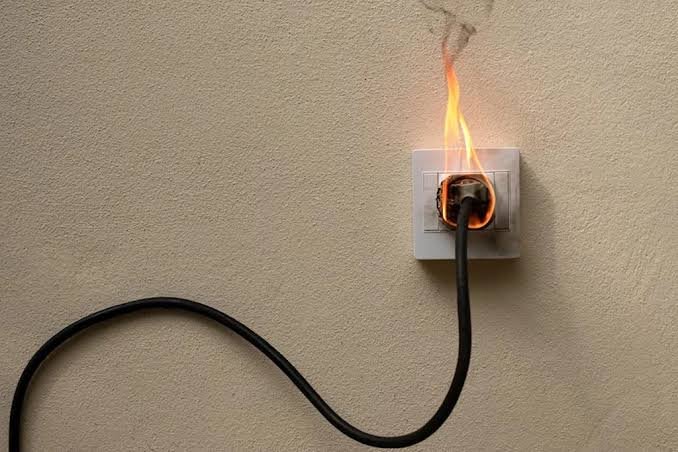
A short circuit may cause sparks, smoke, an electrical smell, power interruption, or a protective device to trip. The correct response is to prioritise personal safety.
If an electrical fault occurs:
1. Keep people away from the affected equipment.
2. Do not touch exposed wires or damaged electrical components.
3. Stop using the affected appliance.
4. If it is safe and you are able to do so without approaching the fault, switch off the relevant supply.
5. Contact a qualified electrician.
6. If smoke or fire develops, raise the alarm and evacuate.
7. Contact emergency services from a safe location.
Never pour water onto electrical equipment that may still be energised. Do not attempt to investigate an electrical panel that is producing smoke or unusual sounds.
If a fire starts, do not delay evacuation to protect equipment or property. Leave the building and do not return until emergency personnel confirm that it is safe.
16. The Role of Fire Alarm Systems in Electrical Safety
Electrical faults can sometimes lead to fires. For this reason, electrical safety should be supported by suitable fire detection and warning arrangements.
A properly selected fire alarm system in Pakistan can help alert occupants when smoke or heat is detected, depending on the installed equipment and its design.
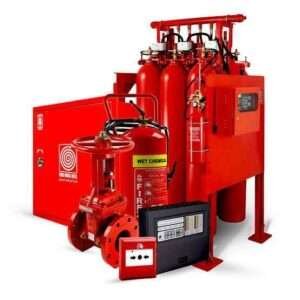
A suitable system may include:
– Smoke detectors.
– Heat detectors.
– Manual call points.
– Alarm sounders.
– A control panel.
– Backup power arrangements.
The correct system depends on the property’s size, layout, occupancy, and potential fire hazards. Homes, offices, factories, and warehouses may require different detection arrangements.
Installation should be carried out by qualified professionals. Detectors must be positioned appropriately, and the system should be tested and maintained according to manufacturer instructions and applicable requirements.
A fire alarm system does not prevent short circuits or replace electrical protection. Instead, it forms part of a broader fire safety strategy by helping occupants receive an early warning.
Building owners should also maintain clear evacuation routes, emergency lighting, appropriate fire safety equipment, and written emergency procedures.
17. Create a Simple Electrical Safety Inspection Checklist
A regular checklist can help property owners and managers identify visible problems and arrange professional inspections.
Wiring and connections
– Look for visible cable damage.
– Check for damaged plugs and sockets.
– Report unusual electrical smells.
– Arrange repairs for loose or damaged connections.
Electrical equipment
– Maintain frequently used appliances.
– Stop using equipment that behaves unusually.
– Keep ventilation openings clear.
– Follow manufacturer instructions.
Circuit protection
– Arrange professional checks of protective devices.
– Investigate repeated breaker trips.
– Avoid unsuitable fu