Burn injuries can happen unexpectedly at home, in workplaces, restaurants, factories, and public buildings. Everyday activities such as cooking, handling hot liquids, using electrical appliances, or working with machinery can expose people to burn hazards. Although some burns are minor, others require urgent medical attention.
Knowing the basics of burn first aid can help people respond calmly and make safer decisions while waiting for professional medical assistance. A beginner does not need advanced medical knowledge to understand important first-aid principles. However, it is essential to know what to do, what to avoid, and when an injured person needs immediate medical care.
In Pakistan, burn risks are present in both residential and commercial environments. Cooking accidents, faulty electrical connections, unsafe generator arrangements, chemical exposure, and workplace incidents can all lead to injuries. Families and organisations can improve preparedness by learning basic first aid and reviewing their fire safety arrangements.
This beginner’s checklist explains the essential steps for responding to burn injuries. It also covers different burn types, common mistakes, prevention measures, and the importance of including first-aid awareness in a wider fire safety plan.
1. Understand What Causes Burn Injuries
Before learning first aid, it is useful to understand the different sources of burns. The correct response can depend on what caused the injury.
Thermal burns: These result from contact with flames, hot liquids, steam, or heated objects. Common examples include kitchen accidents involving boiling water, hot oil, and cooking equipment.
Chemical burns: Certain chemicals can damage the skin or eyes when contact occurs. Cleaning products and industrial substances may present this risk if they are handled or stored incorrectly.
Electrical burns: These occur when an electrical current passes through the body. The visible skin injury may not reflect the full extent of the damage, so medical assessment is important.
Radiation burns: These can result from exposure to certain types of radiation, including excessive ultraviolet exposure from sunlight.
The source of a burn should be identified when it is safe to do so. This information can help medical professionals understand the possible injury and decide on suitable treatment.
Never assume that a burn is harmless because the affected area looks small. Electrical and chemical injuries, in particular, can require urgent assessment.
2. Make Sure the Area Is Safe
<text> </text>
The first item on any burn first-aid checklist is personal safety. Before helping an injured person, make sure that the original danger has been removed or that the area is safe to approach.
If the injury involves a fire, move away from the source of heat and help others leave the dangerous area when it is safe. Do not enter a burning building or approach an area filled with smoke.
Electrical incidents require additional caution. Never touch someone who may still be in contact with a live electrical source. The electricity supply must be safely disconnected by a qualified person or emergency responders.
Chemical exposure also requires care. Avoid direct contact with unknown substances and follow the product’s safety instructions.
Remember these basic rules:
– Do not put yourself in danger while trying to help.
– Keep other people away from the hazard.
– Do not touch exposed electrical wires.
– Avoid contact with spilled chemicals.
– Raise the alarm if a fire or other emergency is present.
– Contact emergency services when necessary.
First aid should begin only when it is safe to approach the injured person.
3. Identify Whether the Burn Requires Emergency Help
A beginner should learn to recognise warning signs that indicate a burn may be serious.
Seek urgent medical attention if the burn:
– Covers a large area of the body.
– Appears deep or has a white, brown, black, or leathery appearance.
– Affects the face, hands, feet, genitals, or a major joint.
– Results from electrical contact or chemical exposure.
– Causes severe swelling or significant pain.
– Is accompanied by breathing difficulties.
– Occurs alongside suspected smoke inhalation.
Burns involving the face or mouth after a fire may indicate possible airway injury. Difficulty breathing, persistent coughing, or exposure to smoke in an enclosed area requires emergency assistance.
Children, older adults, and people with additional health risks may need medical attention sooner than otherwise healthy adults.
Do not delay medical care while trying different home treatments. If you are unsure about the seriousness of an injury, seek professional advice.
4. Cool Minor Thermal Burns with Running Water
For a minor thermal burn, cooling the affected area is one of the most important first-aid steps.
Place the affected area under cool running water for approximately 20 minutes, if possible. This helps remove heat from the injured tissue and may limit further damage.
Follow these precautions:
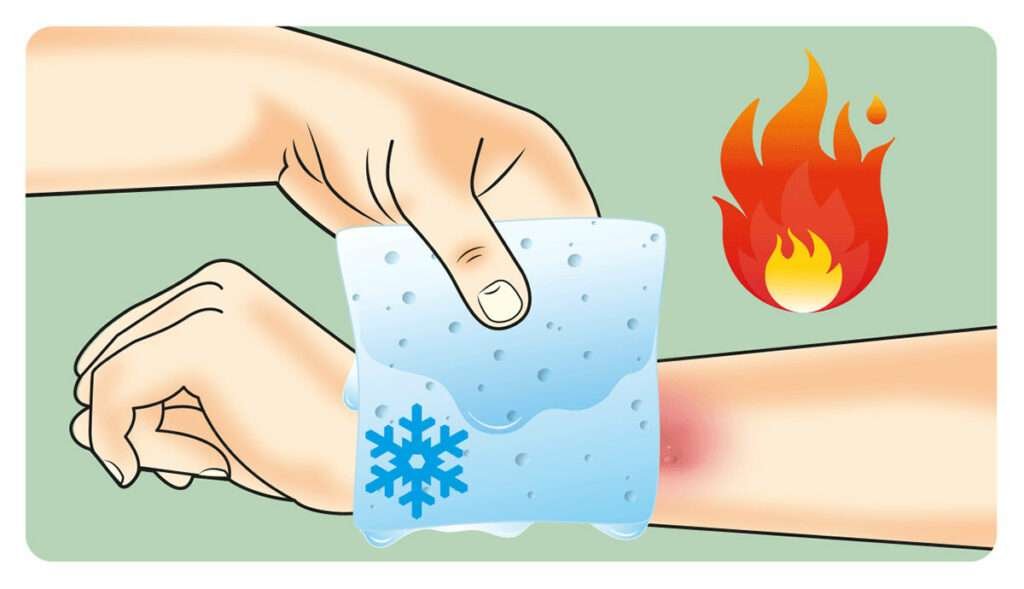
– Use cool running water rather than ice.
– Do not apply ice directly to the affected area.
– Remove nearby jewellery if it is not stuck to the skin.
– Remove loose clothing near the injury when safe.
– Do not pull away clothing that has become attached.
– Keep the rest of the person comfortably warm.
Cooling should begin as soon as possible, but it must not delay emergency medical assistance for a serious burn.
For extensive burns, avoid cooling large areas of the body because this may cause dangerous loss of body heat. Seek urgent professional assistance and follow medical instructions.
A beginner should remember that simple, appropriate cooling is safer than using complicated home remedies.
5. Avoid Common First-Aid Mistakes
Many people make mistakes because they rely on traditional treatments or advice that has not been medically verified.
Some household substances can contaminate the injury, irritate the skin, or interfere with proper medical assessment.
Do not apply the following to a burn:
– Toothpaste.
– Butter or cooking oil.
– Flour or household powders.
– Unverified herbal mixtures.
– Creams or lotions not recommended by a healthcare professional.
– Ice directly onto the injured area.
Do not break blisters deliberately or rub the affected skin. Avoid removing damaged skin or applying tight bandages.
For a minor burn, after appropriate cooling, protect the area with a clean, non-fluffy covering or suitable sterile dressing. Do not place adhesive material directly over the injury.
If the burn appears serious, avoid unnecessary handling and arrange medical attention. Correct first aid is not about applying many products. It is about protecting the person and avoiding further harm.
6. Know How to Respond to Chemical Burns
Chemical burns can happen at home or in workplaces where cleaning products, industrial chemicals, or other hazardous substances are used.
The first step is to avoid direct contact with the substance. Protect yourself and follow the product’s safety instructions.
For many chemical skin exposures, the recommended initial response is to remove contaminated clothing or jewellery when safe and rinse the affected area with plenty of running water. Continue rinsing while arranging urgent medical advice. Some chemicals require specific procedures, so product safety information and professional guidance are important.
Important precautions include:
– Do not attempt to neutralise a chemical with another substance.
– Do not mix household products.
– Avoid touching contaminated clothing with bare hands.
– Keep product information available for medical professionals when safe.
– Seek urgent medical assessment.
If a chemical enters the eyes, begin rinsing immediately with clean running water and seek emergency medical attention. Do not delay treatment while searching for a special solution.
Workplaces should provide suitable protective equipment, chemical labels, safety information, and access to appropriate emergency washing facilities.
7. Treat Electrical Burns as Potentially Serious
Electrical burns require special attention because an injury may be more serious than its external appearance suggests.
An electrical current can affect internal tissues and may also interfere with normal heart function. Someone who has experienced electrical contact should receive prompt medical assessment, even if the visible injury appears small.
Never touch a person who may still be connected to an electrical source. Do not attempt to move exposed wires or use metal objects to separate someone from electricity.
Once the electrical supply has been safely disconnected, seek emergency medical assistance.
To reduce electrical burn risks:
– Avoid damaged cables and exposed wiring.
– Do not overload sockets or extension boards.
– Keep electrical appliances away from water.
– Arrange repairs through qualified electricians.
– Use equipment according to manufacturer instructions.
– Keep children away from electrical installations.
Electrical safety is particularly important in buildings where air conditioners, refrigerators, water pumps, and other appliances operate frequently.
8. Protect the Injured Area After Initial First Aid
Once a minor thermal burn has been appropriately cooled, it should be protected from unnecessary contact and contamination.
A clean, non-fluffy covering or suitable sterile dressing can help protect the affected area. Avoid tight wrapping, particularly when swelling may develop.
Do not:
– Rub or scratch the injured skin.
– Break blisters.
– Remove skin that is attached.
– Apply unapproved products.
– Use adhesive material directly over the burn.
Observe the person’s general condition while arranging medical help if needed. Serious weakness, confusion, breathing difficulties, or a worsening condition should be treated as warning signs.
For larger burns, keeping the person warm is important. A clean blanket may be used over unaffected areas, without placing pressure on the injured area.
If the injury is serious, do not give food or drink unless medical professionals advise otherwise, as urgent treatment may be required.
9. Prepare a Basic Burn First-Aid Kit
A suitable first-aid kit can help people manage minor injuries and provide basic support while waiting for professional care. It should be kept in an accessible location and checked regularly.
A general workplace or household first-aid kit may include:
– Sterile dressings.
– Non-fluffy wound coverings.
– Clean gauze.
– Medical tape.
– Disposable gloves.
– Clean bandages.
– Scissors for first-aid use.
– Basic first-aid guidance.
– Emergency contact information.
The exact contents should reflect the environment and the needs of the people who may use the kit. Workplaces with chemical or industrial hazards may need additional specialised equipment and emergency facilities.
A first-aid kit is not a substitute for medical treatment. It should not contain unverified burn remedies, and people should not use medicines or creams without appropriate guidance.
Check the kit periodically to replace damaged, used, or expired supplies. Make sure employees and family members know where it is stored.
10. Know When to Contact Emergency Services
One of the most important parts of burn first aid is recognising when professional help is necessary.
Emergency medical assistance should be requested for large, deep, chemical, or electrical burns and for injuries involving breathing difficulties or other serious symptoms.
When contacting emergency services, provide clear information:
1. Explain where the incident happened.
2. Describe the type of burn, if known.
3. Explain whether the person is conscious and breathing normally.
4. Mention any suspected chemical or electrical exposure.
5. Follow the instructions given by emergency personnel.
Do not delay a call because you are trying to estimate the exact size or seriousness of the injury.
If a fire is involved, warn others, evacuate the building, and contact emergency services from a safe location. Do not re-enter the building to retrieve belongings or search for equipment.
Clear communication can help emergency responders understand the situation and prepare an appropriate response.
Beginner’s Burn First-Aid Checklist
The following checklist summarises the main principles covered in this guide.
<text weight=”semibold”>Before providing first aid</text>
– Make sure the area is safe.
– Identify the source of the burn if possible.
– Avoid contact with electricity or chemicals.
– Move away from flames, smoke, and other hazards.
– Request emergency assistance when necessary.
<text weight=”semibold”>For a minor thermal burn</text>
– Cool the affected area under cool running water for approximately 20 minutes.
– Avoid ice and household remedies.
– Remove nearby jewellery if it is not stuck.
– Do not pull away attached clothing.
– Protect the area with a clean, non-fluffy covering.
<text weight=”semibold”>For serious burns</text>
– Seek urgent medical attention.
– Avoid unnecessary handling.
– Keep the person comfortably warm.
– Do not apply creams, oils, or powders.
– Follow emergency professionals’ instructions.
<text weight=”semibold”>After the incident</text>
– Arrange medical assessment when needed.
– Keep relevant product information available for chemical exposures.
– Report workplace hazards.
– Review the cause of the incident.
– Take steps to prevent similar accidents.
This checklist is intended as a basic reminder. It does not replace recognised first-aid training or medical advice.
Preventing Burn Injuries at Home
Many household burns can be prevented through better awareness and simple safety habits.
The kitchen deserves particular attention because hot liquids, cooking oils, heated utensils, and appliances are used regularly.
Keep hot cookware away from counter edges and turn handles inward where practical. Avoid carrying boiling liquids near children. Never leave cooking unattended, and keep flammable materials away from cooking equipment.
Electrical appliances should be used correctly and maintained. Damaged cables, loose sockets, and faulty equipment should be inspected by qualified professionals.
Household chemicals should remain in their original labelled containers. Store them safely and keep them away from children and food products.
Families should also teach children to recognise danger. They should know to alert an adult and move away from unsafe areas rather than attempting to handle hot objects or investigate an emergency.
Burn Prevention in Offices, Factories, and Commercial Buildings
Businesses should identify activities that could expose workers to heat, chemicals, electricity, or flames.
Restaurants may face risks involving cooking equipment and hot liquids. Factories may use heated machinery, chemicals, and electrical systems. Offices may have electrical appliances, kitchen facilities, and backup generators.
Employers can reduce risks by:
– Carrying out regular workplace hazard assessments.
– Providing appropriate protective equipment.
– Maintaining machinery and electrical installations.
– Storing chemicals safely.
– Keeping emergency exits clear.
– Providing first-aid awareness training.
– Maintaining accessible first-aid supplies.
– Reporting and reviewing workplace incidents.
Staff should know how to raise the alarm and leave the building safely. Only trained and authorised personnel should perform specialist maintenance or emergency equipment inspections.
A written safety plan should clearly explain responsibilities and evacuation procedures.
The Role of Fire Alarm Systems in Burn Prevention
A fire alarm system does not directly treat burn injuries, but it can help reduce exposure to fire by warning occupants when a fire-related condition is detected.
In homes, offices, factories, and commercial properties, early warning can provide valuable time for occupants to begin evacuation.
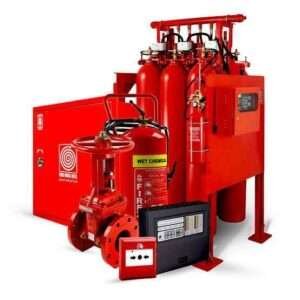
A suitable fire alarm system in Pakistan should be selected according to the building’s size, layout, occupancy, and potential hazards. Depending on the property, the system may include smoke detectors, heat detectors, manual call points, alarm sounders, and control equipment.
A reliable arrangement requires more than installing devices. Equipment must be suitable for the environment, correctly positioned, professionally installed, and regularly maintained.
Property owners and managers should:
– Arrange a professional fire risk assessment.
– Select suitable detection devices.
– Keep detectors clean and unobstructed.
– Test equipment according to manufacturer guidance.
– Investigate faults and repeated warning signals.
– Maintain service and inspection records.
– Explain alarm procedures to occupants.
Fire detection should be combined with clear evacuation routes, emergency lighting, appropriate fire safety equipment, and regular awareness training.
When an alarm sounds, occupants should follow the evacuation plan rather than investigating the source themselves.
Why First-Aid Training Matters
Reading a checklist is a useful starting point, but practical training can help people understand how to respond more confidently.
Recognised first-aid courses teach participants how to assess an emergency, protect themselves, recognise serious injuries, and request professional assistance.
Schools, offices, restaurants, and industrial facilities can benefit from suitable training programmes. Employers should ensure that designated first-aid personnel understand the risks associated with their particular workplace.
Training should also explain the limitations of first aid. Participants need to know that serious burns require medical care and that unsafe rescue attempts can create additional injuries.
Regular refresher sessions can help keep important information familiar.
Conclusion
Burn first aid begins with understanding the danger, making sure the area is safe, and recognising when professional medical help is required. For minor thermal burns, cooling with running water is an important first-aid measure. Chemical and electrical burns need special caution, while large or serious injuries require urgent medical attention.
Beginners should also understand which home remedies to avoid, how to protect an injured area, and why first-aid supplies and training matter.
Prevention remains equally important. Safe cooking habits, electrical maintenance, responsible chemical storage, workplace awareness, and suitable fire detection can reduce avoidable risks.
A properly selected and maintained fire alarm system in Pakistan can support early warning as part of a wider emergency plan. When combined with evacuation procedures and first-aid preparedness, it helps create a safer environment for families, employees, and visitors.
The best approach is to prepare before an incident occurs, respond calmly when danger is detected, and seek professional medical assistance whenever a burn may be serious.
Frequently Asked Questions (FAQs)
1. What should a beginner do first when someone gets burned?
First, make sure the area is safe and move the person away from the source of danger when possible. For a minor thermal burn, cool the affected area under cool running water for approximately 20 minutes. Seek medical assistance for serious or uncertain injuries.
2. How long should a minor thermal burn be cooled?
A minor thermal burn should be cooled under cool running water for approximately 20 minutes, if possible. Do not use ice directly on the injury, and do not delay emergency medical care for serious burns.
3. Can toothpaste or butter be applied to a burn?
No. Toothpaste, butter, cooking oil, flour, and unverified herbal products should not be applied to burns. They do not provide reliable treatment and may interfere