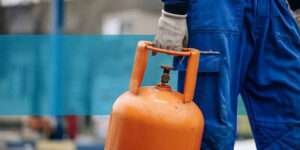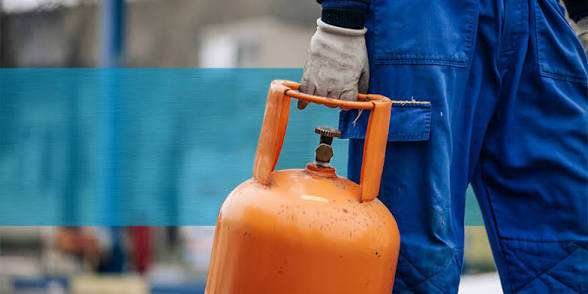
Gas cylinders are widely used in homes, restaurants, hotels, offices, workshops, and commercial kitchens across Pakistan. They provide a convenient source of fuel for cooking, heating, and certain industrial activities. However, improper storage, damaged equipment, poor maintenance, and careless handling can create serious safety risks.
Liquefied petroleum gas (LPG) is commonly supplied in cylinders for domestic and commercial use. It is useful because it can be stored and transported in containers, but it must be handled according to appropriate safety requirements. A gas leak can create a fire or explosion hazard, particularly in an enclosed or poorly ventilated space.
Gas cylinder safety is therefore not simply a maintenance expense. It is an important investment in protecting people, buildings, businesses, and valuable property. Understanding basic precautions can help households and workplaces reduce avoidable risks and develop safer practices.
In Pakistan, where gas cylinders are used in many residential and commercial settings, awareness is especially important. This guide explains common gas cylinder hazards, safe storage principles, warning signs, workplace responsibilities, and the role of fire protection systems.
## Understanding Gas Cylinders and Their Uses
Gas cylinders are specially designed containers used to store and transport gas under pressure. Domestic LPG cylinders commonly contain a mixture of propane and butane, although the exact composition can vary.
LPG is used in several settings, including:
– Household cooking.
– Restaurant and hotel kitchens.
– Commercial food preparation.
– Small businesses.
– Certain industrial processes.
– Temporary catering arrangements.
– Selected heating applications.
The convenience of gas cylinders makes them useful in places where a piped gas supply is unavailable or unsuitable. However, their pressurized contents require responsible handling and proper equipment.
A cylinder should always be suitable for its intended use and supplied by a reputable provider. Users should avoid unapproved containers, damaged equipment, and makeshift connections.
## Why Gas Cylinder Safety Matters
Gas cylinder safety is important because LPG can create serious hazards when it escapes from its container or associated equipment.
Unlike an ordinary household item, a gas cylinder stores fuel under pressure. A leak in a poorly ventilated area may allow gas to accumulate and create a dangerous atmosphere.
The consequences of unsafe practices can include:
– Gas leakage.
– Fire hazards.
– Property damage.
– Equipment failure.
– Serious injuries.
– Business interruption.
– Emergency evacuation.
These risks can affect not only the people using the cylinder but also neighbours, visitors, customers, and other building occupants.
A responsible safety approach focuses on preventing leaks, maintaining suitable equipment, storing cylinders appropriately, and knowing what to do if a problem occurs.
## Common Causes of Gas Cylinder Accidents
Understanding common causes helps people recognize why safety precautions are necessary.
### 1. Damaged Cylinders
A cylinder with visible damage, severe corrosion, or other signs of deterioration may not be suitable for continued use.
Physical damage can affect the container’s condition and should never be ignored.
Cylinders should be obtained from reputable suppliers and checked by qualified personnel according to applicable requirements.
### 2. Faulty Regulators and Connections
Gas systems rely on compatible regulators, valves, hoses, and connections.
Damaged or unsuitable components can allow gas to escape.
Users should never attempt makeshift repairs or modify cylinder connections. Any suspected equipment problem should be assessed by a qualified gas technician.
### 3. Poor Storage Conditions
Storing cylinders in unsuitable locations can increase safety risks.
For example, enclosed spaces with inadequate ventilation may allow leaked gas to accumulate. Cylinders may also be exposed to excessive heat, physical damage, or other hazards.
Proper storage arrangements are essential for domestic and commercial installations.
### 4. Lack of Regular Inspection
Gas equipment needs periodic attention.
A cylinder, regulator, hose, or associated appliance may deteriorate over time. Without appropriate inspections, warning signs may go unnoticed.
Regular professional checks help identify problems before they develop into emergencies.
### 5. Unsafe Handling
Dropping, striking, dragging, or otherwise mishandling cylinders can damage their components.
People should follow supplier instructions and use appropriate handling arrangements.
Children should never be allowed to play near cylinders, valves, or gas equipment.
### 6. Poor Ventilation
LPG is heavier than air and can collect in low-lying areas when released.
This makes ventilation an important consideration in places where cylinders and gas appliances are used.
Gas equipment should be installed and stored in locations that meet applicable safety requirements.
## Essential Gas Cylinder Safety Precautions
Following basic safety principles can help reduce risks in homes and workplaces.
### 1. Purchase Cylinders From Reputable Suppliers
Always obtain gas cylinders from authorized or reputable suppliers.
A responsible supplier should provide suitable equipment and follow relevant requirements for filling, inspection, and distribution.
Avoid cylinders from unknown sources or containers that appear damaged, altered, or unsuitable.
### 2. Keep Cylinders in Appropriate Locations
Cylinders should be stored in locations designed for their intended use.
Storage arrangements should consider ventilation, access, protection from physical damage, and separation from ignition sources.
Do not keep cylinders in unsuitable enclosed spaces, near heat sources, or in areas where they may obstruct exits.
The exact requirements depend on the cylinder type, installation, and applicable local regulations.
### 3. Protect Cylinders From Excessive Heat
Gas cylinders should not be exposed to direct flames, excessive heat, or unsuitable heating equipment.
The surrounding area should be kept free from unnecessary combustible materials.
Never attempt to heat a cylinder to increase gas flow or otherwise modify its operating conditions.
### 4. Use Compatible Equipment
Regulators, hoses, valves, and appliances must be suitable for the gas system.
Using incompatible or poor-quality components may increase the possibility of leaks and equipment failure.
Only qualified personnel should install, replace, or repair gas connections.
### 5. Keep the Area Well Maintained
The area around gas cylinders should remain clean and accessible.
Unnecessary storage, waste materials, and combustible items should be kept away from the installation.
Clear access allows responsible personnel to inspect the equipment and respond appropriately if a problem is identified.
### 6. Arrange Regular Professional Inspections
Gas cylinders and associated equipment should be checked according to supplier guidance and applicable safety requirements.
A qualified technician can assess the condition of the installation and identify components that need attention.
Do not wait for a noticeable leak or equipment failure before arranging an inspection.
## Recognizing Possible Gas Leakage
Recognizing warning signs is an important part of gas cylinder safety.
LPG is normally supplied with an odorant to help people recognize a leak. A noticeable gas-like smell may indicate a problem, although people should not rely on smell alone to establish whether an area is safe.
Other possible warning signs may include:
– Hissing sounds near gas equipment.
– Unusual damage to hoses or connections.
– A damaged cylinder valve.
– Appliances that are not operating normally.
– Reports of a gas smell from people nearby.
A suspected leak should always be treated seriously.
### What to Do if You Suspect a Gas Leak
If a gas leak is suspected, people should prioritize evacuation and avoid actions that could create an ignition source.
Follow these general safety principles:
1. Keep away from the suspected leak.
2. Do not light matches, cigarettes, or flames.
3. Do not operate electrical switches or appliances in the affected area.
4. Warn other people nearby and leave the building.
5. Contact the gas supplier or emergency services from a safe location.
6. Keep people away until qualified personnel confirm that the area is safe.
Do not attempt to locate the leak using a flame, dismantle equipment, or carry out an improvised repair.
If there is an immediate danger, do not delay evacuation to collect personal belongings.
## Safe Gas Cylinder Practices in Homes
Domestic gas cylinder safety deserves particular attention because many households use LPG for everyday cooking.
Family members should understand basic precautions and know which activities must be handled by qualified adults or technicians.
### Keep Children Away From Gas Equipment
Children should not play with cylinders, regulators, valves, or cooking appliances.
Parents should explain that gas equipment is not a toy and that any unusual smell or suspected leak must be reported to an adult immediately.
### Maintain a Suitable Cooking Area
Gas appliances should be installed in appropriate locations with suitable ventilation.
Keep unnecessary combustible materials away from cooking equipment.
The cooking area should also remain clear enough for adults to move safely.
### Follow Appliance Instructions
Gas appliances should be used according to the manufacturer’s instructions.
Incorrect installation, unsuitable modifications, and neglected maintenance can increase the risk of equipment failure.
### Avoid Makeshift Connections
Do not use damaged hoses, unsuitable connectors, or improvised arrangements.
If a component appears worn or damaged, stop using the affected equipment and arrange professional assistance.
## Gas Cylinder Safety in Restaurants and Commercial Kitchens
Restaurants, hotels, bakeries, and catering businesses may use multiple gas appliances and cylinders.
Their safety arrangements should reflect the amount of gas used, the building layout, the number of employees, and the activities taking place.
### Establish Clear Storage Arrangements
Commercial operators should provide appropriate cylinder storage areas that meet applicable requirements.
Storage locations should be selected and maintained by qualified professionals.
### Train Employees
Kitchen staff should understand basic gas safety rules, including how to recognize possible leaks and when to evacuate.
Employees should not be expected to repair faulty regulators or gas connections.
### Keep Emergency Routes Accessible
Gas cylinders and related equipment should not obstruct corridors, doorways, or emergency exits.
Clear evacuation routes are essential in busy commercial kitchens.
### Schedule Equipment Maintenance
Restaurants should arrange regular inspections of gas appliances, regulators, hoses, and other relevant equipment.
Maintenance records can help managers track inspections and identify recurring problems.
### Control Ignition Sources
The use and storage of gas equipment should be planned to reduce exposure to unsuitable ignition sources.
Only approved equipment should be used in areas where flammable gas may be present.
## The Role of Fire Protection Systems in Gas Cylinder Safety
Gas cylinder safety begins with preventing leaks and maintaining the gas installation. However, a complete safety plan should also consider what happens if a fire emergency occurs.
Fire protection systems provide additional safeguards for buildings where gas cylinders are used.
### Fire Alarm Systems
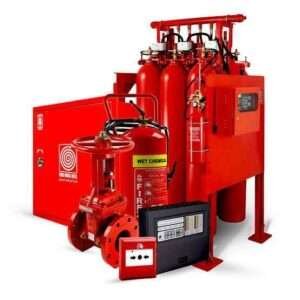
A fire alarm system helps alert occupants when a possible fire is detected or an alarm is manually activated.
Depending on the building, it may include smoke detectors, heat detectors, manual call points, alarm sounders, visual warning devices, and a control panel.
A suitable fire alarm system in Pakistan can support emergency preparedness in homes, offices, restaurants, factories, and commercial buildings.
However, a standard fire alarm system should not be confused with a dedicated gas leak detection system. Gas detectors are designed to detect specific gases and should be selected according to the actual hazards and installation requirements.
### Gas Leak Detection Systems
Suitable gas detectors can provide warnings when the concentration of a particular gas reaches a configured threshold.
Their selection and installation depend on the type of gas, room layout, ventilation, and equipment requirements.
Professional advice is important because detector positioning and maintenance affect performance.
### Fire Extinguishers
Appropriate firefighting equipment may form part of a building’s fire safety arrangements.
The type and placement of extinguishers should be selected according to the hazards present and relevant requirements.
Untrained people should not attempt to fight a gas-related fire. Their priority should be to raise the alarm, evacuate, and contact emergency responders.
### Emergency Lighting and Exit Signs
Emergency lighting and clearly identified exits help occupants leave a building if normal lighting becomes unavailable.
These arrangements are particularly important in commercial properties with multiple rooms, corridors, or floors.
### Regular Fire Safety Inspections
Gas safety and fire protection should be considered together.
A professional safety review can examine gas installations, electrical arrangements, alarm systems, evacuation routes, and other relevant hazards.
## Common Gas Cylinder Safety Mistakes to Avoid
Some unsafe practices continue because people underestimate the risks or become accustomed to poorly maintained equipment.
Avoiding these mistakes can improve safety.
### 1. Ignoring Unusual Smells
A gas-like smell should never be dismissed.
Leave the affected area and seek qualified assistance from a safe location.
### 2. Using Damaged Hoses or Regulators
Damaged or unsuitable components can create leakage risks.
They should be replaced or assessed by qualified personnel.
### 3. Storing Cylinders in Unsuitable Enclosures
Poor ventilation can allow leaked gas to accumulate.
Cylinder storage should follow appropriate design and safety requirements.
### 4. Allowing Unauthorized Repairs
Unqualified people should not modify valves, regulators, or gas connections.
Improvised repairs can make an existing problem worse.
### 5. Blocking Access to Cylinders
Storage items, waste, and furniture should not prevent access for inspection or emergency response.
### 6. Ignoring Staff Training
Employees who work around gas equipment should understand basic safety procedures.
A lack of awareness can lead to confusion when a problem occurs.
### 7. Treating Fire Alarms as Gas Leak Detectors
Fire alarms and gas detectors perform different functions.
Buildings with relevant gas hazards should be assessed to determine whether dedicated gas detection is required.
## Developing a Gas Cylinder Safety Checklist
A practical checklist helps households and businesses review their safety arrangements.
**Cylinder and equipment condition**
– Cylinders are obtained from reputable suppliers.
– Containers show no obvious signs of serious damage.
– Regulators and hoses are suitable for the installation.
– Suspected defects are reported promptly.
– Professional inspections are arranged as required.
**Storage and surroundings**
– Cylinders are kept in appropriate locations.
– Storage arrangements provide suitable ventilation.
– Equipment is protected from excessive heat.
– Combustible materials are managed appropriately.
– Access to cylinders is not obstructed.
**People and emergency arrangements**
– Family members or employees understand basic safety rules.
– Children are kept away from gas equipment.
– Emergency exits remain accessible.
– People know what to do if a leak is suspected.
– Emergency contact information is available.
– Relevant fire and gas detection systems are maintained.
This checklist is a general awareness tool. It does not replace professional inspection or applicable safety requirements.
## Gas Cylinder Safety in Pakistan: Important Considerations
Gas cylinders are used in many parts of Pakistan, including homes, restaurants, hotels, shops, and industrial facilities.
Their safe use requires attention to the condition of the cylinder, the quality of associated equipment, and the suitability of the storage location.
Businesses should establish clear responsibilities for inspection, maintenance, staff awareness, and emergency planning.
Households should obtain cylinders from reputable suppliers and avoid makeshift installations.
Property owners should also consider the relationship between gas safety and other building systems. Electrical faults, poor ventilation, blocked exits, and inadequate emergency arrangements can make an already hazardous situation more difficult to manage.
A coordinated approach helps create safer residential and commercial environments.
## Why Gas Cylinder Safety Is a Worthwhile Investment
Investing in gas cylinder safety provides several long-term benefits.
First, it helps reduce the likelihood of avoidable gas leaks and related emergencies. Second, it protects people who live, work, or visit the premises. Third, it helps prevent damage to buildings, appliances, and business assets.
For commercial operators, good safety practices can also support business continuity and improve employee confidence.
The investment may include professional inspections, suitable regulators and hoses, appropriate storage arrangements, staff training, and relevant detection or alarm equipment.
These costs should be considered part of responsible property management rather than unnecessary expenses.
The most effective approach is to identify the actual hazards at a property and select suitable safety measures with professional guidance.
## Conclusion
Gas cylinder safety is essential wherever LPG is stored or used. Damaged equipment, unsuitable storage, poor ventilation, and neglected maintenance can create serious risks for households and businesses.
By purchasing cylinders from reputable suppliers, using compatible equipment, arranging professional inspections, and educating occupants, property owners can reduce avoidable hazards.
Fire alarm systems, gas detectors, emergency lighting, and evacuation arrangements can provide additional protection when selected according to the building’s requirements.
For homes and workplaces across Pakistan, gas cylinder safety should be treated as an ongoing responsibility. A relatively small investment in proper equipment, maintenance, and awareness can make a significant difference to protecting people and property.
## Frequently Asked Questions (FAQs)
### 1. Why is gas cylinder safety important?
Gas cylinder safety helps reduce the risk of gas leaks, fires, equipment damage, and other emergencies. Proper storage, suitable equipment, regular inspections, and responsible handling help protect people and property.
### 2. Where should gas cylinders be stored?
Gas cylinders should be stored in locations designed for their intended use, with appropriate ventilation and protection from excessive heat and physical damage. They should not be placed in unsuitable enclosed spaces or where they obstruct emergency exits. Applicable requirements should be followed.
### 3. What should I do if I suspect a gas leak?
Leave the affected area, avoid flames and electrical switches, warn other people, and contact the gas supplier or emergency services from a safe location. Do not attempt an improvised repair or use a flame to locate the leak.