A garage is often used for much more than parking a vehicle. Many households use it to store tools, paint, cleaning products, fuel containers, gardening equipment, electrical appliances, and other everyday items. Businesses may also use garages for vehicle maintenance, equipment storage, and repair activities. Although these spaces are convenient, they can contain several potential fire hazards.
Garage fires can develop because of electrical faults, improperly stored flammable materials, vehicle-related problems, battery charging, heating equipment, or poor housekeeping. When combustible materials are stored close together, a fire may spread and put people and property at risk.
In Pakistan, garage fire safety deserves attention in residential areas, workshops, commercial buildings, and industrial facilities. High temperatures, frequent use of electrical equipment, generator storage, and vehicle maintenance activities make it important to follow suitable safety practices.
The good news is that many garage fire risks can be reduced through proper storage, regular inspections, safe electrical use, suitable fire detection, and clear emergency procedures.
This guide explains garage fire safety in plain English. It covers common hazards, prevention methods, fire alarm systems, emergency planning, and practical steps that homeowners and business owners can take to improve protection.
1. Understand Why Garages Have Fire Risks
Garages can contain several materials and activities that increase fire risks. Unlike ordinary living spaces, they may include vehicles, fuel-related products, batteries, machinery, tools, chemicals, and electrical equipment.
Some garages also become storage areas for cardboard boxes, old furniture, paper, fabrics, and unused household items. These materials can provide additional combustible fuel if a fire occurs.
Common garage fire hazards include:
– Damaged electrical wiring and sockets.
– Poorly maintained appliances.
– Improper storage of flammable liquids.
– Vehicle maintenance activities.
– Battery charging equipment.
– Generators and fuel containers.
– Heating equipment and hot surfaces.
– Accumulated rubbish and clutter.
– Smoking or unattended ignition sources.
The first step towards better garage safety is recognising what is stored or used in the space. A simple inspection can help identify hazards that may otherwise go unnoticed.
Homeowners should review their garages periodically, while businesses should include garage and workshop areas in their formal fire risk assessments.
2. Keep the Garage Clean and Organised
Good housekeeping is one of the simplest ways to improve garage fire safety. A cluttered garage can make it difficult to identify hazards, access electrical panels, or leave the building quickly during an emergency.
Cardboard, paper, old clothes, packaging, and unused furniture should not be allowed to accumulate unnecessarily. These materials can contribute to a fire if exposed to an ignition source.
A well-organised garage should have designated storage areas for tools, household supplies, and other equipment.
Follow these housekeeping practices:
– Remove unnecessary combustible waste.
– Keep floors and work surfaces clean.
– Store tools in suitable cabinets or racks.
– Avoid stacking boxes near electrical equipment.
– Keep doors and escape routes unobstructed.
– Do not store items around electrical panels.
– Clean up spills using appropriate procedures.
– Keep access to emergency equipment clear.
Regular cleaning also makes it easier to notice damaged cables, leaking containers, and other maintenance problems.
A clean garage is not automatically fireproof, but good housekeeping reduces unnecessary hazards and supports safer movement during an emergency.
3. Store Flammable Liquids Safely
Many garages contain paints, thinners, solvents, cleaning products, fuels, and other substances that may be flammable. Incorrect storage can increase the possibility of fire.
Flammable products should be kept in suitable, properly labelled containers and stored according to manufacturer instructions. They should be kept away from heat sources, direct sunlight where storage instructions require protection, and possible ignition sources.
Important storage precautions include:
– Keep products in their original labelled containers.
– Follow the manufacturer’s storage instructions.
– Avoid storing unnecessary quantities.
– Keep containers closed when not in use.
– Store products in an appropriate, well-managed location.
– Keep them away from children and unauthorised people.
– Separate incompatible chemicals according to professional guidance.
Never transfer petrol, solvents, or other hazardous liquids into drink bottles or food containers. This can create confusion and increase the possibility of accidental misuse.
For commercial workshops, storage arrangements should reflect the type and quantity of substances present. Qualified safety professionals can help determine suitable storage facilities and precautions.
4. Maintain Electrical Wiring and Equipment
Electrical problems are an important cause of fires in garages. Wiring may be exposed to physical damage, moisture, dust, and frequent equipment use.
Sockets, switches, extension boards, lighting, and power tools should be inspected periodically. Damaged cables, loose connections, and faulty appliances should not be ignored.
Warning signs may include:
– Burning smells near electrical equipment.
– Unusually warm sockets or plugs.
– Repeated circuit breaker trips.
– Flickering lights.
– Damaged or discoloured outlets.
– Buzzing or crackling sounds.
– Visible cable damage.
If any of these signs appear, stop using the affected equipment when safe and arrange an inspection by a qualified electrician.
Avoid overloading extension boards or connecting several high-power appliances to one socket. Electrical installations should be suitable for the equipment being used.
Do not attempt to repair internal wiring or electrical panels without appropriate training. Professional installation and maintenance are essential for long-term safety.
5. Follow Safe Vehicle Maintenance Practices
Vehicles contain electrical components, fuel systems, batteries, and other parts that require proper maintenance. Problems involving these systems can create fire hazards.
Routine vehicle maintenance should be carried out by qualified technicians when it involves fuel systems, electrical wiring, or other specialist components.
Garage owners should pay attention to:
– Unusual fuel smells or visible leaks.
– Damaged vehicle wiring.
– Faulty electrical accessories.
– Poorly maintained batteries.
– Unusual overheating or warning indicators.
– Accumulated combustible materials near vehicles.
If a vehicle appears to have a fuel leak or another serious fault, avoid operating it until it has been inspected by a qualified professional.
Do not smoke or use open flames around vehicles or areas where flammable vapours may be present. Keep the garage ventilated according to its design and intended use.
Vehicle maintenance areas in commercial workshops should have clear safety procedures and appropriate equipment for the activities performed.
6. Be Careful with Battery Charging
Many garages contain batteries for cars, motorcycles, backup power systems, tools, and other equipment. Charging and storing batteries incorrectly can create safety risks.
Battery types have different charging and storage requirements. Always follow the manufacturer’s instructions and use compatible charging equipment.
General precautions include:
– Use chargers suitable for the specific battery.
– Inspect charging equipment for visible damage.
– Keep charging areas free from unnecessary clutter.
– Follow the manufacturer’s ventilation requirements.
– Keep batteries away from inappropriate heat sources.
– Prevent children and unauthorised people from accessing charging areas.
– Stop using equipment that shows signs of damage or malfunction.
Some battery systems can release hazardous gases or experience thermal problems if damaged or incorrectly handled. Their installation and maintenance should be performed by suitably qualified people.
Do not attempt to modify battery packs, bypass charging protections, or use damaged charging equipment.
Commercial facilities with multiple charging stations should have a documented battery safety procedure based on the equipment and battery types in use.
7. Use Generators and Fuel Safely
Generators may be used in Pakistan during electricity interruptions. However, their use requires careful attention because they involve fuel, electrical connections, exhaust, and heat.
Generators must never be operated inside a garage, home, enclosed room, or poorly ventilated space. They should be installed in a suitable outdoor location by qualified professionals.
Important safety measures include:
– Keep generators away from doors, windows, and air intakes.
– Follow manufacturer installation and operating instructions.
– Store fuel in approved containers and suitable locations.
– Keep fuel away from heat and ignition sources.
– Allow equipment to cool according to manufacturer instructions before refuelling.
– Use appropriate electrical connections.
– Keep children and unauthorised people away from generator areas.
Never connect a generator directly to a building’s electrical system through an improvised connection. A qualified electrician should arrange suitable transfer equipment and installation.
Fuel storage should also be reviewed regularly. Unnecessary fuel containers should not be kept in a residential garage.
8. Keep Heat Sources Away from Combustible Materials
Garages may contain heaters, work lights, welding equipment, vehicle components, and other sources of heat. When these are used near combustible materials, the risk of fire can increase.
Paper, cardboard, fabrics, cleaning products, and flammable liquids should be kept away from heat-producing equipment.
Homeowners and workshop managers should ensure that equipment is suitable for the environment and used according to manufacturer instructions.
Additional precautions include:
– Avoid placing combustible items near heaters.
– Keep work areas organised.
– Do not leave heat-producing equipment operating unattended.
– Arrange professional maintenance.
– Keep flammable products away from ignition sources.
– Follow safety procedures for specialist workshop activities.
Welding, grinding, and other hot-work activities require formal precautions. Commercial facilities should use appropriate hot-work procedures and ensure that only trained and authorised people perform these tasks.
9. Install Suitable Fire Detection Equipment
Early warning is an important part of garage fire safety. A suitable detection system can alert occupants when smoke or heat is detected, depending on the type of equipment installed.
The correct detection arrangement depends on the garage’s design, size, ventilation, stored materials, and activities. A small domestic garage may have different requirements from a commercial vehicle workshop or industrial maintenance area.
Smoke detectors and heat detectors are designed for different conditions. For example, dust, vehicle exhaust, and normal workshop activities may affect the suitability or placement of particular devices.
A qualified fire safety professional should assess the environment before recommending equipment.
Property owners should consider:
– Suitable detector types.
– Appropriate device placement.
– Compatibility with the wider alarm system.
– Reliable power arrangements.
– Regular inspection and testing.
– Maintenance by qualified personnel.
Detectors should never be covered, removed, or disabled simply because they produce inconvenient warnings. Repeated unwanted alarms should be investigated by a qualified technician.
10. Understand the Role of a Fire Alarm System
A fire alarm system helps warn people when a fire-related condition is detected. It can be an important part of a garage’s wider fire safety arrangements.
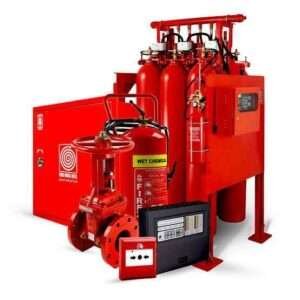
A suitable fire alarm system in Pakistan should be selected according to the building’s size, layout, occupancy, and potential hazards. The system may include smoke detectors, heat detectors, manual call points, alarm sounders, and a control panel.
In residential garages, the system may need to connect with the wider home safety arrangement. Commercial garages and workshops may require more extensive detection and warning arrangements.
A properly designed system should:
– Provide suitable detection for the environment.
– Alert occupants clearly.
– Be installed in appropriate locations.
– Include suitable power arrangements.
– Be inspected and tested regularly.
– Receive professional maintenance.
– Follow applicable safety requirements.
An alarm system does not prevent a fire from starting. It provides a warning that can help people respond and evacuate.
The alarm should be combined with suitable electrical protection, safe storage practices, clear escape routes, and an emergency plan.
11. Keep Fire Extinguishers Suitable and Accessible
Fire extinguishers are useful safety equipment, but different types are designed for different fire hazards. A garage may contain ordinary combustible materials, electrical equipment, flammable liquids, or other risks.
The appropriate extinguisher should be selected following a professional assessment. The wrong type may be unsuitable or unsafe for a particular fire.
Garage owners should ensure that:
– Extinguishers are suitable for the identified hazards.
– Equipment is easy to locate and access.
– Instructions and identification labels are visible.
– Inspection and servicing are completed as required.
– Access is not blocked by vehicles or stored items.
– Users receive appropriate training.
An extinguisher should never encourage someone to remain in a dangerous area. If a fire is spreading, smoke is present, or the escape route is threatened, leave immediately and contact emergency services.
Only appropriately trained people should consider using firefighting equipment, and only when conditions are safe and an exit remains available. Protecting people must always come before protecting property.
12. Maintain Clear Garage Exits and Escape Routes
A garage should have a clear route to a safe exit. Stored items, tools, vehicles, and equipment should never block doors or narrow walkways.
During an emergency, people may need to leave quickly. Clutter can delay evacuation and make it harder for occupants to reach safety.
Good escape-route management includes:
– Keeping doors and walkways unobstructed.
– Ensuring exit doors can be opened easily.
– Providing suitable emergency signage where required.
– Keeping access to other parts of the building clear.
– Avoiding storage in stairways and corridors.
– Identifying a safe outdoor meeting point.
If the garage is connected to a home or workplace, the fire safety plan should explain how occupants can leave the entire building safely.
Never assume that the vehicle entrance will always be available as an emergency exit. A separate pedestrian exit may be important, depending on the building design.
Once outside, nobody should return to the building until emergency personnel confirm that it is safe.
13. Improve Garage Safety for Children
Children may enter garages to look for toys, bicycles, tools, or other household items. However, garages can contain chemicals, sharp tools, electrical equipment, hot surfaces, and vehicles.
Parents and caregivers should keep hazardous products and equipment in secure locations.
Useful precautions include:
– Keep chemicals and flammable liquids locked away.
– Store matches and lighters out of children’s reach.
– Restrict access to workshop equipment.
– Secure electrical tools and charging equipment.
– Explain that children should never touch damaged wires.
– Keep children away from vehicles during movement.
– Teach children to leave immediately if they see smoke or fire.
Children should know how to alert an adult and follow the household evacuation plan. They should not be expected to operate extinguishers or investigate emergencies.
Age-appropriate safety education can help families reduce avoidable accidents.
14. Create a Garage Fire Safety Inspection Checklist
A simple inspection routine can help homeowners and businesses identify problems before they become serious.
Housekeeping
– Remove unnecessary cardboard and waste.
– Keep floors and work surfaces clean.
– Store tools and equipment properly.
– Keep emergency exits clear.
Electrical safety
– Inspect visible cables and plugs.
– Avoid overloaded extension boards.
– Arrange professional repairs.
– Investigate repeated circuit breaker trips.
Flammable materials
– Store products in suitable containers.
– Follow manufacturer instructions.
– Keep materials away from heat sources.
– Prevent unauthorised access.
Vehicles and equipment
– Arrange regular vehicle maintenance.
– Check for visible leaks.
– Use suitable battery charging equipment.
– Maintain generators professionally.
Fire protection
– Review detector suitability.
– Test alarms according to manufacturer instructions.
– Keep extinguishers accessible.
– Maintain service records.
– Review emergency procedures.
This checklist should be adapted to the type of garage. A residential garage, repair workshop, and commercial vehicle facility may have different hazards and requirements.
15. Prepare an Emergency Response Plan
Every garage should be included in the property’s emergency plan. Occupants need to know how to respond if smoke, fire, or another dangerous condition is detected.
A basic plan should explain:
1. How occupants will receive an emergency warning.
2. Which exits should be used.
3. Where people should gather outside.
4. Who should contact emergency services.
5. How visitors and workers will be accounted for.
6. How people who need assistance will be supported.
If a fire occurs, raise the alarm and evacuate. Do not stop to collect personal belongings or attempt to move a vehicle.
Contact emergency services from a safe location and provide clear information about the incident. Do not re-enter the garage or building until authorised emergency personnel confirm that it is safe.
Businesses should practise evacuation procedures and ensure that employees understand their responsibilities.
16. Garage Fire Safety in Pakistan’s Summer Season
Summer conditions can introduce additional challenges for garages in Pakistan. High temperatures, increased electricity use, and generator operation may require closer attention to equipment and storage arrangements.
Property owners should review air circulation, electrical equipment, battery charging, and the storage of fuel and chemicals.
Practical summer precautions include:
– Arrange servicing of electrical and mechanical equipment.
– Keep flammable products in suitable storage locations.
– Avoid unnecessary fuel storage.
– Maintain generators according to manufacturer guidance.
– Keep electrical equipment free from clutter.
– Check fire detection and alarm equipment.
– Ensure emergency exits remain accessible.
Garages used for commercial vehicle maintenance may also require additional ventilation and specialist safety arrangements.
Seasonal inspections can help identify changing hazards and ensure that safety measures remain appropriate.
17. Why Professional Fire Safety Assessments Matter
A garage may appear safe during an ordinary visit while still containing hidden electrical, storage, or detection problems.
Professional fire safety assessments help identify hazards based on the actual building and its activities. A specialist can review the garage layout, stored materials, electrical arrangements, detection equipment, and evacuation procedures.