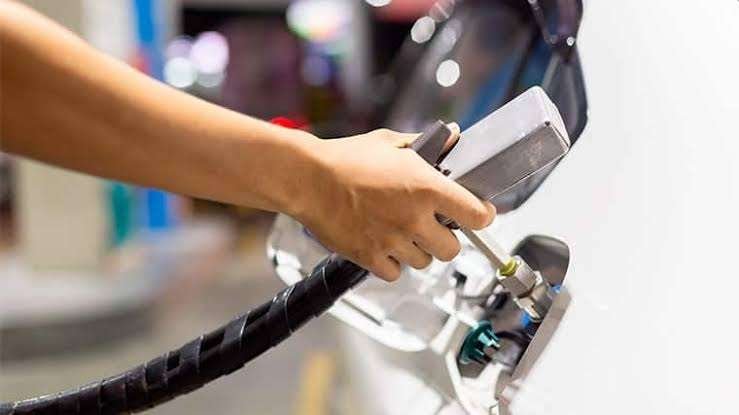
Compressed Natural Gas (CNG) is used as an alternative fuel in vehicles and, in some settings, as part of commercial transportation operations. It is valued for its different fuel characteristics and availability in certain regions. However, because CNG is stored under high pressure, its storage and handling require strict safety measures.
A CNG cylinder is not an ordinary container. It is a specialised pressure vessel designed and approved for a particular purpose. Its safety depends on its manufacturing quality, certification, condition, inspection history, and proper handling throughout its service life.
In Pakistan, CNG has been used in different types of vehicles over the years. Drivers, vehicle owners, transport operators, and workshop managers should understand that cylinder safety cannot be judged by appearance alone. A cylinder may have hidden damage or may no longer meet the requirements for continued service.
Regular professional inspections and responsible maintenance practices are therefore essential. This guide explains the important maintenance considerations for CNG cylinder safety, common warning signs, inspection responsibilities, and the precautions every vehicle owner should understand.
Important safety note: CNG cylinders and their associated high-pressure equipment must only be inspected, tested, installed, repaired, or removed by authorised and appropriately qualified professionals. Never attempt to adjust valves, connections, pressure components, or cylinder fittings yourself.
1. Understand Why CNG Cylinder Maintenance Matters
CNG cylinders store natural gas under high pressure. Their construction is designed to withstand specific operating conditions, but this does not mean they are immune to damage or deterioration.
Over time, a cylinder may be affected by external impact, corrosion, unsuitable installation conditions, exposure to harsh environments, or damage to associated components.
Professional maintenance helps identify concerns before equipment is approved for continued use.
Important reasons to take cylinder maintenance seriously include:
– Identifying visible damage and deterioration.
– Confirming that the cylinder remains within its approved service life.
– Checking whether inspection and testing requirements have been met.
– Ensuring that the cylinder and associated equipment are suitable for the vehicle.
– Maintaining accurate inspection records.
– Supporting safer vehicle operation.
Vehicle owners should never assume that an older cylinder remains safe simply because it has been used without an obvious problem.
A responsible maintenance programme should follow the cylinder manufacturer’s instructions and applicable regulatory requirements.
2. Check Cylinder Certification and Identification
One of the first things vehicle owners should understand is the importance of cylinder identification and documentation.
An approved CNG cylinder should have the required identification markings and supporting documentation. These details help qualified professionals establish the cylinder’s specifications and inspection history.
Depending on the cylinder and applicable requirements, identification information may include:
– Manufacturer’s name or identification.
– Cylinder serial number.
– Manufacturing date.
– Applicable standard or approval marking.
– Design specifications.
– Service-life information.
– Relevant inspection or testing details.
These details should be clear and consistent with the accompanying documents.
If identification markings are missing, unreadable, or appear inconsistent, the cylinder should be referred to an authorised professional for assessment.
Vehicle owners should also keep copies of relevant certificates and inspection records. Documentation makes it easier to confirm whether the cylinder is eligible for continued use.
Never rely on a seller’s verbal assurance as a substitute for genuine identification and certification.
3. Follow the Required Inspection Schedule
CNG cylinders require periodic inspection and testing according to the applicable standards, manufacturer’s requirements, and regulatory rules.
The inspection interval may depend on the cylinder type, its approval, its age, and the relevant requirements in force.
Vehicle owners should not guess inspection dates or assume that all cylinders follow the same schedule.
A qualified inspection provider can confirm:
– The cylinder’s manufacturing date.
– Its approved service life.
– The last inspection or test date.
– The next inspection requirement.
– Whether the cylinder remains eligible for service.
Inspection records should be kept safely and made available whenever required.
If a cylinder is overdue for inspection or its history cannot be confirmed, seek guidance from an authorised inspection facility before relying on it.
Regular professional assessment is an important part of responsible CNG cylinder ownership.
4. Understand the Importance of Visual Inspections
A visual assessment can help identify obvious external concerns, but it cannot replace the required professional examination or testing.
Vehicle owners should be aware of warning signs that need attention from a qualified professional.
These may include:
Visible corrosion: Rust or corrosion may indicate that the cylinder’s external condition needs assessment.
Dents or impact marks: Signs of an impact should never be ignored, even if the cylinder appears unchanged otherwise.
Cracks or surface damage: Any suspected structural damage requires professional evaluation.
Unusual changes: Any unexpected change in the cylinder’s appearance should be reported.
Missing identification: Unclear or missing markings can make it difficult to confirm the cylinder’s approval and history.
Do not scrape, sand, paint over, or otherwise alter cylinder markings or surfaces to make them look better.
A cylinder that appears normal may still have a problem that cannot be identified through an ordinary visual check. Professional inspection remains essential.
5. Pay Attention to Corrosion and Environmental Conditions
Corrosion is an important consideration for metal pressure vessels. Exposure to moisture, road conditions, chemicals, and unsuitable storage environments may affect a cylinder’s external condition.
Vehicles used in different parts of Pakistan may experience varying environmental conditions. Dust, humidity, road debris, and other factors can contribute to wear or deterioration.
Owners should discuss environmental exposure with an authorised service provider, especially if a vehicle is frequently used in demanding conditions.
Professional assessment may consider:
– The cylinder’s external condition.
– Signs of corrosion or deterioration.
– Its mounting and surrounding environment.
– The condition of protective features.
– Whether further examination or testing is necessary.
Do not attempt to remove corrosion or carry out surface repairs yourself. Such work may affect the cylinder’s integrity or conceal evidence that an inspector needs to examine.
If corrosion is suspected, have the cylinder assessed by an authorised professional.
6. Never Ignore Unusual Gas Odours
Natural gas used in CNG systems is generally supplied with an odorant to help people recognise possible leaks.
An unusual gas smell around a vehicle should always be treated seriously.
If a gas leak is suspected:
1. Stop using the vehicle when it is safe to do so.
2. Keep people away from the suspected area.
3. Avoid flames, smoking, and other potential ignition sources.
4. Do not operate electrical switches or equipment near the suspected leak.
5. Move to a safe location.
6. Contact the appropriate emergency service or authorised CNG professional.
Do not attempt to locate the leak, tighten fittings, adjust valves, or repair the system yourself.
A suspected leak requires assessment by qualified personnel using appropriate procedures and equipment.
Even if the smell disappears, do not assume that the vehicle is safe. Arrange a professional inspection before returning it to normal use.
7. Ensure the Cylinder Is Suitable for the Vehicle
Not every CNG cylinder is suitable for every vehicle.
Cylinder selection depends on approved specifications, vehicle design, installation requirements, and applicable regulations.
An unsuitable cylinder may create problems with weight, mounting, available space, or compatibility with the vehicle’s approved system.
Before purchasing or replacing a cylinder, owners should confirm:
– The cylinder is approved for the intended application.
– Its specifications match the vehicle’s requirements.
– Its identification and documentation are genuine.
– Its service-life requirements are understood.
– Installation will be completed by an authorised professional.
Vehicle owners should avoid purchasing unidentified, uncertified, or second-hand cylinders with an unclear history.
A professional should verify suitability before any cylinder is installed or approved for use.
8. Use Authorised Professionals for Maintenance
CNG systems contain high-pressure components that require specialist knowledge, approved equipment, and appropriate training.
For this reason, maintenance should never be treated as an ordinary do-it-yourself vehicle task.
A qualified professional can assess the cylinder and associated system according to the applicable requirements.
Professional services may include:
– Reviewing cylinder identification and documentation.
– Assessing visible condition.
– Checking inspection and testing history.
– Confirming whether the cylinder remains within its service life.
– Evaluating installation suitability.
– Arranging required inspection or testing.
– Identifying whether replacement is necessary.
Vehicle owners should ask service providers about their authorisation, experience, inspection procedures, and documentation.
Do not allow unqualified individuals to repair, modify, weld, heat, drill, or otherwise alter a CNG cylinder.
Such actions may compromise the cylinder’s approved design and create serious safety concerns.
9. Understand Cylinder Service Life
CNG cylinders are designed for a defined service life. This period depends on the cylinder’s design, approval, manufacturer specifications, and applicable requirements.
A cylinder should not be used beyond its approved service life simply because it appears to be in good condition.
The manufacturing date and relevant identification information are important when determining whether the cylinder remains eligible for use.
Vehicle owners should ask an authorised inspection provider to explain:
– The cylinder’s approved service life.
– How its age is calculated.
– Whether periodic inspection is required.
– Whether it is approaching the end of its service life.
– What documentation is needed for replacement.
When a cylinder reaches the end of its approved service life, it must be handled according to applicable requirements.
Replacement and disposal should be arranged through authorised channels. Owners should never attempt to empty, dismantle, cut, or dispose of a pressure cylinder themselves.
10. Check Installation and Mounting Condition Professionally
A CNG cylinder must be installed according to the vehicle’s approved design and relevant safety requirements.
Its mounting arrangement is important because the cylinder must remain properly supported under expected vehicle conditions.
Vehicle owners should have the installation assessed by a qualified professional if they notice unusual movement, impact damage, or changes in the vehicle’s structure around the cylinder.
Professional assessment may consider:
– Whether the installation follows the approved design.
– Whether the mounting arrangement is suitable.
– Whether surrounding vehicle components have been damaged.
– Whether the cylinder is exposed to unsuitable conditions.
– Whether the installation remains compliant.
Do not attempt to reposition, tighten, or modify cylinder mounts yourself.
If the vehicle has been involved in a collision or has suffered significant damage near the cylinder, arrange an authorised inspection before using the CNG system again.
11. Be Careful When Buying a Replacement CNG Cylinder
Choosing a replacement cylinder requires more than comparing prices.
A low-cost cylinder may not provide the documentation, approval, or service history needed to establish its suitability.
Before buying, vehicle owners should ask the supplier for relevant information.
Important purchasing considerations include:
Manufacturer information: The product should have identifiable manufacturer details.
Approval documents: Relevant certification and conformity information should be available.
Identification markings: The cylinder should have clear and consistent identification.
Manufacturing date: The age of the cylinder should be known.
Service-life details: Buyers should understand how long the cylinder is approved for use.
Inspection history: Where relevant, previous inspection records should be available.
Professional installation: The supplier should explain how authorised installation will be arranged.
Avoid purchasing cylinders with missing markings, unclear ownership, questionable documentation, or an unknown history.
The safest purchasing decision is one based on verified suitability and documentation rather than price alone.
12. Keep Accurate Maintenance and Inspection Records
Records are an important part of CNG cylinder safety.
They help vehicle owners and authorised service providers understand the cylinder’s history and determine whether further inspection or replacement is required.
Useful records may include:
– Purchase documentation.
– Manufacturer information.
– Cylinder identification details.
– Manufacturing date.
– Inspection certificates.
– Testing records.
– Installation documentation.
– Maintenance reports.
– Replacement information.
Keep these records in a safe and accessible place.
If a vehicle changes ownership, relevant cylinder documentation should be passed to the new owner where appropriate.
Accurate records also help prevent confusion about inspection dates and service-life limits.
If documents are missing, ask an authorised inspection provider how the cylinder’s identity and status can be verified.
13. Understand the Role of CNG Stations
CNG refuelling stations have an important role in the wider safety environment.
They should operate according to applicable requirements and maintain appropriate equipment, staff training, and safety arrangements.
Vehicle owners should use authorised and properly operated stations rather than informal or unverified refuelling facilities.
They should also follow the station’s instructions and any applicable vehicle eligibility requirements.
A station attendant may refuse service if a cylinder or vehicle does not meet the required conditions.
Vehicle owners should treat such concerns seriously and arrange professional assessment rather than seeking another station to avoid an inspection.
CNG station safety and vehicle cylinder safety are connected. Responsible operation across the entire refuelling process helps support safer use of the fuel.
14. What to Do After a Vehicle Accident
A collision or other significant impact may affect a CNG cylinder or its associated installation.
Even when there is no obvious external damage, the vehicle should not automatically be considered safe for continued CNG operation.
If the vehicle has experienced an accident, owners should arrange assessment through an authorised CNG professional.
The inspection may consider the cylinder’s condition, installation, supporting structure, and associated equipment.
If a gas smell or other warning sign is present, keep away from the vehicle and contact emergency services from a safe location.
Do not attempt to inspect the cylinder closely, move damaged equipment, or carry out repairs.
Professional assessment is particularly important after an accident because some damage may not be visible to an untrained person.
15. Common CNG Cylinder Safety Mistakes to Avoid
Many safety problems arise when vehicle owners ignore documentation, delay inspections, or allow unqualified people to work on pressure equipment.
Common mistakes include:
Ignoring inspection dates: Cylinders must meet the inspection and service-life requirements that apply to them.
Buying unidentified cylinders: Missing or unclear identification can make it difficult to confirm approval and history.
Using unqualified workshops: High-pressure equipment requires authorised and competent professionals.
Ignoring unusual gas smells: Suspected leaks should always be treated as serious concerns.
Overlooking accident damage: A vehicle involved in a significant collision may require professional assessment before further CNG use.
Attempting DIY repairs: Owners should never modify or repair CNG cylinders or high-pressure components themselves.
Ignoring documentation: Inspection and certification records are important for confirming cylinder status.
Avoiding these mistakes supports more responsible vehicle ownership and helps ensure that safety requirements are not overlooked.
16. CNG Cylinder Safety and Fire Protection in Pakistan
CNG cylinder safety is one part of a broader fire and gas safety strategy.
Vehicle owners, workshops, transport operators, and commercial organisations should understand how fuel-related hazards fit into their overall safety arrangements.
For example, a workshop that services vehicles may need suitable fire safety equipment, emergency procedures, staff training, and clearly identified evacuation routes.
A suitable fire alarm system in Pakistan can support early warning in buildings where fire detection is required. However, a building alarm does not replace safe CNG cylinder management or professional inspection of vehicle equipment.
Different safety measures serve different purposes:
– Cylinder inspections help assess pressure vessel condition.
– Qualified maintenance supports approved equipment operation.
– Gas detection systems may provide warnings in suitable environments.
– Fire alarm systems provide warnings about detected fire conditions.
– Fire extinguishers and other protection equipment form part of a broader fire safety arrangement.
– Emergency plans help people respond appropriately.
Workshops and commercial premises should obtain professional fire safety assessments based on their activities, building layout, and applicable requirements.
17. A Practical CNG Cylinder Safety Checklist
Vehicle owners can use the following checklist to organise their safety responsibilities.
– [ ] Cylinder identification markings are available and readable.
– [ ] Manufacturing and service-life details are documented.
– [ ] Inspection and testing records are available.
– [ ] The cylinder has not exceeded its approved service life.
– [ ] No suspected damage or corrosion has been ignored.
– [ ] Any unusual gas odour has been reported.
– [ ] Installation suitability has been assessed professionally.
– [ ] The vehicle has received an authorised assessment after a significant accident.
– [ ] Maintenance is handled by qualified professionals.
– [ ] Replacement cylinders are approved and properly documented.
– [ ] Relevant certificates are kept safely.
– [ ] The vehicle meets applicable requirements before refuelling.
This checklist is intended to support awareness and record-keeping. It does not replace professional inspection, testing, or approval.
Conclusion
CNG cylinder safety requires continuous attention, accurate documentation, and professional maintenance. Because these cylinders store gas under high pressure, their condition should never be judged by appearance alone.
Vehicle owners in Pakistan should understand cylinder identification, approved servic