Running a small business involves many responsibilities, from managing employees and serving customers to maintaining equipment and controlling expenses. However, one responsibility that should never be overlooked is fire safety. Whether you operate a small shop, office, restaurant, workshop, warehouse, or retail outlet, protecting people and property from fire risks is essential.
Small businesses often work with limited space, staff, and resources. Some operate in rented buildings where owners have little control over the property’s electrical installations or overall structure. Others may use cooking equipment, electrical appliances, storage areas, or machinery that require additional safety attention.
A fire emergency can interrupt business operations, damage valuable equipment, affect employees and customers, and create financial difficulties. Good fire safety practices help businesses identify potential hazards, reduce avoidable risks, and prepare employees to respond appropriately.
In Pakistan, small businesses operate in many different environments, including shopping markets, commercial plazas, offices, industrial areas, and residential streets. Each setting has its own safety considerations.
This guide explains fire safety in plain English, covering common risks, prevention measures, fire alarms, emergency exits, staff training, and practical steps small business owners can take to create a safer workplace.
1. Why Is Fire Safety Important for Small Businesses?
Fire safety is important because a small business can be affected by an emergency just as seriously as a large organisation.
Many small businesses depend on a limited number of employees, essential equipment, stock, and daily customer activity. A fire-related incident may interrupt operations and make it difficult to continue serving customers.
Fire safety helps businesses:
– Protect employees, customers, and visitors.
– Reduce the risk of preventable fire incidents.
– Identify unsafe conditions.
– Support faster emergency awareness.
– Protect equipment, stock, and business premises.
– Maintain better workplace safety arrangements.
– Prepare employees for emergencies.
Fire safety is not only about purchasing equipment. It also involves daily habits, responsible management, proper building maintenance, and clear emergency procedures.
A small investment in prevention and planning can support a safer working environment.
2. Identify Common Fire Risks in Small Businesses
Before improving fire safety, business owners should understand the hazards that may exist in their premises.
Different businesses have different risks. A restaurant may have cooking equipment, while a clothing shop may contain large quantities of combustible stock. An office may depend heavily on electrical equipment, computers, and extension boards.
Common fire risks include:
Electrical Problems
Damaged wiring, faulty appliances, overloaded electrical outlets, and poorly maintained installations can create fire hazards.
Businesses should arrange electrical inspections through qualified professionals and report any unusual electrical problems promptly.
Cooking Equipment
Restaurants, cafés, bakeries, and food businesses use cooking equipment that requires appropriate supervision and maintenance.
Cooking areas should be organised, and employees should understand the safety instructions for the equipment they use.
Combustible Materials
Paper, cardboard, packaging, textiles, cleaning materials, and other combustible products may increase fire risks when stored improperly.
Businesses should maintain suitable storage arrangements and keep unnecessary materials away from potential ignition sources.
Heating Equipment
Portable heaters and other heating appliances require responsible use. Their placement and operation should follow manufacturer instructions.
Poor Housekeeping
Cluttered work areas, blocked corridors, and accumulated waste can create unnecessary safety problems.
Regular housekeeping helps keep the workplace organised and supports clear evacuation routes.
Identifying these hazards is the first step toward improving workplace fire safety.
3. Conduct a Basic Workplace Fire Risk Assessment
A fire risk assessment helps business owners understand what could cause a fire, who might be affected, and what safety improvements may be needed.
Small businesses should not assume that a workplace is safe simply because it has never experienced a fire.
A basic assessment should consider the following areas:
Potential fire hazards: Identify equipment, activities, and materials that may contribute to fire risks.
People at risk: Consider employees, customers, delivery workers, visitors, children, older adults, and people who may need additional assistance.
Existing precautions: Review available fire detection, warning devices, emergency lighting, exits, and firefighting equipment.
Evacuation arrangements: Check whether people can identify suitable escape routes and safe meeting locations.
Maintenance: Consider whether safety equipment and building systems receive appropriate professional attention.
Training: Determine whether employees understand emergency procedures.
Complex workplaces or premises with specialised hazards should receive an assessment from a qualified fire safety professional.
The assessment should be reviewed whenever the business changes its layout, activities, equipment, or occupancy.
4. Install a Suitable Fire Alarm System
A fire alarm system is an important part of workplace safety because it warns occupants when a possible fire is detected.
Early warning can help employees and customers recognise an emergency and follow the building’s evacuation instructions.
The appropriate system depends on the size, layout, use, and risk profile of the premises.
For example, a small office may have different requirements from a restaurant, warehouse, or multi-storey commercial building.
When considering a fire alarm system in Pakistan, small business owners should pay attention to:
– The size and layout of the premises.
– The number of people regularly present.
– Suitable detector types.
– The location of alarm devices.
– Audible and visual warning requirements.
– Backup power arrangements.
– Product documentation and compatibility.
– Professional installation and maintenance.
A qualified fire safety professional can assess the building and recommend an appropriate solution.
Business owners should not choose a system only because it is inexpensive or has many advertised features. The equipment must match the actual needs of the premises.
5. Understand Different Types of Fire Detection Devices
Fire detection devices identify different conditions associated with a possible fire. The right type depends on the environment in which the device will operate.
Smoke Detectors
Smoke detectors identify smoke particles in the surrounding air. They are commonly used in suitable offices, corridors, and other indoor spaces.
Heat Detectors
Heat detectors respond to temperature-related conditions. They may be suitable for certain environments where ordinary smoke detection could be affected by normal workplace activities.
Multi-Sensor Detectors
Multi-sensor devices combine different sensing technologies. Depending on the model, they may assess more than one fire-related condition.
Manual Call Points
Manual call points allow a person to activate the fire alarm when they discover an emergency.
Their locations should be clearly identified and included in the building’s fire safety plan.
Detector selection and placement should be determined by competent professionals. Installing the wrong type of detector in an unsuitable location may reduce system effectiveness.
6. Keep Fire Extinguishers Suitable and Accessible
Fire extinguishers are common components of workplace fire protection, but not every extinguisher is suitable for every type of fire.
Different extinguishers are designed for different fire classifications and environments.
Small business owners should seek professional guidance to determine:
– Which extinguisher types are appropriate.
– How many units may be required.
– Where equipment should be located.
– Whether employees need specific training.
– How inspection and servicing will be arranged.
Extinguishers should be visible, accessible, and maintained according to the manufacturer’s instructions and applicable requirements.
Employees should never be expected to fight a fire if they are untrained, if the fire is spreading, or if their escape route may become unsafe.
The priority during an emergency is to raise the alarm, evacuate people, and contact emergency services.
7. Maintain Clear Emergency Exits
Emergency exits provide designated routes that help people leave a building during an emergency.
Even a well-equipped business may have an unsafe evacuation arrangement if its exits are blocked or difficult to identify.
Business owners and managers should ensure that:
– Corridors remain clear.
– Exit doors are accessible.
– Emergency signs are visible.
– Stairways are not used for storage.
– Customers can identify evacuation directions.
– Designated assembly areas are understood.
In small shops, employees sometimes place boxes, display materials, or stock near doors and corridors. These items should not obstruct designated escape routes.
In multi-storey commercial buildings, management should explain which stairways are designated for evacuation.
Lifts should not be used during a fire evacuation unless authorised emergency personnel or an approved evacuation arrangement specifically directs otherwise.
8. Improve Electrical Safety in the Workplace
Electrical equipment is essential for most small businesses. Computers, printers, refrigerators, lighting, machinery, and other appliances all depend on electrical installations.
Poorly maintained equipment and unsuitable electrical practices may increase fire risks.
Businesses should develop responsible electrical safety habits.
Avoid Overloading Electrical Outlets
Using too many appliances through one outlet or extension board may create unsafe conditions. Electrical arrangements should be assessed by a qualified professional.
Replace Damaged Equipment
Appliances and cables showing visible damage should be taken out of use when safe and assessed by competent personnel.
Arrange Professional Inspections
Electrical installations should receive appropriate inspections based on the building’s use and requirements.
Keep Electrical Areas Organised
Avoid storing unnecessary combustible materials near electrical equipment and installations.
Follow Manufacturer Instructions
Employees should use appliances according to their instructions and avoid unauthorised modifications.
Business owners should never ask unqualified employees to repair fixed wiring or electrical equipment.
9. Store Materials Safely
Many small businesses keep stock, packaging, paper, cleaning products, or other materials on their premises.
Poor storage arrangements can increase fire risks and make evacuation more difficult.
Good storage practices include:
– Keeping storage areas organised.
– Avoiding unnecessary accumulation of waste.
– Maintaining clear access to exits.
– Following product storage instructions.
– Keeping unsuitable materials away from ignition sources.
– Ensuring storage does not block fire protection equipment.
Businesses that store chemicals, flammable products, or specialised materials may require additional safety arrangements.
Such workplaces should obtain advice from qualified fire safety professionals and follow the relevant storage and handling requirements.
10. Train Employees to Respond to Emergencies
Fire safety equipment is important, but employees also need to understand what to do when an emergency occurs.
Small businesses should provide clear instructions to all workers, including temporary staff and new employees.
Training should cover:
Recognising alarms: Employees should know what the building’s fire warning sounds like and what action it requires.
Evacuation routes: Workers should understand how to reach designated exits.
Emergency contacts: Staff should know how to contact the appropriate emergency services.
Assembly areas: Employees should know where to gather after leaving the building.
Reporting hazards: Workers should know how to report damaged equipment, blocked exits, or other concerns.
Helping others: Staff should understand their assigned responsibilities for assisting people who may need additional support, where it is safe to do so.
Training should be suitable for the workplace and refreshed when procedures or building arrangements change.
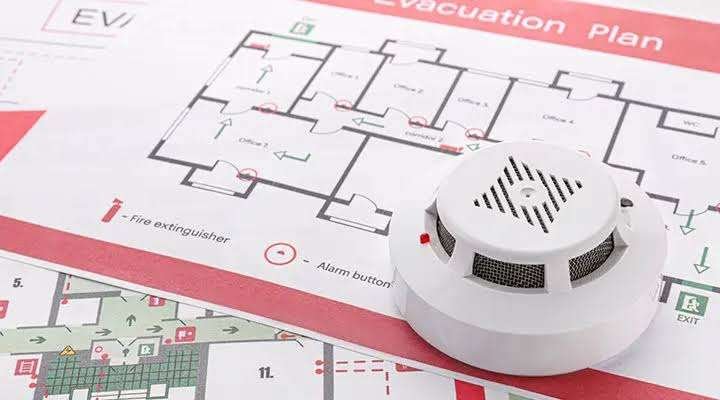
11. Develop a Simple Fire Evacuation Plan
Every small business should have a clear evacuation plan.
The plan should explain how employees and visitors can leave the premises safely and where they should gather afterward.
A useful evacuation plan should include:
– Main and alternative escape routes.
– The location of emergency exits.
– Alarm and warning procedures.
– A designated assembly area.
– Responsibilities for employees.
– Arrangements for visitors and customers.
– Assistance for people with mobility or other access needs.
– Procedures for contacting emergency services.
The plan should be communicated in a way employees can understand.
In customer-facing businesses, staff should know how to guide visitors toward safe exits without creating confusion.
Business owners should also consider how the plan will work outside normal working hours or when fewer employees are present.
12. Pay Attention to Kitchens and Food Preparation Areas
Restaurants, cafés, bakeries, and other food businesses have additional fire safety considerations because cooking equipment and heat sources are part of daily operations.
Business owners should ensure that cooking equipment is professionally installed and maintained.
Employees should understand the operating instructions and workplace safety procedures.
Important precautions include:
– Keeping cooking areas organised.
– Supervising cooking activities.
– Maintaining suitable ventilation.
– Keeping unnecessary materials away from heat sources.
– Arranging professional inspections of relevant equipment.
– Ensuring suitable fire protection equipment is available.
– Keeping evacuation routes accessible.
Employees should receive appropriate training for their roles.
If a fire occurs, staff should follow the emergency plan rather than taking risks to protect equipment or stock.
13. Maintain Fire Safety Equipment Regularly
Fire safety equipment must remain in suitable working condition.
A fire alarm that displays faults, a damaged detector, or an inaccessible extinguisher may not provide the expected protection.
Small businesses should establish a maintenance programme based on manufacturer guidance and applicable requirements.
Maintenance considerations may include:
– Fire alarm control panel condition.
– Detector inspection.
– Manual call point condition.
– Audible and visual warning devices.
– Emergency lighting.
– Fire extinguisher servicing.
– Exit signs and doors.
– Backup power arrangements.
Specialist inspection and servicing should be handled by competent professionals.
Business owners should keep records of inspections, repairs, and maintenance work.
These records help management understand the condition of the equipment and identify outstanding issues.
14. Consider the Safety of Customers and Visitors
Small businesses do not only have responsibilities toward their employees. Customers, suppliers, delivery workers, and visitors may also be inside the premises.
Visitors may not know the building layout or understand the emergency arrangements.
For this reason, businesses should make evacuation information easy to understand.
Useful measures include:
– Keeping exit signs visible.
– Maintaining clear walkways.
– Ensuring staff know how to guide visitors.
– Providing suitable warning arrangements.
– Considering people with disabilities.
– Displaying emergency instructions where appropriate.
Businesses should pay particular attention to busy periods when the number of people inside the premises may increase.
A suitable safety arrangement should consider the actual number and needs of people using the building.
15. What Should Small Businesses Do During a Fire Emergency?
Employees should understand that their personal safety and the safety of others come before business property.
If a fire alarm activates or a fire is discovered, workers should follow the established emergency procedures.
General guidance includes:
1. Raise the alarm if it has not already been activated.
2. Stop normal work and follow evacuation instructions.
3. Guide customers and visitors toward safe exits when possible.
4. Use designated stairways rather than lifts during a fire unless authorised personnel direct otherwise.
5. Leave belongings and business equipment behind.
6. Move to the designated assembly area.
7. Contact emergency services from a safe location.
8. Do not re-enter the premises until authorised personnel confirm it is safe.
Employees should not attempt to fight a spreading fire or take action that puts them in danger.
The evacuation plan should also explain how staff will account for employees after everyone has reached the assembly area.
16. Fire Safety Responsibilities for Small Business Owners
Business owners and managers have an important role in creating and maintaining a safe workplace.
Their responsibilities may include:
Identifying hazards: Review the premises and recognise possible sources of fire.
Arranging professional assessments: Obtain suitable advice when the workplace has complex risks or specialist equipment.
Maintaining safety equipment: Ensure alarms, extinguishers, emergency lighting, and other required equipment receive appropriate attention.
Training employees: Explain workplace procedures and emergency responsibilities.
Keeping exits clear: Make sure escape routes remain accessible.
Reviewing procedures: Update the fire safety plan when the business or building changes.
Communicating with landlords: If the business operates from rented premises, report building-related safety concerns and clarify responsibilities.
The exact legal duties depend on the type of premises and applicable local requirements. Business owners should obtain appropriate professional or regulatory guidance.
17. Fire Safety for Small Businesses in Pakistan
Small businesses in Pakistan operate in a wide range of buildings, from individual shops and offices to commercial plazas, workshops, restaurants, and warehouses.
Their fire safety requirements may differ according to the premises, business activity, occupancy, and local building conditions.
Owners should consider relevant building and fire safety requirements and arrange professional assessments where necessary.
A practical approach includes:
– Reviewing the building’s fire risks.
– Selecting suitable detection and warning equipment.
– Keeping emergency exits accessible.
– Maintaining electrical installations professionally.
– Providing appropriate fire protection equipment.
– Training employees.
– Preparing an evacuation plan.
– Maintaining inspection and service records.
Businesses operating in shared commercial buildings should also understand the building management’s emergency arrangements.
A suitable fire alarm system in Pakistan can support early warning when designed and installed for the premises. However, alarms should be part of a complete safety strategy that also includes prevention, evacuation planning, maintenance, and staff awareness.
18. A Practical Fire Safety Checklist for Small Businesses
Business owners can use this checklist to review their workplace arrangements.
– [ ] A fire risk asses