Renting a house or apartment offers flexibility and convenience, but it also comes with responsibilities that families should never overlook. One of the most important responsibilities is understanding fire safety. Whether a family lives in a small rented house, an apartment building, or a shared residential property, knowing how to prevent fires and respond to emergencies can make a significant difference.
Unlike homeowners, renters may have limited control over the building’s structure, electrical installations, gas connections, and fire protection equipment. However, they still have an important role in keeping their living space safe. Simple habits, awareness of emergency exits, and communication with landlords can help reduce fire risks.
In Pakistan, many families rent homes and apartments in busy residential areas. Buildings may differ in age, construction quality, electrical arrangements, and safety facilities. For this reason, renters should not assume that every property automatically has suitable fire protection.
This guide explains the fire safety measures every renting family should understand, what to check before moving into a property, how to work with landlords, and why fire alarms and emergency planning matter.
1. Understand the Fire Risks in Your Rented Home
The first step toward better fire safety is recognising the possible risks inside and around a rented property.
Every home has different features. A small apartment may have limited escape routes, while a rented house may have several rooms, stairways, and outdoor access points.
Common residential fire risks can include:
– Damaged or overloaded electrical connections.
– Faulty electrical appliances.
– Cooking equipment left unattended.
– Unsafe storage of combustible materials.
– Poorly maintained electrical installations.
– Inappropriate use of heating equipment.
– Blocked corridors and exits.
– Lack of suitable fire detection equipment.
Renters should pay attention to these issues when viewing a property and after moving in.
If something appears damaged or unsafe, inform the landlord or property manager. Electrical, gas, and building-related concerns should be assessed by qualified professionals rather than handled through unqualified repairs.
Understanding the risks helps families make safer decisions before a small concern becomes a serious problem.
2. Check Fire Safety Before Renting a Property
Fire safety should be part of the property inspection process. Many renters focus on rent, location, room size, and facilities but overlook emergency arrangements.
Before signing a rental agreement, take time to examine the property’s general safety features.
Check the Electrical Condition
Look for visible signs of damaged sockets, loose fittings, exposed wiring, or poorly maintained electrical accessories.
Ask the landlord whether the electrical installation has been inspected by a qualified professional, especially in older buildings.
Do not attempt to repair electrical faults yourself.
Examine Exit Routes
Identify the main entrance and any additional designated emergency exits.
In apartment buildings, find out where the stairways are located and whether corridors remain accessible.
Ask whether the building has an evacuation plan and where residents should gather during an emergency.
Look for Fire Detection Equipment
Check whether smoke detectors or a suitable fire alarm system are installed.
Ask the landlord or property manager whether the equipment is maintained and whether residents know what the alarm sounds like.
Review Shared Areas
In apartment buildings, common corridors, stairways, and exit doors are important parts of the evacuation route.
Check that these areas are not being used for storage and that emergency signs are visible where provided.
A property that looks attractive may still have important safety problems. Asking questions before moving in can help renters make a more informed decision.
3. Why Smoke Detectors and Fire Alarms Matter
Fire detection equipment provides an early warning when smoke or other fire-related conditions are detected.
This warning gives occupants an opportunity to respond and follow their evacuation plan.
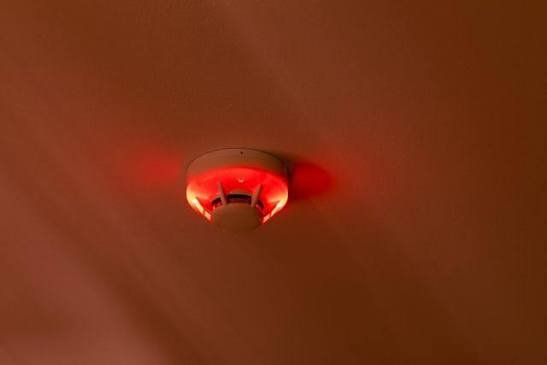
Smoke detectors are commonly used in residential areas because they can identify smoke in suitable indoor environments. Larger apartment buildings may have more extensive fire alarm arrangements that cover shared and occupied areas.
A suitable fire alarm system in Pakistan can be an important part of residential fire protection, particularly in multi-storey buildings and larger housing developments.
Renters should ask the landlord or property manager:
– Are smoke detectors installed in appropriate locations?
– Are the devices maintained?
– Is there a building-wide fire alarm?
– How can residents recognise the alarm?
– Who should be contacted if the system appears faulty?
– Are residents informed about evacuation procedures?
Never assume that an alarm is working simply because a device is visible on the ceiling.
If a detector appears damaged, missing, or faulty, report it to the responsible property manager. Any inspection, repair, or replacement should be arranged through competent personnel.
4. Create a Family Fire Escape Plan
Every family should understand what to do if an emergency occurs at home.
An escape plan does not need to be complicated. It should explain how family members can leave the property through suitable routes and where they should gather afterward.
Start by identifying the main exit and any alternative route that is safe and suitable for the building.
Your family should understand:
– Which exits are available.
– Where the nearest safe stairway is located.
– Which routes should be avoided during an emergency.
– Where everyone should gather outside.
– How to contact emergency services.
– Who may need additional assistance.
Parents should explain the plan to children in simple language. Children should know that they must follow adult instructions and should never hide or return inside to collect toys or personal belongings.
Families living in apartment buildings should also understand the building’s official evacuation arrangements.
A clear plan can reduce confusion and help everyone understand their responsibilities.
5. Keep Emergency Exits and Corridors Clear
One of the simplest ways renters can improve fire safety is by keeping escape routes free from obstructions.
In rented houses, corridors and doorways may become crowded with shoes, furniture, boxes, or household items.
In apartment buildings, residents sometimes place personal belongings in shared hallways or near stairways.
These practices can make evacuation more difficult.
Keep the following areas clear:
– Main doorways.
– Hallways and corridors.
– Stairways and landings.
– Shared building exits.
– Access routes leading toward designated assembly areas.
Never use an emergency exit or shared stairway as a storage location.
If common areas are blocked, inform the landlord, building management, or responsible property representative.
Everyone living in the building benefits when emergency routes remain accessible.
6. Practice Safe Cooking Habits
Cooking is a regular household activity, but kitchens require particular attention because they contain heat sources, electrical appliances, and cooking materials.
Families should develop simple habits that reduce avoidable risks.
Important precautions include:
Stay attentive while cooking: Avoid leaving cooking activities unattended, particularly when heat is being used.
Keep the cooking area organised: Keep unnecessary materials away from cooking equipment.
Use appliances responsibly: Follow the manufacturer’s instructions for kitchen appliances.
Keep children supervised: Young children should not be allowed to operate cooking equipment or play near hot surfaces.
Report faults: If an appliance, socket, or kitchen fitting appears damaged, stop using it when safe and inform the landlord or a qualified professional.
If a cooking-related fire occurs, do not take unnecessary risks or attempt actions beyond your training. Move away from danger, alert others, evacuate when required, and contact emergency services.
Renters should also understand any kitchen-related safety instructions provided by the property owner.
7. Pay Attention to Electrical Safety
Electrical safety is especially important in rented properties because tenants may not know the history or condition of the building’s wiring.
Electrical problems can be associated with damaged equipment, unsuitable connections, overloaded circuits, or poorly maintained installations.
Families should follow basic precautions:
– Avoid using visibly damaged electrical appliances.
– Do not overload sockets or extension boards.
– Keep electrical equipment away from water.
– Follow the manufacturer’s instructions for appliances.
– Do not use cables with damaged insulation.
– Report unusual electrical problems to the landlord.
– Arrange repairs through qualified electricians.
Renters should not attempt electrical repairs or make changes to fixed wiring themselves.
If the property has repeated electrical problems, request a professional assessment and discuss the issue with the landlord in writing.
A well-maintained electrical installation is an important part of residential fire prevention.
8. Understand Gas and Heating Safety
Some rented homes in Pakistan use gas appliances for cooking or heating. These appliances should be maintained and used according to manufacturer guidance and relevant safety requirements.
Renters should ask whether gas-related equipment has been checked by qualified personnel.
Families should also know how to recognise a possible gas leak. Warning signs may include an unusual gas smell or other indications identified by the relevant utility provider.
If a gas leak is suspected, leave the affected area, avoid actions that could create an ignition source, and contact the appropriate emergency service or gas utility from a safe location.
Do not attempt to investigate or repair gas equipment yourself.
Landlords should arrange necessary professional inspections and repairs, while renters should report concerns promptly.
Heating equipment also requires suitable placement, ventilation, and maintenance according to its design.
9. Teach Children About Fire Safety
Children should understand basic fire safety rules in a way that matches their age and ability.
Parents and guardians can explain why alarms matter, where family members should go during an emergency, and why children must never play with matches, lighters, or electrical equipment.
Useful family rules include:
– Never play with fire-related items.
– Do not touch damaged electrical equipment.
– Tell an adult if a smoke detector makes an unusual sound.
– Follow adult instructions during an emergency.
– Know the family meeting point.
– Never return inside a building after leaving during an emergency.
Parents can also explain the difference between an ordinary household sound and a fire alarm.
Children should not be expected to manage emergencies independently. Adults should remain responsible for family safety and arrange suitable assistance when needed.
10. Keep Important Emergency Information Available
Renters should know whom to contact if they notice a fire hazard or experience an emergency.
Keep important contact details accessible to adult household members.
These may include:
– Local emergency services.
– The landlord or property manager.
– Building security or management.
– The relevant gas utility.
– A trusted family contact.
Families should also know the exact address of their rented property so they can communicate their location clearly when requesting assistance.
In shared residential buildings, it is useful to understand how security staff communicate emergency information to residents.
Do not depend only on one person’s phone or memory. Important emergency information should be available to more than one responsible household member.
11. Understand Your Responsibilities as a Renter
Fire safety responsibilities may be shared between tenants, landlords, and building management.
The exact legal responsibilities depend on the rental agreement and applicable local requirements. However, renters should understand the basic responsibilities that help keep a property safe.
Renters’ Responsibilities
Tenants should:
– Use household appliances responsibly.
– Avoid blocking exits and corridors.
– Report visible hazards.
– Avoid unauthorised changes to electrical or gas installations.
– Follow building safety instructions.
– Keep children away from dangerous equipment.
– Participate in relevant evacuation guidance.
Landlords’ Responsibilities
Landlords or property owners may be responsible for matters such as:
– Maintaining the building’s structure.
– Addressing reported property defects.
– Arranging suitable professional inspections.
– Maintaining building-provided fire safety equipment.
– Addressing shared-area safety concerns.
– Providing relevant information about emergency arrangements.
The exact responsibilities should be confirmed through the rental agreement and applicable regulations.
Renters should report important safety concerns in writing whenever practical and keep a record of communication.
12. What to Do If Your Rented Home Has No Fire Alarm
Some rented properties may not have smoke detectors or a building-wide fire alarm system.
If you notice that detection equipment is missing, ask the landlord or property manager whether suitable equipment can be installed.
The correct solution depends on the property’s layout, existing electrical arrangements, and applicable safety requirements.
For individual homes, suitable standalone smoke alarms may be an option where permitted and appropriate. Larger apartment buildings may require a professionally designed system covering individual units and shared areas.
Renters should not install, modify, or connect building-wide fire alarm equipment without the landlord’s permission and appropriate professional guidance.
If the landlord does not address an important safety concern, tenants can seek advice from the relevant local authority or a qualified property professional about the options available to them.
13. Prepare for Emergencies in Apartment Buildings
Apartment living creates some additional fire safety considerations because several households share the same building.
An emergency in one apartment may affect common corridors, stairways, or other areas used by residents.
Families should understand the building’s official evacuation instructions.
Important points include:
Know the stairways: Identify the designated evacuation stairways and understand where they lead.
Recognise the alarm: Learn how the building’s warning system sounds and what action residents should take.
Keep shared routes clear: Do not place furniture, boxes, bicycles, or other belongings in corridors and stairways.
Understand assembly arrangements: Know where residents should gather after leaving the building.
Follow official instructions: Building management and emergency personnel may provide instructions based on the nature of the incident.
Never assume that a lift is a safe evacuation option during a fire. Follow the building’s emergency instructions and use designated stairways unless authorised emergency personnel direct otherwise.
14. What Families Should Do When a Fire Alarm Sounds
A fire alarm should always be taken seriously.
Families should understand the building’s evacuation plan and respond promptly when an alarm indicates that evacuation is necessary.
General safety guidance includes:
1. Stop normal activities and pay attention to the warning.
2. Alert other household members if they have not heard the alarm.
3. Follow the nearest safe designated exit route.
4. Use the stairs rather than lifts during a fire unless authorised personnel direct otherwise.
5. Leave personal belongings behind.
6. Move to the designated safe meeting point.
7. Contact emergency services when safe.
8. Do not re-enter the building until authorised personnel confirm it is safe.
If a route is unsafe, follow the building’s alternative emergency instructions and communicate your location to emergency responders.
Children should remain with responsible adults, and family members who need assistance should be included in the escape plan.
The priority should always be protecting people rather than saving household possessions.
15. Fire Safety Considerations When Moving Into a New Rental
Moving into a new property is a good opportunity to review household safety arrangements.
Before unpacking everything, renters can examine the available exits, identify safety equipment, and discuss maintenance concerns with the landlord.
A simple moving-in safety review should include:
– Checking the visible condition of electrical fittings.
– Identifying smoke detectors and alarm devices.
– Learning the location of emergency exits.
– Reviewing the condition of shared corridors.
– Asking about the building’s evacuation plan.
– Understanding how to report maintenance issues.
– Identifying suitable family meeting arrangements.
Families should also check whether any existing safety equipment has been damaged or removed.
Do not assume that the previous occupants maintained the property properly. Ask questions and request professional checks where needed.
16. Common Fire Safety Mistakes Renters Should Avoid
Some household habits may increase fire risks or make emergencies harder to manage.
Common mistakes include:
Ignoring damaged electrical equipment: Faulty appliances and fittings should be reported instead of continuing normal use.
Blocking escape routes: Household belongings should never prevent access to designated exits.
Ignoring detector problems: Missing, damaged, or faulty smoke alarms should be reported promptly.
Leaving cooking unattended: Cooking activities require attention and responsible supervision.
Overlooking shared building safety: Renters should pay attention to stairways, corridors, and common exits.
Failing to plan with children: Every family member should understand basic evacuation arrangements.
Making unauthorised repairs: Electrical, gas, and fire alarm equipment should be assessed by competent professionals.
Avoiding these mistakes can help create a safer living environment for the whole family.
17. A Practical Fire Safety Checklist for Renters
Use this checklist when viewing a rental property or reviewing your current home.
– [ ] Main exits and alternative routes have been identified.
– [ ] Shared corridors and stairways are clear.
– [ ] Smoke detectors or suitable alarm arrangements are present.
– [ ] Fire alarm information has been provided by building management.
– [ ] Visible electrical concerns have been reported.
– [ ] Kitchen appliances appear suitable and well maintained.
– [ ] Gas-related concerns have been addressed professionally.
– [ ] Children understand basic fire safety rules.
– [ ] Family members know the meeting point.
– [ ] Emergency contact information is available.
– [ ] The landlord’s contact details are accessible.
– [ ] The building’s evacuation instructions are understood.
This checklist does not replace a professional fire safety assessment, but it can help renters recognise important issues and ask the right questions.
Conclusion
Fire safety is just as important for renters as it is for homeowners. Although tenants may not control every part of a building, they can still take meaningful steps to protect their families.
Understanding household fire risks, checking safety features before renting, keeping exits clear, using appliances responsibly, and preparing a family escape plan are all important habits.
Landl