Fire safety is an essential consideration for every home, office, school, hospital, shopping centre, factory, and commercial building. A fire can develop unexpectedly, and without an effective warning system, people may not become aware of the danger early enough to respond safely. This is why choosing a suitable fire alarm system is an important part of building safety planning.
However, buying a fire alarm system is not simply about selecting a device with an attractive price or a long list of features. Different buildings have different layouts, occupancy levels, fire risks, and safety requirements. A system that is suitable for a small office may not be appropriate for a large warehouse or a multi-storey commercial building.
Before making a purchase, buyers should understand the available system types, detection technologies, alarm devices, installation requirements, maintenance needs, and compatibility with other safety equipment. They should also consider the experience of the supplier and the availability of technical support.
In Pakistan, demand for reliable fire protection equipment is increasing as residential, commercial, and industrial buildings continue to develop. Choosing the right equipment requires careful planning rather than focusing only on the initial purchase price.
This guide explains what to check before buying fire alarm systems, helping property owners and building managers make informed decisions.
1. Understand Your Building’s Fire Safety Requirements
The first step is to understand the building where the fire alarm system will be installed.
Every property has a different layout and level of occupancy. A small retail shop, a residential apartment, a school, and a manufacturing facility may require very different detection and warning arrangements.
Before selecting equipment, consider:
– The total size of the building.
– The number of floors and rooms.
– The number of people who regularly occupy the premises.
– The type of activities carried out inside.
– Areas where smoke, heat, or other fire-related conditions may develop.
– The availability of suitable evacuation routes.
– Existing fire protection equipment.
For example, a building with several floors may need a more extensive arrangement than a small single-storey property. Similarly, industrial premises may have different detection requirements because of their equipment, materials, and working conditions.
A qualified fire safety professional can assess the premises and recommend an appropriate system design.
Understanding the building’s requirements before purchasing equipment helps prevent unnecessary expenses and unsuitable product selection.
2. Learn About Different Types of Fire Alarm Systems
Fire alarm systems are available in different configurations. Understanding their basic differences can help buyers decide which option is appropriate for their premises.
Conventional Fire Alarm Systems
Conventional systems divide a building into separate detection zones. When a detector or manual call point activates, the control panel identifies the affected zone.
These systems may be suitable for smaller or less complex buildings where identifying the general area of an alarm is sufficient.
However, the exact suitability depends on the building layout, safety requirements, and system design.
Addressable Fire Alarm Systems
Addressable systems assign an individual identity to compatible devices. When a device activates, the control panel can identify its specific location or address.
This can make identifying an alarm source easier, particularly in larger or more complex buildings.
Addressable systems are commonly considered for offices, hospitals, hotels, commercial centres, and larger facilities.
Wireless Fire Alarm Systems
Wireless systems use communication between compatible devices and the control panel without relying on conventional signal cables for every device.
They may be considered in certain existing buildings where extensive cabling would be difficult or disruptive.
However, wireless systems still require professional planning, appropriate communication coverage, power arrangements, and regular maintenance.
Hybrid Fire Alarm Systems
Hybrid systems combine wired and wireless components. They may offer flexibility where different parts of a building have different installation requirements.
The right choice depends on the property, the project budget, applicable requirements, and the recommendations of a qualified designer.
3. Check the Quality of Detection Devices
Detection devices are among the most important components of a fire alarm system. They identify conditions associated with a possible fire and send information to the control panel.
Not every detector works in the same way. Different technologies are designed for different environments.
Smoke Detectors
Smoke detectors identify smoke particles in the surrounding air. They are commonly used in areas such as offices, corridors, bedrooms, and other suitable indoor spaces.
Their selection and placement should consider the room’s use and environmental conditions.
Heat Detectors
Heat detectors respond to temperature-related conditions. They may be appropriate in locations where ordinary smoke detection could be affected by normal activities or environmental conditions.
Their suitability depends on the specific area and the detector’s design.
Multi-Sensor Detectors
Multi-sensor devices use more than one sensing technology to assess fire-related conditions.
Depending on the product, they may combine smoke and heat detection or other approved sensing methods.
A qualified designer should determine which detector types are suitable for each area rather than installing the same device everywhere.
4. Examine the Fire Alarm Control Panel
The control panel is the central part of a fire alarm system. It receives signals from connected devices, processes information, and manages the warning functions.
Before purchasing a system, buyers should understand the control panel’s capabilities.
Important considerations include:
System capacity: The panel should support the number of devices and zones required by the building.
Clear display: Information should be understandable to authorised building staff and maintenance personnel.
Fault indication: The panel should identify relevant system faults so that responsible personnel can arrange inspection and correction.
Expansion options: Some buildings may require additional devices in the future. Buyers should ask whether the selected panel supports planned expansion.
Compatibility: The panel must be compatible with the detectors, call points, sounders, and other devices included in the system.
Power arrangements: The system should have suitable primary and backup power provisions according to its design and applicable requirements.
A panel should not be selected solely because it has many features. Its capabilities should match the building’s actual safety needs.
5. Check Alarm Sounders and Visual Warning Devices
A fire alarm system must communicate warnings effectively to people inside the building.
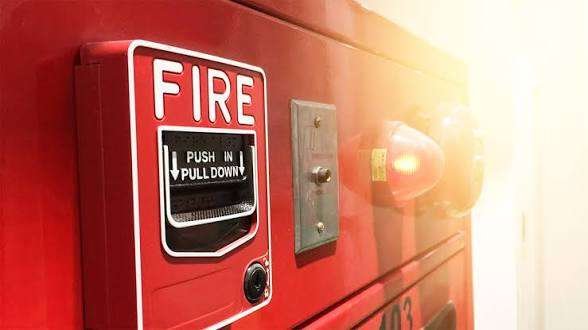
Sounders provide audible alerts, while visual warning devices use flashing lights or other approved visual signals.
Before buying, consider whether the warning devices are appropriate for the building’s environment.
For example:
– Large buildings may require multiple warning devices.
– Noisy workplaces may need carefully planned warning arrangements.
– Areas used by people with hearing difficulties may require visual alerts.
– Different building sections may need coordinated warning coverage.
The alarm should be recognisable and understandable to occupants. Building management should also ensure that employees and visitors know what the warning means and how to respond.
A professional system designer can assess the building and determine suitable warning device locations.
6. Verify Product Quality and Applicable Standards
Product quality should be one of the main considerations when purchasing fire alarm equipment.
A low-cost device may appear attractive, but price alone does not establish whether it is suitable for a particular building.
Buyers should ask suppliers for relevant product information, technical documentation, and evidence of conformity with applicable standards.
Important checks include:
– Manufacturer details.
– Product model and specifications.
– Technical data sheets.
– Relevant certifications or conformity documents.
– Compatibility information.
– Warranty terms.
– Installation requirements.
– Recommended inspection and maintenance arrangements.
The specific standards required may depend on the building, project, and local regulations.
Buyers should avoid relying on unclear claims such as “international quality” without supporting product documentation.
It is also important to confirm that all components in the proposed system are compatible. A collection of individually good products does not automatically create a reliable fire alarm system.
7. Consider the Installation Requirements
A fire alarm system is only as effective as its design, installation, and ongoing maintenance.
Even suitable equipment may not perform as intended if devices are installed in inappropriate locations or connected incorrectly.
Before purchasing, ask whether the supplier provides professional installation or works with qualified installation partners.
A proper installation project generally involves:
– Reviewing the building layout.
– Assessing fire safety requirements.
– Selecting suitable devices.
– Planning detector and alarm locations.
– Checking system compatibility.
– Installing the equipment according to its technical requirements.
– Conducting appropriate commissioning and testing.
– Providing system documentation.
Installation should be handled by competent professionals familiar with the equipment and relevant safety requirements.
Buyers should also ask what documentation they will receive after the installation is completed. This may include equipment details, system drawings, operating information, and maintenance guidance.
8. Evaluate the Supplier’s Experience and Reputation
Choosing the right supplier is just as important as selecting the equipment.
A responsible supplier should understand fire protection products and be able to explain which solutions may be appropriate for different building types.
Before making a purchase, consider the following:
Product knowledge: Can the supplier explain the differences between conventional, addressable, wireless, and hybrid systems?
Technical guidance: Can they help identify the equipment required for the project?
Product documentation: Are specifications and relevant compliance documents available?
Installation support: Can they explain who will handle installation and commissioning?
After-sales service: Is technical assistance available after the purchase?
Warranty support: Are warranty conditions clearly explained?
Availability of replacement components: Can compatible replacement devices and parts be obtained when needed?
Buyers should be cautious about suppliers who recommend products without asking about the building or understanding its requirements.
A good supplier should focus on suitability, reliability, and long-term support rather than simply encouraging the buyer to purchase the most expensive option.
9. Compare the Total Cost, Not Just the Purchase Price
Budget is an important part of any fire safety project. However, the initial price of the equipment is only one part of the overall cost.
A complete fire alarm project may involve several expenses.
Cost area| What to consider
Equipment| Control panel, detectors, call points, sounders, and accessories
Installation| Professional labour, cabling, and associated work
Commissioning| Inspection and verification after installation
Maintenance| Scheduled servicing and system checks
Replacement parts| Future replacement of compatible components
Training| Familiarisation for responsible building personnel
Buyers should request a clear quotation that explains what is included and what may involve additional charges.
Comparing quotations can help identify differences in equipment quality, installation scope, warranty conditions, and after-sales support.
The cheapest quotation may not provide the best long-term value if it excludes important services or proposes unsuitable equipment.
10. Check Backup Power Arrangements
A fire alarm system should have suitable power arrangements to support its intended operation.
Buildings may experience electricity interruptions, making backup power an important part of system planning.
Depending on the system design, backup power may involve rechargeable batteries or other approved arrangements.
Before purchasing, ask:
– What is the primary power requirement?
– What backup power arrangement is included?
– Is the backup provision suitable for the system’s design?
– How are power-related faults indicated?
– What maintenance is required for backup components?
– Are replacement batteries or parts available?
The required backup capacity depends on the system configuration and applicable requirements.
A qualified installer should confirm that the power arrangements are appropriate for the equipment and building.
11. Consider Integration With Other Fire Safety Equipment
Modern buildings may contain several fire protection and life safety systems. Depending on the design, a fire alarm system may need to communicate with other approved equipment.
Possible integrations include:
– Emergency warning systems.
– Fire suppression system interfaces.
– Smoke control arrangements.
– Access control systems.
– Emergency communication equipment.
– Building management systems.
Not every building requires all these integrations. Their suitability depends on the building’s design, risk assessment, and applicable requirements.
Buyers should ask whether the proposed system supports the required interfaces and whether additional equipment or professional configuration will be necessary.
Integration should always be planned and commissioned by qualified professionals. Incorrect connections between safety systems can create operational problems.
12. Understand Maintenance and Testing Requirements
Purchasing a fire alarm system is not the end of the process. Regular maintenance is necessary to help ensure that the equipment remains in suitable working condition.
Over time, detectors may become contaminated, batteries may require replacement, and devices or connections may develop faults.
Building owners should establish a maintenance programme based on the manufacturer’s instructions, the system design, and applicable requirements.
A professional maintenance programme may include:
– Checking the control panel for displayed faults.
– Inspecting detectors and alarm devices.
– Reviewing manual call points.
– Assessing backup power arrangements.
– Confirming communication between system components.
– Reviewing system records.
– Arranging appropriate functional testing.
The exact testing procedures and intervals should be determined by competent professionals.
Building staff should also know how to report faults and who is responsible for arranging corrective work.
A system that is installed but neglected may not provide the expected level of protection.
13. Check Warranty and After-Sales Support
Warranty and technical support can make a significant difference after purchasing fire alarm equipment.
Before completing an order, buyers should ask for written warranty information.
Important points include:
– Warranty duration.
– Which components are covered.
– Conditions that may affect warranty coverage.
– The process for reporting product faults.
– Availability of technical support.
– Availability of replacement components.
– Whether installation-related issues are covered separately.
Buyers should also confirm whether the supplier offers ongoing maintenance services or can recommend qualified service providers.
A clear support arrangement can make it easier to manage equipment problems and future maintenance requirements.
Avoid relying only on verbal promises. Important warranty and service conditions should be provided in writing.
14. Choose Equipment That Can Support Future Expansion
Some buildings change over time. Businesses may add rooms, expand office areas, introduce new equipment, or occupy additional floors.
A fire alarm system should be selected with reasonable consideration for possible future changes.
Before buying, ask whether the system can support additional detectors, call points, warning devices, or other compatible components.
For addressable systems, the available device capacity and panel limitations should be considered. Conventional systems also have specific zone and circuit capacities.
Future expansion should not be assumed without checking the manufacturer’s specifications and the approved system design.
Planning ahead can help reduce the need for major changes when the building’s requirements increase.
15. Common Mistakes to Avoid When Buying Fire Alarm Systems
Some purchasing mistakes happen because buyers focus on price or appearance rather than the building’s actual safety needs.
Choosing Equipment Without a Building Assessment
A product that works well in one environment may not be appropriate in another. A professional assessment should come before final equipment selection.
Buying Based Only on Price
Very low prices may indicate that important components, installation services, or support arrangements are missing.
Ignoring Product Compatibility
Detectors, panels, sounders, and other devices must be compatible with the selected system.
Overlooking Maintenance
Buyers should consider the availability and cost of long-term servicing before making a purchase.
Ignoring Warranty Conditions
Unclear warranty terms can create difficulties when a product needs repair or replacement.
Selecting the Wrong System Type
Conventional, addressable, wireless, and hybrid systems have different capabilities. Selection should be based on the building’s requirements.
Not Considering Occupant Needs
Warning arrangements should consider the people who use the building, including visitors and individuals who may need additional assistance.
Avoiding these mistakes can help buyers make more informed decisions and support a more dependable fire safety arrangement.
16. Buying Fire Alarm Systems in Pakistan
When purchasing fire alarm systems in Pakistan, buyers should consider product quality, supplier experience, installation services, and long-term maintenance.
Commercial buildings, residential properties, educational institutions, healthcare facilities, and industrial sites may all have different safety requirements.
Before placing an order, buyers should:
1. Arrange an assessment of the premises.
2. Identify the required type of fire alarm system.
3. Review product specifications and documentation.
4. Confirm compatibility between system components.
5. Request a detailed quotation.
6. Check installation and commissioning arrangements.
7. Review warranty and after-sales support.
8. Confirm future maintenance requirements.
It is also important to consider relevant building and fire safety requirements in the area where the property is located.
A supplier should be able to explain the proposed equipment and provide suitable technical information. Buyers should not make a final decision based only on advertisements or general product descriptions.
For anyone searching for a fire alarm system in Pakistan, the most important consideration should be selecting equipment that matches the building’s actual needs and can be properly installed and maintained.
17. A Practical Checklist Before Making Your Purchase
Before finalising an or