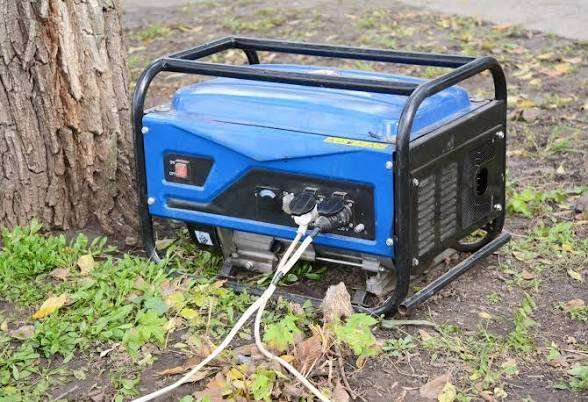
Electricity is an essential part of modern family life. Homes depend on electrical power for lighting, fans, refrigerators, air conditioners, communication devices, and many other household needs. However, power interruptions can create difficulties, particularly during extreme weather conditions or unexpected electricity failures. For this reason, many families in Pakistan use generators as an alternative source of electricity.
Although generators can provide temporary backup power, they also require careful handling, proper installation, and regular professional maintenance. Poorly maintained equipment, unsafe electrical connections, unsuitable placement, and incorrect fuel storage can create serious risks for families.
Generator safety is not simply about keeping a machine in good working condition. It also involves protecting family members, preventing electrical hazards, reducing fire risks, and understanding the importance of professional installation.
In Pakistan, where electricity interruptions can affect homes and businesses, generator safety deserves greater attention. Families should understand the possible hazards associated with generators and learn how to maintain a safer home environment.
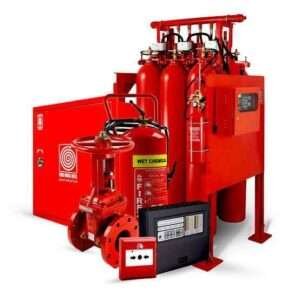
Fire prevention is an important part of this responsibility. A reliable fire alarm system in Pakistan can support household safety by providing early warning of potential fire emergencies. However, an alarm system should always be part of a wider safety plan that includes proper electrical maintenance, safe equipment placement, and family awareness.
This guide explains the basic principles of generator safety, common household risks, preventive measures, and the importance of preparing for emergencies.
Why Is Generator Safety Important?
Generators produce electricity through mechanical and electrical components. Depending on their design and fuel source, they may also involve combustible fuels, hot surfaces, exhaust emissions, and electrical connections.
When equipment is installed or maintained incorrectly, it can create hazards that affect everyone in the household.
The importance of generator safety can be understood through several key areas:
– Fire prevention: Unsafe fuel handling, equipment faults, and electrical problems can increase fire risks.
– Electrical protection: Incorrect connections or damaged wiring can expose people to electrical hazards.
– Family health: Generator exhaust can contain harmful gases that are dangerous to breathe.
– Equipment reliability: Professional maintenance helps reduce unexpected breakdowns.
– Property protection: Safe installation and operation help protect homes and household belongings.
– Emergency preparedness: Families who understand generator-related risks can respond more responsibly when problems occur.
Children, older family members, and visitors may not recognize generator hazards. Therefore, every household should establish clear safety rules and ensure that everyone understands the importance of staying away from restricted equipment areas.
Common Generator Hazards Every Family Should Know
Understanding possible hazards is the first step towards safer generator use. Different generator models have different requirements, but several risks are common across household installations.
1. Fire Hazards
Generators may involve combustible fuel, hot surfaces, and electrical components. A fault or unsafe arrangement can increase the possibility of a fire.
Fuel leaks, damaged electrical connections, unsuitable equipment placement, and poor maintenance should never be ignored.
Families should arrange professional inspections and follow the manufacturer’s safety instructions. Any unusual smell, visible damage, or suspected leakage should be reported to a qualified technician.
2. Electrical Hazards
Generators supply electricity through electrical components and connected wiring. Damaged cables, unsuitable connections, and incorrect installation can create serious risks.
A generator should never be connected to a home’s electrical system through an improvised arrangement. A qualified electrician should assess the installation and provide an approved transfer arrangement where required.
Electrical faults should never be investigated by children or untrained family members.
3. Harmful Exhaust Emissions
Fuel-powered generators produce exhaust gases that can be harmful to human health. Carbon monoxide is particularly dangerous because it cannot be seen or smelled.
Exposure may cause symptoms such as headaches, dizziness, weakness, nausea, and confusion. Severe exposure can become life-threatening.
For this reason, generators must never be operated inside homes, garages, basements, or other enclosed spaces. They should be positioned outdoors in a location that follows manufacturer instructions and professional safety guidance, away from doors, windows, and air intakes.
A carbon monoxide alarm is an important additional safety measure in homes that use fuel-powered generators.
4. Hot Surfaces
Generator components can become very hot during operation and may remain hot after the equipment has been switched off.
Touching hot surfaces can cause burns. Families should keep children and pets away from generator areas and follow the manufacturer’s instructions regarding cooling and servicing.
5. Noise and Vibration
Some generators produce considerable noise and vibration. Poor placement or neglected maintenance can make these problems worse.
A suitable location, professional inspection, and manufacturer-approved installation arrangements can help reduce unnecessary disturbance.
6. Fuel-Related Risks
Fuel storage and handling require special attention because many generator fuels are combustible.
Families should follow local requirements and manufacturer instructions for fuel storage. Fuel should be kept in approved containers and away from children, ignition sources, and unsuitable storage locations.
Never store fuel near household cooking areas or electrical equipment.
Choosing a Safe Location for a Generator
Generator placement is one of the most important parts of household safety. An unsuitable location can increase fire, exhaust, and electrical risks.
Families should never choose a location simply because it is convenient or close to the electrical connection.
A suitable installation location should be assessed by a qualified professional and should meet the manufacturer’s ventilation, clearance, and environmental requirements.
Important considerations include:
Keep Generators Outdoors
Fuel-powered generators should operate outdoors in an appropriate, well-ventilated location. They must not be used inside a house, garage, basement, or enclosed room.
Even spaces that appear to have some ventilation may allow dangerous exhaust gases to accumulate.
Maintain Safe Distance from Openings
Generator exhaust should not enter the home through windows, doors, ventilation openings, or air-conditioning intakes.
The correct placement distance should follow manufacturer guidance and applicable safety recommendations.
Protect the Equipment from Environmental Damage
Generators should be installed in a suitable location where they are protected from environmental conditions without restricting ventilation.
Any shelter or protective structure must be approved for the equipment and designed by a qualified professional.
Keep Children Away
Children should never play near generators, electrical connections, fuel storage areas, or maintenance equipment.
Parents should establish a clear restricted area and explain that generators are not toys.
Safe Fuel Storage and Handling
Fuel safety is a major part of generator safety. Improper storage can increase the risk of fire and expose family members to unnecessary hazards.
Families should follow these general precautions:
– Use only manufacturer-approved fuel types.
– Store fuel in approved, properly labelled containers.
– Keep fuel away from children and unauthorized access.
– Follow local regulations for fuel storage.
– Keep fuel away from flames, heat sources, and smoking areas.
– Do not store fuel inside living spaces.
– Ask qualified professionals about suitable storage arrangements.
– Never ignore suspected leaks or damaged fuel containers.
Fuel should never be handled casually. If a family suspects a leak or another fuel-related problem, everyone should stay away from the affected area and seek help from qualified professionals.
Electrical Safety and Professional Installation
A generator is an electrical source, so its installation must meet appropriate safety requirements.
Incorrect connections can create dangerous conditions for household members, utility workers, and electricians.
Avoid Improvised Electrical Connections
Families should never use homemade connections or attempt to connect a generator to household wiring without an approved installation.
Incorrect connections may cause electricity to flow into external electrical networks, creating a serious danger for people working on those systems.
Use Qualified Electricians
A qualified electrician should assess the household’s electrical requirements and determine the appropriate installation arrangement.
The electrician should consider:
– Generator capacity and household electricity needs.
– Existing electrical wiring.
– Approved transfer equipment.
– Electrical protection arrangements.
– Earthing and grounding requirements.
– Applicable local electrical standards.
– Manufacturer recommendations.
Maintain Electrical Cables
Damaged insulation, loose connections, and unsuitable cables can create electrical and fire hazards.
Families should arrange professional inspections when cables appear damaged or equipment shows unusual behaviour.
Children should never be allowed to touch generator wiring or electrical connections.
Understanding Fire Prevention Around Generators
Fire prevention should be a priority whenever a household uses fuel-powered equipment.
Generators combine electrical components with other potential hazards, so families should not overlook basic safety arrangements.
Keep the Area Clean
The space around the generator should remain free from unnecessary storage, waste, and materials that could create additional hazards.
A clean area also makes it easier for qualified technicians to inspect the equipment.
Arrange Regular Professional Maintenance
Maintenance helps identify problems before they become more serious.
The manufacturer’s service schedule should be followed, and inspections should be completed by trained technicians.
Do Not Ignore Unusual Warning Signs
Changes in equipment behaviour may indicate a fault. Examples include unusual noise, excessive vibration, visible damage, abnormal smells, or unexpected performance changes.
Families should stop relying on equipment that appears unsafe and contact a qualified technician.
Maintain Suitable Fire Protection
Households should consider an appropriate fire safety arrangement based on their property and risk assessment.
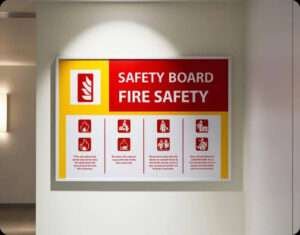
Suitable fire detection equipment, accessible emergency information, and professionally selected firefighting equipment can support household preparedness.
Family members should understand that they must prioritize personal safety and evacuation rather than attempting to manage a dangerous fire themselves.
The Role of Fire Alarm Systems in Generator Safety
Fire detection is an important part of a home’s overall safety arrangement. When a fire develops, early warning can help people recognize danger and move towards safety.
A fire alarm system can detect certain warning conditions and alert occupants through suitable notification devices.
For families in Pakistan, selecting an appropriate fire alarm system should involve considering the home’s layout, electrical arrangements, and potential fire risks.
Early Warning
A properly selected fire alarm system can help alert family members when smoke or other specified fire conditions are detected.
Early notification is particularly important at night, when household members may not immediately notice an emergency.
Protection for Different Areas
A home’s fire detection requirements may vary depending on its size, number of floors, room arrangement, and electrical installation.
Qualified professionals can recommend suitable detector locations and system arrangements.
Regular Testing and Maintenance
Fire alarm systems require routine checks according to manufacturer instructions.
Families should ensure that batteries, detection devices, and notification components are maintained appropriately.
A Wider Safety Approach
A fire alarm system is not a substitute for safe generator placement, electrical protection, professional maintenance, or carbon monoxide detection.
Each safety measure addresses different risks. Families should understand these differences when planning household protection.
When researching a fire alarm system in Pakistan, homeowners should focus on product suitability, installation quality, maintenance support, and reliable performance rather than selecting equipment based on price alone.
Carbon Monoxide Safety: A Critical Household Concern
Carbon monoxide is one of the most serious hazards associated with fuel-powered generators.
It is a poisonous gas that cannot be detected through ordinary human senses. This makes it especially dangerous because people may not realize that exposure is occurring.
Why Is Carbon Monoxide Dangerous?
Carbon monoxide interferes with the body’s ability to use oxygen effectively. Exposure can affect the brain, heart, and other organs.
Symptoms may include:
– Headache.
– Dizziness.
– Nausea.
– Weakness.
– Confusion.
– Unusual tiredness.
If a carbon monoxide alarm sounds or anyone suspects exposure, everyone should move into fresh air immediately and contact emergency services. Do not re-enter the affected area until it has been declared safe by qualified responders.
Install Carbon Monoxide Alarms
Families using fuel-powered generators should consider suitable carbon monoxide alarms inside their homes.
These devices provide a separate warning from ordinary smoke detectors. They should be installed and maintained according to the manufacturer’s instructions.
A carbon monoxide alarm should never be treated as permission to operate a generator indoors or near building openings.
Protecting Children and Older Family Members
Household safety planning should consider everyone who lives in the home.
Children may be curious about generator equipment, switches, cables, and fuel containers. Older family members may have difficulty moving quickly during an emergency.
Parents and caregivers should explain the risks in simple language and establish clear household rules.
Important precautions include:
– Keep children away from generator areas.
– Never allow children to operate or inspect generator equipment.
– Store fuel securely according to safety requirements.
– Keep electrical cables away from normal walking routes.
– Explain the importance of smoke and carbon monoxide alarms.
– Make sure older family members understand emergency arrangements.
– Keep emergency contact information accessible.
– Ensure that everyone knows how to leave the home safely.
Children should be encouraged to inform an adult if they notice something unusual around the generator. They should never attempt to investigate or repair equipment themselves.
Generator Maintenance: Why Regular Inspection Matters
Regular maintenance supports safe and reliable generator performance. Neglected equipment may develop faults that increase electrical, fire, or mechanical risks.
Every generator has specific maintenance requirements. Families should follow the manufacturer’s instructions and use qualified service providers.
Professional maintenance may include:
General Equipment Inspection
Technicians can assess the equipment’s overall condition and identify visible signs of wear, damage, or deterioration.
Electrical System Assessment
Electrical components and connections should be examined according to the manufacturer’s recommendations and applicable safety requirements.
Fuel System Inspection
Fuel-related components should be checked by qualified personnel for signs of leakage, damage, or other concerns.
Ventilation and Exhaust Assessment
The exhaust arrangement should be evaluated to ensure that it follows the equipment’s installation requirements and does not create an avoidable household exposure risk.
Maintenance Records
Families should keep basic records of servicing, inspections, and repairs. These records can help identify recurring issues and ensure that recommended maintenance is not overlooked.
Never attempt technical repairs without the necessary training and qualifications.
What Should Families Do During a Generator-Related Emergency?
Knowing how to respond to an emergency can help families make safer decisions.
If a generator appears damaged, develops an unusual problem, or creates a suspected fire or exhaust hazard, family members should avoid approaching the equipment.
The priority should always be personal safety.
If There Is a Suspected Fire
– Alert everyone in the household.
– Leave the affected area using a safe route.
– Avoid collecting personal belongings.
– Contact the relevant emergency services from a safe location.
– Do not return until emergency responders confirm that it is safe.
If a Carbon Monoxide Alarm Sounds
– Move everyone into fresh air immediately.
– Contact emergency services.
– Seek medical assistance if anyone feels unwell.
– Do not re-enter the building until professionals declare it safe.
If an Electrical Fault Is Suspected
– Keep everyone away from the equipment and damaged wiring.
– Do not touch exposed cables or electrical components.
– Contact a qualified electrician.
– Follow emergency instructions if smoke, fire, or another immediate danger is present.
Families should discuss these basic responses in advance so that everyone understands the importance of leaving a dangerous area and seeking professional help.
Common Generator Safety Mistakes to Avoid
Many household generator hazards are connected to avoidable mistakes.
Operating a Generator Indoors
This is one of the most dangerous mistakes because exhaust gases can accumulate in enclosed spaces.
Fuel-powered generators should never be operated inside homes, garages, or basements.
Ignoring Professional Maintenance
Delaying inspections can allow equipment problems to remain unnoticed.
Families should follow the manufacturer’s maintenance schedule.
Using Improvised Electrical Connections
Improvised connections can create electrical hazards and potentially endanger utility workers.
Generator installations should be completed by qualified electricians.
Storing Fuel Carelessly
Fuel should not be stored in unsuitable containers or locations. Families must follow approved storage requirements and keep fuel away from children and ignition sources.
Allowing Children Near Equipment
Generators are not household play areas. Children should remain away from equipment, wiring, and fuel storage.
Ignoring Alarm Warnings
Smoke and carbon monoxide alarms should never be ignored. Family members should understand what each alarm is designed to detect and how to respond.
Generator Safety Checklist for Every Family
A simple checklist can help households review important safety arrangements.
Safety Area| What Families Should Check
Generator location| Equipment is installed outdoors in an appropriate location
Exhaust arrangement| Exhaust cannot enter doors, windows, or ventilation openings
Electrical installation| Connections are professionally installed
Fuel storage| Fuel is stored according to approved requirements
Maintenance| Servicing follows manufacturer recommendations
Equipment condition|