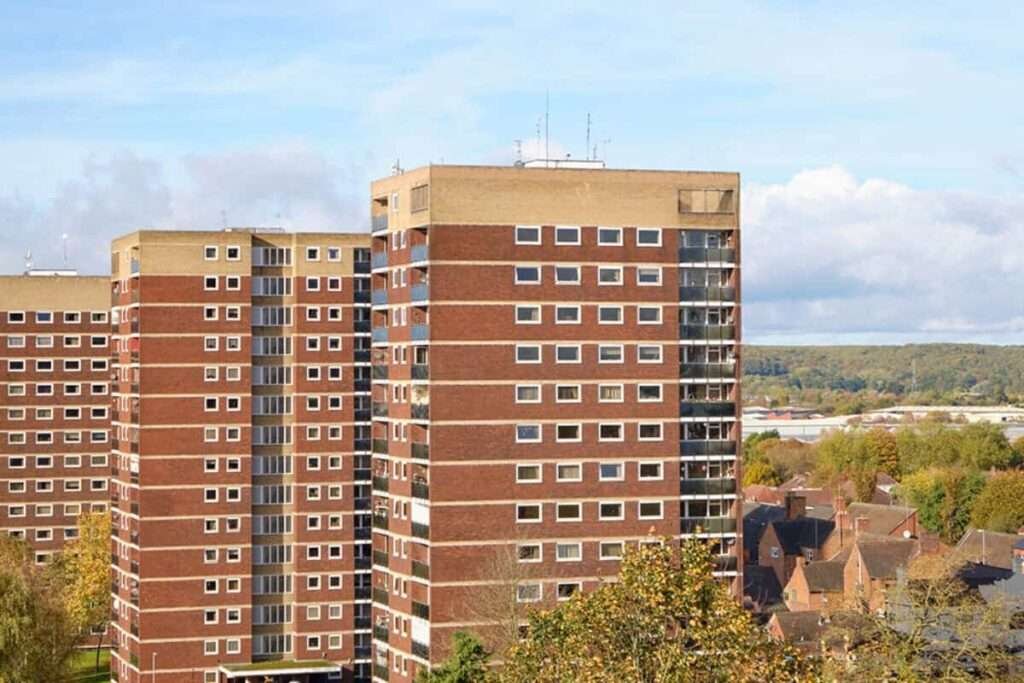
High-rise buildings have become an important part of modern urban development in Pakistan. Major cities such as Karachi, Lahore, Islamabad, and Faisalabad have seen increasing construction of residential towers, commercial buildings, hotels, hospitals, and mixed-use developments. These buildings provide valuable space for housing, businesses, offices, and other activities. However, their height, occupancy levels, and complex layouts create specific fire safety challenges.
A fire emergency in a high-rise building can affect multiple floors, staircases, corridors, electrical systems, and shared facilities. Residents, employees, visitors, and building management must therefore understand the importance of suitable fire protection arrangements.
For property owners, developers, and facility managers, purchasing fire safety equipment is an important decision. Selecting suitable products requires more than comparing prices. Buyers should consider building requirements, equipment quality, relevant standards, installation arrangements, maintenance responsibilities, and emergency procedures.
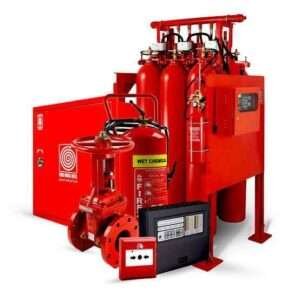
In Pakistan, fire safety planning should be based on the building’s design, occupancy, and applicable regulations. A suitable fire alarm system in Pakistan can help detect potential fire emergencies and alert occupants, but it must work alongside other protective measures.
This buyer’s guide explains the essential fire safety systems used in high-rise buildings, what to consider before purchasing equipment, and how to maintain a safer residential or commercial environment.
1. Understand the Fire Safety Challenges of High-Rise Buildings
High-rise buildings have different fire safety requirements from smaller residential or commercial properties.
Their vertical layouts, multiple floors, shared spaces, and large numbers of occupants make emergency planning particularly important.
Some common challenges include:
Vertical Evacuation
Residents and employees may need to use designated staircases to leave the building safely. Evacuation can become more complicated when several floors are occupied.
Smoke Movement
Smoke can travel through corridors, stairwells, service shafts, and other building openings. Appropriate smoke management arrangements are therefore important.
High Occupancy
Residential towers, hotels, hospitals, and office buildings may contain many people with different mobility and assistance requirements.
Emergency Communication
Building management must ensure that occupants receive clear warnings and understand the emergency procedures.
Access for Emergency Services
Firefighters may need suitable access to the building, firefighting facilities, and relevant building information.
These challenges demonstrate why fire safety equipment should be selected as part of a complete building protection strategy.
2. Check Building Fire Safety Requirements Before Purchasing
The first step in selecting fire safety equipment is understanding the requirements of the building.
A residential tower may have different needs from a commercial office, shopping centre, hospital, or hotel.
Before purchasing equipment, buyers should consider:
– Building height and total floor area.
– Number of occupants.
– Building occupancy classification.
– Construction materials.
– Existing fire protection arrangements.
– Electrical and mechanical installations.
– Emergency exit locations.
– Applicable building and fire safety regulations.
A professional fire risk assessment can help identify potential hazards and determine which protection systems are appropriate.
In Pakistan, the Building Code of Pakistan (Fire Safety Provisions 2016) provides an important framework for building fire safety.
However, buyers should also confirm relevant requirements with the applicable local authorities and qualified professionals.
Purchasing equipment without understanding these requirements may result in unsuitable products or incomplete protection.
3. Choose a Reliable Fire Alarm System
<AsyncImage query=”modern high rise building fire alarm control panel commercial fire detection system” aspectRatio=”16:9″ width=”100%”/>A fire alarm system is one of the most important components of high-rise building safety.
Its primary purpose is to detect recognised signs of fire and communicate warnings to building occupants.
In a high-rise building, an emergency may develop on a floor far away from the main entrance or building management office. A properly designed alarm system helps ensure that warnings can reach the relevant areas.
A suitable system may include:
– Smoke detectors.
– Heat detectors.
– Manual call points.
– Fire alarm control panels.
– Audible warning devices.
– Visual notification equipment.
– Backup power arrangements.
– Monitoring and communication facilities, where required.
What Should Buyers Consider?
When purchasing an alarm system, evaluate:
Building coverage: The system should be designed to provide appropriate coverage throughout the building.
Product quality: Select equipment from reliable manufacturers with suitable product documentation.
Compatibility: Ensure that system components are compatible with one another.
Applicable standards: Check relevant approvals, certifications, and technical requirements.
Maintenance support: Confirm that qualified servicing and replacement components are available.
A suitable fire alarm system in Pakistan should be selected according to the building’s design and applicable safety requirements rather than price alone.
4. Understand Different Types of Fire Detectors
<AsyncImage query=”commercial smoke detector and heat detector ceiling mounted fire alarm devices” aspectRatio=”16:9″ width=”100%”/>Fire detection equipment helps identify conditions associated with a possible fire.
Different detectors are designed for different environments and applications.
Smoke Detectors
Smoke detectors identify smoke particles and provide an early warning when their detection criteria are met.
They are commonly used in suitable residential, commercial, and shared building areas.
Heat Detectors
Heat detectors respond to temperature conditions or changes within their designed operating range.
They may be suitable for areas where smoke detection could be affected by normal environmental conditions.
Multi-Sensor Detectors
Some detectors combine different sensing technologies to improve detection performance in suitable applications.
Manual Call Points
Manual call points allow a person to activate the building’s fire alarm system when they identify a possible emergency.
Buyers should ensure that detectors are suitable for their intended locations.
For example, detector selection for a kitchen, parking area, electrical room, and residential corridor may require different considerations.
The final design should be prepared by qualified fire protection professionals.
5. Evaluate Fire Sprinkler Systems
<AsyncImage query=”high rise building ceiling automatic fire sprinkler system installed” aspectRatio=”16:9″ width=”100%”/>Automatic sprinkler systems are an important part of fire protection in many high-rise buildings.
They are designed to respond to heat associated with a developing fire and release water through the affected sprinkler heads.
Sprinkler systems can help control or suppress fires and reduce the risk of fire spreading.
Important Components
Depending on the system design, sprinkler installations may include:
– Sprinkler heads.
– Water supply arrangements.
– Control valves.
– Pumps.
– Pipes and fittings.
– Flow monitoring devices.
– Alarm connections.
What Should Buyers Check?
Before selecting a sprinkler system, consider:
– Building occupancy and fire risks.
– Water supply capacity.
– Required system design.
– Product quality and approvals.
– Installation requirements.
– Inspection and maintenance arrangements.
Sprinkler systems should be designed and installed by qualified professionals according to applicable standards.
A system that is incorrectly selected or maintained may not perform as intended.
6. Consider Fire Extinguishers for Different Areas
<AsyncImage query=”commercial building fire extinguisher wall mounted fire safety equipment” aspectRatio=”16:9″ width=”100%”/>Fire extinguishers provide portable firefighting equipment for suitable fire hazards.
High-rise buildings may require different extinguisher types depending on the materials and activities present in individual areas.
Common types include:
Water extinguishers: Generally intended for ordinary combustible materials such as paper and wood.
Foam extinguishers: Suitable for certain ordinary combustible and flammable liquid hazards, depending on their ratings.
ABC dry powder extinguishers: Designed for several fire categories according to the product’s approval.
Carbon dioxide extinguishers: Commonly selected for certain electrical equipment and flammable liquid hazards.
Wet chemical extinguishers: Designed for certain cooking oil and fat fires in commercial kitchens.
Specialised Class D extinguishers: Intended for specific combustible metal hazards.
Buyers should not assume that one extinguisher type is appropriate for every floor or building area.
The selection, number, and placement of extinguishers should follow a professional risk assessment and applicable requirements.
7. Check Emergency Exit and Staircase Arrangements
<AsyncImage query=”high rise commercial building emergency exit staircase illuminated exit signs” aspectRatio=”16:9″ width=”100%”/>Emergency exits are essential in high-rise buildings because occupants may need to leave the premises during a fire or another emergency.
Before purchasing or approving building safety equipment, property managers should review the available evacuation arrangements.
Important considerations include:
– Suitable emergency staircases.
– Clearly identified exit signs.
– Accessible escape routes.
– Properly maintained emergency doors.
– Appropriate emergency lighting.
– Clear corridors and passageways.
– Suitable assembly arrangements.
Building management should ensure that emergency routes remain free from stored furniture, waste, and other obstructions.
Lifts should not be used during a fire evacuation unless a specifically designed and authorised evacuation lift procedure is in place.
Residents and employees should understand the building’s approved evacuation instructions.
8. Understand the Importance of Smoke Management Systems
<AsyncImage query=”commercial high rise building smoke ventilation exhaust system equipment” aspectRatio=”16:9″ width=”100%”/>Smoke management is an important consideration in high-rise building design.
Smoke can reduce visibility, affect breathing, and make evacuation more difficult.
Depending on the building’s design and applicable requirements, smoke control arrangements may include:
– Smoke extraction systems.
– Staircase pressurisation systems.
– Mechanical ventilation controls.
– Fire-rated doors.
– Suitable compartmentation.
– Approved smoke management equipment.
These systems should be designed according to the building’s structure and engineering requirements.
Buyers should request appropriate technical documentation and confirm that equipment is compatible with the building’s overall fire protection design.
Smoke management systems should also be inspected and maintained by qualified professionals.
9. Check Fire Hydrants and Hose Reel Systems
<AsyncImage query=”commercial high rise building indoor fire hose reel cabinet and fire hydrant system” aspectRatio=”16:9″ width=”100%”/>Fire hydrants and hose reel systems provide water-based firefighting facilities in suitable buildings.
They may form part of the building’s fixed fire protection infrastructure.
Fire Hydrants
Fire hydrant systems provide designated water access points for firefighting operations.
Their design may involve water storage, pumps, pipes, valves, and hydrant outlets.
Fire Hose Reels
Fire hose reels are designed to provide a controlled water supply for suitable firefighting applications.
They may be installed in designated building locations according to the approved design.
Purchasing Considerations
Buyers should consider:
– Applicable design standards.
– Water supply arrangements.
– Material quality.
– Pressure requirements.
– Installation quality.
– Accessibility.
– Inspection and maintenance support.
These systems should be selected and installed by qualified contractors.
Building occupants should not interfere with fixed firefighting equipment or attempt to operate systems without suitable training.
10. Evaluate Emergency Lighting and Exit Signs
<AsyncImage query=”illuminated green emergency exit sign high rise commercial building corridor” aspectRatio=”16:9″ width=”100%”/>Emergency lighting helps occupants identify designated routes when normal electrical lighting is unavailable.
In a high-rise building, visibility is particularly important because occupants may need to navigate corridors, staircases, and other shared areas.
Before purchasing emergency lighting equipment, consider:
– Battery backup arrangements.
– Suitable illumination levels.
– Product quality.
– Installation requirements.
– Testing and maintenance provisions.
– Compatibility with the building’s emergency design.
Exit signs should be clearly visible and installed at appropriate locations.
Emergency lighting and signage should form part of a professionally planned evacuation arrangement.
11. Consider Backup Power and System Reliability
High-rise buildings depend on electrical power for many essential services.
During an emergency, certain fire protection systems may require reliable backup power to continue operating.
Depending on the system design, backup arrangements may be required for:
– Fire alarm control panels.
– Emergency lighting.
– Fire pumps.
– Communication equipment.
– Smoke management systems.
– Other designated safety equipment.
Buyers should confirm the backup power requirements of each system and ensure that the selected equipment meets relevant specifications.
Regular testing and maintenance are necessary to help confirm that backup arrangements remain suitable.
12. Choose Quality Equipment and Reliable Suppliers
Selecting a reliable supplier is an important part of purchasing fire safety equipment.
High-rise buildings require equipment that meets technical requirements and can be maintained throughout its service life.
Before selecting a supplier, consider:
Business Reputation
Review the supplier’s experience, product range, and history of supplying fire protection equipment.
Product Documentation
Ask for manufacturer information, technical specifications, applicable certifications, and installation guidance.
Equipment Compatibility
Confirm that all selected components work together as part of the approved building design.
Installation Support
Check whether qualified installation professionals are available.
Maintenance Services
Ask about inspection, servicing, replacement parts, and technical support.
Warranty Information
Understand the product warranty, coverage, and maintenance conditions.
Buyers should avoid making purchasing decisions based entirely on low prices.
Reliable equipment and professional support are important for long-term building safety.
13. Understand Installation and Commissioning Requirements
Even high-quality fire safety equipment may not provide the intended protection if it is installed incorrectly.
High-rise building systems often involve multiple connected components and technical requirements.
Professional installation should follow the approved design and relevant manufacturer instructions.
After installation, commissioning should verify that the equipment operates as intended.
Depending on the system, commissioning may include checking:
– Detector operation.
– Alarm communication.
– Notification devices.
– Control panel functions.
– Sprinkler system components.
– Pump arrangements.
– Emergency lighting.
– Relevant monitoring connections.
Building management should obtain appropriate installation and commissioning documentation.
Any identified issues should be addressed before the system is accepted for normal operation.
14. Plan Regular Fire Safety Inspections and Maintenance
Fire safety equipment requires ongoing attention.
A system that works correctly during installation may develop faults over time because of environmental conditions, wear, damaged components, or inadequate servicing.
High-rise building management should establish a documented maintenance programme.
Important inspection areas include:
– Fire alarm systems and detectors.
– Fire extinguishers.
– Sprinkler installations.
– Hydrants and hose reels.
– Emergency lighting.
– Exit signs.
– Smoke management equipment.
– Fire doors.
– Backup power arrangements.
Inspection and maintenance schedules should follow applicable regulations, manufacturer instructions, and relevant technical standards.
Qualified professionals should carry out specialised servicing.
Building management should also maintain records of inspections, repairs, testing, and equipment replacement.
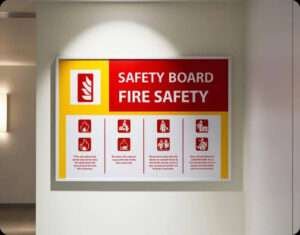
15. Train Residents, Employees, and Building Staff
Fire protection equipment is only one part of an effective safety programme.
People living and working in high-rise buildings should understand what to do during an emergency.
Building management should communicate important information about:
– Fire alarm warnings.
– Emergency staircase locations.
– Evacuation procedures.
– Assembly points.
– Emergency contact information.
– Reporting hazards.
– Assistance for people with mobility difficulties.
Staff members responsible for building operations should receive suitable training for their assigned duties.
Residents should also be informed about the importance of keeping shared corridors and emergency exits clear.
Regular safety awareness sessions can help reduce confusion and improve preparedness.
16. Understand Fire Safety Requirements in Pakistan
Property owners and developers should consider the applicable building and fire safety requirements before purchasing or installing equipment.
The Building Code of Pakistan (Fire Safety Provisions 2016) is an important national reference for fire protection and life safety in buildings.
Depending on the location, building type, occupancy, and project requirements, additional approvals or requirements may apply through relevant authorities.
Before making a purchase, building owners should:
1. Review applicable building requirements.
2. Arrange a professional fire risk assessment.
3. Confirm the approved fire protection design.
4. Select suitable equipment.
5. Verify product documentation.
6. Use qualified installation contractors.
7. Arrange testing and commissioning.
8. Establish a maintenance programme.
Businesses researching a fire alarm system in Pakistan should ensure that their chosen equipment is appropriate for the specific building and complies with relevant requirements.
Professional advice can help avoid unsuitable purchases and improve the overall quality of fire protection arrangements.
17. Common Buying Mistakes to Avoid
Purchasing fire safety equipment without proper planning can create unnecessary expenses and leave important safety gaps.
Some common mistakes include:
Choosing equipment only by price: Low-cost products may not meet the building’s technical requirements.
Ignoring building design: Equipment must be suitable for the building’s height, layout, and occupancy.
Overlooking compatibility: Connected systems should work together according to the approved design.
Neglecting maintenance: Equipment requires regular inspection and servicing.
Ignoring employee training: People need to understand emergency procedures and equipment responsibilities.
Buying without professional as