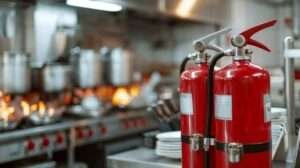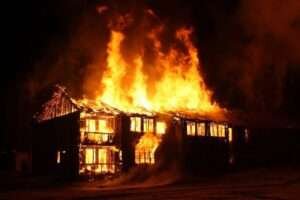
Fire safety is an essential responsibility for every business. Whether a company operates a small shop, office, restaurant, warehouse, factory, or commercial building, protecting employees, customers, and property from fire should always be a priority.
A workplace fire can cause injuries, damage buildings, destroy valuable equipment, interrupt business operations, and create significant financial losses. In many cases, fire hazards develop gradually and remain unnoticed until an emergency occurs.
Businesses often invest in fire extinguishers, alarms, emergency lighting, and other protective equipment. However, installing equipment alone is not enough. Regular inspections, proper maintenance, employee training, and emergency planning are equally important.
This is where fire safety checklists become valuable. They provide a simple and organized way to identify hazards, inspect safety equipment, maintain emergency exits, and ensure that employees follow appropriate safety procedures.
In Pakistan, businesses operate in different environments, from busy commercial markets and office buildings to industrial facilities and large warehouses. Each workplace has specific fire risks that require careful attention.
This article explains why every business needs fire safety checklists, what they should include, how to use them effectively, and how they contribute to a safer workplace.
### 1\. What Is a Fire Safety Checklist?
A fire safety checklist is a written list of inspection points and safety tasks used to identify fire hazards and monitor preventive measures within a workplace.
It helps business owners, managers, safety officers, and employees check whether essential safety arrangements are available, accessible, and functioning as intended.
A typical checklist may include:
* Checking fire extinguishers and firefighting equipment.
* Inspecting electrical cables, sockets, and appliances.
* Keeping emergency exits and escape routes clear.
* Checking fire alarm systems and reporting faults.
* Ensuring combustible materials are stored safely.
* Confirming employees understand evacuation procedures.
* Recording inspection findings and maintenance activities.
A checklist reduces the chances of forgetting important safety tasks. Instead of relying entirely on memory, employees can follow a written procedure and record their observations.
However, a checklist does not replace professional fire risk assessments, technical equipment inspections, or legal compliance requirements. It is one part of a complete fire safety management system.
### 2\. Why Every Business Needs Fire Safety Checklists
Fire safety checklists help businesses turn general safety policies into practical actions. They make it easier to identify problems, assign responsibilities, and ensure that essential precautions are followed.
### Preventing Workplace Fires
Many workplace fire hazards develop over time. Electrical cables may become damaged, storage areas may become cluttered, and machinery may develop maintenance problems.
Regular inspections help identify these conditions before they contribute to an emergency.
For example, an employee may notice that cardboard boxes are stored near electrical equipment. A checklist can help identify the issue and ensure that the materials are moved to a safer location.
Although inspections cannot prevent every possible fire, they can help reduce avoidable risks.
### Protecting Employees and Visitors
Every workplace should consider the safety of people inside its premises, including employees, customers, contractors, and visitors.
A fire safety checklist helps managers confirm that emergency exits are accessible, alarm signals are recognizable, and evacuation procedures are clearly communicated.
Businesses should also consider people who may need assistance during an emergency, including individuals with disabilities, older visitors, and people unfamiliar with the building.
### Reducing Property Damage
A workplace fire can damage buildings, furniture, machinery, stock, electrical systems, and important documents.
Regular inspections and suitable protective equipment can help reduce the likelihood and potential impact of fire incidents.
Checklists support these measures by encouraging employees to report problems and managers to arrange corrective action.
### Supporting Business Continuity
A serious fire can interrupt business operations and affect employees, suppliers, and customers.
A company may need to repair its premises, replace damaged equipment, restore records, or temporarily relocate.
Fire safety planning helps businesses prepare for these disruptions and protect essential operations.
### 3\. Common Fire Hazards in Pakistani Workplaces
An effective checklist begins with understanding the hazards present in a particular workplace.
Businesses in Pakistan may face different fire risks depending on their building design, electrical installations, equipment, materials, and daily activities.
### Electrical Hazards
Electrical problems are important to consider in offices, shops, factories, and warehouses.
Potential hazards include:
* Damaged electrical wiring.
* Loose connections and damaged sockets.
* Overloaded extension boards.
* Poorly maintained electrical panels.
* Improper use of electrical appliances.
* Unqualified electrical repairs.
Businesses should arrange inspections by qualified electrical professionals and ensure that damaged equipment is repaired or replaced appropriately.
Employees should report burning smells, unusual heat, sparks, and repeated circuit trips immediately.
### Combustible Materials
Paper, cardboard, fabrics, packaging, wood, and other combustible materials can contribute to fire growth.
Businesses that store large quantities of stock should maintain organized storage areas and keep combustible materials away from ignition sources.
Flammable liquids and hazardous chemicals require additional precautions based on their properties and applicable safety requirements.
### Cooking and Heating Equipment
Restaurants, hotels, cafeterias, and food businesses may face risks from cooking oil, gas appliances, electrical cooking equipment, and grease accumulation.
Regular inspections should cover appliance condition, cleaning, safe operation, and appropriate fire protection arrangements.
### Poor Housekeeping
Cluttered corridors, blocked exits, accumulated waste, and unsafe storage practices can increase fire risks and make evacuation more difficult.
A housekeeping checklist helps ensure that workplaces remain clean, organized, and accessible.
### Smoking and Open Flames
Smoking materials, candles, welding, and other open flames can create ignition risks when used near combustible materials.
Businesses should establish suitable smoking rules and hot-work procedures, provide designated areas where appropriate, and ensure that hazardous activities are properly controlled.
### 4\. Essential Elements of a Business Fire Safety Checklist
A useful checklist should cover the main fire risks and protective arrangements within the premises.
### Fire Alarm and Detection Systems
Fire detection and alarm systems help warn occupants when smoke, heat, or another monitored condition indicates a potential fire.
Early warning gives people an opportunity to begin evacuation and alert emergency responders.
A fire alarm checklist should include:
* Checking the alarm control panel for displayed faults.
* Ensuring alarm devices are not obstructed or visibly damaged.
* Arranging testing according to manufacturer instructions and applicable requirements.
* Confirming employees recognize the alarm signal.
* Recording faults and arranging repairs by qualified technicians.
* Ensuring any system outage is communicated to responsible personnel.
A suitable Fire alarm system in Pakistan can form an important part of a building’s fire protection arrangements. The appropriate system depends on building size, occupancy, layout, and identified hazards.
Businesses should not allow untrained employees to interfere with alarm wiring, control panels, or other technical components.
### Fire Extinguishers and Firefighting Equipment
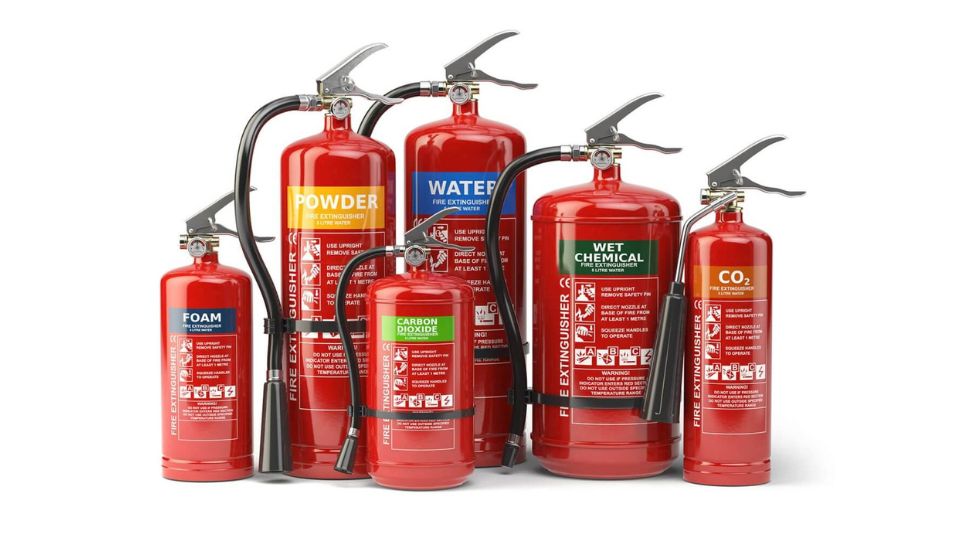
Fire extinguishers, hose reels, hydrants, and sprinkler systems may provide important protection when properly selected, installed, and maintained.
The checklist should confirm that:
* Equipment is located in its designated position.
* Access is clear and unobstructed.
* Equipment has no obvious signs of damage or leakage.
* Inspection and servicing records are available.
* Required maintenance is completed by competent personnel.
* Employees know how to raise the alarm and evacuate safely.
The type of extinguisher should be appropriate for the potential fire hazards. Employees should not attempt to fight a fire that is spreading or creating dangerous conditions.
### Emergency Exits and Escape Routes
Emergency exits are essential for safe evacuation.
Businesses should check that corridors, stairways, exit doors, and designated escape routes remain accessible.
Important inspection points include:
* Emergency exits are not blocked by stock or furniture.
* Exit signs are visible.
* Doors can be opened as intended.
* Emergency lighting is checked where installed.
* Escape routes lead toward a safe place.
* Damaged exit doors or signs are reported promptly.
Employees should never be expected to move through smoke or dangerous fire conditions to reach an exit.
### Electrical Safety
Electrical safety inspections help identify problems that could lead to overheating, equipment failure, or ignition.
A checklist may include checking visible cables, plugs, sockets, extension boards, and electrical equipment for damage.
Electrical panels should remain accessible, and unnecessary combustible materials should not be stored around them.
Repairs and technical inspections should be performed by qualified personnel.
### Housekeeping and Storage
Good housekeeping reduces unnecessary fire hazards and supports safe evacuation.
Businesses should check that waste is removed regularly, storage areas remain organized, and combustible materials are kept away from heat sources.
Storage arrangements should also avoid blocking firefighting equipment, electrical panels, and emergency exits.
### 5\. Creating Fire Safety Checklists for Different Businesses
Every workplace has different fire risks. A checklist should reflect the activities, equipment, building layout, and materials present in the business.
### Offices and Commercial Buildings
Office checklists should cover computers, printers, chargers, electrical equipment, kitchen areas, emergency exits, fire alarms, and employee awareness.
Managers should coordinate fire safety arrangements with building owners or facilities teams when several businesses share the same premises.
### Warehouses and Factories
Industrial workplaces may contain machinery, large quantities of combustible materials, chemicals, and equipment that produces heat.
Their checklists should address safe storage, electrical installations, hot work, machinery maintenance, emergency routes, and access for emergency responders.
Higher-risk operations may require specialist inspections and additional controls.
### Restaurants and Hotels
Restaurants should pay attention to cooking appliances, gas connections, extraction hoods, grease accumulation, and kitchen fire protection equipment.
Hotel checklists should also consider guest evacuation routes, alarm audibility, emergency lighting, and staff responsibilities.
### Retail Shops and Shopping Centres
Retail businesses should ensure that merchandise, displays, and storage arrangements do not obstruct exits or firefighting equipment.
Shopping centres may also need coordinated evacuation procedures involving tenants, security staff, facilities management, and visitors.
### 6\. How Often Should Fire Safety Checklists Be Completed?
The frequency of inspections depends on the workplace’s fire risks, equipment, applicable requirements, and manufacturer’s instructions.
A practical approach combines routine observations with scheduled inspections and professional servicing.
| Frequency | Suggested inspection activities |
| ————- | —————————————————————————————– |
| Daily | Observe exits, housekeeping, visible hazards, and obvious equipment problems. |
| Weekly | Complete designated routine checks and any required system checks. |
| Monthly | Review equipment condition, storage practices, records, and outstanding issues. |
| Periodically | Arrange professional servicing, technical inspections, and evacuation drills as required. |
| After changes | Review risks after renovations, new equipment, or changes in occupancy or operations. |
This is a general planning example, not a universal legal schedule. Businesses should confirm the inspection and maintenance frequencies applicable to their premises and equipment.
For example, the Sindh Occupational Safety and Health Rules, 2019, include provisions for periodic examination and testing of firefighting apparatus in the specified workplace context. Employers should consult the relevant rules and authorities to establish their actual obligations.
### 7\. The Role of Employee Fire Safety Training
A checklist is useful only when employees understand what they are checking and how to respond to a problem.
Fire safety training helps workers recognize hazards, report unsafe conditions, respond to alarms, and evacuate safely.
Employees should know:
* Where emergency exits and assembly points are located.
* How to raise the alarm.
* Who is responsible for coordinating evacuation.
* How to report fire hazards and equipment faults.
* Which routes to use during an emergency.
* Why they must not re-enter a building until authorized.
Training should also explain the importance of following instructions from emergency personnel and avoiding unsafe attempts to fight a fire.
Businesses should conduct appropriate evacuation drills, record the results, and identify areas for improvement.
Training should be refreshed when employees change roles, workplace arrangements change, or inspections reveal gaps in understanding.
### 8\. Fire Safety Checklists and Legal Compliance in Pakistan
Fire safety obligations in Pakistan can depend on the province or territory, building use, size, industry, and the authority responsible for regulating the premises.
The Building Code of Pakistan, Fire Safety Provisions 2016, provides a national reference for fire safety matters, including building protection, fire safety systems, and evacuation-related provisions.
Provincial and local requirements may also apply.
For example, Punjab’s Civil Defence Department identifies fire safety inspections of industrial premises, commercial properties, and high-rise buildings among its responsibilities. Fire detection, alarm systems, firefighting arrangements, emergency exits, and evacuation planning are among the measures addressed in its published information.
Businesses in Sindh should consult the applicable provincial occupational safety and health rules, building requirements, and relevant authorities.
A checklist can help organize inspection records and demonstrate that safety tasks are being managed. However, completing a checklist does not automatically establish legal compliance.
Businesses should identify the rules applicable to their premises and obtain professional advice where necessary.
### 9\. How to Prepare an Effective Fire Safety Checklist
Creating a practical checklist involves more than writing down a few inspection questions. It requires clear responsibilities, relevant inspection points, and a system for correcting problems.
### Step 1: Identify Fire Hazards
Walk through the workplace and identify possible ignition sources, combustible materials, and areas where people may face difficulties during evacuation.
Include storage rooms, kitchens, workshops, electrical rooms, offices, and all floors of the building.
### Step 2: Assign Responsibilities
Choose a suitable person to coordinate inspections.
Depending on the business, this may be a safety officer, facilities manager, supervisor, or trained employee.
Make sure everyone knows how to report hazards, including problems discovered outside scheduled inspections.
### Step 3: Use Clear Questions
Checklist questions should be simple and specific.
For example:
* Are emergency exits accessible?
* Are fire extinguishers in their designated locations?
* Are visible electrical cables undamaged?
* Are fire alarm faults reported?
* Do employees know the evacuation procedure?
Clear questions help different employees complete inspections consistently.
### Step 4: Record Findings and Corrective Actions
Every identified problem should be recorded and assigned for follow-up.
A useful record includes the inspection date, location, hazard, responsible person, required action, and completion status.
Serious hazards should be addressed immediately, with unsafe equipment or areas taken out of use where necessary.
### Step 5: Review and Update the Checklist
Checklists should be reviewed regularly to identify recurring problems and overdue maintenance.
Update them when the workplace changes, new equipment is installed, or an incident reveals weaknesses in existing procedures.
### 10\. A Practical Fire Safety Checklist for Businesses
The following sample provides a starting point for routine workplace inspections. Businesses should adapt it to their own hazards and applicable requirements.
Workplace Fire Safety Checklist
0 / 12
Emergency exits and corridors are clear.
Exit signs are visible and readable.
Emergency lighting is checked where installed.
Fire alarm panel shows no known faults.
Fire extinguishers are accessible and show no obvious damage.
Visible electrical cables and sockets appear undamaged.
Electrical panels are accessible and free from unnecessary combustible storage.
Combustible waste is removed and stored safely.
Flammable materials are stored appropriately.
Employees know evacuation routes and the assembly point.
Fire safety defects are recorded and assigned for correction.
Inspection and maintenance records are updated.
Sample checklist for routine observations. Copy
Reset checklist
This checklist does not replace specialist equipment testing, professional fire risk assessments, or inspections required by law.
### 11\. Common Fire Safety Checklist Mistakes to Avoid
Even businesses that use checklists can overlook important safety issues.
### Treating Inspections as a Formality
A checklist should never be completed without actually inspecting the workplace.
Employees should record problems honestly, even when they require time or money to resolve.
### Ignoring Repeated Problems
If the same hazard appears regularly, managers should investigate its underlying cause.
For example, repeatedly blocked emergency exits may indicate poor storage arrangements or insufficient supervision.
The business should correct the underlying problem rather than simply clearing the exit temporarily.
### Using One Checklist for Every Department
Different departments have different hazards.
A commercial kitchen requires checks that may not apply to an ordinary office, while a factory may need additional inspections for machinery and hazardous materials.
Businesses should adapt their checklists to reflect these differences.
### Failing to Maintain Records
Inspection records help managers monitor whether checks are completed and whether corrective actions are effective.
Records should include inspection dates, findings, maintenance activities, responsible personnel, and outstanding issues.
Good recordkeeping also supports communication between employees, building management, and relevant professionals.
### 12\. Fire Safety Equipment and Professional Support
Routine checklists help businesses manage everyday safety tasks, but some requirements involve technical knowledge and specialist equipment.
Professional fire safety support may be needed to determine:
* Which fire detection and alarm arrangements are suitable.
* What types of extinguishers are appropriate for identified hazards.
* Whether emergency exits and evacuation arrangements are adequate.
* Which inspections and maintenance activities are required.
* Whether the premises meet applicable technical and regulatory requirements.
Businesses should use qualified and competent professionals for installation, testing, repairs, and servicing of fire protection systems.
When reviewing suppliers or service providers, companies should consider product suitability, technical documentation, maintenance support, and relevant qualifications.
Information about fire safety products and services can be explored through [Firesafetytrading.com.pk](https://firesafetytrading.com.pk/). Any equipment selected should match the workplace’s assessed needs and applicable requirements.
### 13\. The Long-Term Benefits of Fire Safety Checklists
Fire safety checklists provide benefits beyond individual inspections. When used consistently, they help establish a workplace culture in which safety becomes part of everyday operations.
### Better Employee Awareness
Employees become more familiar with fire hazards and understand their role in preventing emergencies.
This awareness can encourage workers to report unsafe conditions rather than ignore them.
### Improved Maintenance Planning
Inspection records help businesses identify equipment that needs attention and plan maintenance before problems become more serious.
This can also help managers organize maintenance budgets and responsibilities.
### Greater Accountability
Assigning specific inspection and corrective-action responsibilities makes it easier to determine whether important safety tasks have been completed.
Managers can review outstanding issues and ensure that serious hazards receive appropriate attention.
### Stronger Emergency Preparedness
Regular checks help businesses maintain emergency routes, review evacuation arrangements, and identify weaknesses in their procedures.
Combined with training and drills, checklists can improve employees’ familiarity with emergency responsibilities.
### Conclusion
Fire safety checklists are an important part of protecting businesses, employees, customers, and property. They provide a practical way to identify workplace hazards, inspect fire protection equipment, maintain emergency exits, and monitor corrective actions.
For businesses in Pakistan, an effective checklist should reflect the specific risks associated with the premises, including electrical equipment, combustible materials, machinery, cooking facilities, and storage arrangements.
However, a checklist is only one part of a complete fire safety plan. Businesses also need suitable fire protection equipment, employee training, appropriate maintenance, emergency procedures, and compliance with applicable requirements.
By making inspections a regular responsibility, recording problems, and ensuring that corrective actions are completed, businesses can develop a more organized approach to fire prevention.
Fire safety begins with awareness, but it becomes effective through consistent action.
### Frequently Asked Questions (FAQs)
### 1\. What is the purpose of a fire safety checklist?
A fire safety checklist helps businesses identify fire hazards, inspect safety equipment, check emergency exits, and ensure that preventive measures are followed regularly.
### 2\. How often should a business complete a fire safety checklist?
The frequency depends on the workplace, its fire risks, equipment, and applicable requirements. Daily observations and scheduled inspections can be combined with professional servicing and periodic reviews.
### 3\. What should be included in a workplace fire safety checklist?
A checklist should cover fire alarms, extinguishers, emergency exits, electrical hazards, housekeeping, combustible materials, employee awareness, and records of corrective actions.
### 4\. Are fire safety checklists legally required in Pakistan?
Requirements vary according to the location, building type, industry, and applicable regulations. Businesses should consult the relevant authorities and qualified professionals to determine their specific obligations.
### 5\. Can a fire safety checklist prevent every workplace fire?
No. A checklist cannot eliminate every fire risk, but it can help identify hazards, improve maintenance, and support safer workplace practices. It should be combined with suitable equipment, training, and emergency planning.