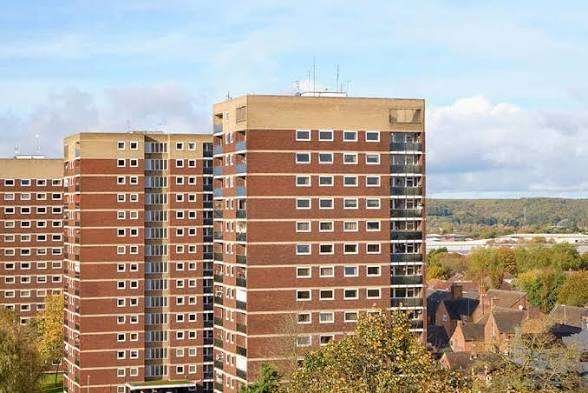
High-rise buildings are an important part of Pakistan’s growing cities. Residential towers, offices, hospitals, hotels, and commercial complexes accommodate many people in a limited space. However, protecting these buildings from fire requires careful planning, suitable equipment, and regular maintenance.
A fire emergency on an upper floor can present challenges that are different from those in a small building. Occupants may need to travel through several floors to reach a safe exit, while smoke can affect corridors and stairways. Emergency responders may also need specialised access and reliable building fire protection systems.
For these reasons, buying fire safety equipment should never be based on price alone. Building owners, property managers, developers, and housing societies should consider the building’s design, occupancy, fire risks, and applicable safety requirements before making a purchase.
The Building Code of Pakistan — Fire Safety Provisions 2016 provides an important framework for building fire protection and life safety. Punjab Civil Defence also identifies fire alarm systems, firefighting arrangements, fire safety plans, emergency control rooms, and evacuation arrangements among the measures covered by its inspection guidance.
This article explains what to check before investing in fire safety for a high-rise building in Pakistan and how to make informed decisions that support occupant safety and long-term value.
1. Understand the Building’s Fire Safety Requirements
Before purchasing any equipment, establish which fire safety requirements apply to the building. The needs of a residential tower may differ from those of a hospital, shopping centre, hotel, or office building.
Relevant factors include the building’s height, total floor area, number of occupants, floor layout, intended use, and potential fire hazards. Applicable requirements may also depend on the location and the authority responsible for approving and inspecting the premises.
The Building Code of Pakistan — Fire Safety Provisions 2016 is a useful starting point for understanding fire protection and evacuation provisions. However, owners should confirm the requirements for their particular property with the relevant building control authority, Civil Defence department, fire service, or qualified fire safety professional.
Before making a purchase, ask:
– Which fire safety provisions apply to the building?
– Are there any inspection findings or outstanding compliance issues?
– Which systems are required for this building’s occupancy?
– Are the existing systems adequate, or do they need upgrading?
– What documentation is required for approval and inspection?
Answering these questions first helps prevent unnecessary purchases and reduces the risk of installing unsuitable equipment.
2. Check the Fire Alarm System
A reliable fire alarm system is a central part of high-rise building safety. It helps alert occupants when a potential fire is detected and supports a coordinated emergency response.
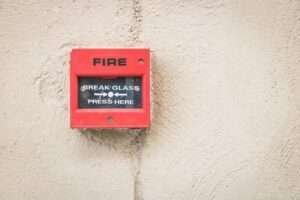
When evaluating a fire alarm system in Pakistan, consider whether it is designed for the building’s specific layout, occupancy, and fire risks. The system may include automatic detectors, manual call points, alarm sounders, visual notification devices, and a central control panel, depending on the approved design.
For larger buildings, communication arrangements may also be needed to provide clear emergency instructions to occupants.
Before buying, review the following points:
System suitability: The design should be appropriate for the building and comply with applicable requirements.
Device coverage: A qualified professional should determine the placement and type of detectors and notification devices.
Clear warnings: Occupants must be able to receive and understand emergency alerts in relevant areas of the building.
Compatibility: New equipment should work correctly with the existing system if it is being upgraded.
Testing and maintenance: The supplier should provide clear documentation on inspection, testing, servicing, and replacement requirements.
Do not select an alarm system solely because it is inexpensive or advertised as suitable for every building. A professional assessment is necessary to determine the appropriate solution.
3. Evaluate Smoke Detection and Warning Devices
Smoke detection helps identify potential fire conditions early. In a high-rise building, the correct placement and selection of detection devices are particularly important because different spaces can have different environmental conditions and risks.
Depending on the building’s design, detection may be required in areas such as corridors, service spaces, plant rooms, or other designated locations. The exact requirements should be established through the applicable code and a professional design assessment.
When purchasing smoke detection equipment, check that:
– The devices are suitable for the intended environment.
– They are compatible with the building’s alarm system.
– The supplier provides product documentation and installation guidance.
– Testing and maintenance arrangements are available.
– Any existing system can accommodate the proposed equipment.
Avoid assuming that installing detectors in a few common areas will provide adequate protection for an entire tower. The building’s approved design and applicable standards should determine the required coverage.
4. Inspect Fire Extinguishers and Other Firefighting Equipment
Fire extinguishers and other firefighting equipment should be selected according to the hazards present and the building’s applicable requirements.
Different types of fires require different protective measures. A commercial kitchen, electrical room, parking area, and general office space may have different needs. Equipment should therefore be chosen with advice from a qualified professional rather than purchased using a one-size-fits-all approach.
Depending on the approved design, a high-rise building may require equipment such as:
– Suitable portable fire extinguishers.
– Fire hydrants and hose arrangements.
– Standpipe systems.
– Automatic sprinkler systems.
– Fire pumps and associated water supplies.
– Other approved fire suppression equipment.
Before purchasing, verify the equipment’s suitability, relevant approvals, documentation, warranty, and servicing arrangements. Confirm that the supplier can support ongoing maintenance and that the equipment can be integrated into the building’s wider fire protection plan.
Building occupants should also receive appropriate safety information. They must understand that evacuation and contacting emergency services take priority when a fire presents a danger.
5. Check Emergency Exits and Stairways
A high-rise building needs safe, clearly identified escape routes. Even a well-equipped building can be dangerous if occupants cannot reach an exit promptly.
Inspect the general condition and accessibility of designated corridors, stairways, exit doors, and other approved means of escape. These routes should remain free from storage, furniture, waste, and other obstructions.
Check the following:
– Exit signs are clear and appropriately located.
– Emergency lighting is provided where required.
– Stairways and escape routes are maintained.
– Exit doors can be used as intended during an emergency.
– Escape routes are consistent with the building’s approved evacuation plan.
– Required fire doors and other protective features are maintained.
The Building Code of Pakistan — Fire Safety Provisions 2016 addresses means of egress, occupant notification, and protection against the spread of fire and smoke. Building owners should use the applicable provisions and professional advice to assess their property’s escape arrangements.
Never assume that a lift is a normal evacuation route during a fire. Occupants should follow the building’s emergency instructions and use designated exits unless emergency responders or approved procedures direct otherwise.
6. Review Fire Doors and Compartmentation
Fire doors and other fire-resisting building features help limit the movement of fire and smoke between areas. In a high-rise building, these features can support safer evacuation by protecting designated routes and separating different parts of the structure.
Before purchasing replacement doors or upgrading existing features, confirm the required fire-resistance performance and approved specifications. Appearance or price alone cannot establish whether a door is suitable for its intended purpose.
A professional inspection should consider the condition of doors, frames, closing mechanisms, seals, and associated hardware. Any changes should be compatible with the building’s approved fire protection design.
Building managers should also pay attention to unauthorised alterations, damaged protective features, and service openings that may compromise fire separation.
Do not make modifications that could undermine a fire door or other protective barrier. Qualified professionals should assess and correct deficiencies in accordance with applicable requirements.
7. Verify Emergency Lighting and Safety Signage
During a fire, normal lighting may be affected, and smoke or confusion can make it harder for occupants to navigate a building. Emergency lighting and visible safety signs help people identify escape routes and exits.
When evaluating these systems, check whether they are appropriate for the building layout and applicable requirements. Emergency lighting should have suitable backup arrangements where required, while signs should remain visible and understandable.
Consider:
– Lighting along designated escape routes.
– Clear signs identifying exits and stairways.
– Instructions showing the relevant evacuation arrangements.
– Suitable maintenance and testing procedures.
– Consistency between signs, floor layouts, and the evacuation plan.
A supplier should provide documentation about the equipment and its maintenance needs. Building management should arrange appropriate inspections to ensure that the systems remain functional.
8. Assess Fire Pumps, Water Supplies, and Sprinkler Systems
Some high-rise buildings require fixed firefighting systems supported by reliable water supplies and pumps. These systems must be designed around the building’s specific requirements.
Before buying or upgrading equipment, have a qualified professional assess the system design, capacity requirements, compatibility, and maintenance arrangements.
Important considerations include the suitability of the water supply, the condition of associated equipment, and whether the proposed system meets the approved fire protection design.
Ask the supplier to provide technical specifications, installation documentation, testing procedures, and a clear maintenance plan. Where an existing system is involved, verify that the proposed equipment is compatible with its other components.
Do not rely on a supplier’s general assurance that a product is suitable for all high-rise buildings. The design and required performance should be established for the actual property.
9. Consider Emergency Communication and Evacuation Planning
An alarm must do more than make a noise. Occupants need to know what the warning means, which actions they should take, and where they should go.
Depending on the building’s design and applicable requirements, a high-rise property may need an emergency voice/alarm communication system or other arrangements for delivering clear instructions.
Before purchasing communication equipment, consider whether messages can reach the relevant occupants, whether the system works with existing alarms, and how it will be maintained and tested.
A complete evacuation plan should identify designated exits, assembly points, responsibilities for building staff, and arrangements for assisting people who may need additional help.
Building managers should provide appropriate information to residents, employees, tenants, and visitors. Regularly reviewed drills can help identify confusion or weaknesses in the plan.
Equipment and training should work together. Neither a sophisticated alarm nor a written plan is enough if occupants do not understand how to respond.
10. Verify Supplier Experience, Product Quality, and Documentation
Choosing a reliable supplier is an important part of buying fire safety equipment. The supplier should understand the intended application and be able to provide accurate technical information.
Before placing an order, review:
Product documentation: Request technical specifications, applicable certifications or approvals, installation instructions, and maintenance information.
Relevant experience: Ask about experience with buildings of a similar type and complexity.
Design support: Confirm whether the supplier can coordinate with the building’s qualified fire safety designer or consultant.
Installation arrangements: Clarify who is responsible for installation, testing, commissioning, and documentation.
After-sales service: Ask about maintenance, technical support, spare parts, warranty conditions, and response arrangements for reported faults.
System compatibility: For upgrades, confirm that new components are suitable for the existing installation.
Do not treat a low quotation as proof of better value. An unsuitable system can create additional costs and may fail to meet the building’s needs.
11. Compare Total Cost, Not Just the Purchase Price
The cost of fire safety equipment includes more than its initial purchase. Installation, testing, maintenance, training, spare parts, and eventual replacement can all contribute to the long-term expense.
When comparing quotations, ask suppliers to explain exactly what is included. One quotation may cover installation and commissioning, while another may cover equipment only.
A useful comparison should include:
– Equipment and installation costs.
– Design and assessment fees.
– Testing and commissioning.
– Routine inspection and servicing.
– Replacement components and consumables.
– Staff training and documentation.
– Warranty coverage and after-sales support.
The cheapest option may not be the most economical over time if it requires frequent repairs or lacks suitable service support.
At the same time, the most expensive product is not automatically the best choice. The objective is to select a system that meets the building’s requirements, offers appropriate quality, and can be maintained throughout its useful life.
12. Establish a Maintenance and Inspection Plan
Fire safety equipment must remain functional after installation. A building should have a documented maintenance plan based on applicable requirements, manufacturer instructions, and the system’s approved design.
Before buying, confirm that the supplier can explain how the equipment should be inspected, tested, and serviced. Establish who will be responsible for maintenance and how faults will be reported and corrected.
The plan should address relevant systems, including alarms, detectors, emergency lighting, extinguishers, hydrants, pumps, sprinklers, and communication equipment, as applicable to the building.
Maintain records of inspections, tests, servicing, defects, and corrective actions. These records can help building management monitor the condition of its systems and prepare for relevant inspections.
If an essential fire protection system becomes unavailable, building management should promptly follow the applicable safety procedures and consult the responsible authority or qualified professional about appropriate temporary measures and restoration.
13. Prepare a Practical Buying Checklist
Before finalising a fire safety purchase for a high-rise building, review this checklist:
– Confirm the applicable building code and local requirements.
– Arrange a professional fire risk and system assessment.
– Identify the building’s alarm and detection requirements.
– Review extinguishers and other required firefighting systems.
– Inspect exits, stairways, fire doors, and emergency lighting.
– Assess communication and evacuation arrangements.
– Verify product documentation and supplier capability.
– Compare installation, maintenance, and lifetime costs.
– Confirm testing, commissioning, and handover requirements.
– Establish responsibilities for ongoing inspections and servicing.
If important details remain uncertain, obtain clarification before purchasing or installing equipment. A documented assessment is more reliable than selecting products based only on a general checklist.
Conclusion
Buying fire safety equipment for a high-rise building is an important responsibility that requires careful planning. Building owners and managers should evaluate applicable requirements, alarm and detection systems, firefighting equipment, escape routes, communication arrangements, supplier qualifications, and long-term maintenance needs.
The Building Code of Pakistan — Fire Safety Provisions 2016 and relevant local authority guidance provide important starting points, but each building must be assessed according to its own design, use, and applicable requirements.
Investing in a suitable fire alarm system in Pakistan, together with appropriate detection, firefighting equipment, safe exits, and staff training, can support a more organised approach to fire prevention and emergency preparedness.
The best purchasing decision is not simply the one with the lowest price. It is the one that meets the building’s actual needs, can be maintained reliably, and helps protect the people who live, work, or visit there.
Frequently Asked Questions (FAQs)
1. What should I check before buying fire safety equipment for a high-rise building?
Start by identifying the applicable building requirements and arranging a professional fire risk assessment. Then review alarms, detectors, firefighting equipment, emergency exits, lighting, communication systems, supplier documentation, and maintenance arrangements.
2. Is a fire alarm system required in high-rise buildings in Pakistan?
The Building Code of Pakistan — Fire Safety Provisions 2016 contains fire alarm and detection provisions, including provisions for high-rise buildings. The precise requirements for a property should be confirmed against the applicable code, approved design, and requirements of the relevant authority.
3. Which fire safety systems may be needed in a high-rise building?
Depending on the building’s use and design, systems may include fire alarms, smoke detection, extinguishers, hydrants, standpipes, sprinklers, emergency lighting, exit signs, and emergency communication arrangements. A qualified professional should determine the appropriate requirements.
4. How can I choose a reliable fire safety equipment supplier in Pakistan?
Check the supplier’s relevant experience, product documentation, technical support, installation and commissioning arrangements, warranty conditions, spare parts availability, and maintenance services. Ensure that the proposed products are suitable for the building and its approved design.
5. How often should fire safety equipment in a high-rise building be inspected?
Inspection and testing schedules depend on the equipment type, manufacturer instructions, applicable standards, and local requirements. Building management should maintain a documented programme and arrange servicing by competent professionals at the required intervals.