A home should be a place where people feel safe, but fire hazards can exist in kitchens, bedrooms, electrical areas, garages, and storage spaces. Fires may start because of cooking accidents, damaged electrical equipment, unattended heat sources, or unsafe handling of combustible materials.
The good news is that many fire risks can be reduced through sensible precautions, early detection, and a clear emergency plan. However, misinformation can prevent families from taking the right steps.
The Building Code of Pakistan — Fire Safety Provisions 2016 provides an important framework for building fire protection and life safety. Although the specific requirements depend on the type and use of a building, the broader lesson applies to every household: fire prevention and emergency preparedness should never be ignored.
This guide explores common home fire safety myths and explains what families should understand instead.
1. Myth: Fires Only Happen in Old or Unsafe Houses
One of the most common misconceptions is that modern homes are naturally protected from fire. New construction, modern appliances, and updated electrical systems may offer benefits, but they do not eliminate every hazard.
A fire can start in a newly built apartment just as it can in an older house. Cooking equipment, electrical appliances, chargers, heating devices, and combustible household materials can all contribute to a fire risk.
Even a well-maintained property may experience an unexpected equipment failure or human error. That is why prevention should not depend on the age or appearance of a home.
The reality: Every household should assess its fire risks and take appropriate precautions.
Keep electrical equipment in good condition, follow appliance instructions, avoid unsafe cooking practices, and ensure that exits remain accessible. Families should also consider suitable smoke detection and learn how to respond to an alarm.
A modern home is not automatically a fire-safe home. Safety depends on everyday habits, suitable equipment, and regular attention to potential hazards.
2. Myth: A Small Fire Is Always Easy to Control
A small flame may appear harmless at first, but fire can spread rapidly when it reaches nearby combustible materials. Smoke can also travel through a property and make it difficult to see or breathe safely.
A fire that begins in a kitchen or around an electrical appliance may become dangerous before occupants fully understand what is happening.
Trying to control a fire without the appropriate training or equipment can put people at risk. Even when a fire appears small, conditions may change quickly.
The reality: Personal safety should always come before protecting property.
If a fire spreads, produces significant smoke, or creates an unsafe situation, leave immediately, alert others if it is safe to do so, and contact the appropriate emergency services. Do not delay evacuation to collect valuables or attempt an uncertain firefighting effort.
Families should learn their escape routes before an emergency occurs. Prevention is valuable, but knowing when to leave is equally important.
3. Myth: Smoke Alarms Are Only Necessary in Large Houses
Some homeowners believe that smoke alarms are mainly intended for large houses, commercial buildings, or high-rise apartments. This assumption overlooks the fact that a fire can occur in a property of almost any size.
In a small home, occupants may still be asleep, in another room, or unaware that smoke is spreading. An early warning can help alert people to a possible emergency.
Smoke alarm placement should take account of the home’s layout, sleeping areas, and applicable guidance. Recognised fire safety guidance commonly recommends alarms in sleeping rooms, outside sleeping areas, and on every level of a home. <Cite refs={[“turn207283search8″,”turn207283search6”]} />
The reality: Home size alone should not determine whether fire detection is considered.
Choose suitable devices, follow the manufacturer’s installation instructions, and ensure that everyone can hear and recognise the alarm. In a larger or more complex home, a qualified professional can help assess the appropriate arrangement.
A properly selected and maintained alarm is an important part of a broader household safety plan.
4. Myth: A Fire Alarm System Is Only for Offices and Commercial Buildings
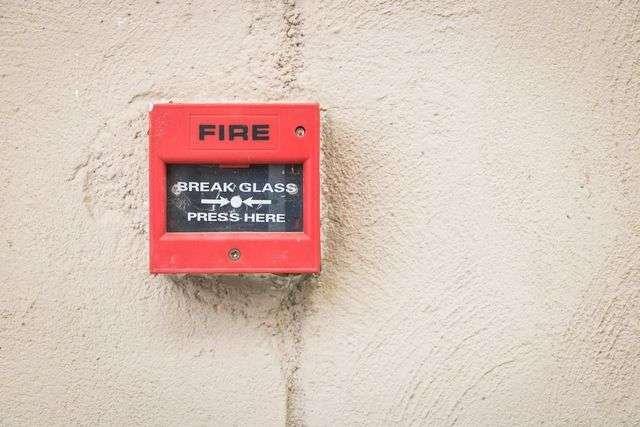
Fire alarm systems are often associated with offices, shopping centres, factories, and hospitals. However, fire detection can also be relevant to residential buildings, depending on their design, occupancy, risks, and applicable requirements.
For a household, a suitable smoke alarm may provide an important early warning. Larger residential properties or apartment buildings may need more comprehensive detection and notification arrangements.
When considering a fire alarm system in Pakistan, homeowners and property managers should look at the actual needs of their premises rather than assuming that every building requires the same equipment.
The reality: Fire detection should be appropriate for the building and its risks.
Consider the number of floors, sleeping arrangements, escape routes, and the existing building-wide safety provisions. In apartment buildings, residents should also understand the shared alarm and evacuation arrangements.
Where a system is required by applicable building rules, its design and installation should be assessed by qualified professionals. The right choice is based on safety needs and applicable requirements, not simply on the type of property.
5. Myth: A Fire Alarm Alone Makes a Home Completely Safe
An alarm can provide a warning, but it cannot prevent every fire or guarantee that occupants will escape safely.
A household may have working detection equipment but still face risks from blocked exits, unsafe electrical practices, poor storage, or a lack of emergency planning. An alarm is most useful when it forms part of a complete safety strategy.
The reality: Effective home fire safety combines several measures.
These include:
– Reducing common ignition hazards.
– Installing suitable detection devices.
– Testing and maintaining alarms according to the manufacturer’s instructions.
– Keeping doors and escape routes accessible.
– Preparing an emergency escape plan.
– Teaching family members how to respond to warnings.
– Keeping emergency contact information accessible.
Each measure serves a different purpose. Prevention reduces risks, detection provides warning, and an escape plan helps occupants respond.
Families should avoid treating any single product as a substitute for good safety habits and emergency preparedness.
6. Myth: Electrical Fires Are Only Caused by Old Wiring
Older wiring can create safety concerns, but electrical hazards are not limited to old buildings. Damaged cords, overloaded sockets, defective appliances, and unsuitable electrical connections can also create risks.
Households in Pakistan may use several appliances at once, including refrigerators, washing machines, air conditioners, fans, computers, and charging devices. The safety of these arrangements depends on the condition and suitability of the electrical installation and equipment.
The reality: Electrical safety requires attention regardless of a property’s age.
Avoid overloading sockets or extension boards. Replace damaged electrical equipment through appropriate professional assistance, and stop using appliances that show signs of damage or malfunction. Electrical installations and repairs should be handled by qualified electricians.
If an electrical fire occurs, do not touch the equipment or attempt to use water on a potentially energised electrical source. Evacuate if the situation is unsafe and contact emergency services.
Routine attention to electrical safety can help reduce preventable hazards.
7. Myth: Cooking Fires Are Always Harmless
Cooking is a normal part of daily life, but kitchens contain several potential fire hazards. Hot cooking surfaces, cooking oils, gas appliances, and combustible materials can create dangerous conditions when handled carelessly.
A common mistake is leaving cooking unattended, especially when other household tasks compete for attention. Items such as paper towels, cloths, packaging, and loose materials can also create unnecessary risks when placed near heat sources.
The reality: Safe cooking requires attention and a clear workspace.
Stay attentive while cooking, keep combustible materials away from heat, and follow the appliance manufacturer’s safety instructions. Maintain cooking equipment and arrange professional assistance if a gas appliance appears faulty.
If a cooking fire develops, do not carry a burning pan or take actions that could spread the fire. Leave the area if conditions become unsafe and call the appropriate emergency services.
Teaching everyone who uses the kitchen about basic precautions can help establish safer household routines.
8. Myth: Children Will Automatically Know What to Do During a Fire
Children may understand that fire is dangerous, but that does not mean they will know how to respond during a real emergency. Fear, confusion, and unfamiliar surroundings can make it harder to remember instructions.
Children need simple, age-appropriate explanations and regular opportunities to learn the household escape plan.
The reality: Fire safety education should be part of family life.
Parents and caregivers can help children learn:
– What a smoke alarm sounds like.
– Which exits are available.
– Where the family will meet outside.
– Why they must not hide during an evacuation.
– Why they must never return to a building after leaving.
– How to alert a trusted adult when they notice a possible hazard.
Practise the escape plan calmly and make sure children understand that their priority is getting to safety rather than collecting toys or belongings.
Young children should never be expected to manage a fire emergency independently. Adults should supervise them appropriately and plan how to help them evacuate.
9. Myth: There Is No Need for a Home Fire Escape Plan
Some families assume they can decide what to do if a fire ever occurs. Unfortunately, an emergency is not the best time to work out which exit to use or where everyone should meet.
Smoke, darkness, and confusion can make familiar surroundings harder to navigate. A planned response helps family members act more confidently.
The reality: Every household should know how to leave safely.
Walk through the home and identify the available exits from bedrooms and common areas. Consider an alternative route in case the usual exit is blocked, where a safe alternative exists.
Choose a meeting place outside, away from the building, and make sure everyone understands the plan. Keep doors and escape routes clear and ensure that exits can be opened as intended.
The U.S. Fire Administration recommends drawing a home escape map, identifying two ways out where possible, choosing an outdoor meeting place, and practising the plan with everyone in the household. <Cite refs={[“turn207283search5”]} />
If a fire occurs, leave immediately using a safe route. Do not use a lift during a fire unless emergency responders specifically direct you to do so. Never re-enter the building to retrieve possessions.
10. Myth: Fire Safety Equipment Never Needs Maintenance
Purchasing a smoke alarm, fire extinguisher, or other safety device is only the beginning. Equipment may become unreliable if it is damaged, incorrectly installed, or neglected.
Batteries can run down, components can wear out, and devices may reach the end of their service life. Household renovations may also affect equipment placement or escape routes.
The reality: Safety equipment needs appropriate care.
Follow the manufacturer’s instructions for testing, cleaning, battery replacement, servicing, and product replacement. Address fault warnings promptly and avoid disabling an alarm because it sounds inconvenient.
If cooking fumes or steam trigger repeated nuisance alarms, investigate the cause and seek suitable advice about placement or device selection. Never leave the home without appropriate detection simply to stop nuisance alerts.
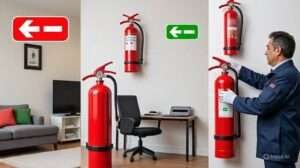
Where a home has a fire extinguisher, check its condition and service requirements according to the manufacturer’s guidance and applicable standards. Occupants should only consider using one when they are trained, the fire is small and manageable, and a safe escape route remains available.
If there is any doubt, evacuate and seek professional help.
11. Myth: Fire Safety Is Too Expensive for an Ordinary Household
Some people delay improving fire safety because they assume every precaution requires a major financial investment. While some systems and building upgrades can be costly, many useful preventive measures involve simple changes to everyday habits.
Keeping escape routes clear, avoiding overloaded sockets, staying attentive while cooking, and teaching family members the evacuation plan can all contribute to safer conditions.
The reality: Fire safety can begin with practical, manageable steps.
Households can review their main risks, identify essential improvements, and prioritise suitable detection equipment and other measures. Larger installations or changes to the building should be assessed by qualified professionals.
The objective is not to purchase the largest number of products. It is to identify the risks that matter, select appropriate protective measures, and maintain them properly.
Preventive action can also help reduce the potential disruption and financial consequences associated with a fire.
12. Myth: If There Is No Visible Flame, There Is No Danger
People sometimes assume that a space is safe if they cannot see flames. However, smoke can spread beyond the area where a fire started, and it can make escape difficult or dangerous.
A closed room, corridor, or stairway may be affected even when flames are not immediately visible. Attempting to investigate an uncertain situation can expose occupants to unnecessary danger.
The reality: Treat smoke and fire alarms seriously.
If an alarm sounds, follow the household or building emergency plan. If you notice smoke or suspect a fire, alert others when safe and leave by a safe route. Do not enter a smoke-filled room or corridor to investigate.
If the normal escape route appears unsafe, avoid moving into the danger. Follow the building’s emergency instructions and contact emergency services for assistance.
Never assume that an area is safe simply because flames cannot be seen.
13. Myth: Fire Safety Is Only the Homeowner’s Responsibility
Homeowners and landlords have important responsibilities, but household safety also depends on residents, visitors, building managers, and other people who use the premises.
For example, residents can help by keeping exits clear, reporting damaged equipment, using appliances responsibly, and learning the building’s emergency arrangements.
In apartment buildings, shared systems and common escape routes require attention from building management as well as individual residents.
The reality: Fire safety is a shared responsibility.
Property owners should address relevant building requirements and arrange appropriate maintenance. Residents should follow safety instructions and avoid activities that create unnecessary hazards. Building managers should communicate emergency procedures and ensure that common areas remain suitable for evacuation.
Where the Building Code of Pakistan or local regulations apply, responsible parties should confirm their specific obligations with the relevant authority.
Cooperation helps ensure that safety measures are not undermined by avoidable mistakes.
How to Create a Safer Home Fire Safety Plan
After correcting common misconceptions, families can take a few practical steps to improve their preparedness.
1. Review potential hazards. Look at cooking areas, electrical equipment, heating appliances, and storage spaces.
2. Consider suitable fire detection. Choose appropriate smoke alarms and follow installation and maintenance instructions.
3. Plan escape routes. Identify exits, keep routes clear, and choose an outdoor meeting point.
4. Educate family members. Make sure everyone understands what to do when an alarm sounds.
5. Maintain equipment. Follow manufacturer guidance and arrange professional servicing when required.
6. Review the plan regularly. Revisit it after renovations, changes to room layouts, or changes in household needs.
7. Know when to evacuate. If a fire becomes dangerous, leave immediately and contact emergency services from a safe location.
These steps provide a practical foundation for improving home safety without relying on myths or assumptions.
Conclusion
Home fire safety becomes more effective when families replace common misconceptions with reliable information. Fires can affect homes of any age or size, electrical hazards can occur in different circumstances, and an alarm alone cannot guarantee safety.
A safer approach combines prevention, suitable smoke detection, regular equipment maintenance, clear escape routes, and family education. Each measure contributes to a more organised response when an emergency occurs.
For households considering a fire alarm system in Pakistan, the most important decision is to choose equipment appropriate to the property and maintain it correctly. Families living in apartments or larger residential buildings should also understand their building’s shared alarms and evacuation procedures.
Fire safety does not have to begin with complicated arrangements. Small, consistent improvements can help reduce risks and prepare families to respond more safely when it matters most.
Frequently Asked Questions (FAQs)
1. What are the most common myths about home fire safety?
Common myths include believing that only old homes catch fire, small fires are always easy to control, smoke alarms are unnecessary in small houses, and fire extinguishers or alarms never need maintenance. In reality, every household should consider fire prevention, early warning, and emergency planning.
2. Is a smoke alarm necessary in a small home?
A small home can still experience a dangerous fire. Suitable smoke detection can provide an early warning, but device selection and placement should reflect the home’s layout and applicable guidance.
3. Does a fire alarm system make a home completely safe?
No. An alarm is only one part of a fire safety plan. Safe electrical and cooking practices, clear exits, equipment maintenance, and a rehearsed escape plan are also important.
4. What should a family do when a fire starts at home?
The priority is to evacuate safely, alert others if possible without delaying escape, and contact emergency services from a safe location. Do not take unnecessary risks trying to extinguish a dangerous fire or retrieve belongings.
5. How can I improve fire safety in my home without spending a lot of money?
Start by keeping escape routes clear, practising an evacuation plan, using appliances responsibly, avoiding overloaded electrical sockets, and teaching family members how to respond to an alarm. Consider suitable detection equipment and maintain it according to the manufacturer’s instructions.