Fire safety is an important part of protecting people, homes, workplaces, and public buildings. Yet many people make decisions based on common misconceptions rather than reliable safety information. Some believe that fires only happen in old buildings, that a small fire is always easy to control, or that owning a fire extinguisher is enough to protect an entire property.
These assumptions can create unnecessary risks. Understanding what is true and what is not helps people make better decisions before an emergency occurs.
In Pakistan, fire safety matters in residential buildings, offices, schools, shopping centres, factories, restaurants, and other occupied spaces. The Building Code of Pakistan – Fire Safety Provisions 2016 provides a framework for fire prevention, life safety, and fire protection in buildings.
A fire alarm system in Pakistan can play an important role in detecting a potential fire and warning occupants. However, fire alarms are only one part of a complete safety plan. Safe electrical practices, suitable equipment, clear escape routes, regular maintenance, and emergency preparedness are also important.
This beginner’s checklist explains common fire safety myths, the facts behind them, and the practical steps people can take to improve safety.
Why Is It Important to Understand Fire Safety Myths?
A myth is an idea that people accept as true without checking whether it is supported by reliable information.
In fire safety, misconceptions can influence how people maintain equipment, respond to alarms, and prepare for emergencies. Someone who believes a fire alarm is unnecessary in a small building may overlook an important warning measure. Another person might assume that a fire extinguisher will solve every fire-related problem.
Reliable fire safety information helps people understand the limits of equipment and the importance of preparation.
The goal is not to make people afraid of everyday activities. Instead, it is to help them recognize hazards, avoid preventable mistakes, and respond appropriately when something goes wrong.
Myth 1: Fires Only Happen in Old Buildings
The myth: New buildings are safe from fires because their electrical systems and construction materials are modern.
The fact: A building’s age alone does not determine its fire risk.
Fires can occur in both old and new properties. Electrical faults, unsafe appliance use, cooking incidents, heating equipment, and the improper storage of combustible materials can create risks in different types of buildings.
New construction does not automatically guarantee that every installation is correct or that equipment will remain safe without maintenance. Likewise, an older building may have suitable safety measures if its systems are properly assessed and maintained.
What should you do?
– Arrange appropriate inspections of electrical installations.
– Avoid using damaged cables, plugs, and appliances.
– Keep combustible materials away from heat sources.
– Maintain fire detection and protection equipment.
– Address unusual electrical smells, sounds, or overheating promptly.
Building owners should also review fire safety when renovating a property or changing how a room or building is used.
Myth 2: A Small Fire Is Always Easy to Control
The myth: If a fire starts small, anyone can put it out without much difficulty.
The fact: A fire can become dangerous quickly, and its risks depend on the materials involved, the surrounding environment, and the available escape routes.
A small fire may produce smoke that affects visibility and breathing. Electrical equipment, cooking materials, chemicals, and other substances can create different hazards. People without suitable training may not know which response is appropriate.
Trying to control a fire can also delay evacuation.
What should you do?
Prioritize people’s safety. If a fire develops or an alarm indicates an emergency, follow the building’s emergency plan and leave using a safe route.
Only trained people should consider using firefighting equipment when the situation, equipment, and training make it appropriate. They should never put themselves or others at unnecessary risk.
Do not remain in a dangerous area to protect belongings or property. Contact the appropriate emergency service from a safe location.
Myth 3: Fire Alarms Are Only Necessary in Large Buildings
The myth: Small homes, shops, or offices do not need to think about fire alarms because they have fewer rooms and occupants.
The fact: Building size alone does not eliminate the need for fire detection or warning.
A fire can develop in a small property just as it can in a larger one. Occupants may be asleep, working in another room, or unaware of a problem that has started out of sight.
The appropriate type and coverage of fire detection depend on factors such as the building’s layout, use, occupancy, hazards, and applicable requirements.
What should you do?
Consider suitable smoke alarms or other fire detection arrangements for the property. Follow applicable local requirements and the manufacturer’s guidance on installation, placement, testing, and maintenance.
For larger, shared, or more complex buildings, qualified professionals can assess whether a dedicated fire alarm system is needed and how it should be designed.
A fire alarm system in Pakistan should not be selected solely according to price or building size. The objective is to provide appropriate warning for the actual risks and occupants.
Myth 4: Installing a Fire Alarm Makes a Building Completely Safe
The myth: Once a fire alarm has been installed, no other fire-safety measures are necessary.
The fact: An alarm provides warning; it does not prevent every fire or guarantee a safe evacuation.
A fire alarm cannot clear a blocked corridor, repair damaged wiring, replace a defective door, or teach occupants where to go during an emergency.
People need a safe way to leave the building and should understand how to respond when an alarm sounds.
What should you do?
Treat fire safety as a system of connected measures:
– Prevention: Reduce avoidable ignition hazards.
– Detection: Use suitable equipment to identify a potential fire.
– Warning: Make sure occupants can receive the alarm.
– Evacuation: Keep escape routes accessible and appropriately marked.
– Preparedness: Establish emergency procedures and provide suitable training.
– Maintenance: Inspect equipment and correct faults.
The Building Code of Pakistan – Fire Safety Provisions 2016 addresses different aspects of building fire protection, including detection, alarm, and means of egress, where applicable.
Myth 5: Fire Extinguishers Never Need Maintenance
The myth: Buying a fire extinguisher is enough. It can remain in the same place for years without being checked.
The fact: Fire extinguishers require appropriate inspection and maintenance to help ensure they remain suitable for use.
Equipment may be damaged, lose pressure, become obstructed, or develop other faults. An extinguisher can also be unsuitable for a particular type of fire.
What should you do?
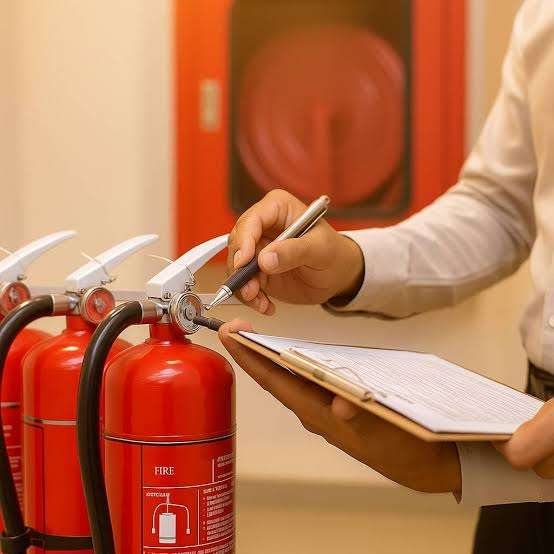
Keep extinguishers accessible and make sure they are not hidden behind furniture or stored materials. Follow the manufacturer’s instructions and applicable requirements for inspections, servicing, and replacement.
Building managers should maintain records of inspections and arrange professional servicing where required.
People should also receive suitable instruction on the purpose and limitations of the equipment. An extinguisher should never be treated as a reason to delay evacuation or enter an unsafe area.
Myth 6: Electrical Fires Are Always Caused by Old Wiring
The myth: If a building has modern wiring, electrical fire hazards are not a concern.
The fact: Electrical risks can arise from damaged equipment, overloaded circuits, poor-quality connections, unsuitable extensions, faulty appliances, and improper installation or repairs.
Modern equipment can also become unsafe if used incorrectly or damaged.
What should you do?
Use electrical equipment according to the manufacturer’s instructions. Avoid overloading outlets and do not ignore repeated circuit-breaker trips, burning smells, unusual heat, or damaged cables.
Electrical installation, repairs, and modifications should be handled by appropriately qualified professionals.
Never attempt to repair live wiring or electrical panels yourself. If an electrical problem suggests an immediate danger, keep away and seek suitable professional or emergency assistance.
Regular maintenance is more reliable than assuming that an installation is safe because it is new.
Myth 7: Smoke Is Less Dangerous Than Flames
The myth: The main danger during a fire is direct contact with flames, so smoke is not a serious concern until a fire becomes large.
The fact: Smoke can be dangerous even when flames are not immediately visible.
Smoke may contain harmful gases and particles, reduce visibility, and make it difficult to find an exit. It can spread beyond the room where a fire starts.
This is one reason early warning and evacuation planning are important.
What should you do?
Take smoke seriously and follow the emergency plan. Leave by a safe route without delaying to investigate the source.
Do not enter a smoke-filled room to collect belongings or search for equipment. If your usual route is affected, follow the approved alternative route where it is safe to do so.
Once outside, remain in a safe location and contact emergency services as appropriate. Do not re-enter until authorities confirm that it is safe.
Myth 8: Fire Safety Is Only the Building Owner’s Responsibility
The myth: Tenants, employees, visitors, and family members do not need to think about fire safety because someone else manages the property.
The fact: Building owners and managers have important responsibilities, but occupants also influence everyday safety.
Leaving boxes in corridors, ignoring damaged equipment, blocking an exit, or disabling an alarm can undermine the building’s safety arrangements.
What should you do?
Everyone should understand the basic safety rules for the place where they live, study, or work.
Tenants should report damaged electrical fittings and blocked exits to the responsible person. Employees should follow workplace safety procedures. Family members should understand the household escape plan.
Building owners and managers should ensure that applicable safety requirements are addressed and that equipment receives appropriate maintenance.
Clear communication helps everyone understand their role without expecting untrained people to perform technical work.
Myth 9: Emergency Exits Can Be Used for Storage
The myth: It is acceptable to place boxes, furniture, or supplies in an emergency exit route if there is still some space to walk through.
The fact: Objects in corridors, stairways, and near exit doors can obstruct movement and make evacuation more difficult.
During an emergency, people may need to move quickly, visibility may be reduced, and several occupants may be using the same route. An obstruction that seems minor under normal conditions can become a significant problem.
What should you do?
Keep designated escape routes and exits clear. Do not store equipment or combustible materials in stairways or in front of exit doors.
Check that doors, signs, and emergency lighting remain accessible and functional. Include exit routes in regular building inspections and correct any problems promptly.
The appropriate number and arrangement of exits depend on the building and the applicable requirements. A qualified professional can help assess whether the existing arrangements are suitable.
Myth 10: Fire Safety Equipment Never Needs Testing
The myth: If an alarm or other safety device was working when it was installed, there is no reason to check it again.
The fact: Equipment can develop faults over time.
Batteries may run down, components may become damaged, and changes to a building may affect equipment placement or escape routes. A fault may remain unnoticed if nobody follows the recommended inspection and testing schedule.
What should you do?
Follow the manufacturer’s instructions and applicable requirements for testing and maintenance. Keep records of inspections, faults, and corrective work.
For larger fire alarm systems, use appropriately qualified professionals for scheduled testing, servicing, and repairs.
If an alarm repeatedly produces unwanted alerts, identify and correct the cause rather than permanently disabling it. A disabled or defective alarm may fail to provide the warning occupants need.
Myth 11: Fire Drills Are a Waste of Time
The myth: People already know how to leave a building, so evacuation drills are unnecessary.
The fact: Familiarity with a building does not guarantee that everyone will respond effectively during an emergency.
People may be unsure which exit to use, where to assemble, or how to respond if their usual route is unavailable. Visitors and new occupants may not know the building at all.
What should you do?
Develop an evacuation plan that reflects the building’s layout and occupancy. Make sure people know how to recognize an alarm, identify their escape routes, and reach the designated assembly point.
Conduct drills when required and appropriate, and review the results afterward. Training should also account for people who may need assistance during evacuation.
Punjab Civil Defence identifies fire safety, evacuation drills, and awareness training among its training activities.
Myth 12: Fire Safety Is Too Expensive to Improve
The myth: Meaningful fire safety requires expensive equipment, so there is little that households or small businesses can do with limited budgets.
The fact: Some technical safety measures require professional investment, but several useful preventive actions involve planning, awareness, and routine housekeeping.
Keeping exits clear, reporting electrical problems, maintaining equipment, and teaching occupants what to do during an alarm can all contribute to better preparedness.
What should you do?
Start by identifying obvious hazards and correcting those that can be addressed safely. Create an emergency plan, make sure exits remain accessible, and establish a schedule for checking safety equipment.
Do not, however, use low cost as a reason to ignore legally required protection or substitute unsuitable equipment for a properly designed system.
Where a building needs a fire alarm, detection system, or other specialized protection, obtain professional advice and check the requirements that apply to the property.
A Beginner’s Fire Safety Checklist
Use this checklist as a practical starting point for your home or workplace.
– [ ] Electrical cables, plugs, and appliances are checked for visible damage.
– [ ] Cooking equipment is used carefully and according to instructions.
– [ ] Combustible materials are kept away from heat sources.
– [ ] Suitable smoke detection or fire alarm arrangements are considered.
– [ ] Fire alarms are tested and maintained as instructed.
– [ ] Fire extinguishers and other equipment are accessible and appropriately maintained.
– [ ] Corridors, stairs, and emergency exits remain clear.
– [ ] Exit signs and emergency lighting are maintained where required.
– [ ] Everyone knows the emergency plan and assembly point.
– [ ] Children understand how to respond to an alarm and seek adult help.
– [ ] Faults are reported and technical repairs are handled by qualified professionals.
– [ ] Emergency procedures are reviewed when building conditions change.
This checklist is not a substitute for a formal fire-risk assessment, professional advice, or applicable building requirements.
Fire Safety in Pakistan: What Should Building Owners Know?
The Building Code of Pakistan – Fire Safety Provisions 2016 provides guidance and requirements relating to fire prevention, life safety, and building protection. It covers areas such as fire detection and alarm systems, firefighting equipment, and means of egress.
Punjab Civil Defence also identifies fire detection and alarm systems, firefighting arrangements, fire safety plans, emergency exits, and evacuation plans among the measures considered in fire-safety inspections.
The measures required for a particular property depend on its occupancy, size, layout, use, and applicable rules. Requirements and enforcement arrangements may also differ across local jurisdictions.
Building owners and managers should therefore consult the relevant authority and qualified fire-safety professionals instead of relying on general online checklists alone.
Final Thoughts
Fire safety myths can lead people to underestimate risks, neglect equipment, or delay important preparations. Understanding the facts is a practical first step toward creating safer homes and workplaces.
Remember that fires can affect both old and new buildings. Smoke can be dangerous, alarms need maintenance, escape routes must remain clear, and firefighting equipment has limitations.
A fire alarm system in Pakistan can be an important part of an effective safety strategy, but it should be supported by prevention, suitable equipment, clear evacuation arrangements, and occupant awareness.
Use the checklist in this article to identify areas that need attention. For technical installations or questions about compliance, seek qualified advice and consult the rules that apply to your property.
The most useful fire safety habit is to prepare before an emergency occurs.
Frequently Asked Questions (FAQs)
1. What are the most common fire safety myths?
Common myths include believing that only old buildings catch fire, that small fires are always easy to control, that smoke is not dangerous, and that fire alarms never need maintenance. In reality, prevention, early warning, and emergency planning all matter.
2. Is a fire alarm necessary in a small building?
The need for fire detection depends on the building’s layout, occupancy, risks, and applicable requirements. Small buildings can still experience dangerous fires, so suitable detection and warning arrangements should be considered.
3. Does a fire alarm system prevent fires?
No. A fire alarm system primarily detects a potential fire and warns occupants. Preventive measures include safe electrical practices, careful appliance use, housekeeping, and appropriate maintenance.
4. How often should fire safety equipment be checked?
The inspection and maintenance schedule depends on the equipment, manufacturer instructions, and applicable requirements. Follow the recommended schedule, address faults promptly, and arrange professional servicing where necessary.
5. What is the first thing to do when a fire alarm sounds?
Take the alarm seriously and follow the emergency plan. Leave using a safe route, alert others when it is safe to do so, and contact the appropriate emergency service from a safe location. Do not re-enter the building until authorities confirm it is safe.