The first step toward better fire safety is understanding what could cause a fire in your workplace.
Different businesses face different risks. A small grocery shop may store cardboard packaging, while a workshop may use electrical machinery. A home-based business may share its workspace with cooking appliances, household equipment, or storage areas.
Common hazards include:
– Damaged electrical cables and plugs
– Overloaded electrical outlets
– Poorly maintained appliances
– Combustible packaging stored near heat sources
– Accumulated rubbish and clutter
– Unsafe use of heating equipment
– Poorly maintained generators and backup power equipment
Walk through your premises and look for conditions that could create a fire risk. Record any problems and arrange appropriate corrective action.
Do not attempt electrical repairs yourself. Damaged wiring, electrical panels, and other technical installations should be assessed by qualified professionals.
2. Maintain Electrical Safety
Electrical equipment is essential for many small businesses, but improper installation, damaged components, and unsuitable use can create hazards.
Computers, printers, refrigerators, machinery, lights, chargers, and other appliances may operate for long periods. Equipment can deteriorate over time, particularly when it is poorly maintained or used outside the manufacturer’s recommendations.
Practical electrical safety measures
– Inspect visible cables and plugs for damage.
– Avoid connecting too many devices to one outlet or extension.
– Keep electrical equipment away from water and unsuitable storage conditions.
– Do not ignore burning smells, unusual buzzing, or excessive heat.
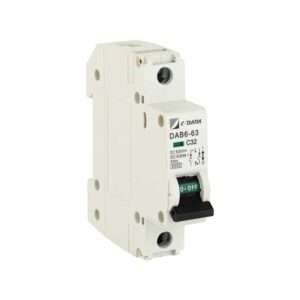
– Report repeatedly tripping circuit breakers to a qualified electrician.
– Arrange professional inspections and repairs when needed.
Avoid using damaged appliances until they have been assessed appropriately. Never improvise electrical connections or bypass protective devices to keep business operations running.
Businesses using generators, uninterruptible power supplies (UPS), or other backup equipment should follow the manufacturer’s instructions and arrange appropriate maintenance.
3. Consider a Suitable Fire Alarm System
Early warning can be particularly valuable in a business where employees work in different rooms or customers may be unfamiliar with the building.
A fire alarm system can detect a potential fire through suitable detection devices or allow someone to raise an alarm manually. Depending on the design, it may include smoke or heat detectors, manual call points, a control panel, sounders, and visual notification devices.
The right arrangement depends on the building’s size, layout, use, occupancy, and fire risks.
Choosing suitable detection
A small workspace and a multi-storey commercial building may need different arrangements. Business owners should not assume that a single detector will provide adequate protection everywhere.
Consider whether warning can reach all occupied areas, including rooms where people may be working behind closed doors. For larger or more complex premises, seek professional advice on system design, installation, testing, and maintenance.
A fire alarm system in Pakistan should be selected according to the needs of the premises and the applicable requirements, not simply by choosing the cheapest available equipment.
The Building Code of Pakistan – Fire Safety Provisions 2016 addresses occupant notification and fire alarm arrangements where necessary. The relevant authority should be consulted to determine the requirements for a specific property.
4. Keep Fire Extinguishers Appropriate and Accessible
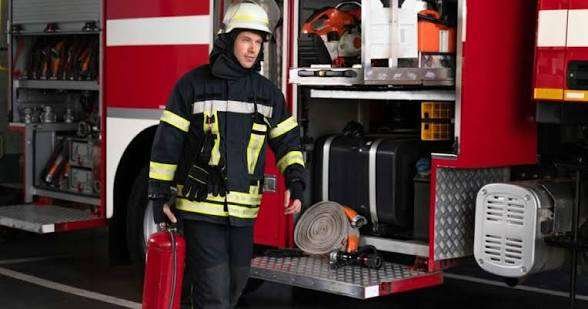
Fire extinguishers may form part of a small business’s fire-protection arrangements. However, different extinguishers are designed for different types of fires, and the wrong equipment can create additional danger.
For example, electrical equipment, combustible solids, and cooking oils can require different approaches. An extinguisher should be selected according to the hazards present and the applicable standards.
What business owners should check
– Whether the required extinguishers are available
– Whether the equipment is suitable for the identified hazards
– Whether extinguishers are easy to locate and access
– Whether inspection and servicing requirements are being followed
– Whether trained personnel understand the equipment’s limitations
Do not hide extinguishers behind boxes, furniture, or merchandise. Arrange professional servicing and replace or repair defective equipment as required.
Employees should never be expected to fight a fire without appropriate training. Evacuation and personal safety must take priority whenever a fire presents danger.
5. Keep Emergency Exits and Escape Routes Clear
An emergency alarm is useful only if occupants can respond safely. Blocked corridors, locked exit doors, poorly marked routes, and cluttered stairways can make evacuation more difficult.
Small businesses sometimes use corridors or back rooms to store deliveries, spare furniture, packaging, or unused equipment. These practices can create avoidable hazards.
Make escape routes part of daily housekeeping
Keep designated exits, corridors, and stairways free from obstructions. Ensure that exit doors can be used as intended under the building’s approved emergency arrangements.
Provide suitable exit signs and emergency lighting where required. Employees should know the normal evacuation routes and understand what to do if a route is unsafe.
The Building Code of Pakistan includes provisions concerning unobstructed means of egress, exit-route identification, and lighting. <Cite refs={[“turn157391search21″,”turn157391search22”]}/>
Do not wait for an inspection to clear an escape route. It should remain accessible during normal business operations.
6. Store Materials and Waste Properly
Small businesses often accumulate packaging, paper, cardboard, fabric, cleaning products, and other supplies. Poor storage can increase the amount of combustible material around the premises.
The risk depends on the materials, quantities, storage conditions, and nearby ignition sources.
Improve storage practices
Keep storage areas organized and remove unnecessary waste regularly. Avoid placing combustible materials close to heaters, electrical equipment, or other sources of heat.
Store cleaning products and other potentially hazardous materials according to their labels and safety instructions. Keep storage away from escape routes and equipment that needs to remain accessible.
Businesses that handle large quantities of combustible stock or specialized materials should obtain a risk assessment from a qualified professional.
Good housekeeping also makes it easier to notice damaged equipment, identify hazards, and carry out routine inspections.
7. Prepare a Simple Emergency Plan
A business should have a clear plan explaining what employees and other occupants should do when a fire alarm sounds or someone discovers smoke or fire.
Without preparation, people may become confused about which exit to use, where to assemble, or who should contact emergency services.
An emergency plan should reflect the actual layout and use of the premises.
Include these essential details
1. How occupants will receive a fire warning
2. The designated evacuation routes and exits
3. An outdoor assembly point
4. The person responsible for contacting emergency services
5. Arrangements for assisting anyone who needs help evacuating
6. Procedures for reporting hazards and equipment faults
Employees should know their responsibilities before an emergency occurs. Visitors and customers should also be able to understand the evacuation instructions.
Review the plan when the business moves premises, changes its layout, introduces new equipment, or changes the way the space is used.
8. Train Employees and Practise Evacuation
Fire safety should not depend on one person knowing what to do.
Employees need suitable awareness of alarm signals, evacuation routes, assembly points, and reporting procedures. Training should match the hazards and responsibilities associated with the workplace.
Where required and appropriate, conduct evacuation drills and review the results. Drills can reveal blocked routes, confusing signs, communication problems, or gaps in staff knowledge.
Employees should understand that they must not delay evacuation to protect stock, money, documents, or equipment.
They should also know that an alarm must be taken seriously. If an alarm repeatedly produces unwanted alerts, the cause should be investigated rather than permanently disabling the system.
For small businesses operating from home, household members should also understand the emergency arrangements. Children should know how to alert a responsible adult and move toward safety, not investigate a fire or operate dangerous equipment.
9. Maintain Fire-Safety Equipment
Installing equipment is only the beginning of fire-safety management. Devices can become damaged, batteries can run down, and faults may develop without obvious warning.
Create a maintenance schedule based on the manufacturer’s instructions, the equipment type, and applicable requirements.
Depending on the premises, checks may include:
– Fire alarm devices and control equipment
– Smoke or heat detectors
– Fire extinguishers and other firefighting equipment
– Emergency lighting and exit signs
– Fire doors and escape routes
– Relevant electrical installations
– Sprinklers, hydrants, or other installed systems where applicable
Record inspections, identified faults, repairs, and servicing. Assign responsibility for follow-up so that problems are not forgotten.
Complex fire alarm and suppression systems should be inspected, tested, and maintained by appropriately qualified professionals.
10. Make Fire Safety Part of Daily Business Operations
Fire safety becomes more effective when it is included in ordinary business routines rather than treated as a one-time task.
A small shop owner might check the escape route during opening procedures. An office manager might include alarm faults in a maintenance log. A workshop supervisor might review storage arrangements and report damaged electrical equipment.
These actions help make hazards easier to identify and correct.
A simple monthly review can ask:
– Have new hazards appeared?
– Are escape routes still clear?
– Has any equipment become damaged?
– Have staff reported recurring electrical problems?
– Are required inspections and maintenance up to date?
– Has anything changed that affects the emergency plan?
The review should be proportionate to the business’s risks. More complex or higher-risk premises may require formal fire-risk assessments and additional technical measures.
11. Understand Fire-Safety Requirements in Pakistan
Fire-safety requirements can vary according to building type, occupancy, location, and the authority responsible for enforcement.
The Building Code of Pakistan – Fire Safety Provisions 2016 addresses fire prevention, life safety, detection and alarm systems, firefighting arrangements, and means of egress.
Punjab Civil Defence also identifies measures such as fire detection and alarm systems, firefighting equipment, fire-safety plans, emergency exits, and evacuation plans within its fire-safety inspection activities. <Cite refs={[“turn157391search0″,”turn157391search21”]}/>
Business owners should check the requirements applicable to their own premises rather than assume that every business has identical obligations.
If you rent a shop or office, clarify fire-safety responsibilities with the landlord or building manager. However, do not assume that the landlord’s involvement removes your responsibility to keep your workspace orderly and report hazards.
For renovations, changes of use, or new installations, seek guidance from the relevant building authority and appropriately qualified professionals.
12. A Practical Small-Business Fire-Safety Checklist
Use this checklist as a starting point for reviewing your premises.
– [ ] Common fire hazards have been identified.
– [ ] Electrical equipment is in suitable condition.
– [ ] Damaged wiring and appliances are reported.
– [ ] Combustible stock and waste are stored appropriately.
– [ ] Suitable fire detection and alarm arrangements are in place where required.
– [ ] Fire extinguishers are appropriate, accessible, and maintained.
– [ ] Emergency exits and escape routes are clear.
– [ ] Exit signs and emergency lighting are maintained where required.
– [ ] Employees know the emergency procedure.
– [ ] An outdoor assembly point has been identified.
– [ ] Maintenance and inspection records are kept.
– [ ] Staff know how to report faults and hazards.
– [ ] The emergency plan is reviewed after relevant changes.
This checklist provides general guidance. It does not replace a professional assessment or demonstrate that a building complies with every applicable requirement.
What Should You Do If a Fire Occurs?
If a fire develops or the alarm indicates an emergency, follow the established evacuation procedure and move toward safety using a suitable route.
Alert others when it is safe to do so. Do not stop to collect belongings or investigate a dangerous area. Do not use ordinary passenger lifts during a fire unless specifically directed under an approved emergency procedure.
Once outside, move to the assembly point and contact the appropriate emergency service. Do not re-enter the building until the relevant authorities confirm that it is safe.
Only trained people should consider using firefighting equipment, and only when conditions permit a safe response. Nobody should be expected to risk their life to save stock or property.
Conclusion
Small businesses do not need to wait for a major incident before taking fire safety seriously. Identifying hazards, maintaining electrical equipment, organizing storage, keeping escape routes clear, and preparing employees can all contribute to a safer workplace.
A fire alarm system in Pakistan can provide an important warning when a potential fire is detected, but it should be supported by appropriate firefighting equipment, safe evacuation arrangements, routine maintenance, and employee awareness.
The most suitable safety measures depend on the building and its use. Check applicable requirements, arrange professional assistance where necessary, and review your procedures regularly.
A practical fire-safety plan protects more than business assets. It helps put the safety of employees, customers, family members, and everyone who enters the premises first.
FAQs
1. Why is fire safety important for small businesses?
Fire safety helps protect employees, customers, property, stock, and business operations. Prevention, early warning, maintained equipment, and evacuation planning can reduce avoidable risks and improve emergency preparedness.
2. Does a small business need a fire alarm system in Pakistan?
The requirements depend on the building’s occupancy, size, layout, hazards, and applicable local rules. Business owners should consult the relevant authority or a qualified fire-safety professional to determine the appropriate system.
3. How often should a business check its fire-safety equipment?
Equipment should be inspected, tested, and maintained according to the manufacturer’s instructions and applicable requirements. Complex systems may need scheduled professional servicing and documented inspections.
4. What are the most common fire hazards in small businesses?
Common hazards include damaged electrical equipment, overloaded outlets, combustible materials stored near heat sources, accumulated waste, poorly maintained appliances, and blocked escape routes.
5. What should employees do when a fire alarm sounds?
Employees should treat the alarm seriously, follow the emergency plan, leave by a safe route, and proceed to the designated assembly point. They should not delay evacuation to collect belongings or attempt to handle a dangerous fire.