Electrical safety is an important part of protecting homes, offices, shops, factories, and commercial buildings. Electricity makes everyday activities easier, but poorly maintained wiring, damaged electrical equipment, and unsafe electrical practices can create serious risks. One common electrical hazard is a short circuit, which can damage appliances, interrupt business activities, and potentially contribute to an electrical fire.
Short circuit prevention involves identifying electrical problems, maintaining wiring, using suitable protective devices, and following safe electrical practices. These measures help reduce the likelihood of electrical accidents and improve the reliability of electrical systems.
In Pakistan, electricity is used extensively in residential and commercial buildings. Air conditioners, refrigerators, computers, motors, generators, and other appliances place demands on electrical installations. Seasonal changes, heavy electricity usage, aging wiring, and unsuitable electrical modifications can make regular maintenance especially important.
Although short circuit prevention offers many benefits, it also involves costs, maintenance responsibilities, and certain practical limitations. Understanding both the advantages and disadvantages helps property owners make informed decisions about electrical safety.
This article explores the pros and cons of short circuit prevention, explains common causes of electrical faults, and discusses practical ways to improve electrical safety.
What Is a Short Circuit?
A short circuit occurs when electrical current follows an unintended path with very low resistance. This can happen when damaged insulation allows conductors to make unwanted contact or when a fault develops inside an electrical appliance, connection, or circuit.
Under normal conditions, electricity travels through a designed circuit to operate equipment. A short circuit changes that intended path and can cause an unusually high current to flow.
Depending on the electrical installation and the protective devices available, the fault may result in:
– Circuit breakers switching off.
– Electrical equipment becoming damaged.
– Power interruptions.
– Overheating of electrical components.
– Damage to wiring and connections.
– Increased risk of electrical fire.
A short circuit is not the same as every electrical problem. Overloading, loose connections, earth faults, and insulation failures are different types of electrical issues, although some can create related hazards.
Understanding these differences is important because each problem may require a different inspection and repair approach.
Common Causes of Short Circuits
Before discussing the advantages and disadvantages of prevention, it is useful to understand why short circuits happen.
1. Damaged Electrical Insulation
Electrical wires are covered with insulation that prevents unwanted contact between conductors. Over time, insulation may deteriorate because of age, heat, physical damage, or unsuitable installation conditions.
If insulation becomes damaged, the exposed conductors may come into contact with other conductive parts, creating an electrical fault.
2. Poor Wiring Installation
Incorrect wiring arrangements can create electrical hazards. Poor-quality workmanship, unsuitable connections, and failure to follow applicable electrical standards may increase the possibility of faults.
Electrical installations should be designed and completed by qualified professionals.
3. Faulty Electrical Appliances
Appliances contain internal electrical components that can deteriorate or become damaged.
A faulty motor, damaged cable, defective plug, or internal component failure may create a short circuit.
Equipment that repeatedly causes a breaker to trip should be checked by a qualified electrician rather than repeatedly reconnected.
4. Moisture and Water Exposure
Water and electricity can create dangerous conditions. Moisture entering electrical equipment, sockets, junction boxes, or damaged wiring may contribute to electrical faults.
This is particularly important in kitchens, bathrooms, basements, industrial facilities, and outdoor installations.
5. Aging Electrical Systems
Older buildings may contain wiring and electrical equipment that no longer meet current requirements or are unsuitable for modern electricity demands.
Regular inspections help identify deterioration before it develops into a more serious problem.
6. Poor Maintenance
Loose or deteriorating connections, damaged accessories, and neglected electrical equipment can increase the likelihood of electrical problems.
A planned maintenance schedule helps property owners identify issues and arrange professional repairs.
Pros of Short Circuit Prevention
Short circuit prevention provides several important advantages for property owners, employees, and residents.
1. Reduces the Risk of Electrical Fires
One of the main benefits of short circuit prevention is reducing the likelihood of electrical faults developing into fire hazards.
A short circuit may produce excessive current and heat. If protective devices are unsuitable, damaged, or unable to operate correctly, the resulting fault may create dangerous conditions.
Regular inspections, suitable circuit protection, and properly maintained wiring help reduce these risks.
However, prevention cannot guarantee that an electrical fire will never occur. Other sources, including heating equipment, cooking appliances, and external ignition sources, may also create fire hazards.
2. Protects Electrical Appliances
Electrical equipment can be expensive to repair or replace.
Computers, refrigerators, air conditioners, printers, industrial motors, and other appliances depend on suitable electrical conditions.
Short circuit prevention helps reduce the possibility of damage caused by electrical faults. It also encourages property owners to replace damaged cables and faulty accessories before they create additional problems.
Protecting electrical equipment can be particularly valuable for businesses that depend on computers, machinery, or specialized equipment.
3. Improves Workplace Safety
Offices, factories, warehouses, and commercial buildings often contain extensive electrical installations.
An electrical fault may affect employees, visitors, equipment, and normal business operations.
Preventive maintenance helps create a safer working environment by identifying potential problems and ensuring that electrical systems receive appropriate attention.
Employers should also communicate electrical safety rules to employees and restrict access to electrical rooms and equipment.
4. Reduces Unexpected Repair Expenses
Emergency electrical repairs can be expensive, especially when a fault affects several parts of a building.
Preventive inspections may help identify damaged wiring, deteriorating components, and other issues before they cause significant disruption.
Although maintenance requires an investment, planned repairs are often easier to organize than unexpected electrical emergencies.
5. Supports Business Continuity
Many businesses depend on reliable electricity to operate.
An electrical fault may interrupt computer systems, production equipment, lighting, communication systems, and other essential services.
Reducing the likelihood of short circuits helps improve electrical reliability and may limit unexpected downtime.
For businesses in Pakistan, where commercial activities often depend heavily on electrical equipment and cooling systems, a reliable electrical installation is an important operational requirement.
6. Encourages Better Electrical Maintenance
Short circuit prevention promotes a more organized approach to electrical maintenance.
Instead of waiting for equipment to fail, property owners can arrange periodic inspections and address problems when they are identified.
A maintenance program may include:
– Inspection of visible wiring and electrical accessories.
– Checking electrical distribution equipment.
– Reviewing circuit protection arrangements.
– Identifying damaged plugs and cables.
– Arranging professional testing where necessary.
– Keeping records of repairs and inspections.
The specific inspection schedule should depend on the building, equipment, usage, and professional recommendations.
7. Protects Property and Important Assets
Electrical fires and serious faults can damage buildings, furniture, machinery, documents, and stored materials.
Prevention helps reduce the possibility of losses by addressing electrical hazards before they become serious.
This is especially important in warehouses, offices, shopping centers, and industrial facilities where many valuable assets may be present.
8. Promotes a Safety-Conscious Environment
When property owners take electrical safety seriously, employees and residents are more likely to follow responsible practices.
People become more aware of damaged equipment, overloaded electrical arrangements, and unsafe connections.
This awareness supports a wider safety culture that includes fire prevention, emergency planning, and equipment maintenance.
Cons of Short Circuit Prevention
Although prevention has many advantages, it also comes with practical challenges. Understanding these limitations helps property owners plan realistic electrical safety programs.
1. Initial Financial Investment
One of the main disadvantages is the cost of preventive work.
Electrical inspections, replacement wiring, protective devices, professional testing, and repairs require money.
For small businesses and homeowners, these expenses may be difficult to manage immediately.
However, delaying essential repairs can allow electrical problems to become more serious. Property owners should prioritize hazards identified by qualified professionals.
2. Regular Maintenance Is Necessary
Short circuit prevention is not a one-time activity.
Electrical systems can deteriorate because of age, environmental conditions, equipment usage, and physical damage.
As a result, periodic inspections and maintenance are necessary.
This creates ongoing responsibilities for building owners and facility managers.
3. Possible Business Disruption During Repairs
Some electrical inspections and repairs may require temporary power interruptions.
For offices, shops, factories, and other commercial facilities, this can affect normal activities.
Businesses may need to arrange maintenance outside working hours or plan temporary operational adjustments.
Proper scheduling can reduce inconvenience, although some urgent repairs cannot safely be postponed.
4. Requires Qualified Professionals
Electrical installations are complex, and incorrect repairs can introduce additional hazards.
Property owners should not attempt complicated wiring modifications or electrical testing without the necessary training and qualifications.
Hiring qualified electricians and electrical contractors may increase maintenance expenses, but professional work is essential for safety.
5. Prevention Cannot Eliminate Every Risk
Even a well-maintained electrical system can experience unexpected faults.
Equipment may fail, insulation can deteriorate, and external conditions can affect electrical installations.
Short circuit prevention reduces risk but does not provide a complete guarantee against electrical accidents.
This is why electrical maintenance should be supported by suitable fire detection, emergency planning, and other safety measures.
6. Older Buildings May Require Extensive Improvements
Some older properties have outdated wiring, unsuitable electrical accessories, or distribution systems that need significant attention.
Improving these installations may require extensive work and a larger budget.
Building owners should arrange a professional assessment to understand which improvements are necessary and how they can be completed safely.
7. Difficulty Identifying Hidden Problems
Not every electrical fault is visible.
Some wiring and electrical components are located inside walls, ceilings, floors, or enclosed distribution equipment.
A visual inspection alone may not identify every issue. Qualified professionals may need to use appropriate testing methods to assess the condition of an installation.
This can increase the time and cost required for a complete inspection.
Practical Ways to Prevent Short Circuits
Despite the challenges, several responsible practices can help reduce electrical risks in residential and commercial buildings.
1. Arrange Professional Electrical Inspections
Electrical installations should be inspected by qualified professionals at suitable intervals.
Inspections can help identify deteriorating wiring, damaged accessories, unsuitable connections, and problems with electrical distribution equipment.
The frequency of inspections should reflect the condition and use of the installation.
2. Use Suitable Circuit Protection
Circuit breakers and other protective devices help protect electrical installations against certain types of faults.
The correct device depends on the electrical system, circuit design, and applicable requirements.
Property owners should not select or replace protective devices without professional guidance.
A circuit breaker that repeatedly trips should be treated as a warning that something may be wrong.
3. Avoid Overloading Electrical Outlets
Connecting too many appliances to an unsuitable outlet or extension arrangement may cause overheating and other electrical problems.
Businesses should ensure that electrical equipment is connected to appropriately designed circuits.
High-power appliances should not be connected through unsuitable extension leads or makeshift arrangements.
4. Replace Damaged Cables and Plugs
Cracked plugs, damaged cables, loose connections, and broken electrical accessories should be addressed promptly.
Do not use visibly damaged equipment until it has been properly assessed and repaired or replaced.
5. Keep Electrical Equipment Away From Water
Electrical accessories should be suitable for their environment and protected from water exposure.
Wet areas require appropriate electrical arrangements and professional installation.
If electrical equipment becomes wet, avoid touching it and seek qualified assistance.
6. Purchase Suitable Electrical Products
Electrical accessories and protective devices should meet applicable safety requirements.
Low-quality or unsuitable products may create additional risks.
Property owners should use reputable suppliers and seek professional advice when selecting electrical equipment.
7. Maintain Electrical Distribution Panels
Distribution panels should remain accessible to authorized personnel and be maintained according to professional recommendations.
They should not be used for storage or blocked by furniture and other objects.
Only qualified personnel should carry out work inside electrical panels.
8. Educate Employees and Residents
People who use electrical equipment every day should understand basic safety rules.
They should know not to touch exposed wires, use damaged equipment, or attempt unauthorized repairs.
Employees should report unusual smells, visible damage, repeated circuit interruptions, or other warning signs to responsible management.
The Role of Fire Alarm Systems in Electrical Fire Safety
Preventing short circuits is an important part of reducing electrical fire risks, but no prevention program can remove every possible hazard.
A suitable fire detection and alarm system provides an additional layer of protection by warning occupants when a potential fire is detected or an alarm is manually activated.
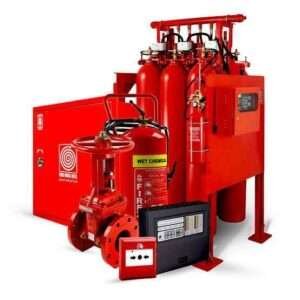
A fire alarm system may include smoke detectors, heat detectors, manual call points, sounders, visual warning devices, and a control panel.
These components work together to help notify people so they can follow the building’s emergency procedures.
A properly selected and maintained fire alarm system in Pakistan can be an important safety feature in offices, factories, commercial buildings, and residential properties.
However, a fire alarm does not prevent electrical short circuits or repair faulty wiring. It should be treated as one part of a broader fire protection strategy.
Building owners should also ensure that:
– Fire detection equipment is suitable for the building.
– Alarm devices are professionally maintained.
– Emergency exits remain accessible.
– Evacuation routes are clearly identified.
– Employees understand emergency procedures.
– Fire safety arrangements are reviewed periodically.
If an electrical fire or serious electrical emergency occurs, occupants should raise the alarm, evacuate using a safe route, and contact emergency services from a safe location. They should not touch electrical equipment or attempt to manage a spreading fire themselves.
Short Circuit Prevention in Pakistani Homes and Businesses
Electrical safety deserves attention across Pakistan because residential and commercial properties use a wide range of electrical equipment.
Residential Buildings
Homes commonly use refrigerators, washing machines, air conditioners, televisions, water pumps, and kitchen appliances.
Older wiring, damaged sockets, unsuitable extensions, and poor maintenance can increase electrical risks.
Homeowners should arrange professional inspections, use suitable protective devices, and avoid makeshift wiring arrangements.
Offices and Commercial Buildings
Offices often contain computers, printers, networking equipment, lighting, air conditioners, and backup power arrangements.
Facility managers should ensure that electrical installations are suitable for their equipment requirements.
They should also maintain records of inspections, repairs, and equipment replacement.
Factories and Industrial Facilities
Factories may operate motors, production machinery, electrical control equipment, and heavy-duty installations.
These environments require professional electrical planning, suitable protective arrangements, and maintenance programs that reflect the equipment’s operating conditions.
Warehouses
Warehouses may contain large electrical installations, lighting systems, charging equipment, and stored materials.
Electrical equipment should be maintained, and storage arrangements should not obstruct electrical panels or emergency exits.
Is Short Circuit Prevention Worth the Investment?
For most property owners, short circuit prevention is a worthwhile investment because it helps reduce avoidable electrical risks and supports the reliable operation of electrical equipment.
However, the best approach is not necessarily to spend money on every available product or service.
Instead, property owners should begin with a professional assessment of their electrical installation. This helps identify actual problems and establish priorities.
Essential repairs, suitable circuit protection, and replacement of damaged equipment should receive attention before optional improvements.
A balanced maintenance plan should consider:
1. The age and condition of the electrical installation.
2. The type and number of appliances being used.
3. The building’s electrical demand.
4. The condition of existing protective devices.
5. Environmental conditions, including moisture and heat.
6. Professional inspection findings.
7. The property’s fire safety arrangements.
This approach helps make electrical safety improvements more practical and cost-effective.
Conclusion
Short circuit prevention plays an important role in protecting homes, workplaces, electrical appliances, and commercial property. Its main advantages include reducing electrical fire risks, improving equipment reliability, limiting unexpected repair expenses, and supporting a safer environment.
However, prevention a