Fire safety is a critical aspect of managing commercial buildings in Pakistan. From offices and shopping malls to factories and hotels, ensuring the safety of occupants and property is a legal and moral responsibility. One of the first steps in implementing fire safety measures is choosing the right fire extinguisher. Selecting an appropriate extinguisher is not just about compliance—it’s about effectively preventing a small fire from turning into a catastrophic disaster.
In Pakistan, the fire extinguisher price varies depending on the type, size, and brand. However, understanding the different types and their uses is more important than just price considerations. This article provides a detailed guide for building owners, facility managers, and safety officers on how to choose the right fire extinguisher for commercial buildings.
1. Understand the Types of Fires
Fire Safety Trading (Pvt)
ToggleFires are classified into different categories based on the materials burning. Selecting a fire extinguisher starts with knowing these fire classes:
-
Class A: Fires caused by ordinary combustible materials such as wood, paper, cloth, and plastic.
-
Class B: Fires involving flammable liquids such as gasoline, kerosene, paint, or cooking oil.
-
Class C: Fires caused by electrical equipment, including wiring, panels, and appliances.
-
Class D: Fires involving combustible metals like magnesium or sodium, usually in industrial settings.
-
Class K: Fires in commercial kitchens involving cooking oils and fats.
Understanding the type of fire most likely to occur in your building will help determine the correct extinguisher type. For example, in office buildings, Class A and Class C fires are most common, while factories with flammable liquids may require Class B extinguishers.
2. Types of Fire Extinguishers
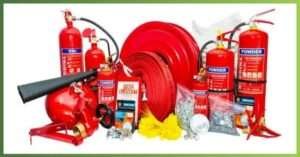
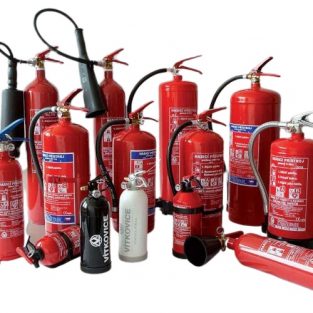
Commercial buildings require different types of fire extinguishers depending on the fire hazards present. Here are the main types available in Pakistan:
a) Water Extinguishers
-
Best for: Class A fires
-
How it works: Cools the burning material and reduces heat.
-
Limitations: Not suitable for electrical or flammable liquid fires.
b) Foam Extinguishers
-
Best for: Class A and Class B fires
-
How it works: Forms a layer over flammable liquids to prevent oxygen from fueling the fire.
-
Applications: Offices, warehouses, fuel storage areas.
c) Carbon Dioxide (CO2) Extinguishers
-
Best for: Class B and Class C fires
-
How it works: Displaces oxygen around the fire and cools the flames.
-
Applications: Electrical rooms, server rooms, labs.
d) Dry Powder Extinguishers
-
Best for: Class A, B, and C fires (multi-purpose)
-
How it works: Coats the fire and prevents chemical reactions.
-
Applications: Commercial kitchens, workshops, general use.
e) Wet Chemical Extinguishers
-
Best for: Class K fires (cooking oils and fats)
-
How it works: Creates a layer to cool the oil and prevent splashing or re-ignition.
-
Applications: Restaurants, cafeterias, food processing areas.
3. Factors to Consider While Choosing a Fire Extinguisher
Selecting a fire extinguisher is not solely based on fire extinguisher price in Pakistan. The following factors play a significant role:
a) Type of Fire Risk
Analyze the most likely types of fires in your commercial building. For example, offices with computers and electrical devices need CO2 or dry powder extinguishers for Class C fires. In contrast, warehouses storing paper or cloth require water or foam extinguishers.
b) Size and Capacity
Fire extinguishers come in various sizes ranging from 1 kg to 50 kg. For commercial buildings, standard sizes of 4-10 kg are often sufficient for immediate response. Larger industrial sites may require 50 kg wheeled units for high-risk areas.
c) Accessibility and Placement
Extinguishers should be easily accessible in the event of a fire. Place them:
-
Near exits and escape routes
-
Close to high-risk areas like kitchens, electrical rooms, or storage units
-
At a height of 1–1.5 meters for easy reach
d) Maintenance and Serviceability
Regular maintenance ensures that your extinguisher works when needed. Check for:
-
Expiry date of the extinguisher
-
Pressure gauge readings
-
Physical damage or corrosion
-
Annual servicing by certified fire safety professionals
e) Compliance with Pakistani Regulations
According to Pakistani fire safety codes, commercial buildings must have the correct number and type of fire extinguishers. Non-compliance can lead to legal penalties and increased insurance costs. Ensure your fire extinguisher meets local fire safety standards.
4. Determining the Number of Fire Extinguishers
The number of extinguishers required depends on:
-
Building size and layout
-
Occupancy type and number of floors
-
Type of hazards present
A general rule of thumb:
-
Small offices (less than 500 sq. ft.): 1 extinguisher per floor
-
Medium offices and shops (500–2,000 sq. ft.): 2–3 extinguishers per floor
-
Large commercial buildings (more than 2,000 sq. ft.): 1 extinguisher for every 200–300 sq. meters
High-risk areas like kitchens or electrical rooms may require additional units regardless of overall floor size.
5. Training Staff for Proper Usage
Even the best fire extinguisher is ineffective without proper usage. Conduct training sessions for staff covering:
-
How to identify fire classes
-
Using the PASS method: Pull, Aim, Squeeze, Sweep
-
Evacuation procedures and assembly points
-
Reporting and documenting fire incidents
In Pakistan, some fire safety companies provide fire extinguisher training courses that also include hands-on practice.
6. Cost Considerations in Pakistan
While fire extinguisher price in Pakistan is an important factor, it should not compromise quality and effectiveness. Prices vary based on type and size:
-
Water extinguisher (4-6 kg): Rs. 3,500–6,000
-
Foam extinguisher (4-6 kg): Rs. 5,000–8,000
-
CO2 extinguisher (2-5 kg): Rs. 6,000–10,000
-
Dry powder extinguisher (4-6 kg): Rs. 4,000–8,000
-
Wet chemical extinguisher (6-9 kg): Rs. 8,000–15,000
Investing in certified and branded extinguishers ensures reliability and longer service life. Cheap, uncertified products may fail during emergencies, leading to catastrophic losses.
7. Additional Fire Safety Equipment
Alongside fire extinguishers, consider installing:
-
Fire blankets for kitchens and small fires
-
Fire alarms and smoke detectors to alert occupants early
-
Emergency exit signs and lights
-
Sprinkler systems for high-risk commercial buildings
Combining these measures with strategically placed extinguishers enhances overall fire safety.
8. Regular Inspection and Replacement
A fire extinguisher is only effective if it is maintained and replaced when necessary. Key points:
-
Inspect monthly for pressure, damage, and expiry
-
Service annually by certified technicians
-
Replace extinguishers past their shelf life (usually 5–10 years depending on type)
Keeping logs of inspection and maintenance ensures compliance with safety regulations in Pakistan and helps during insurance claims.
9. Selecting a Reliable Supplier
Choose a supplier in Pakistan who:
-
Provides certified and branded fire extinguishers
-
Offers installation and placement guidance
-
Offers after-sales services including maintenance and refills
-
Can advise on fire extinguisher price in Pakistan based on your building requirements
Some trusted suppliers in Pakistan include Tyco Fire, Minimax, and local certified distributors, offering competitive prices and certified products.
10. Conclusion
Selecting the right fire extinguisher for a commercial building in Pakistan involves more than just checking the fire extinguisher price. It requires understanding the types of fires, evaluating the building’s risks, choosing the correct extinguisher type and capacity, and maintaining them regularly.
A well-chosen fire extinguisher can save lives, protect property, and ensure business continuity during emergencies. Coupled with proper staff training and additional fire safety measures, it forms an essential part of a comprehensive fire safety plan.
Investing in quality extinguishers, even if the price is slightly higher, is always better than facing catastrophic losses due to inadequate fire protection.
Also Read: