Renting a home, apartment, office, shop, or other property comes with responsibilities beyond paying rent and keeping the space clean. Fire safety is one of the most important responsibilities for every renter because an emergency can develop quickly, and the condition of a building can affect how safely people can leave.
In Pakistan, rental properties range from small houses and apartments to high-rise buildings, offices, hostels, shops, and mixed-use properties. Each type of property can have different fire risks. Electrical equipment, cooking appliances, overloaded sockets, poor storage, generators, batteries, and blocked exits can all contribute to fire hazards.
The good news is that renters do not need to control every part of a building to improve fire safety. Understanding the property, reporting hazards, keeping escape routes clear, knowing how alarms work, and participating in emergency drills can make a significant difference.
The Building Code of Pakistan Fire Safety Provisions 2016 applies to both new and existing buildings and includes requirements relating to fire protection, means of egress, fire alarms, emergency plans, and drills where applicable.
Why Fire Safety Matters for Renters
A renter may not own the building, but they still live or work inside it. This means they can be affected by problems such as blocked stairways, damaged electrical systems, missing emergency signs, or malfunctioning alarms.
Fire safety is especially important in shared buildings because an emergency in one apartment, office, or shop can affect other occupants.
Renters should therefore understand three basic principles:
– Prevent avoidable fire hazards.
– Recognize warnings quickly.
– Leave safely when an emergency requires evacuation.
Rescue 1122’s community safety program also emphasizes preparedness, prevention, safety education, and emergency evacuation training.
Start With a Fire Safety Check
A simple inspection should be one of the first things a renter considers after moving into a property.
Look around the property and identify:
– Main entrances and exits
– Emergency stairways
– Fire alarm devices
– Smoke detectors where provided
– Fire extinguishers
– Emergency lighting
– Exit signs
– Electrical panels
– Kitchen or cooking areas
– Generator or battery areas
– Designated assembly areas
The purpose is not to inspect or repair technical equipment yourself. Instead, the goal is to understand the safety features already provided and identify anything that appears missing, damaged, inaccessible, or unclear.
If a serious concern is discovered, inform the landlord, property manager, building administration, or appropriate responsible person.
Keep Escape Routes Clear
One of the simplest fire-safety measures is keeping escape routes unobstructed.
Hallways, stairways, corridors, and exit doors should not be treated as storage areas. Boxes, furniture, bicycles, cartons, furniture pieces, or other belongings can make evacuation more difficult.
The Building Code of Pakistan Fire Safety Provisions includes requirements for maintaining means of egress free and unobstructed and ensuring that exit routes are clearly indicated.
Renters should avoid placing personal belongings in:
– Shared staircases
– Emergency corridors
– Building exits
– Fire escape routes
– Areas immediately in front of exit doors
If another occupant repeatedly blocks a shared route, report the problem to building management instead of trying to handle a dangerous situation yourself.
Understand the Building’s Fire Alarm System
A fire alarm system is designed to provide an early warning so occupants have time to respond appropriately.
A modern fire alarm system can include devices such as smoke detectors, heat detectors, manual alarm points, notification devices, control panels, and other components depending on the building.
For renters, the most important point is simple: know what the alarm sounds or looks like and understand what the building’s emergency procedure requires when it activates.
The Building Code of Pakistan recognizes the importance of fire alarm and detection systems where applicable. It also includes provisions concerning inspection, testing, maintenance, and records for fire protection systems.
Do not ignore an alarm simply because there is no visible smoke in your immediate area. Follow the building’s established emergency procedure and leave when evacuation is required.
Why Smoke Detection Is Important
A fire may not always be immediately visible to everyone in a building. Smoke detection can therefore provide an important early warning.
Renters should never disable, cover, remove, or interfere with a smoke detector because of nuisance alarms. If a detector repeatedly activates without an obvious emergency, report the problem to the responsible building authority so the system can be professionally checked.
The goal should be to keep safety systems operational rather than finding ways to silence or bypass them.
Be Careful With Electrical Equipment
Electrical equipment is common in almost every Pakistani home and workplace.
Fans, air conditioners, computers, televisions, refrigerators, printers, chargers, heaters, kitchen appliances, and other devices all depend on electrical systems.
Renters can reduce avoidable risks by:
– Avoiding damaged electrical cords
– Keeping electrical equipment away from water
– Reporting sparks, burning smells, or unusual heat
– Avoiding unnecessary use of damaged sockets
– Keeping electrical areas accessible
– Following manufacturer instructions
– Asking qualified personnel to address electrical problems
Electrical repairs should not be improvised by someone without appropriate training.
If a socket, cable, switch, distribution board, or appliance appears unsafe, report it to the landlord or a qualified professional.
Avoid Overloading Power Connections
A common problem in rented properties is using too many electrical devices through one connection.
Power strips and extension leads can be useful when used appropriately, but they should not become a substitute for a properly designed electrical installation.
Renters should pay attention to warning signs such as:
– Frequently tripping electrical protection
– Overheated plugs
– Damaged extension leads
– Loose sockets
– Burning smells
– Discoloration around outlets
– Repeated electrical faults
These problems should be reported rather than ignored.
Pay Attention to Cooking Areas
Cooking is an important source of potential fire risk in homes, hostels, offices, restaurants, and other rented properties.
Renters should keep cooking areas orderly and avoid leaving cooking equipment unattended when an adult is responsible for the activity.
Keep combustible materials away from cooking equipment and ensure that the surrounding area is not being used for unnecessary storage.
If a kitchen has a fire-safety system, such as an alarm or suitable extinguishing equipment, occupants should know where it is located and understand the building’s emergency procedure.
For serious cooking fires, do not take unnecessary risks. Alert others, evacuate as appropriate, and contact emergency services.
Be Careful Around Portable Heaters and Appliances
Seasonal heating equipment can create additional risks if it is damaged, incorrectly installed, or placed too close to combustible materials.
Before using an appliance, renters should check that it appears suitable for the intended purpose and is in good condition.
Do not use visibly damaged electrical equipment. If an appliance repeatedly trips electrical protection or behaves unusually, stop using it and report the problem.
Following manufacturer instructions is an important part of safe appliance use.
Understand Generators and Backup Power Areas
Power interruptions are common in many parts of Pakistan, which means some residential and commercial properties use generators, UPS systems, batteries, or other backup arrangements.
Renters should understand that these systems may involve electrical, fuel, heat, ventilation, and maintenance hazards.
Do not enter restricted generator or electrical rooms unless authorized. Do not interfere with technical equipment.
If you notice an unusual smell, smoke, damaged equipment, leaking fuel, or another serious concern, notify the responsible building management or qualified personnel immediately and move away from the hazard.
Never Ignore Fire Doors and Exit Signs
Fire doors and exit signs are important parts of a building’s overall safety arrangement.
A renter should not wedge open a fire door simply because it is inconvenient to close. Similarly, emergency exit signs should remain visible.
Never remove signs, block emergency lighting, or use protected stairways as storage spaces.
A building’s fire-safety features work together. An alarm can provide warning, but that warning is much more useful when occupants have a clear route to safety.
Know More Than One Way Out
Renters should become familiar with the normal exit route and, where the building provides one, an alternative safe route.
This is especially important in:
– Apartment buildings
– Offices
– Shopping areas
– Hostels
– Educational buildings
– High-rise properties
– Mixed-use buildings
Do not assume that the route used every day will always be available during an emergency.
Learn where the stairs are and where the designated assembly area is located.
For buildings with elevators, occupants should follow the building’s emergency procedure. During a fire emergency, stairs may be designated as the evacuation route.
Take Fire Drills Seriously
Fire drills are not simply administrative exercises. They provide an opportunity to practice how occupants should respond.
Rescue 1122 states that safety education includes fire safety awareness and emergency evacuation drills, and Punjab Civil Defence describes evacuation drills as a way to practice effective performance during real emergencies.
Renters should participate seriously in building drills.
A useful drill helps occupants understand:
– What the alarm sounds like
– Which exits are available
– Where to assemble
– How to avoid unnecessary delay
– What responsibilities building staff have
– How visitors should be assisted
The objective is familiarity, not panic.
Renters Should Report Fire Hazards
A renter may notice a safety problem before building management does.
Examples include:
– Blocked emergency exits
– Damaged exit signs
– Missing fire equipment
– Repeated false alarms
– Faulty emergency lighting
– Exposed or damaged electrical components
– Unsafe storage in corridors
– Damaged doors
– Unusual electrical smells
Report these concerns promptly through the landlord, property manager, building administration, or another appropriate channel.
Written reporting can be useful in larger buildings because it creates a record that the issue was identified.
What About Fire Extinguishers?
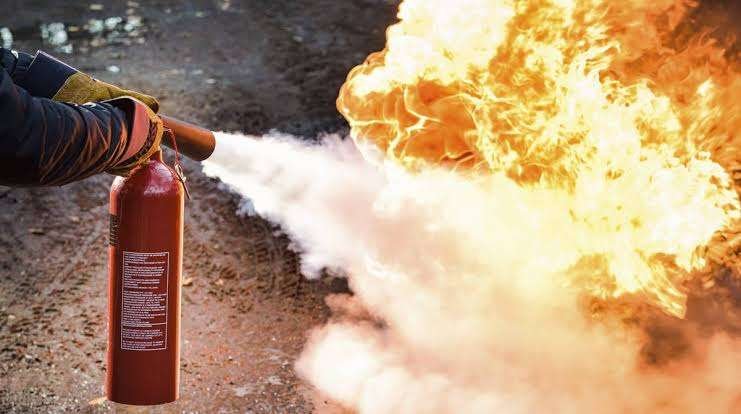
Fire extinguishers are important safety equipment, but renters should not assume that every fire should be handled with an extinguisher.
The safest response depends on the type and size of the fire, the building’s emergency procedures, the availability of a safe escape route, and the training of the person involved.
If an emergency is developing, personal safety should come first.
Untrained occupants should not place themselves in danger attempting to control a fire. Evacuation and contacting emergency services are priorities when a fire cannot be safely managed.
Create a Simple Emergency Plan
Every renter can benefit from having a basic emergency plan.
A household plan can include:
1. Identify available exits.
2. Choose a meeting location away from the building.
3. Make sure family members understand what the alarm means.
4. Discuss how children or people needing assistance will be supported.
5. Keep important emergency contact information accessible.
6. Practice leaving the property calmly.
For workplaces, management should establish formal emergency procedures appropriate to the building and its occupants.
Pakistan’s Fire Safety Provisions recognize emergency action planning, evacuation drills, and maintenance records as important elements of building fire safety where applicable.
Protect Children and Vulnerable Occupants
Fire safety planning should consider everyone living or working in the rented property.
Young children may not recognize the seriousness of an alarm. Older people or people with mobility limitations may need additional assistance during evacuation.
Families should discuss the emergency plan in age-appropriate language.
At workplaces and shared buildings, management should consider how occupants who may require assistance can safely evacuate.
Do Not Return for Personal Belongings
During an emergency, possessions should never become more important than personal safety.
A renter may be tempted to return for a phone, wallet, documents, laptop, clothing, or other belongings.
That can create additional danger and interfere with emergency response.
Once occupants have safely left, they should remain at the designated safe location and follow instructions from emergency personnel or building authorities.
Emergency Services in Pakistan
In Punjab, Rescue 1122 provides emergency services for incidents including fires and other emergencies, and its official emergency number is 1122.
Emergency procedures can differ by location and building, so renters should also know the building’s internal reporting arrangements.
When contacting emergency services, provide the location and relevant information clearly and follow the instructions given by trained responders.
The Role of Landlords and Property Managers
Fire safety is not solely a renter’s responsibility.
Landlords and property managers have important responsibilities concerning the condition and maintenance of the building.
Depending on the property and applicable requirements, management may need to address matters such as:
– Fire detection systems
– Alarm systems
– Emergency lighting
– Fire extinguishers
– Exit routes
– Fire doors
– Emergency planning
– Maintenance
– Inspection and testing
– Evacuation procedures
Renters should therefore communicate safety concerns rather than assuming they are powerless because they do not own the property.
A Practical Fire Safety Checklist for Renters
Before settling into a rented property, ask yourself:
– Do I know where the main exits are?
– Do I know where the stairs are?
– Can I recognize the building’s fire alarm?
– Are escape routes clear?
– Are exit signs visible?
– Do I know the building’s emergency procedure?
– Is emergency lighting provided where required?
– Are obvious electrical hazards being addressed?
– Do I know where the assembly area is?
– Have I participated in an evacuation drill?
– Do I know who to contact if I discover a fire-safety problem?
– Do I know the appropriate emergency number for my area?
These simple questions can help renters become more aware of their surroundings.
Why Prevention Is Better Than Reaction
Fire safety should not begin after an alarm sounds.
Prevention, maintenance, planning, and awareness can reduce the likelihood that a small problem becomes a major emergency.
A properly maintained fire alarm system in Pakistan can be an important part of a broader building safety strategy, but no single safety measure should be treated as sufficient by itself. Building safety works best when alarms, detection, exits, emergency plans, maintenance, occupant awareness, and professional response operate together.
The Pakistan Engineering Council’s Fire Safety Provisions emphasize multiple safeguards rather than depending on only one protective measure.
Conclusion
Renters play an important role in fire safety. They may not own the property or control its building systems, but their awareness and actions can help prevent hazards and support a safer response during an emergency.
The most important habits are simple: keep exits clear, report hazards, respect alarms, understand evacuation procedures, avoid unsafe electrical practices, participate in drills, and follow instructions from responsible authorities.
Fire safety is a shared responsibility between property owners, managers, occupants, workers, visitors, and emergency services. A renter who understands the building and takes safety concerns seriously is better prepared to respond when an unexpected emergency occurs.
Frequently Asked Questions
1. What should renters check for fire safety when moving into a property?
Renters should identify exits, stairs, fire alarms, smoke detectors where provided, fire extinguishers, emergency lighting, exit signs, and the building’s emergency procedures. They should also report obvious hazards such as blocked escape routes or damaged electrical equipment.
2. Should renters ignore a fire alarm if they cannot see smoke?
No. An alarm should be taken seriously. Renters should follow the building’s emergency procedure and evacuate when instructed or when the situation requires it rather than assuming the alarm is unnecessary.
3. Who is responsible for fire safety in a rented building?
Responsibility is shared. Landlords and building managers are responsible for appropriate building systems, maintenance, and compliance with applicable requirements, while renters are responsible for using the property safely, keeping exits clear, reporting hazards, and following emergency procedures.
4. Why are evacuation drills important for renters?
Evacuation drills help occupants become familiar with alarms, exits, stairways, assembly areas, and emergency procedures. Rescue 1122 and Punjab Civil Defence both recognize evacuation training and drills as important parts of emergency preparedness.
5. What should a renter do during a serious fire emergency?
The priority is personal safety. Follow the building’s evacuation procedure, leave through a safe designated route, alert others when appropriate, and contact the relevant emergency service. In Punjab, Rescue 1122 can be reached at 1122. Do not return to the property for personal belongings once you have evacuated.