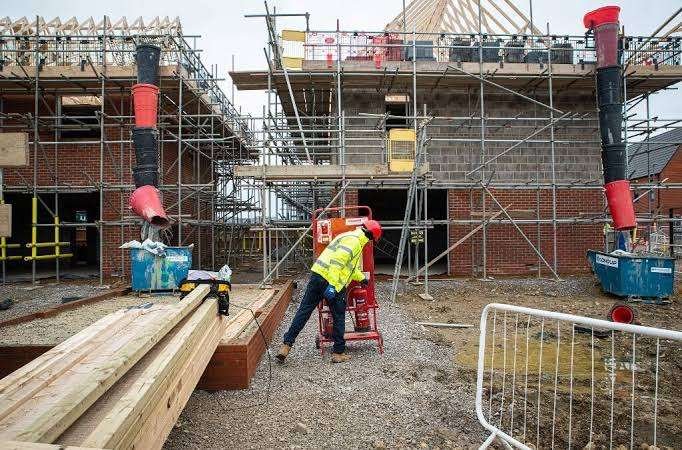
Construction sites are busy environments where buildings, roads, factories, commercial spaces, and other structures are developed. Workers may deal with electrical systems, machinery, temporary structures, construction materials, fuel, paints, packaging, welding activities, and many other potential hazards.
Because construction sites change from day to day, their fire risks can also change quickly. A temporary electrical arrangement that was safe at one stage may need to be reviewed when new equipment or materials are introduced. Storage areas can move, access routes can change, and partially completed buildings may not yet have their permanent fire-protection systems.
For this reason, fire safety should be considered throughout the construction process rather than only after a building is completed.
In Pakistan, construction safety has received additional attention through the national Occupational Safety and Health Code of Practice for the construction sector approved in 2026. The code establishes minimum safety and health requirements for construction activities and applies across building works, civil engineering, infrastructure projects, and demolition.
This guide explains the importance of fire safety on construction sites and the basic principles that can help create a safer working environment.
Why Fire Safety Matters on Construction Sites
Construction sites can contain several different fire hazards at the same time.
Some examples include:
– Temporary electrical installations
– Electrical tools and equipment
– Fuel and other combustible materials
– Paints and construction products
– Packaging and waste
– Heating equipment
– Hot-work activities
– Temporary offices and storage areas
– Kitchens or worker facilities
– Machinery
– Partially completed structures
The risk can increase when combustible materials are poorly stored or when ignition sources are located too close to materials that can burn.
The International Labour Organization recommends that construction safety be managed throughout the project lifecycle and that employers and workers cooperate to identify and control hazards.
Fire safety should therefore be included in the site’s overall safety-management system.
Understanding Fire Risks at Construction Sites
A fire generally requires three basic elements: an ignition source, something that can burn, and oxygen.
Construction sites can contain many examples of the first two.
Possible ignition sources include electrical equipment, sparks, hot surfaces, and certain construction activities. Combustible materials can include wood, paper, packaging, plastics, fuels, and other construction products.
The International Labour Organization recommends identifying ignition sources and combustible materials as part of a workplace fire-risk assessment.
The objective is not to assume that every construction activity is dangerous. Instead, site managers should identify specific risks and put appropriate controls in place.
Fire Risk Assessment Should Come First
A fire-risk assessment is an important starting point.
The assessment should consider the activities taking place, materials present, workers and visitors, site layout, temporary structures, electrical arrangements, storage areas, emergency access, and available fire-protection measures.
The assessment should also be reviewed when conditions change.
For example, a construction site may initially contain only a small number of workers and limited materials. Later, additional contractors, equipment, temporary offices, and stored materials may be introduced.
The fire-safety plan should change when the risks change.
The ILO recommends keeping fire-risk assessments up to date and using their findings to determine appropriate fire-safety measures.
Electrical Safety on Construction Sites
Electricity is an important part of modern construction work, but temporary electrical systems require careful management.
Construction sites may use temporary power supplies, extension arrangements, portable equipment, lighting, pumps, tools, and other electrical devices.
Electrical installations and equipment should be installed and maintained by competent persons. International construction-safety guidance also emphasizes taking appropriate measures to protect workers from live electrical cables and equipment on construction sites.
Workers should report damaged electrical equipment or cables instead of attempting repairs without appropriate qualifications.
Electrical panels and other important equipment should also remain accessible to authorized personnel.
Managing Combustible Materials
Construction projects can involve large quantities of materials that can burn.
Examples include:
– Wood
– Cardboard
– Paper
– Plastic packaging
– Insulation products
– Furniture and fittings
– Certain paints and coatings
– Waste materials
Good housekeeping can significantly improve fire safety.
Waste should not be allowed to accumulate unnecessarily. Materials should be stored in an organized manner, with attention to their fire characteristics and the site’s safety procedures.
The ILO specifically recommends good housekeeping and avoiding the buildup of rubbish that could contribute to a fire.
Safe Storage of Flammable Materials
Some construction sites may contain flammable liquids, gases, paints, solvents, or other products that require special handling and storage.
These materials should be managed according to applicable regulations, safety information provided by manufacturers, and the site’s risk assessment.
International construction-safety principles emphasize suitable storage for flammable liquids, solids, and gases.
Workers should not improvise storage arrangements for hazardous materials. Site management should establish suitable procedures and ensure that workers understand them.
Hot Work and Fire Prevention
Certain construction activities can produce heat, sparks, or other ignition sources. These activities require particular attention because they may occur close to combustible materials.
A responsible construction site should have a suitable procedure for controlling such work.
Depending on the project, this can include:
– Identifying areas where hot work is taking place
– Checking nearby fire hazards
– Controlling combustible materials
– Providing appropriate fire-protection arrangements
– Establishing authorization procedures
– Monitoring the area according to the site’s safety plan
Because hot-work risks vary significantly between projects, the exact controls should be determined by competent safety personnel rather than relying on a one-size-fits-all approach.
Fire Alarm Systems During Construction
Permanent fire alarm systems are often installed as a building progresses. However, construction sites can present risks before the permanent system becomes operational.
Where fire detection or alarm systems are required by the applicable building requirements, they should be properly designed and installed.
The Building Code of Pakistan Fire Safety Provisions 2016 contains requirements for fire alarm and detection systems where required by the provisions. It also addresses functions such as manual and automatic alarm initiation and notification of occupants.
A properly planned fire alarm system in Pakistan can therefore form an important part of fire protection when required by the building’s design, stage of construction, occupancy, and applicable regulations.
The system should be designed, installed, tested, and maintained by appropriately qualified professionals.
Temporary Fire Safety Measures
A building under construction may not yet have all of its permanent fire-protection features.
Temporary measures may therefore be necessary depending on the project’s stage and risk assessment.
These can include appropriate fire-protection equipment, emergency communication arrangements, access for emergency responders, and clearly communicated evacuation procedures.
The exact requirements should be determined by the site’s competent safety personnel and relevant authorities.
The key principle is simple: fire safety should exist throughout construction, not only after the final building is complete.
Keeping Access Routes Clear
Emergency responders need suitable access to a construction site.
Workers also need clear routes for evacuation.
Construction materials, equipment, vehicles, waste, or temporary structures should not unnecessarily obstruct designated emergency routes.
Site management should regularly review access arrangements because construction sites are constantly changing.
A route that was clear last week may become blocked by materials or equipment this week.
Emergency Exits and Evacuation Routes
Every construction project should have an evacuation arrangement appropriate to the current stage of construction.
Workers should know:
– How to receive an emergency warning
– Which routes they should use
– Where the assembly area is located
– Who is responsible for emergency coordination
– How to report an emergency
– What to do after reaching the assembly area
The plan should account for changing site conditions.
For example, stairways, access points, temporary walkways, and building entrances may change as construction progresses.
Evacuation arrangements should therefore be reviewed whenever the site’s layout changes significantly.
Fire Safety Training for Workers
Fire safety equipment is only one part of an effective safety program.
Workers need appropriate information and training about the hazards present on their site.
International construction-safety standards emphasize informing and training workers about workplace hazards and the measures available to prevent and control them.
Training can cover:
– Recognizing common fire hazards
– Reporting unsafe conditions
– Understanding emergency alarms
– Following evacuation procedures
– Knowing assembly points
– Keeping access routes clear
– Understanding site-specific emergency responsibilities
Training should be appropriate to workers’ roles and the risks of the project.
Coordination Between Contractors
Large construction projects may involve several companies working at the same location.
Different contractors may have different equipment, materials, work schedules, and safety procedures.
This makes coordination important.
The ILO’s construction-safety framework emphasizes cooperation between employers and workers and coordination of safety measures on construction sites.
The main contractor or designated responsible party should make sure fire-safety responsibilities are understood across the project.
Workers should know how to report hazards and who has authority to address them.
Fire Safety in Temporary Buildings
Construction sites often contain temporary offices, storage rooms, worker facilities, and other structures.
These areas should not be forgotten when developing the site’s fire-safety plan.
Temporary buildings may contain:
– Computers
– Electrical equipment
– Paper documents
– Furniture
– Cooking appliances
– Heating or cooling equipment
– Packaging materials
Their location, construction, electrical arrangements, and occupancy should be considered during the fire-risk assessment.
Housekeeping and Waste Management
Poor housekeeping can make a fire worse.
Construction waste may accumulate quickly because materials are continuously being cut, unpacked, installed, or removed.
A good housekeeping program should include appropriate collection and removal of waste.
Particular attention should be given to combustible waste and materials that could come into contact with ignition sources.
The ILO identifies housekeeping as an important part of workplace fire prevention.
Fire-Protection Equipment
Construction sites should have fire-protection equipment appropriate to their risks and applicable requirements.
The type and placement of equipment should be determined through professional assessment rather than simply choosing equipment based on convenience.
Equipment should be:
– Suitable for the identified hazards
– Accessible
– Clearly identified
– Maintained properly
– Checked according to applicable requirements
Workers should know where emergency equipment is located.
At the same time, workers should not be expected to take unnecessary risks attempting to control a developing fire. Evacuation and emergency response should remain priorities when conditions are unsafe.
Maintaining Fire Safety Equipment
Fire-protection equipment can become ineffective if it is damaged, inaccessible, expired, or poorly maintained.
Regular inspection and maintenance should therefore be part of the construction site’s safety program.
Pakistan Engineering Council’s professional constructor/operator information identifies installation, commissioning, and maintenance of fire detection, alarm, and suppression systems as a specialized area of engineering work.
Important fire-protection work should therefore be assigned to appropriately qualified professionals.
Emergency Communication
Construction sites can be noisy and spread across large areas.
A warning that is easy to hear in one location may not be noticeable somewhere else.
The emergency plan should consider how workers will be informed about a fire or evacuation.
Depending on the project, suitable communication arrangements may include alarms, communication systems, designated responsible personnel, or other approved methods.
The objective is to ensure that workers receive clear information quickly enough to follow the site’s emergency procedure.
Fire Safety During Different Construction Stages
Fire risks can change during a project.
Early construction
The site may have temporary power systems, construction materials, equipment, and open areas.
Structural work
Additional levels, temporary access routes, storage locations, and electrical equipment may be introduced.
Interior work
Materials such as wood products, paints, insulation, finishes, furniture, and packaging may increase combustible loads.
Final stages
Permanent electrical, alarm, suppression, and other building systems may be commissioned and tested.
Each stage should receive an appropriate safety review rather than relying on the original construction plan.
Emergency Planning for Construction Sites
A construction emergency plan should be practical and easy to understand.
It can identify:
1. Emergency contact arrangements.
2. Alarm and warning methods.
3. Evacuation routes.
4. Assembly points.
5. Responsibilities of supervisors.
6. Emergency access routes.
7. Procedures for visitors and contractors.
8. Arrangements for workers who may need additional assistance.
9. Methods for accounting for workers after evacuation.
The plan should be communicated to everyone who works on the site.
It should also be reviewed when significant changes occur.
Fire Safety Inspections
Regular inspections can identify problems before they become emergencies.
A construction-site fire-safety inspection can consider:
– Electrical equipment
– Temporary power arrangements
– Storage areas
– Combustible materials
– Waste accumulation
– Emergency routes
– Fire-protection equipment
– Alarm systems where installed
– Temporary buildings
– Emergency access
– Worker training
– Emergency contact information
– Site changes
The ILO recommends regular review of fire-risk assessments because workplace conditions and hazards can change.
Common Fire Safety Mistakes on Construction Sites
1. Treating fire safety as a final-stage issue
Fire risks exist from the beginning of construction. Waiting until the building is almost complete can leave earlier stages inadequately protected.
2. Poor storage
Combustible and flammable materials should be managed according to appropriate safety procedures.
3. Ignoring electrical problems
Damaged electrical equipment should be reported and handled by competent personnel.
4. Blocking access routes
Materials and equipment should not unnecessarily obstruct evacuation or emergency-response routes.
5. Failing to update the emergency plan
Construction sites change frequently, so emergency arrangements need regular review.
6. Inadequate worker training
Workers need clear information about site-specific hazards and emergency procedures.
7. Poor coordination between contractors
Multiple companies working together require clear communication and defined responsibilities.
A Simple Construction-Site Fire Safety Checklist
Site management
– Has a fire-risk assessment been completed?
– Is it reviewed when site conditions change?
– Are emergency responsibilities clearly assigned?
– Are workers appropriately trained?
Electrical safety
– Are electrical installations maintained by competent people?
– Are damaged cables and equipment reported?
– Are electrical areas appropriately managed?
Storage and housekeeping
– Are combustible materials organized?
– Is waste removed regularly?
– Are flammable materials stored appropriately?
– Are emergency routes clear?
Fire protection
– Is suitable fire-protection equipment available?
– Is equipment accessible and maintained?
– Are alarm and detection systems maintained where installed?
– Are important systems tested by qualified personnel?
Emergency preparedness
– Are evacuation routes identified?
– Is there a suitable assembly area?
– Can emergency responders access the site?
– Do workers know what to do if an alarm sounds?
Construction Fire Safety in Pakistan
Pakistan’s construction sector has a large role in the country’s economic development, but construction work also presents significant occupational risks.
In April 2026, the International Labour Organization reported that Pakistan had approved a national Occupational Safety and Health Code of Practice for the construction sector. The code establishes minimum requirements for protecting workers and other people around construction sites and covers activities including building works, civil engineering, infrastructure development, and demolition.
The Building Code of Pakistan Fire Safety Provisions 2016 also contains requirements concerning fire detection, alarm systems, fire protection, means of egress, and other fire-safety measures.
Specific requirements can depend on the project, building type, location, construction stage, and authority having jurisdiction. Construction companies should therefore consult applicable Pakistani requirements and appropriately qualified fire-safety and engineering professionals.
The Importance of a Safety Culture
The strongest construction fire-safety programs do not depend on one person or one piece of equipment.
They create a culture in which everyone understands that safety is part of the job.
Workers should feel able to report hazards. Supervisors should take reports seriously. Contractors should coordinate their activities. Management should provide suitable resources and training.
The ILO’s construction-safety guidance promotes a preventative safety culture throughout the construction project lifecycle.
This approach can help identify hazards before they become emergencies.
Final Thoughts
Fire safety should be treated as an essential part of construction-site management.
Construction sites change continuously, which means their fire risks can change as well. Electrical equipment, temporary structures, combustible materials, storage areas, hot-work activities, and multiple contractors can all require careful planning.
A fire alarm system in Pakistan can be an important part of a building’s fire-protection strategy where required, but an alarm alone cannot provide complete protection. Effective fire safety also depends on risk assessment, good housekeeping, appropriate storage, clear evacuation arrangements, trained workers, suitable fire-protection equipment, professional maintenance, and coordinati