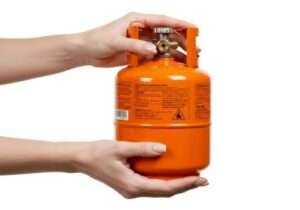
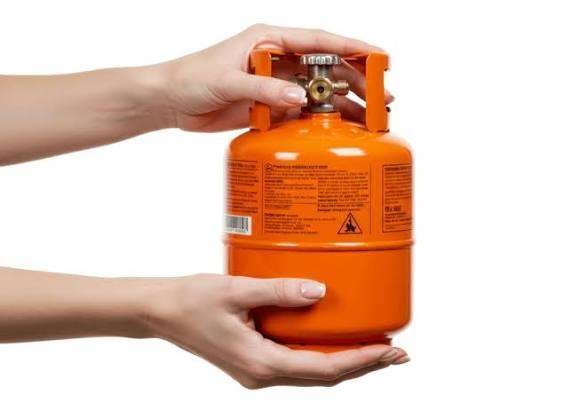
Gas cylinders are commonly used in many homes, restaurants, small businesses, and other places in Pakistan. They can provide an important source of cooking energy, but children should understand that gas equipment is an adult responsibility and should never be treated as a toy.
Teaching children about gas cylinder safety does not mean asking them to operate, move, connect, inspect, or repair a cylinder. Instead, children should learn how to recognize unsafe situations, stay away from gas equipment, tell a responsible adult about problems, and respond appropriately if they smell gas or hear a fire alarm.
The Oil and Gas Regulatory Authority (OGRA) identifies LPG as highly inflammable and has published safety guidance concerning LPG cylinders and their handling. OGRA also emphasizes checking cylinders for physical damage and leakage before they reach customers.
For families in Pakistan, simple safety education can help children understand why gas equipment requires care and why adult supervision is important.
Why Kids Need to Learn About Gas Cylinder Safety
Children are naturally curious. They may want to understand how household appliances work or investigate unfamiliar sounds and smells.
Gas cylinders, regulators, hoses, stoves, and other equipment should never become objects for experimentation.
Children should learn three basic rules:
1. Stay away from gas equipment unless an adult is supervising an age-appropriate activity.
2. Never attempt to operate, move, connect, disconnect, or repair a gas cylinder.
3. Tell an adult immediately if something looks or smells unusual.
These simple messages are easier for children to remember than complicated technical instructions.
The goal is to build awareness without encouraging children to interact with potentially dangerous equipment.
What Is LPG?
LPG stands for liquefied petroleum gas. It is widely used as a fuel, including for domestic cooking.
OGRA’s public safety material describes LPG as highly inflammable and notes that it is heavier than air. It also explains that an odorizer is added to LPG so that leaks can be detected by smell.
Children do not need to learn the technical properties of LPG in detail. However, they should understand one important point:
A gas leak can create a serious fire hazard, so children should never investigate or try to fix one themselves.
If a child notices a suspicious smell around gas equipment, the safest response is to move away from the area and immediately tell a responsible adult.
Teach Children That Gas Cylinders Are Not Toys
Children may see gas cylinders regularly and become familiar with them. Familiarity should never be confused with safety.
A cylinder should not be:
– Played with
– Rolled around
– Hit
– Climbed on
– Used as a chair
– Moved by children
– Covered with toys or other unnecessary objects
– Used for games or experiments
Parents and guardians should explain that gas equipment is designed for a specific purpose and must be handled by responsible adults.
A simple sentence can help:
“Gas equipment is for adults to manage. Your job is to stay away and tell an adult if something seems wrong.”
Teaching Kids to Recognize a Gas Leak
Children can be taught to recognize warning signs without being asked to inspect the cylinder themselves.
One important warning sign is an unusual gas smell.
Because LPG is naturally difficult to detect by smell, an odorizer is added to help people recognize a leak. OGRA specifically notes this in its LPG safety information.
Children should know that an unusual gas smell is not something to investigate out of curiosity.
They should:
– Move away from the suspected area.
– Tell a responsible adult.
– Follow the household emergency plan.
– Stay away until an adult or qualified professional says the area is safe.
Children should never try to find the source of a suspected leak.
What Children Should Never Do
Gas-cylinder safety education should clearly explain what children must not do.
Children should never:
– Turn gas equipment on or off unless an adult specifically directs them as part of an age-appropriate safety situation.
– Touch a damaged cylinder.
– Move a cylinder.
– Try to repair a regulator or hose.
– Try to locate a leak.
– Light a match to investigate a smell.
– Play near cooking equipment.
– Experiment with gas appliances.
– Attempt to refill or transfer gas.
– Touch unfamiliar gas equipment at a shop or workplace.
OGRA states that transferring LPG from one cylinder to another is prohibited and dangerous.
This is an adult and professional responsibility, not something children should ever attempt.
Keep Gas Equipment Away From Children’s Play Areas
Parents can reduce risk by keeping children’s play areas separate from cooking and fuel-related areas.
A kitchen, storage location, or other area containing gas equipment should not become a children’s play space.
Children should also understand that playing near a stove or other heat-producing appliance can be dangerous even when they are not touching the gas cylinder.
Parents can establish a simple household rule:
No playing around cooking appliances or gas equipment.
This rule is particularly important for younger children.
Adult Supervision Is Essential
Children learn safety habits largely through what adults demonstrate.
Parents, guardians, teachers, and caregivers should model responsible behavior around gas equipment.
Adults can teach children to:
– Stay outside restricted areas.
– Listen when told to move away from a gas appliance.
– Report unusual smells.
– Report damaged equipment they notice.
– Take alarms seriously.
– Follow evacuation instructions.
The adult should remain responsible for inspection, maintenance, installation, and other technical matters.
OGRA’s safety requirements for LPG premises emphasize proper safety arrangements, ventilation, absence of ignition sources, and approved fire-safety equipment.
Why Ventilation Matters
Good ventilation is an important part of LPG safety.
OGRA’s minimum safety requirements for authorized LPG distributor premises include ventilation arrangements with air inlets and outlets leading outside.
Children do not need to manage ventilation systems themselves.
Instead, parents can explain that rooms containing gas equipment need appropriate ventilation and that children should never block vents or openings with toys, clothing, boxes, or other objects.
This is an easy safety lesson that children can understand.
Teaching Children About Fire and Gas
Gas and fire safety should be taught together.
Children should understand that gas and flames can be a dangerous combination when something goes wrong.
Parents can explain:
– Never play with matches or lighters.
– Never experiment with a stove.
– Never approach a suspected gas leak.
– Never investigate an unusual gas smell with a flame.
– Tell an adult about problems immediately.
– Leave the area when instructed.
The purpose is not to frighten children. The purpose is to give them simple rules that are easy to remember.
What to Do If a Child Smells Gas
This is one of the most important lessons parents can teach.
If a child notices an unusual gas smell, the child should not investigate the source.
Instead:
1. Move away from the suspected area.
2. Tell a responsible adult immediately.
3. Follow the household emergency plan.
4. Stay away from the area until it has been assessed and declared safe.
Children should not attempt to operate valves, disconnect equipment, or investigate the cylinder.
If an emergency is already developing, adults should follow local emergency procedures and contact the appropriate emergency service.
Do Not Create Fear
Fire and gas safety lessons should be serious, but they do not need to frighten children.
Parents can use calm language.
Instead of saying:
“Gas cylinders are extremely dangerous and something terrible could happen,”
a parent can say:
“Gas equipment needs adult care. If you ever smell something unusual, move away and tell me.”
This teaches the child what to do without creating unnecessary fear.
Teaching Children Through Simple Rules
Young children often remember short rules better than long explanations.
A family can use a simple set of reminders:
Stay away
Do not play near gas cylinders, stoves, regulators, hoses, or other gas equipment.
Tell an adult
If something looks damaged or smells unusual, immediately tell an adult.
Never experiment
Do not touch switches, valves, appliances, or other equipment to see what happens.
Listen to alarms
If a smoke or fire alarm sounds, follow the family’s emergency plan.
Leave when told
If an adult instructs everyone to leave because of a fire or suspected gas problem, leave promptly and go to the designated safe location.
Fire Alarms and Gas Safety
A gas-related emergency can potentially lead to fire, which is why overall household fire protection is important.
A suitable fire alarm system in Pakistan can form part of a broader fire-safety strategy where appropriate. The exact system needed depends on the building, occupancy, design, and applicable requirements.
Children should be taught what the household fire alarm sounds like.
They should understand that an alarm is a warning and should not be treated as a game.
When an alarm sounds, children should follow the family’s evacuation plan and listen to responsible adults.
The focus should always be on getting to safety rather than investigating the cause.
Smoke Alarms and Children’s Safety
Smoke alarms can provide early warning of a developing fire.
Parents should explain what the alarm means before an emergency occurs.
A child should know:
– What the alarm sounds like.
– Who to follow during an evacuation.
– Where the family meeting point is.
– Why they should not hide.
– Why they should not return to the building after leaving.
The exact placement and maintenance of alarms should be handled by adults according to applicable safety guidance.
Children should never be given responsibility for maintaining or testing technical fire-safety systems.
Create a Family Emergency Plan
Every family can benefit from having a simple emergency plan.
The plan can include:
– Primary exit routes.
– Alternative routes where possible.
– An outdoor meeting point.
– Emergency contact information.
– Instructions for younger children.
– Arrangements for family members who may need additional assistance.
Children should practice the plan calmly so that they know what to expect.
The plan should also explain that once the family has left an unsafe area, nobody should go back inside to retrieve toys, phones, bags, or other belongings.
Gas Cylinder Storage and Children
Adults should make sure gas cylinders are kept in an appropriate location according to applicable requirements and manufacturer or supplier guidance.
Children should not be responsible for deciding where a cylinder should be stored.
OGRA’s safety requirements for LPG distributor premises, for example, address issues including building location, ventilation, ignition sources, construction, and fire extinguishers.
For a household, parents should obtain appropriate professional guidance when they are unsure whether their gas installation or storage arrangement is safe.
Children’s role is simply to stay away from the equipment and report concerns to adults.
Why Children Should Not Handle Damaged Equipment
A damaged cylinder, hose, regulator, or other component can present a safety concern.
Children may be tempted to touch something that looks unusual or broken.
Parents should teach them:
“If it looks damaged, don’t touch it. Tell an adult.”
This rule applies beyond gas equipment and can also be useful for electrical appliances, broken glass, chemicals, and other household hazards.
Buying and Servicing Gas Equipment
Adults should be responsible for selecting appropriate gas equipment and arranging professional inspection or maintenance.
OGRA has established regulatory requirements concerning LPG equipment, manufacturers, distributors, and safety standards. Its LPG information also includes authorized manufacturers and third-party inspection information.
Families should use appropriate, compliant equipment and qualified professionals for technical work.
Children should never be asked to help with installation, repair, filling, transferring, or testing gas cylinders.
Teaching Safety at School
Schools can also help children develop good fire and gas-safety habits.
Teachers can explain:
– Why children should stay away from gas equipment.
– Why unusual smells should be reported.
– Why matches and lighters are not toys.
– Why fire alarms must be taken seriously.
– How to follow evacuation instructions.
– Why students should never return to an unsafe building.
Lessons should remain age-appropriate.
For younger students, pictures and simple examples can be more effective than technical explanations.
For older students, teachers can discuss emergency preparedness and hazard recognition in greater detail without encouraging students to handle gas equipment.
Gas Safety During Family Gatherings
Families may use cooking areas more frequently during celebrations, weddings, holidays, and large gatherings.
More people in a home can mean more children around cooking and gas equipment.
Adults should make sure children have a safe area away from cooking activities.
A responsible adult should supervise younger children, particularly when cooking is taking place.
Children should understand that crowded kitchens are not suitable places for playing.
Teaching Kids About Fire Extinguishers
Children may see fire extinguishers in homes, schools, offices, or shops.
They should know that an extinguisher is safety equipment, not a toy.
Children should not be encouraged to experiment with extinguishers or attempt to fight a developing fire.
For young children, the key lesson is simple:
If there is a fire, get away, alert an adult, and follow the emergency plan.
Adults and trained personnel can make decisions about firefighting equipment when appropriate.
Common Mistakes Parents Should Avoid
Letting children play near cooking areas
Even when an adult is nearby, children should have clear boundaries around cooking equipment.
Asking children to check a suspected gas leak
Children should never be given this responsibility.
Treating gas smells as unimportant
Any suspected gas problem should be taken seriously and handled by responsible adults.
Allowing children to experiment with appliances
Curiosity should be redirected toward safe educational activities.
Failing to explain the alarm
Children should know what to do when a smoke or fire alarm sounds.
Using complicated instructions
Simple, memorable rules are more effective for young children.
A Simple Gas Safety Checklist for Families
Parents can use the following checklist to review household awareness:
For children
– Do they know not to play near gas equipment?
– Do they know not to touch cylinders or regulators?
– Do they know to tell an adult about unusual smells?
– Do they recognize the household fire alarm?
– Do they know the family’s evacuation route?
– Do they know the outdoor meeting point?
For adults
– Is gas equipment appropriately installed?
– Is the equipment maintained professionally?
– Are damaged components addressed promptly?
– Is the area appropriately ventilated?
– Are children kept away from gas equipment?
– Is the household emergency plan clear?
– Are smoke or fire alarms maintained appropriately?
Gas Cylinder Safety in Pakistan
LPG safety is regulated in Pakistan, with OGRA publishing requirements and public-awareness material concerning LPG storage, distribution, equipment, and consumer safety. OGRA’s published guidance emphasizes checking cylinders for damage and leakage and warns against dangerous and prohibited LPG transfer practices.
OGRA also maintains information about LPG technical standards, authorized equipment manufacturers, third-party inspectors, and other regulatory requirements.
Because requirements can vary according to the type of installation and location, adults should consult the appropriate supplier, qualified professional, or relevant authority when they need technical guidance.
Children should remain focused on the simple safety principles: stay away, don’t experiment, and tell an adult.
Final Thoughts
Teaching kids about gas cylinder safety is mainly about teaching them what not to do.
Children should never be responsible for moving, connecting, disconnecting, repairing, filling, inspecting, or otherwise handling gas cylinders. Their role is much simpler and safer: recognize potential warning signs, stay away from gas equipment, tell a responsible adult, take alarms seriously, and follow the family’s emergency plan.
Parents and guardians can make these lessons easier by using short and calm instructions. Regular reminders can help children understand that gas equipment is an adult responsibility.
A broader fire-safety plan can also include suitable alarms, clear evacuation routes, professional maintenance, and emergency planning. A fire alarm system in Pakistan may be an important part of fire protection where appropriate, but children’s awareness and adult supervision remain essential parts of household safety.
The best safety lesson for a child is simple:
Stay away from gas equipment, never experiment with it, and always tell an adult when something seems wrong.
FAQs
1. How should parents teach children about gas cylinder safety?
Parents should use simple rules: children should not play near gas equipment, touch cylinders, or attempt repairs. They should immediately tell a responsible adult if they notice an unusual smell, damaged equipment, or another concern.
2. Can children check a gas cylinder for leaks?
No. Children should not inspect, test, move, disconnect, or repair gas cylinders or related equipment. Suspected problems should be handled by responsible adults and appropriately qualified professionals.
3. What should a child do if they smell gas?
The child should move away from the suspected area, tell a responsible adult immediately, and follow the household emergency plan. They should not try to locate the leak or operate gas equipment themselves.
4. How does a fire alarm help with gas safety?
A fire alarm can provide an important warning if a fire occurs. Children should learn to recognize the alarm and follow the family’s evacuation plan. The appropriate alarm and fire-protection arrangements depend on the building and its specific risks.
5. Why is gas cylinder safety important in Pakistan?
LPG is widely used in Pakistan, and OGRA publishes safety requirements and public-awareness guidance concerning LPG cylinders, storage, distribution, and equipment. Safe use requires appropriate equipment, professional maintenance, responsible storage, and awareness of fire hazards.