What is a Fire Alarm Zone?

When we talk about fire safety in commercial buildings, offices, and even residential projects in Pakistan, the term “fire alarm zone” often comes up. Many people hear this term while discussing a fire alarm installation, during building inspections, or while checking the fire alarm system price in Pakistan, but they don’t always know what it really means. Understanding zones is not just technical knowledge—it directly affects how quickly people can respond in an emergency.

Understanding the Concept of a Fire Alarm Zone

A fire alarm zone is simply a specific section of a building or property that has been separated for fire detection purposes. When a detector, call point, or device in that zone is activated, the fire alarm control panel shows exactly where the problem is. This helps emergency responders or building staff quickly locate the source of fire or smoke.

For example, in a hospital in Islamabad, one zone might cover the emergency ward, another zone might cover the pharmacy area, and another might cover the patient rooms. If a smoke detector in the pharmacy is triggered, the control panel will clearly show “Pharmacy Zone” so that staff do not waste time searching the whole building.

Why Zoning is Important

Fire safety engineers in Pakistan design zones to make the system practical, reliable, and easy to manage. Without zoning, a fire alarm would simply ring without telling you where the fire is. In a large building like a university or shopping mall, that would create panic instead of helping.

Key reasons zoning matters:

  1. Accurate Location Identification – Staff know exactly where to send people to investigate.

  2. Faster Response Time – Fire brigades or safety teams can reach the right spot quickly.

  3. Reduced Panic – Occupants can evacuate in an organized way when they know which area is affected.

  4. System Maintenance – Zones also help when checking or repairing the system, as each area can be isolated and tested separately.

How Fire Alarm Zones Are Designed in Pakistan

The number and size of zones depend on the building type, local safety codes, and international standards. In Pakistan, many buildings follow guidelines similar to BS 5839 (a British standard), but adjusted to meet local conditions.

  • Small Offices or Shops: A small building may have just one zone.

  • Schools, Hospitals, or Hotels: Each floor or wing becomes a separate zone.

  • High-Rise Buildings: Zoning is usually done per floor, sometimes with additional zones for special areas like basements, kitchens, or plant rooms.

By doing this, fire alarm systems in Islamabad can handle everything from a two-room office to a twenty-story building.

Types of Fire Alarm Systems and Zoning

There are two main types of fire alarm systems commonly used in Pakistan:

  1. Conventional Fire Alarm Systems
    In this system, zones are wired separately. The control panel shows which zone is active, but it cannot identify the exact device. For example, if Zone 3 is triggered, the staff will know the fire is somewhere in that area, but they need to check which detector caused it. Conventional systems are often cheaper and are suitable for small to medium-sized projects.

  2. Addressable Fire Alarm Systems
    These are advanced systems where every device has an address. The control panel not only shows the zone but also pinpoints the exact detector or call point. For example, instead of just showing “Zone 2,” it may show “Zone 2 – Room 210 – Smoke Detector.” Addressable systems are more expensive but highly effective for larger projects.

When you compare fire alarm system price in Pakistan, the difference between conventional and addressable systems is one of the biggest factors.

Fire Alarm Zones and Cost Considerations

Many clients in Islamabad ask us: Does adding more zones increase the fire alarm system price in Pakistan? The answer is: yes, to some extent. Each additional zone requires more wiring, devices, and sometimes a larger control panel. However, well-planned zoning actually saves money in the long run.

Imagine a warehouse divided into three zones. If only one zone needs maintenance, the other two can continue operating. This prevents unnecessary downtime and makes the system more reliable. For businesses, reliability is worth more than the initial saving.

Practical Examples of Zoning in Islamabad

  • Shopping Mall in Blue Area: Each floor was divided into zones, plus separate zones for food court kitchens. This helped quickly identify smoke incidents in the cooking areas without disturbing other shops.

  • Private School in Rawalpindi: Classrooms and laboratories were zoned separately. This made sense because labs carry more fire risk.

  • Corporate Office in F-7: The basement car park had its own zone, while each office floor was zoned separately. This allowed security staff to manage emergencies more efficiently.

Integration with Other Safety Systems

Fire alarm zones can also be connected with other building safety systems. For example, when Zone 1 detects smoke, the fire suppression system in that area can automatically activate, or the ventilation system can shut down to stop smoke spread.

This integration is becoming more common in Pakistan, especially in high-value projects where businesses cannot afford downtime or property loss.

Fire Alarm System Price in Pakistan – What to Expect

Prices vary widely based on system type, building size, and brand. In general:

  • Conventional Systems: These are more affordable and can be installed in small offices, shops, and residential buildings.

  • Addressable Systems: These cost more but are necessary for larger projects like universities, hospitals, or industrial units.

In Islamabad, the fire alarm system price in Pakistan typically depends on:

  • Number of zones

  • Type of detectors (smoke, heat, or multi-sensor)

  • Size and brand of control panel

  • Extra features like voice evacuation or integration with sprinklers

A basic setup for a small office may cost less, while a full system for a multi-story building can go much higher. For exact pricing, it’s always best to consult professionals who can survey the building and give an accurate estimate.

Choosing the Right Partner for Fire Alarm Installation

If you are planning to install a fire alarm system in Islamabad, working with a reliable company is more important than just finding the cheapest quote. A professional company ensures:

  • Proper zoning design

  • Compliance with Pakistani and international fire safety codes

  • Quality installation with tested equipment

  • Regular maintenance and support

At Fire Safety Trading, we specialize in fire alarm installation, maintenance, and testing. We design zoning in a way that ensures maximum safety and compliance. Our team also provides detailed cost breakdowns so clients can clearly understand the fire alarm system price in Pakistan before starting.

Frequently Asked Questions (FAQs)

Q1: How many fire alarm zones can a building have?
It depends on the size and design of the building. A small office might have just one zone, while a hospital or university can have dozens of zones to cover each floor and special areas like kitchens or basements.

Q2: What is the maximum size of a fire alarm zone?
Standards usually recommend that a single zone should not cover more than 2,000 square meters. In Pakistan, this can vary based on building layout and fire safety requirements.

Q3: Which is better for zoning – conventional or addressable fire alarm systems?
Both systems work with zones, but addressable systems provide more detail by identifying the exact device. Conventional systems only show the zone. The choice depends on building size, budget, and compliance needs.

Q4: Does zoning increase the fire alarm system price in Pakistan?
Yes, adding more zones increases cost because of extra wiring, detectors, and control panel capacity. However, zoning makes the system more reliable and easier to maintain, which saves money in the long run.

Q5: Where can I get fire alarm system installation in Islamabad?
You can contact Fire Safety Trading for fire alarm system installation, maintenance, and refilling services in Islamabad and Rawalpindi.

Conclusion

A fire alarm zone is not just a technical feature—it is the foundation of an effective fire safety strategy. By dividing a building into zones, fire alarms make emergencies easier to manage, reduce panic, and allow faster response. Whether you are setting up a small office system or a large hospital network in Islamabad, understanding zoning is essential.

When looking at the fire alarm system price in Pakistan, remember that zoning directly impacts performance, safety, and long-term reliability. Investing in a properly zoned fire alarm is not just about meeting legal requirements; it is about protecting lives and property.

For professional guidance, installation, or maintenance, you can always reach out to Fire Safety Trading. Our experts in Islamabad are ready to help you design the right system for your needs.

How to Use a Fire Alarm Call Point?

Fire alarms are among the most important safety devices in any building. They are designed to give an early warning so people can evacuate before a fire becomes uncontrollable. In Pakistan, especially in cities like Islamabad where commercial buildings, offices, schools, and residential complexes are growing rapidly, the need for reliable fire safety equipment has increased. One important part of a fire alarm system is the manual call point, often referred to as a fire alarm call point.

In this article, we will explain in detail how to use a fire alarm call point, why it is necessary, and how it connects with the overall fire alarm system. We will also highlight the importance of maintenance and how costs, such as the fire alarm system price in Pakistan, should be considered when planning safety measures.

What is a Fire Alarm Call Point?

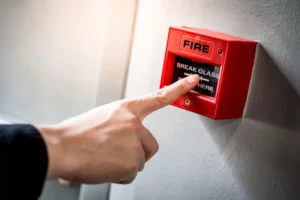
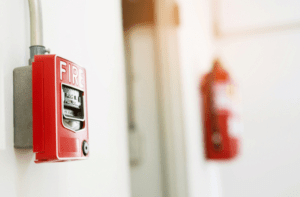
A fire alarm call point is a small, wall-mounted device that allows anyone to manually trigger the fire alarm system in case of an emergency. It is usually placed near exits, staircases, corridors, and common areas where people can easily access it.

Unlike smoke or heat detectors that activate automatically, the call point requires a person to push or break the glass to send a signal. Once activated, the fire alarm system sets off sirens and flashing lights, alerting everyone in the building.

Why Fire Alarm Call Points Are Important

In many fire incidents, automatic detectors may not immediately pick up smoke or heat, especially if the fire starts in a hidden corner. In such cases, a person spotting the fire first can raise the alarm quickly through the manual call point.

Some major benefits include:

  • Quick Response: Immediate activation ensures faster evacuation.

  • Safety Assurance: Reduces the chances of fire spreading unnoticed.

  • Compliance with Safety Standards: Most building safety regulations in Pakistan require functional call points as part of fire alarm systems.

For businesses in Islamabad, this is not just about safety, it is also about fulfilling regulatory compliance and protecting both property and lives.

How to Use a Fire Alarm Call Point (Step by Step)

Using a fire alarm call point is straightforward, but it must be done correctly to ensure the system responds as intended. Here is the process:

1. Locate the Call Point Quickly

When a fire is noticed, do not waste time. Move towards the nearest manual call point, usually marked with a red box and labeled “Break Glass” or “Press Here.”

2. Activate the Call Point

  • If it has a break glass type, press firmly on the center until the glass breaks.

  • If it has a push-button type, press the button firmly.

This action will send an immediate signal to the fire alarm control panel.

3. Wait for the Alarm

Within seconds, the alarm sirens and flashing lights should activate throughout the building, alerting everyone.

4. Evacuate Safely

Once the alarm is raised, follow the evacuation plan of the building. Do not attempt to collect belongings or delay.

5. Do Not Reset Without Authorization

Only trained staff or fire safety professionals should reset the call point after the incident or drill.

Common Mistakes People Make

Despite being a simple device, misuse or misunderstanding of fire alarm call points is common in Pakistan. Some issues include:

  • Ignoring the Call Point: People often look for security staff instead of using the device directly. This wastes valuable time.

  • Testing Without Permission: Children or untrained staff sometimes press the button as a joke, which creates unnecessary panic.

  • Not Reporting Damaged Units: A broken or blocked call point may fail during an actual fire.

This is why regular maintenance and awareness training are so important.

Maintenance of Fire Alarm Call Points

A call point is only effective if it works properly when needed. Businesses and property owners in Islamabad should arrange scheduled fire alarm maintenance. During maintenance, technicians check:

  • Glass condition (not broken or missing)

  • Button functionality

  • Connection with the fire alarm control panel

  • Proper positioning (not blocked by furniture or decorations)

At Fire Safety Trading, we provide fire alarm maintenance in Islamabad and across Pakistan, ensuring your system is fully functional at all times.

Fire Alarm Systems and Their Costs in Pakistan

While discussing fire alarm call points, it is also important to understand how they fit into the overall fire alarm system. In Pakistan, the fire alarm system price in Pakistan depends on several factors:

  1. Type of System: Conventional, addressable, or wireless.

  2. Size of the Building: Larger facilities require more detectors and call points.

  3. Brand and Quality: Reliable international brands may cost more but offer long-term safety.

  4. Installation and Maintenance: Professional installation ensures reliability, while maintenance prevents costly failures.

For example, in Islamabad, a small office may need only a basic conventional fire alarm system, while a shopping mall or hospital requires an addressable system with multiple call points, detectors, and panels.

Investing in a quality system may seem like an expense at first, but it provides long-term safety, compliance with building laws, and peace of mind.

Where to Install Fire Alarm Call Points in a Building

According to international fire safety guidelines, which are also followed in Pakistan:

  • Call points should be installed at all building exits.

  • They should be placed along escape routes and stairwells.

  • Height should be around 1.4 meters from the ground, making them easily accessible to everyone.

  • The maximum distance between two call points should not exceed 30 meters.

Proper installation ensures that wherever a fire starts, someone nearby can activate the alarm without delay.

Fire Alarm Call Point Training for Staff

Simply installing a system is not enough. Employees, tenants, and residents must know how and when to use a fire alarm call point. In Islamabad, many businesses now arrange fire safety training sessions that include:

  • How to recognize fire hazards

  • When to use call points vs. extinguishers

  • Evacuation procedures after raising the alarm

  • Reporting system faults to the maintenance team

This training reduces panic during emergencies and ensures faster evacuation.

Final Thoughts

A fire alarm call point is one of the simplest yet most effective tools for fire safety. Knowing how to use it properly can save lives and prevent major damage. For businesses and residents in Islamabad, installing reliable fire alarm systems, keeping them maintained, and ensuring everyone knows how to use the call points is essential.

When evaluating safety measures, do not overlook the costs. The fire alarm system price in Pakistan varies, but it is a small investment compared to the potential loss in case of a fire. At Fire Safety Trading, we provide complete solutions—from installation to maintenance—so your property always remains protected.

If you are in Islamabad and want to learn more about fire alarm maintenance, visit Fire Safety Trading and ensure your system is always ready when needed.

What is the Cost of Smoke Alarm System in Pakistan?

If you’re considering a smoke alarm system for your home or business in Pakistan, you’re likely wondering about the price. A basic smoke alarm setup can start around PKR 10,000 for simple standalone devices, while comprehensive fire alarm systems with smoke detection can climb to PKR 300,000 or more for larger properties. These costs depend on factors like system complexity, component quality, and where you purchase. In Islamabad and Rawalpindi, prices align with national averages, though local suppliers may offer tailored deals based on your installation needs.

Smoke alarms are critical for fire safety, often forming part of broader fire alarm systems that detect smoke, heat, or carbon monoxide early. In Pakistan, where electrical faults can spark fires, installing one is a practical choice. This article explores the costs, what drives them, and how to pick the right system, with straightforward advice for residents of Islamabad and Rawalpindi.

What Are Smoke Alarms and Fire Alarm Systems?

While people sometimes mix up the terms, smoke alarms and fire alarm systems differ slightly. A smoke alarm is typically a standalone device that detects smoke and sounds an alert, perfect for small spaces like homes. Fire alarm systems are more advanced, combining multiple smoke detectors, heat sensors, control panels, and sirens into a connected network.

In Pakistan, four main types of systems are available, each with distinct pricing:

Conventional systems organize detectors into zones, making them cost-effective for smaller buildings. They rely on wired connections and a central control panel.

Addressable systems assign each detector a unique identifier, pinpointing the exact location of an alarm. These suit medium-sized offices or apartments, minimizing false alerts.

Intelligent systems feature advanced detectors that analyze the environment, distinguishing real fires from dust or steam, ideal for reducing unnecessary evacuations.

Wireless systems use radio signals instead of cables, simplifying installation in existing buildings without major renovations.

The type you choose impacts the fire alarm system price in Pakistan. A conventional setup might work for a small shop in Rawalpindi, while an intelligent system could be better for a multi-story office in Islamabad.

What Influences the Cost?

Several factors determine how much you’ll pay. The size of the area matters—a large warehouse needs more detectors and wiring than a small home, driving up costs. The brand also plays a role; locally made or Chinese systems are often cheaper than imported ones from companies like Honeywell.

Installation costs add up, especially in busy areas like Islamabad and Rawalpindi, where labor rates reflect demand. Reputable suppliers often include installation in their quotes. Custom features, like linking the system to CCTV or sprinklers, increase the price further.

Component quality varies widely. A basic smoke detector might cost PKR 2,000 to PKR 5,000, while high-sensitivity models can hit PKR 11,000. Control panels range from PKR 28,000 for simple conventional ones to PKR 45,000 for advanced addressable versions. Sirens or sounders add another PKR 2,200 to PKR 10,500, depending on their strength.

Location slightly affects pricing and availability. Islamabad’s commercial hubs offer a wide selection, while Rawalpindi’s markets lean toward budget-friendly options. Nationwide shipping keeps costs fairly consistent, though.

Cost Breakdown: What You’ll Pay

For a basic home smoke alarm system with one or two detectors and a simple panel, expect to spend PKR 10,000 to PKR 20,000. These often include WiFi-enabled detectors that send alerts to your phone, popular in apartments.

Mid-range systems for small businesses typically cost PKR 20,000 to PKR 50,000. These include addressable detectors and a control panel covering multiple rooms, a common choice for offices in Islamabad.

High-end systems for larger properties, like factories or hotels in Rawalpindi, range from PKR 100,000 to PKR 300,000. These might feature intelligent or wireless setups with dozens of sensors and integration with building management systems. Adding features like carbon monoxide detection or emergency service alerts pushes costs higher.

Installation fees generally add PKR 5,000 to PKR 15,000, depending on complexity. Suppliers in Islamabad and Rawalpindi often provide free site surveys for accurate quotes. These are approximate figures—always request a personalized estimate.

The Role of Detectors

Detectors are the core of any smoke alarm system. Ionization detectors excel at catching fast-flaming fires, using a tiny radioactive source to sense particles. Optical detectors are better for smoldering fires, like those from burning furniture. Heat detectors trigger on rapid temperature spikes, and multi-sensor models combine technologies for broader protection.

In Pakistan, where power cuts are frequent, battery-backed detectors are essential. A standard smoke detector might cost PKR 3,600, with discounts during sales. Carbon monoxide detectors, vital for homes with gas appliances, add PKR 5,000 to PKR 10,000. Manual call points, the red break-glass units, cost about PKR 2,000 each and are common in public spaces. Detectors often account for half the total system cost.

Why Professional Installation Matters

Proper installation is non-negotiable. In cities like Islamabad, building codes mandate fire alarms in commercial spaces, and correct setup ensures compliance. A faulty system could fail during an emergency.

Local experts in Rawalpindi and Islamabad handle wiring, testing, and placement—detectors should go on ceilings, away from vents, for optimal performance. Cutting corners with DIY installation might save money initially but risks problems later.

Maintaining Your System to Save Costs

Regular maintenance keeps your system reliable. Annual inspections, including sensor tests and battery replacements every four years, are recommended. Detectors may need replacing after eight years, even if they seem fine.

In Pakistan, maintenance services cost PKR 5,000 to PKR 10,000 per visit. Companies like Fire Safety Trading offer thorough checks, cleaning detectors, calibrating systems, and simulating alarms to ensure functionality. Their services, detailed at https://firesafetytrading.com.pk/fire-alarm-maintenance/, are tailored to keep systems in top shape.

In Islamabad and Rawalpindi, dust and humidity can affect detectors, making upkeep critical. Neglecting it might void warranties or cause false alarms, wasting time and money. Simple weekly self-tests, like pressing the alarm’s test button, help catch issues early.

Why Invest in a Good System?

A reliable smoke alarm system provides early warnings, giving you time to evacuate or call for help. In Pakistan, where rapid urban growth heightens fire risks, these systems protect lives and property.

Businesses in Rawalpindi’s markets or Islamabad’s high-rises may get insurance discounts for installing alarms. Homeowners gain confidence knowing their family is safer. A quality system is an investment in peace of mind.

When shopping, compare quotes from multiple suppliers. Check for warranties—most systems offer one to two years—and read customer feedback. Fire Safety Trading is a solid choice in the region, offering competitive prices and quality systems.

Tips for Buying in Islamabad and Rawalpindi

Explore local markets or online platforms for options. While sites like OLX and Daraz list alarms, professional-grade systems are best from specialized suppliers. Fire Safety Trading, based locally, provides consultations and custom setups.

Ask about after-sales support, as ongoing service is crucial. If budget is tight, start with a few detectors and scale up later.

Wrapping Up

The fire alarm system price in Pakistan ranges from PKR 10,000 for basic smoke alarms to over PKR 200,000 for advanced setups, depending on type, size, and features. In Islamabad and Rawalpindi, local suppliers like Fire Safety Trading make choosing easier with expert guidance. Focus on quality over the cheapest option, and plan for maintenance to ensure long-term reliability. A tailored quote from a trusted provider could be your first step toward better safety.

Fire Alarm System Price in Pakistan

In a country like Pakistan, where rapid urban growth brings more buildings and homes closer together, having a dependable fire alarm system is essential for protecting lives and property. Whether you’re in bustling areas like Islamabad or Rawalpindi, fires can start from everyday issues such as electrical faults or kitchen accidents. This makes understanding the fire alarm system price in Pakistan important for anyone planning to install one. Prices can vary based on the system’s features and your specific needs, but knowing the basics helps you make a smart choice without overspending.

Fire Safety Trading, a company with years of experience in fire protection, offers solutions tailored to local conditions. They handle everything from basic setups to advanced systems, ensuring you get value for your money. If you’re searching for options in Islamabad or Rawalpindi, their team can guide you through the process, including maintenance to keep things running smoothly.

Understanding Fire Alarm Systems

A fire alarm system works by detecting smoke, heat, or flames early on and alerting people to evacuate. It typically includes detectors, control panels, sirens, and sometimes manual call points. In Pakistan, these systems are common in homes, offices, schools, and factories to meet safety standards.

The core parts start with sensors that pick up changes in the environment. For example, smoke detectors use optical or ionization technology to spot particles from a fire. Heat detectors react to rising temperatures, which is useful in dusty areas where smoke might not be the first sign. The control panel acts as the brain, processing signals and triggering alarms. Sounders or bells then notify everyone, while some systems connect to sprinklers or emergency services.

In places like Islamabad and Rawalpindi, where weather can be extreme with hot summers increasing fire risks, choosing the right components matters. Systems here often need to withstand humidity and power fluctuations, which are common in Pakistan.

Different Types of Fire Alarm Systems

There are a few main types available in the Pakistani market, each suited to different building sizes and budgets.

Conventional systems divide a building into zones. If a fire starts, the panel shows which zone is affected but not the exact spot. These are straightforward and often chosen for smaller spaces like shops or apartments. They’re reliable for basic needs and easier to install.

Addressable systems go a step further. Each device has a unique address, so the panel pinpoints exactly where the issue is. This saves time during emergencies and reduces false alarms. They’re ideal for larger buildings, such as offices in Rawalpindi’s commercial areas or hospitals in Islamabad.

Wireless systems eliminate the need for extensive wiring, making them perfect for older structures where running cables is tricky. They use radio signals to connect devices, offering flexibility without major renovations.

Hybrid options combine elements of these, allowing customization. Brands like GENT by Honeywell, which Fire Safety Trading supplies, provide addressable systems known for their accuracy in detecting smoke early.

When considering the fire alarm system price in Pakistan, the type you pick plays a big role. Conventional ones tend to be more affordable upfront, while addressable or wireless might cost more but save on long-term maintenance.

Factors That Affect the Price

Several things influence how much you’ll pay for a fire alarm system in Pakistan. The size of your property is key—if it’s a small home, you might need just a few detectors, but a multi-story office requires more coverage.

Brand quality matters too. Imported options from companies like Honeywell or Context Plus often come with better warranties and features, pushing the price higher than local alternatives. Installation adds to the cost, especially if it involves wiring through walls or integrating with existing security setups.

Additional features like integration with CCTV, automatic door releases, or voice evacuation systems increase the total. In Pakistan, import duties and currency fluctuations can also affect prices, so timing your purchase during stable periods helps.

Labor costs vary by location. In Islamabad and Rawalpindi, skilled technicians are available, but rates might be slightly higher due to urban demand. Don’t forget ongoing expenses like batteries or software updates.

Overall, balancing these factors ensures you get a system that fits your budget without compromising safety.

Average Prices for Fire Alarm Systems in Pakistan

Based on current market trends, the fire alarm system price in Pakistan starts from around Rs. 10,000 for basic setups and can go up to Rs. 350,000 or more for comprehensive ones. Simple smoke detectors alone range from Rs. 800 to Rs. 3,000 each, depending on the model.

For a conventional system in a small building, expect to pay between Rs. 15,000 and Rs. 50,000, including a panel and a handful of detectors. Addressable systems, which offer precise location tracking, typically fall in the Rs. 100,000 to Rs. 200,000 bracket for mid-sized properties.

Wireless options might add 20-30% to the cost due to their convenience, starting at Rs. 20,000 for basic kits. Full installations with extras like gas detectors could reach Rs. 300,000.

These figures include popular brands available through suppliers like Fire Safety Trading. Keep in mind that prices fluctuate with supply chains, so checking with local providers in Islamabad or Rawalpindi gives the most accurate quote. Online platforms like Daraz or OLX sometimes offer deals, but for professional-grade equipment, sticking with established companies ensures authenticity.

Fire Safety Trading’s Fire Alarm Solutions

Fire Safety Trading stands out in Pakistan’s fire protection market, having served customers since 1996. They specialize in systems that meet international standards, including those from GENT by Honeywell, which use advanced tech for quick smoke detection.

Their offerings include complete packages for residential and commercial use. For instance, they provide addressable panels that integrate seamlessly with building management systems. In Islamabad and Rawalpindi, where high-rises are common, these help in quick response times.

What sets them apart is their focus on customization. They assess your space and recommend the best fit, whether it’s a simple alarm for a home or a networked system for a factory. They also handle gas detection, which is crucial in areas with potential leaks.

While exact prices depend on your requirements, they emphasize affordability without cutting corners on quality. Contacting them directly gets you a tailored estimate, often competitive compared to market averages.

Installation Process and Costs

Installing a fire alarm system involves site surveys, wiring, device placement, and testing. Professionals start by mapping out zones to ensure full coverage.

In Pakistan, installation fees range from Rs. 5,000 to Rs. 50,000, based on complexity. For a standard home in Rawalpindi, it might take a day and cost under Rs. 10,000 in labor. Larger sites in Islamabad could require more time and specialized tools.

Fire Safety Trading’s certified team manages this efficiently, minimizing disruptions. They follow local building codes, which mandate alarms in certain structures. Post-installation, they test everything to confirm it works.

Adding this to your budget upfront avoids surprises, and proper installation extends the system’s life.

The Importance of Maintenance

Once installed, regular checks keep your system effective. Maintenance includes testing sensors, cleaning detectors, and replacing batteries.

In Pakistan, standards like BS 5839 suggest weekly tests logged in a book. Batteries need swapping every four years, and detectors every eight if they’re in good shape.

Fire Safety Trading offers maintenance services, helping you avoid costly breakdowns. Their experts calibrate devices and simulate scenarios to ensure reliability. For details on their plans, visit their fire alarm maintenance page at Fire Alarm System.

Costs for annual maintenance might be Rs. 5,000 to Rs. 20,000, depending on the system’s size. In Islamabad and Rawalpindi, their local presence means quick response for inspections.

Neglecting this can lead to failures during real emergencies, so it’s a worthwhile investment.

Benefits of a Good Fire Alarm System

Investing in a quality system provides peace of mind. Early detection allows time to evacuate, potentially saving lives and reducing damage.

In commercial settings, it minimizes business interruptions. Insurance companies in Pakistan often offer lower premiums for properties with certified alarms, offsetting the initial cost.

For families in urban areas like Islamabad, it adds an extra layer of security against common risks. Advanced systems even notify your phone, letting you act fast even if you’re away.

Overall, the long-term savings from preventing fires far outweigh the expense.

Choosing the Right System for Your Needs

Start by evaluating your space. A small shop might need a conventional setup, while a hotel requires addressable features.

Consider your budget and future expansions. Look for systems with expandable modules to avoid full replacements later.

Check certifications—ensure they meet Pakistani standards and come with warranties. Reading reviews from local users in Rawalpindi helps gauge reliability.

Consulting experts like those at Fire Safety Trading simplifies this. They can demo options and explain pros and cons based on your location.

Local Considerations in Islamabad and Rawalpindi

These twin cities have unique needs. High population density means faster fire spread, so systems with quick alerts are vital.

Local regulations require alarms in public buildings, and enforcement is stricter in federal areas. Power outages are frequent, so battery backups are essential.

Fire Safety Trading understands these, offering solutions that handle voltage issues. They serve clients here efficiently, from initial quotes to ongoing support.

Traffic and construction can delay responses, making in-house maintenance teams handy.

Final Thoughts

Navigating the fire alarm system price in Pakistan doesn’t have to be overwhelming. With ranges from basic to advanced, there’s something for every budget. Prioritizing quality ensures lasting protection.

If you’re in Islamabad or Rawalpindi, reach out to Fire Safety Trading at 0315-4233313 for expert advice. They’ll help you find the right system at a fair price, including installation and maintenance. Staying safe starts with the right choice today.

How Do I Know When to Recharge a Fire Extinguisher?

Fire extinguishers are a must-have safety tool in every building. From homes and offices to schools, factories, and commercial plazas in Islamabad, they stand as the first line of defense against sudden fire incidents. But like any safety equipment, extinguishers need care. Owning one is not enough—you need to make sure it works when an emergency happens.

That’s where fire extinguisher recharging comes in. Refilling keeps the extinguisher in proper condition so it can discharge the right amount of pressure and extinguishing agent when needed. If you’re in Islamabad, knowing the signs of when to recharge, the process, the service options, and even the costs will save you from unnecessary risks.

Why Recharging a Fire Extinguisher Is So Important

Many people in Pakistan assume that fire extinguishers are “one-time buys” that last for years without attention. Unfortunately, that’s not the case. These cylinders are pressurized containers, and over time, pressure can leak out or chemicals can settle and lose effectiveness.

In a real fire, an uncharged extinguisher is as good as an empty water bottle—it won’t protect you. Recharging ensures:

  • Reliability – You can trust it will work when you pull the pin.

  • Compliance – Many workplaces in Islamabad are legally required to maintain their extinguishers.

  • Cost Savings – Refilling is much cheaper than replacing an entire unit.

  • Peace of Mind – Knowing your extinguisher is full and functional gives confidence to employees and family members.

How to Know When Your Fire Extinguisher Needs Recharging

Here are the clear, practical signs that every resident and business owner in Islamabad should watch for:

1. Low Pressure Gauge Reading

Most extinguishers have a small gauge. The needle should point to the green zone. If it dips into red, the extinguisher has lost pressure and won’t spray properly.

2. After Any Use

Even a one-second discharge during a drill or small fire means the extinguisher is no longer fully charged. Always get a refill after any use.

3. Damaged Cylinder

Look for dents, rust, cracks, or leakage around the nozzle. Even if it feels heavy, a damaged body is unsafe and requires inspection by a fire extinguisher service in Islamabad.

4. Missing or Broken Seal

If the safety seal or tamper tag is broken, it indicates the extinguisher has been used. Such cylinders need immediate refilling.

5. Expired Service Tag

Extinguishers in Islamabad usually have a service tag showing the last refill date. If more than 12 months have passed, it’s due for servicing.

6. Change in Weight

Professional technicians often weigh extinguishers during inspection. A lighter-than-normal extinguisher means some contents have leaked out.

Real-Life Example – Islamabad Office Safety

Imagine a small IT company in Blue Area, Islamabad. The team had extinguishers installed five years ago but never got them checked. One day, a minor electrical short circuit caused a small fire in the server room. The staff rushed to use the extinguisher, but it failed to discharge. Luckily, the fire was controlled with quick action, but the incident highlighted the risk of ignoring regular refills.

This is not an uncommon story. Many businesses in Islamabad only pay attention to extinguishers after an emergency exposes the problem.

How Fire Extinguisher Refilling in Islamabad Works

When you contact a professional company like Fire Safety Trading, the refilling process is systematic and thorough:

  1. Initial Inspection – Technicians check the extinguisher’s condition, gauge, nozzle, and body.

  2. Depressurization – Any leftover gas or chemical is safely released.

  3. Internal Cleaning – The cylinder is washed to remove residue.

  4. Refilling – The correct extinguishing agent (powder, foam, CO₂, or water-based) is added.

  5. Re-pressurization – The extinguisher is sealed and filled to the correct pressure.

  6. Leak Testing – Cylinders are tested for leaks and functionality.

  7. Re-tagging – A new service label with date and next due service is attached.

Types of Fire Extinguishers and Their Refill Needs

Not all extinguishers are the same. In Islamabad, you’ll commonly find these types:

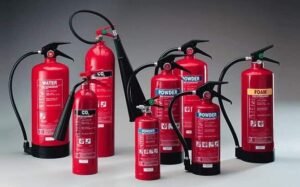
  • Dry Chemical Powder (DCP) – Popular for offices, homes, and schools. Needs annual inspection.

  • CO₂ Extinguishers – Effective for electrical fires; must be recharged after every use.

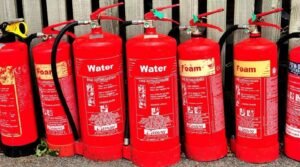
  • Foam Extinguishers – Often used in industrial or commercial settings. Require regular recharging.

  • Water-Based Extinguishers – Less common in Islamabad but still used in certain buildings.

Each type has specific requirements, and professional refilling ensures the right agent is used.

Fire Extinguisher Service in Islamabad – Why Go Professional?

You might think of fire extinguisher refill as a simple job, but it’s not something to do at home. Professional servicing ensures:

  • The right extinguishing agent is used.

  • Cylinders are tested for leaks and pressure.

  • Safety compliance with Pakistan’s fire safety regulations.

  • Accurate tagging and record-keeping for audits.

At Fire Safety Trading, the service team not only refills extinguishers but also guides you on correct placement, usage training, and maintenance schedules.

Fire Extinguisher Price in Islamabad

The fire extinguisher price in Islamabad varies depending on:

  • Size – Small 1kg extinguishers for homes are cheaper, while large industrial units cost more.

  • Type – CO₂ extinguishers are usually more expensive than DCP ones.

  • Brand & Quality – Certified brands cost more but are safer and longer lasting.

On average, refill costs are much lower than replacement costs. That’s why regular refilling makes economic sense.

How Often Should You Refill?

In Islamabad, the general rule is:

  • Immediately after use – No matter how little.

  • Every 12 months – Even if unused.

  • Hydrostatic Testing – Every 5–12 years, depending on the type.

Businesses in Islamabad are also required by law to keep extinguishers serviced and inspected regularly for workplace safety compliance.

Common Mistakes in Islamabad

  • Keeping old, expired extinguishers as backup.

  • Ignoring annual servicing.

  • Buying the cheapest option without certification.

  • Forgetting to train staff on how to use extinguishers.

These mistakes reduce the reliability of fire safety systems.

FAQs About Fire Extinguisher Refilling in Islamabad

1. How much does fire extinguisher refilling cost in Islamabad?

It depends on the type and size of the extinguisher, but generally refilling is much cheaper than buying a new one.

2. Can I refill my fire extinguisher myself?

No. Refilling requires proper equipment, pressurization tools, and safety checks. Always use a professional service.

3. How do I know if my extinguisher is expired?

Check the service tag or manufacturing date. If it’s more than 12 months since the last refill, it’s due for service.

4. Do new extinguishers also need servicing?

Yes. Even unused extinguishers should be checked annually to ensure pressure stability.

5. Where can I get fire extinguisher refilling in Islamabad?

You can contact Fire Safety Trading, a trusted provider offering professional refilling, servicing, and testing.

Where to Get Reliable Fire Extinguisher Refilling in Islamabad

Fire Safety Trading provides certified services for:

  • Fire extinguisher refilling and recharging

  • Fire extinguisher service and maintenance

  • New extinguishers at competitive prices

  • Safety audits and compliance checks

With years of experience serving homes, offices, and industries across Islamabad and Rawalpindi, they ensure your extinguishers are always in working condition.

Conclusion

A fire extinguisher is only useful if it works at the right time. Ignoring refilling and servicing can leave you unprotected when you need it most. For people and businesses in Islamabad, keeping extinguishers charged is not just a safety precaution but a responsibility.

The signs are clear—low pressure, broken seals, expired tags, or visible damage all mean it’s time for a recharge. By choosing a reliable provider for fire extinguisher refilling in Islamabad, you save money, ensure compliance, and most importantly, protect lives and property.

Instead of waiting for an emergency to discover your extinguisher doesn’t work, act today. Get your extinguishers inspected, refilled, and certified. Because when it comes to fire safety, prevention and preparedness always win.

What are the Basics of Fire Safety?

Fire safety involves practical steps to prevent fires, detect them early, and respond effectively when they occur. In places like Islamabad and Rawalpindi, where urban growth brings more buildings and industries, understanding these basics can save lives and property. Fires can start from simple causes like faulty wiring or unattended cooking, and knowing how to handle them makes a big difference in densely populated areas.

This guide covers the key aspects of fire safety in straightforward terms, focusing on what residents and businesses in Pakistan need to know. Whether you’re setting up a home, office, or factory, these principles apply universally. We’ll also touch on where to find reliable fire safety equipment, especially if you’re looking for options close by.

Understanding Fire Hazards in Everyday Life

Fires often stem from common risks that people overlook. In Pakistani households, kitchens pose a major threat due to gas stoves and open flames used for cooking. Electrical issues, such as overloaded sockets or old wiring, are another frequent culprit, particularly in older buildings around Rawalpindi’s markets or Islamabad’s residential sectors.

To minimize these dangers, start by identifying potential hotspots in your space. For instance, keep flammable materials like curtains or paper away from heat sources. In commercial settings, like shops in Saddar or offices in Blue Area, ensure that storage areas aren’t cluttered with combustible items. Regular checks on appliances and wiring can prevent many incidents. If you’re in a high-rise, pay attention to escape routes, as vertical structures can trap smoke quickly.

Awareness of seasonal factors matters too. During winters in Islamabad, heaters and bukhari stoves increase fire risks if not monitored. Simple habits, like turning off appliances when not in use and avoiding extension cords for heavy loads, go a long way.

Preventing Fires Through Smart Practices

Prevention forms the core of fire safety. It begins with proper installation of electrical systems. Hire qualified electricians to inspect and upgrade wiring, especially in areas prone to power fluctuations. In Rawalpindi’s industrial zones, factories should enforce no-smoking policies near chemicals or machinery.

For homes, teach family members about safe cooking. Never leave the stove unattended, and use timers as reminders. Install child-proof locks on gas valves if you have young kids. In schools or mosques, where large gatherings happen, clear pathways and avoid blocking exits with furniture or decorations.

Another key practice is handling flammable liquids carefully. Store petrol or cleaning agents in metal containers away from living areas. In workshops, use spark-proof tools around such substances. Community education plays a role here local authorities in Islamabad often run awareness campaigns, but personal responsibility ensures compliance.

Integrating technology helps too. Smart plugs that shut off power remotely can prevent forgotten irons or chargers from causing trouble. For businesses, fire-resistant materials in construction, like treated wood or non-flammable paints, add an extra layer of protection.

Early Detection: The Role of Alarms and Sensors

Detecting a fire early gives you precious time to act. Smoke detectors are essential devices that sense smoke particles and sound an alarm. Place them on ceilings in bedrooms, hallways, and kitchens, but not too close to stoves to avoid false alerts from cooking fumes.

In Pakistan, where power outages are common, opt for battery-operated or hardwired models with backup batteries. Carbon monoxide detectors are equally important, especially in homes using gas heaters, as this invisible gas can build up without notice.

For larger spaces like offices in F-8 or warehouses in I-9, heat detectors work well in areas with dust or steam, where smoke alarms might trigger unnecessarily. Test these devices monthly by pressing the button and replace batteries twice a year. Professional installation ensures they cover all zones effectively.

Modern systems connect to apps, sending alerts to your phone even if you’re away. This is handy for property owners in Rawalpindi who manage multiple sites. Combining detection with sprinklers automates response, suppressing fires before they spread.

Responding to a Fire: Steps to Stay Safe

If a fire breaks out, stay calm and follow a plan. First, alert everyone by shouting “fire” or activating alarms. Evacuate immediately using the nearest safe exit don’t waste time gathering belongings.

Use the PASS technique for small fires: Pull the pin, Aim at the base, Squeeze the handle, Sweep side to side. But only attempt this if the fire is contained and you have an escape route. In multi-story buildings, crawl low under smoke, as heat rises.

For families, create an evacuation plan with meeting points outside, like a neighbor’s gate or a street corner. Practice drills quarterly to build muscle memory. In crowded places like bazaars in Rawalpindi, head away from the source and avoid elevators.

Call emergency services right away dial 15 for police or 16 for fire brigade in Pakistan. Provide clear details: location, type of fire, and if anyone is trapped. After exiting, don’t re-enter; let professionals handle it.

Special considerations apply for vulnerable groups. Elderly or disabled individuals need assigned helpers during evacuations. In schools, teachers should account for all students at the assembly point.

Essential Fire Safety Equipment You Need

Having the right tools on hand turns potential disasters into manageable situations. Fire extinguishers come in types like ABC for general use, covering electrical, flammable liquids, and ordinary combustibles. Keep one in the kitchen, garage, and each floor of your building.

Blankets made of fire-resistant fabric smother small flames, ideal for clothing fires. Ladders provide escape from upper floors if stairs are blocked. For comprehensive protection, consider full kits that include gloves, masks, and first-aid supplies.

When sourcing these, look for quality products that meet international standards. In Islamabad and Rawalpindi, reliable fire safety equipment is available from local suppliers who understand regional needs. If you’re searching for fire safety equipment near me, options in areas like Commercial Market or Satellite Town offer convenience.

Hydrants and hoses are vital for larger properties, ensuring water access during emergencies. Portable pumps help in remote sites without municipal supply. Regular refills and checks keep extinguishers functional many suppliers provide this service.

For businesses, installing suppression systems in server rooms or kitchens prevents extensive damage. These use gases or foams to extinguish fires without water, protecting electronics.

Finding Reliable Suppliers in Your Area

Selecting a trustworthy provider ensures your equipment performs when needed. Safety equipment suppliers in Rawalpindi stock a range of items, from basic alarms to advanced systems. Look for those with certifications and positive reviews from local users.

Proximity matters for quick deliveries and servicing. Suppliers near Islamabad’s expressway or Rawalpindi’s GT Road can respond faster. They often offer consultations to assess your specific requirements, whether for a small shop or a large factory.

One such provider is Fire Safety Trading, which specializes in fire-fighting gear tailored for Pakistani conditions. Their inventory includes everything from portable extinguishers to complete suppression setups. Visiting their site gives a detailed fire-fighting equipment list, helping you choose based on your budget and space.

Ask about warranties and after-sales support. Good suppliers train users on equipment handling, boosting confidence. Comparing quotes from a few ensures value without compromising quality.

Maintenance and Training for Long-Term Safety

Equipment alone isn’t enough; upkeep and knowledge make it effective. Schedule annual inspections by certified technicians to check for leaks, corrosion, or expired agents in extinguishers.

Clean detectors from dust, common in dusty environments like Rawalpindi’s outskirts. Replace units every 10 years, as sensors degrade over time.

Training empowers people. Workshops on fire drills and equipment use build skills. In workplaces, mandatory sessions under labor laws ensure staff readiness. Community programs in mosques or schools spread knowledge wider.

Online resources from Pakistan’s Civil Defence offer free guides, but hands-on practice solidifies learning. Encourage reporting hazards promptly to prevent escalation.

Building a Culture of Fire Safety

Integrating these basics into daily routines fosters a safer environment. In urban centers like Islamabad and Rawalpindi, where construction booms, adhering to building codes with fire-resistant designs is crucial.

Government initiatives, like those from the Capital Development Authority, enforce standards, but individual actions amplify them. Share knowledge with neighbors to create resilient communities.

Ultimately, fire safety is about preparation and vigilance. By equipping yourself properly and staying informed, you reduce risks significantly.

If you’re ready to enhance your setup, check out Fire Safety Trading’s offerings. Their fire-fighting equipment list at https://firesafetytrading.com.pk/fire-fighting-equipment-list/ provides detailed options suited for local needs. Contact them for personalized advice staying protected starts with the right choices.

What is Fire Life Safety 101?

When people hear the word “fire safety,” many only think about fire extinguishers. But fire life safety is a much broader concept. It is about protecting people, property, and business operations from the risks of fire through a combination of knowledge, planning, and the right fire safety equipment. In simple words, fire life safety is the complete system of measures that keep a building, workplace, or home safe from the dangers of fire.

This guide, “Fire Life Safety 101,” explains the essentials in a clear and practical way for anyone living or working in Islamabad and Rawalpindi.

Why Fire Life Safety Matters

Every year, fire incidents cause major losses in Pakistan. From short circuits in offices to kitchen fires in homes, accidents often happen without warning. The real question is not whether a fire can occur but whether we are prepared for it. That is where fire life safety comes in.

In cities like Rawalpindi and Islamabad, where commercial and residential buildings are growing rapidly, the need for reliable safety equipment suppliers is greater than ever. Having access to proper fire safety equipment near me is not just a convenience, it is a responsibility.

The Basics of Fire Life Safety

Fire life safety can be understood in three simple stages:

  1. Prevention – Steps taken to reduce the chances of fire starting in the first place.

  2. Protection – Installing and maintaining fire safety equipment to control a fire if it breaks out.

  3. Preparedness – Training people so they know how to act quickly and safely during an emergency.

Let’s break these down.

Fire Prevention

Prevention is always the first line of defense. Faulty wiring, overloaded sockets, gas leaks, and careless handling of flammable materials are common causes of fire. Regular inspections, safe storage practices, and awareness sessions can make a huge difference.

For businesses in Islamabad and Rawalpindi, local authorities often recommend risk assessments. This ensures that potential fire hazards are identified early. A professional fire risk assessment by a trusted company like Fire Safety Trading can highlight weaknesses before they turn into disasters.

Fire Protection

Even with preventive measures, accidents can still happen. That is why protection is equally important. Protection means installing systems and tools that control fire before it spreads. Some of the key solutions include:

  • Fire Extinguishers – Essential for small and sudden fires. They come in different types for different fire classes, such as electrical fires, oil fires, or paper fires.

  • Smoke Detectors & Alarms – Early warning devices that save lives by alerting people before the fire spreads.

  • Fire Hose Reels & Sprinkler Systems – Installed in larger buildings to provide immediate water supply during emergencies.

  • Emergency Exit Signs & Lighting – Helps people safely evacuate even in smoke or darkness.

When you search for fire safety equipment near me in Rawalpindi or Islamabad, you’ll find that many suppliers provide these products. However, the key is to choose safety equipment suppliers in Rawalpindi who also offer professional installation and maintenance.

Preparedness and Training

Preparedness is about people. The best equipment in the world cannot save lives if people do not know how to use it. Regular fire drills, first aid training, and awareness sessions should be part of every school, office, and factory’s safety plan.

For example, knowing how to operate a fire extinguisher within seconds can stop a small incident from turning into a full-scale tragedy. Many organizations in Islamabad and Rawalpindi partner with professional trainers for this purpose.

Fire Safety Equipment in Islamabad and Rawalpindi

Access to reliable equipment is a big part of fire life safety. If you’re based in the twin cities, you should know the main categories of equipment and where to get them:

  1. Portable Fire Extinguishers – A must for every home, shop, and office.

  2. Fire Alarm Systems – Detect smoke and heat early.

  3. Suppression Systems – For sensitive areas like data centers or server rooms.

  4. Fire Hydrants & Hose Reels – For larger buildings, warehouses, and industries.

  5. Personal Safety Gear – Helmets, gloves, and fire-resistant clothing for workers.

In Rawalpindi, many businesses and homeowners prefer working with Fire Safety Trading, a company that not only supplies these items but also ensures that installation and maintenance are done according to international standards.

Choosing the Right Safety Equipment Supplier in Rawalpindi

Not all suppliers offer the same level of service. When selecting a partner for fire life safety, keep these points in mind:

  • Product Quality – Make sure the equipment meets recognized safety standards.

  • After-Sales Support – Fire equipment needs regular servicing and refilling.

  • Local Presence – A supplier based in Islamabad or Rawalpindi can respond faster during emergencies.

  • Expert Guidance – A professional supplier will recommend the right products for your specific needs, not just what is in stock.

This is why many organizations trust Fire Safety Trading as one of the leading safety equipment suppliers in Rawalpindi.

Fire Life Safety for Homes vs. Businesses

The basics of fire life safety apply everywhere, but the requirements can be different:

  • Homes – Smoke alarms in kitchens and corridors, fire extinguishers for small fires, and clear exit paths are usually enough.

  • Small Offices – Fire extinguishers, basic alarms, and employee training are necessary.

  • Factories & Large Buildings – Advanced suppression systems, hydrants, hose reels, and professional risk assessments are essential.

Whether you are a homeowner in Islamabad or running a factory in Rawalpindi, the principles remain the same: prevention, protection, and preparedness.

Building a Safer Future in Pakistan

Fire life safety is not just about ticking boxes for compliance. It is about creating a culture where safety comes first. In fast-growing cities like Islamabad and Rawalpindi, more high-rise buildings and industries are coming up every year. With this growth comes the responsibility to ensure that fire safety standards are not compromised.

By choosing reliable fire safety equipment, working with trusted safety equipment suppliers in Rawalpindi, and promoting awareness, we can reduce fire risks significantly. It is not only about saving property but also about protecting lives and securing the future of communities.

Final Thoughts

Fire Life Safety 101 is simple: prevent what you can, protect with the right equipment, and prepare people to act quickly. Whether you are searching for fire safety equipment near me for your home or exploring options for your business in Rawalpindi, the key is to work with professionals who understand both the risks and the solutions.

In Pakistan, companies like Fire Safety Trading are helping people take fire safety seriously by providing reliable products and expert services in Islamabad and Rawalpindi. With the right approach, we can all play a role in building safer homes, safer businesses, and safer cities.

What are the Key Points of Fire Safety?

Fire is one of the most common hazards that can damage property, threaten lives, and disrupt businesses in Pakistan. In cities like Islamabad and Rawalpindi, where commercial areas, offices, and residential buildings are growing rapidly, fire safety is no longer an option but a necessity. Understanding the key points of fire safety helps individuals, families, and organizations stay prepared for emergencies while also meeting local safety standards.

Why Fire Safety Matters

Every year, accidental fires cause significant losses in homes, offices, and industries. Most of these incidents could be controlled or avoided if proper fire safety equipment and preventive measures were in place. The goal of fire safety is not only to stop fires but also to reduce the risks before they turn into emergencies. Whether you are a homeowner or a business manager, knowing the right steps to take can save lives and protect property.

Key Points of Fire Safety

1. Recognizing Fire Hazards Early

The first step in fire safety is identifying what could start a fire. In homes, common risks include unattended cooking, faulty electrical wiring, and candles. In offices and industrial areas, overloaded circuits, flammable chemicals, and smoking areas are frequent hazards. By checking these sources regularly, you can lower the chances of fire before it begins.

2. Installing Reliable Fire Safety Equipment

No fire safety plan is complete without proper tools. Fire extinguishers, smoke detectors, fire alarms, and sprinkler systems are essential in both residential and commercial spaces. If you are searching for fire safety equipment near me in Islamabad or Rawalpindi, make sure you choose suppliers who provide certified products. Reliable equipment ensures quick action during the first few minutes of a fire, which is often the difference between a minor incident and a major disaster.

3. Choosing the Right Safety Equipment Suppliers in Rawalpindi

Buying fire extinguishers or alarms from uncertified sources can put your safety at risk. Reputable safety equipment suppliers in Rawalpindi not only provide quality products but also guide customers about installation and usage. Always check whether the supplier offers after-sales service, refilling for fire extinguishers, and testing facilities. This ensures your equipment will work when needed.

4. Fire Extinguishers and Their Proper Use

Many people purchase fire extinguishers but never learn how to use them. This reduces their effectiveness in real emergencies. A basic understanding of different extinguishers water, foam, CO₂, and powder types helps you match the right one with the fire you may face. For example, a CO₂ extinguisher is ideal for electrical fires, while foam is better for flammable liquids. Regular training sessions in offices and workshops are essential so that staff members feel confident during emergencies.

5. Regular Maintenance of Fire Safety Systems

Buying equipment once is not enough. Fire alarms, smoke detectors, and extinguishers need regular testing and maintenance. In Pakistan, many businesses overlook this step, which weakens their fire safety plan. Schedule routine checks, refill extinguishers on time, and replace faulty alarms immediately. This habit ensures that your safety system will respond properly when a fire breaks out.

6. Clear Emergency Exits and Evacuation Routes

In many buildings across Islamabad and Rawalpindi, emergency exits are blocked with furniture or storage. This is a serious risk. Fire safety means keeping escape routes open and clearly marked at all times. During an emergency, confusion and panic can cause injuries, so having visible signs and practiced evacuation drills can save lives.

7. Fire Safety Training for Everyone

Fire safety is not just the responsibility of the building owner or management. Every individual whether at home, school, or workplace should know basic fire safety rules. This includes knowing how to raise an alarm, use an extinguisher, and evacuate safely. Regular fire drills build confidence and reduce panic when real emergencies occur.

8. Safe Handling of Electrical Equipment

Electrical fires are among the most common causes of fire incidents in Pakistan. Simple measures like avoiding overloading sockets, repairing damaged wiring, and using circuit breakers can reduce risks significantly. Offices and factories should hire certified electricians for installations and regular inspections.

9. Proper Storage of Flammable Materials

Chemicals, paints, and fuels should be stored away from heat sources and electrical panels. Many industrial fires in Rawalpindi have been linked to poor storage practices. Using labeled containers, proper ventilation, and safety cabinets reduces the chances of accidental ignition.

10. Role of Fire Safety in Workplaces

Businesses in Islamabad and Rawalpindi are legally required to maintain fire safety standards. Beyond legal compliance, a strong fire safety plan protects employees and builds trust with clients. It also minimizes downtime and financial loss in case of an incident. For companies, this is both a safety measure and a smart investment.

11. Coordination with Local Authorities

Fire emergencies require quick response. Establishing contact with local fire brigades and knowing emergency numbers can make a big difference. Many businesses in Pakistan now partner with local fire departments for training and safety audits, ensuring they meet international safety standards.

12. Personal Responsibility in Fire Safety

While equipment and systems are essential, personal responsibility is just as important. Simple actions like turning off gas stoves, unplugging appliances, and avoiding careless smoking can prevent accidents at home. Fire safety begins with awareness and small daily habits.

Fire Safety in Islamabad and Rawalpindi

As urban areas continue to grow, so does the risk of fire-related incidents. In Islamabad, high-rise buildings and commercial centers need advanced safety systems, while in Rawalpindi, old structures with outdated wiring present different challenges. By investing in reliable fire safety equipment and working with trusted safety equipment suppliers in Rawalpindi, residents and businesses can take control of their safety.

Conclusion

Fire safety is a shared responsibility that requires awareness, the right equipment, and consistent practice. By recognizing hazards, installing reliable tools, keeping evacuation routes clear, and training individuals, you create a safer environment for everyone. If you are based in Islamabad or Rawalpindi, make sure you work with professional suppliers who provide not just products but also guidance and support. A small step today in improving fire safety can prevent a major disaster tomorrow.

What Are the Types of Safety Equipment? A Complete Guide to Workplace & Personal Protection

Imagine working in a busy construction site without a helmet, handling chemicals without gloves, or entering a fire-prone zone without extinguishers. Risky, right? Safety equipment exists for one reason to protect lives and reduce hazards. Whether at work, on the road, or even at home, safety equipment plays a vital role in preventing accidents and saving lives.

From personal protective equipment (PPE) like helmets and gloves to fire safety tools like extinguishers and alarms, every category of safety equipment has a specific function. Knowing the types of safety equipment not only helps organizations stay compliant with laws but also empowers individuals to safeguard themselves in daily life.

This article provides a complete guide on what safety equipment is, why it matters, its different types, and how to choose the right gear for different needs.

Why Safety Equipment Matters

Workplace accidents, home fires, and road mishaps are more common than we think. According to the International Labour Organization (ILO), more than 2.3 million people die annually from work related accidents or diseases, and millions more suffer injuries. Most of these tragedies could have been prevented with proper safety measures and protective gear.

For businesses, safety equipment ensures compliance with Occupational Safety and Health (OSH) standards, reduces liability, and boosts employee confidence. For individuals, it minimizes personal risks whether driving, cooking at home, or working in hazardous environments.

In short, safety equipment isn’t just about regulations, it’s about saving lives, reducing injuries, and creating safer communities.

Types of Safety Equipment

Safety equipment can be divided into broad categories based on the nature of protection they provide. Below are the main types explained in detail:

1. Personal Protective Equipment (PPE)

Personal Protective Equipment (PPE) refers to gear worn by individuals to minimize exposure to risks. PPE is one of the most common and essential forms of safety equipment used across industries.

Examples of PPE

  • Helmets & Hard Hats: Protect against head injuries from falling objects.

  • Safety Glasses & Goggles: Prevent eye injuries from dust, sparks, or chemicals.

  • Gloves: Provide protection against cuts, burns, and chemicals.

  • Ear Protection: Earplugs or earmuffs protect against loud noises.

  • Respirators & Masks: Shield workers from dust, toxic fumes, and infectious particles.

  • Safety Boots: Prevent foot injuries with steel-toe reinforcement and slip resistance.

  • High-Visibility Clothing: Reflective vests and jackets for better visibility in low-light conditions.

Why it matters: PPE serves as the first line of defense for workers and is mandatory in construction, healthcare, manufacturing, and chemical industries.

2. Fire Safety Equipment

Fire is one of the deadliest hazards. Fire safety equipment is designed to detect, control, and extinguish fires before they escalate.

Examples of Fire Safety Equipment

  • Fire Extinguishers: Available in types such as water, foam, CO₂, and dry powder for different classes of fire.

  • Fire Alarms & Smoke Detectors: Detect smoke or fire early and raise alarms.

  • Fire Blankets: Smother small fires, especially in kitchens.

  • Sprinkler Systems: Automatic fire suppression systems in commercial buildings.

  • Emergency Exit Signs & Lighting: Guide people safely during evacuations.

Why it matters: Quick fire detection and response can mean the difference between a minor incident and a devastating tragedy.

3. First Aid & Medical Safety Equipment

Accidents can happen anywhere, and immediate medical response can save lives. First aid equipment helps stabilize patients before professional medical help arrives.

Examples of First Aid Equipment

  • First Aid Kits: Contain bandages, antiseptics, pain relievers, and basic medical supplies.

  • Stretchers: Used to transport injured individuals safely.

  • Defibrillators (AEDs): Save lives in cases of cardiac arrest.

  • Eye Wash Stations: Provide emergency rinsing for chemical exposure.

Why it matters: First aid safety gear is crucial in workplaces, schools, vehicles, and public spaces to provide immediate response during emergencies.

4. Road Safety Equipment

Road accidents are among the leading causes of death globally. Road safety equipment reduces risks for drivers, passengers, and pedestrians.

Examples of Road Safety Equipment

  • Seatbelts & Airbags: Minimize injury during collisions.

  • Traffic Cones & Barriers: Control traffic flow during construction or emergencies.

  • Reflective Road Signs: Provide warnings and directions to drivers.

  • High-Visibility Jackets: Essential for traffic police or roadside workers.

  • First Aid & Fire Extinguishers in Vehicles: Provide immediate emergency response.

Why it matters: Road safety gear ensures compliance with traffic regulations and protects lives during accidents.

5. Electrical Safety Equipment

Electricity-related accidents can be fatal. Electrical safety equipment ensures protection from shocks, burns, and fire hazards.

Examples of Electrical Safety Equipment

  • Insulated Gloves & Tools: Protect electricians from electric shocks.

  • Voltage Detectors: Ensure circuits are safe to work on.

  • Circuit Breakers & Fuses: Prevent overload and electrical fires.

  • Lockout/Tagout Devices: Secure machines during maintenance.

Why it matters: In industries where electricity is heavily used, electrical safety gear is non-negotiable.

6. Chemical Safety Equipment

Industries that handle chemicals require specialized safety gear to prevent toxic exposure and accidents.

Examples of Chemical Safety Equipment

  • Chemical-Resistant Gloves & Aprons: Protect skin from burns and reactions.

  • Safety Showers & Eyewash Stations: Emergency decontamination tools.

  • Fume Hoods: Prevent inhalation of toxic vapors.

  • Spill Kits: Control accidental chemical spills.

Why it matters: Without proper chemical safety measures, workers risk severe burns, poisoning, or long-term health issues.

7. Fall Protection Equipment

For workers at heights, falls are one of the most common causes of workplace fatalities. Fall protection equipment ensures safety in such situations.

Examples of Fall Protection Equipment

  • Safety Harnesses & Lanyards: Prevent falls from height.

  • Guardrails & Safety Nets: Provide physical barriers to reduce risks.

  • Anchor Points: Secure attachment systems for harnesses.

Why it matters: In construction, maintenance, and window cleaning industries, fall protection gear saves countless lives.

Tips for Choosing the Right Safety Equipment

When selecting safety gear, consider the following:

  1. Understand the Risks: Identify hazards in your environment (fire, chemical, electrical, etc.).

  2. Choose Certified Products: Look for equipment that meets international safety standards (like OSHA, ISO, or NFPA).

  3. Train Users: Even the best equipment is useless without proper training.

  4. Maintain Regularly: Inspect and replace damaged or expired equipment.

  5. Balance Cost & Quality: While affordable solutions are tempting, safety should never be compromised.

Advantages of Using Safety Equipment

  • Prevents Injuries & Fatalities: The primary purpose of safety gear.

  • Boosts Productivity: Workers feel more confident in safe environments.

  • Ensures Legal Compliance: Helps avoid penalties and lawsuits.

  • Reduces Financial Losses: Prevents downtime and costly accidents.

Possible Challenges (Disadvantages) of Safety Equipment

  • Initial Investment Cost: High-quality gear can be expensive.

  • Compliance Issues: Some workers may avoid wearing PPE due to discomfort.

  • Maintenance Costs: Regular inspections and replacements are necessary.

However, these disadvantages are minimal compared to the life-saving benefits of safety equipment.

Conclusion

Safety equipment is not just a formality, it’s a lifesaving necessity in homes, workplaces, roads, and industries. From personal protective equipment (PPE) to fire safety, medical, and road safety tools, every category serves a unique role in preventing accidents and ensuring well-being.

Whether you’re an employer aiming for compliance, a worker ensuring personal safety, or an individual concerned about home security, choosing the right safety equipment is an investment in life itself.

Takeaway Message: Never compromise on safety. The right equipment today can prevent a tragedy tomorrow.

What Are the Fire Safety Equipment? (Complete 2025 Guide)

Fire accidents are unpredictable, fast-spreading, and often devastating. In just a few minutes, an uncontrolled fire can damage property, endanger lives, and cause financial losses. This is why fire safety equipment plays a crucial role in protecting people and minimizing risks. From simple smoke detectors at home to advanced fire suppression systems in industries, these tools are designed to detect, control, and extinguish fires effectively.

In this article, we will explore what fire safety equipment is, why it is essential, the different types available, and how they contribute to overall fire protection. Whether you’re a homeowner, business owner, or safety officer, understanding this equipment can literally save lives.

Why Fire Safety Equipment Matters

Fires are one of the most common emergencies worldwide. According to the National Fire Protection Association (NFPA), residential fires account for thousands of deaths and billions of dollars in damages every year. Most of these incidents could have been reduced or prevented with proper fire safety tools.

In Pakistan and across the globe, fire safety laws and building codes now require organizations, offices, and even residential complexes to maintain certain firefighting equipment. Having the right equipment is not just about legal compliance, it’s about protecting your loved ones, employees, and property.

Main Types of Fire Safety Equipment

Fire safety equipment can be broadly divided into detection, suppression, and protection tools. Below, we’ll explore each category in detail.

1. Fire Extinguishers

Perhaps the most well-known tool, fire extinguishers are portable devices used to put out small fires. They come in various types, each designed for specific fire classes:

  • Water Extinguishers: For Class A fires (wood, paper, cloth).

  • CO₂ Extinguishers: Best for electrical fires.

  • Foam Extinguishers: Effective against flammable liquids.

  • Dry Powder Extinguishers: Multipurpose, covering several fire types.

Example: A small electrical spark in an office can be quickly controlled using a CO₂ fire extinguisher, preventing it from spreading into a major incident.

2. Fire Alarms & Smoke Detectors

Early warning saves lives. Smoke detectors and fire alarm systems alert occupants as soon as smoke or heat is detected. These alarms can be:

  • Ionization Smoke Alarms: Detect fast-flaming fires.

  • Photoelectric Alarms: Better for smoldering fires.

  • Combined Alarms: Provide all around detection.

Most commercial buildings are required to have fire alarm systems connected to sprinklers for maximum safety.

3. Fire Sprinkler Systems

A fire can double in size every minute. Automatic sprinkler systems release water immediately when high heat is detected, suppressing flames before they spread. Research shows that sprinkler systems reduce fire-related deaths by up to 80%.

4. Fire Hose Reels & Hydrants

These are essential in large buildings, factories, and public spaces. Fire hose reels provide a continuous water supply, while hydrants allow firefighters to connect their hoses for stronger water pressure.

5. Fire Blankets

A fire blanket is a simple yet effective tool, often used in kitchens. It can smother small flames, especially grease fires, by cutting off oxygen supply.

6. Emergency Exit Signs & Lighting

During a fire, panic and darkness can make evacuation difficult. Emergency lights and glowing exit signs guide people safely out of the building, reducing the risk of stampedes or being trapped.

7. Fire Suppression Systems

In high-risk industries such as server rooms, oil refineries, and chemical plants, water may not be suitable for firefighting. Instead, gas based suppression systems (FM-200, Inergen, CO₂) or foam systems are installed.

8. Personal Protective Equipment (PPE)

Firefighters and rescue teams use specialized gear such as:

  • Fire-resistant suits

  • Helmets & gloves

  • Respiratory masks

This equipment ensures they can safely fight fires and rescue victims.

Tips for Choosing the Right Fire Safety Equipment

  • Assess Risks: Different environments require different tools. A kitchen may need a fire blanket, while an office requires CO₂ extinguishers.

  • Compliance Check: Follow local fire safety regulations in your city or country.

  • Quality Matters: Always choose certified equipment from trusted suppliers.

  • Regular Maintenance: Fire extinguishers should be refilled annually and alarms tested monthly.

  • Employee Training: Even the best equipment is useless if people don’t know how to use it.

Advantages of Fire Safety Equipment

  • Prevents fire escalation before firefighters arrive.

  • Protects human lives by providing early warning and escape assistance.

  • Minimizes property damage and financial losses.

  • Legal compliance ensures businesses avoid penalties.

  • Peace of mind knowing that safety measures are in place.

Common Mistakes to Avoid

  • Neglecting regular inspection and servicing.

  • Placing extinguishers in hidden or hard to reach areas.

  • Using the wrong extinguisher type for a fire.

  • Failing to train staff and family members on emergency response.

Conclusion

Fires may be unpredictable, but they don’t have to be unstoppable. With the right fire safety equipment, from extinguishers and alarms to sprinklers and hydrants, you can safeguard lives, property, and peace of mind.

Remember: safety is an investment, not an expense. Take proactive steps today by equipping your home, office, or business with reliable fire safety tools, and ensure they are regularly maintained.

 If you are in Pakistan, especially in cities like Islamabad, Lahore, or Karachi, consult a professional fire safety service provider to get the right equipment and training for your needs.