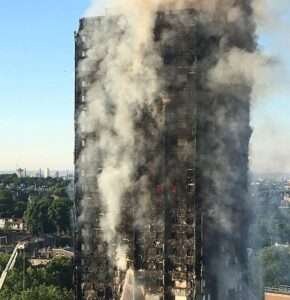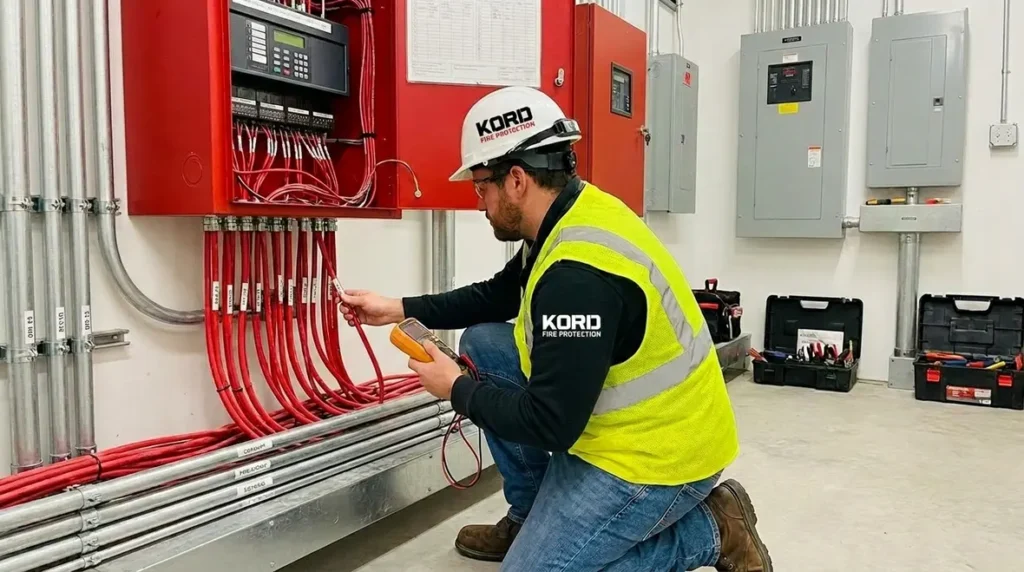
Electricity is essential in modern homes, offices, shops, factories, and commercial buildings across Pakistan. It powers lighting, computers, air conditioners, machinery, kitchen appliances, communication equipment, and countless other devices. Although electricity makes everyday activities easier, poorly maintained electrical installations and unsuitable equipment can create serious fire risks.
Electrical fires can cause significant damage to buildings, equipment, stock, and personal belongings. More importantly, they can put employees, customers, residents, and visitors in danger. Faulty wiring, overloaded sockets, damaged appliances, and neglected maintenance are among the concerns that property owners should take seriously.
Electrical fire safety is not simply about purchasing an extinguisher or installing an alarm. It involves understanding potential hazards, choosing suitable safety equipment, arranging professional inspections, and ensuring that everyone knows how to respond during an emergency.
For buyers in Pakistan, selecting appropriate fire safety products can be challenging because different properties have different requirements. A small office, residential building, shopping mall, and industrial facility may need different protection arrangements.
This buyer’s guide explains what to consider before purchasing electrical fire safety equipment, how to assess product quality, and why professional advice is important. It also highlights the role of a suitable fire alarm system in protecting people and property.
1. Understand the Common Causes of Electrical Fires
Before buying electrical fire safety equipment, it is important to understand the hazards that may exist in a building.
Electrical fires can occur in residential, commercial, and industrial environments. Some problems develop gradually because equipment is old or poorly maintained, while others may arise from damaged appliances or unsuitable electrical installations.
Faulty or damaged wiring
Electrical wiring should be installed and maintained according to applicable standards. Damaged insulation, deteriorated cables, poor-quality components, and neglected electrical installations can create dangerous conditions.
Property owners should arrange regular inspections by qualified electricians. Any visible damage, unusual heating, or other electrical concern should receive professional attention.
Overloaded sockets and extension boards
Connecting too many appliances to a socket or extension board can create excessive electrical demand. This may cause overheating and increase fire risk.
NEPRA advises the public not to overload electrical switches, sockets, and plugs. It also recommends regular inspection of internal wiring by licensed electricians.
Extension boards should be suitable for their intended use and should never become a permanent replacement for properly installed electrical outlets.
Poor-quality electrical appliances
Low-quality or damaged electrical products may not provide the protection expected from properly manufactured equipment.
Buyers should pay attention to product specifications, manufacturer information, safety documentation, and suitability for the intended application.
Appliances that show signs of damage or abnormal operation should not be ignored.
Neglected electrical maintenance
Electrical installations need professional attention over time. Changes in building use, additional equipment, renovations, and ageing components may affect the safety of an existing installation.
Regular inspections help identify concerns that might otherwise remain unnoticed.
Understanding these hazards makes it easier to choose suitable fire prevention and protection measures.
2. Check Your Building’s Electrical Safety Requirements
Every property has different electrical requirements. Before purchasing fire safety equipment, buyers should consider the type of building, its electrical load, the number of occupants, and the activities taking place inside it.
Residential properties
Homes may contain air conditioners, refrigerators, washing machines, televisions, computers, kitchen appliances, and charging equipment.
Homeowners should make sure electrical installations are suitable for household demand and are inspected when necessary by qualified professionals.
Smoke alarms and suitable fire detection arrangements should also be considered as part of the home’s overall safety plan.
Offices and commercial buildings
Offices often contain computers, printers, lighting systems, air conditioners, networking equipment, and other electrical devices.
Commercial buildings may also have shared electrical rooms, backup power arrangements, and equipment that requires specialist maintenance.
Building managers should arrange professional assessments and ensure that emergency exits and fire protection equipment remain accessible.
Industrial facilities
Factories and workshops may use machinery, motors, electrical control systems, and specialised equipment.
These environments can require more detailed electrical and fire risk assessments. Qualified engineers and fire safety professionals should determine the appropriate protection arrangements.
Consider the number of occupants
The number of people using a building influences its emergency planning needs.
A busy shopping centre or office building may require more extensive warning and evacuation arrangements than a small private property.
The building’s layout, accessibility, occupancy, and applicable regulations should all be considered before equipment is selected.
3. Choose a Suitable Fire Alarm System
A fire alarm system is an important part of a building’s fire protection arrangements. It helps alert occupants when a fire-related condition is detected, allowing them to follow the emergency plan.
For buyers considering a Fire alarm system in Pakistan, the most important step is to select a system that matches the building’s design and safety requirements.
Understand the main components
A fire alarm system may include several devices working together.
Smoke detectors: These detect smoke under suitable environmental conditions and send information to the alarm system.
Heat detectors: These detect temperature changes and may be suitable for locations where smoke detection is not the most appropriate option.
Manual call points: These allow occupants to activate an alarm when they notice an emergency.
Alarm sounders: These provide audible warnings to people inside the building.
Visual warning devices: These provide visible alerts where additional warning methods are needed.
Control panels: These receive information from connected devices and manage the system’s functions.
The equipment required depends on the building’s size, layout, use, and environmental conditions.
Consider the type of building
A small office may require a different system from a multi-storey commercial building or industrial facility.
The design should account for ceiling height, room layout, occupancy, background noise, and the needs of people who may require visual warnings.
A qualified fire safety professional should assess the property before a system is selected.
Ask about installation and maintenance
A fire alarm system should be professionally designed, installed, tested, and maintained.
Before purchasing, ask the supplier:
– Is installation included in the quotation?
– Are the products supported by technical documentation?
– Who will carry out testing and commissioning?
– Is routine maintenance available?
– Are replacement components available?
– What warranty is provided?
A low-cost system may not be suitable if installation and after-sales support are inadequate.
4. Check the Quality of Electrical Fire Safety Products
Product quality should be a major consideration when buying fire safety equipment.
A product’s appearance or advertised features do not necessarily prove that it is suitable for a particular building.
Buyers should request relevant technical information before making a decision.
Review product specifications
Product documentation should clearly identify:
– Manufacturer and product model.
– Intended application.
– Technical specifications.
– Applicable standards.
– Testing or certification information, where relevant.
– Installation instructions.
– Maintenance requirements.
– Warranty conditions.
The documentation should relate to the actual equipment being supplied.
Look for appropriate certification
Different types of fire safety products may be assessed under different standards.
Buyers should confirm which standards apply to the product and whether the supplied documentation is genuine and relevant.
A supplier should be able to explain the product’s intended use and any important limitations.
Consider environmental conditions
Equipment must be suitable for its installation environment.
For example, an industrial area may have different dust, temperature, moisture, and operating conditions from a typical office.
A professional assessment can help determine whether a product is appropriate for the location.
Avoid purchasing based only on price
The cheapest product is not necessarily the best investment.
Buyers should compare product quality, documentation, installation support, maintenance availability, and expected service life.
A reliable purchasing decision considers the total cost of ownership rather than only the initial price.
5. Understand the Importance of Suitable Fire Extinguishers
Fire extinguishers are part of many building fire protection plans. However, not every extinguisher is suitable for every type of fire.
Electrical hazards require particular care because using an unsuitable extinguishing agent can create additional danger.
Understand extinguisher suitability
Extinguishers are designed for different fire classifications and applications. Product labels identify the types of fires for which an extinguisher is approved.
For buildings containing electrical equipment, the selection should be based on a professional assessment of the electrical hazards and the equipment involved.
Buyers should never assume that an extinguisher is suitable for electrical fires simply because it is available in a particular size or colour.
Consider the location
The number and placement of extinguishers depend on the building’s layout, occupancy, hazards, and applicable requirements.
Equipment should be clearly identified, accessible, and maintained.
It should not be hidden behind furniture, stock, or other materials.
Check inspection and servicing support
Before purchasing, ask whether the supplier provides maintenance and inspection services.
Buyers should understand the equipment’s inspection requirements, service life, pressure indicators where applicable, and maintenance documentation.
Only appropriately trained and authorised personnel should carry out specialised servicing.
During an electrical fire, occupants should not put themselves at risk by attempting to fight it. Their priority should be to raise the alarm, evacuate, and contact emergency services from a safe location.
Water should never be used on an electrical fire while electrical equipment may remain energised.
6. Verify the Supplier Before Making a Purchase
A reliable supplier should provide clear product information and appropriate support.
Buyers should not assume that every business advertising fire safety equipment has the qualifications needed to design or install a complete fire protection system.
Ask about professional experience
Ask whether the supplier has experience with the type of property involved.
For example, residential alarm installations may have different requirements from industrial fire protection systems.
A knowledgeable supplier should be able to explain product specifications, intended applications, limitations, and maintenance needs.
Check business and technical credentials
Before purchasing, consider verifying:
– Business registration where applicable.
– Relevant professional qualifications.
– Manufacturer authorisation where claimed.
– Product documentation.
– Previous project experience.
– Installation expertise.
– After-sales service arrangements.
For complex systems, buyers should seek advice from qualified fire safety engineers or other appropriately competent professionals.
Request a detailed quotation
A written quotation should explain exactly what is included.
It may identify:
– Equipment name and model.
– Quantity and specifications.
– Installation charges.
– Testing and commissioning.
– Maintenance arrangements.
– Warranty details.
– Additional service costs.
Comparing quotations helps buyers understand the value being offered by different suppliers.
7. Understand Electrical Fire Safety Standards in Pakistan
Electrical and fire safety should be considered alongside the relevant standards and building requirements.
Pakistan has national references that help guide building safety and electrical practices.
Building Code of Pakistan Fire Safety Provisions 2016
The Building Code of Pakistan Fire Safety Provisions 2016 is an important national reference for fire prevention, life safety, and building fire protection.
Chapter 7 includes a section on electrical fire safety. It addresses permanent and temporary electrical appliances, wiring, fixtures, equipment, extension cords, and related matters.
Among other provisions, it states that new electrical wiring, fixtures, appliances, and equipment should be installed in accordance with NFPA 70 or another approved code or standard.
It also addresses the appropriate use of multiplug adapters and extension cords.
NEPRA public safety guidance
The National Electric Power Regulatory Authority provides electrical safety advice for the public.
Its guidance includes:
– Arranging regular internal wiring inspections through licensed electricians.
– Avoiding overloaded sockets and switches.
– Not attempting electrical repairs without qualified assistance.
– Using appropriate wiring arrangements.
– Keeping electrical equipment away from water and other unsuitable conditions.
– Avoiding exposed or loose electrical connections.
These recommendations highlight the importance of professional electrical maintenance and responsible equipment use.
Check local requirements
The exact requirements for a building may depend on its location, type, size, occupancy, and the relevant authority.
Property owners should consult the appropriate building control authority and qualified professionals when planning new installations, renovations, or changes to existing electrical systems.
Compliance should be treated as an ongoing responsibility rather than a one-time formality.
8. Consider Maintenance, Warranty, and Long-Term Costs
Buying suitable fire safety equipment is only the beginning. Equipment needs ongoing attention to remain reliable.
Before making a purchase, buyers should understand the maintenance and support arrangements.
Review the warranty
Ask the supplier to explain:
– How long the warranty lasts.
– Which components are covered.
– What conditions may invalidate it.
– Who provides repairs.
– Whether replacement parts are available.
– What documentation is needed for warranty claims.
Written warranty information is preferable to verbal assurances.
Plan routine inspections
Different products have different inspection and servicing requirements.
Fire alarm systems, smoke detectors, extinguishers, emergency lighting, and other equipment should be maintained according to manufacturer instructions, applicable standards, and local requirements.
Building managers should keep accurate records of inspections and maintenance.
Review equipment after building changes
A property may change over time.
Renovations, additional electrical equipment, new machinery, changes in occupancy, and alterations to the building layout may affect the suitability of existing safety systems.
A professional review can help determine whether the fire protection arrangements still meet the building’s needs.
9. Know What to Do During an Electrical Fire Emergency
Purchasing safety equipment is important, but everyone in a building should also understand basic emergency procedures.
Electrical fires can develop quickly and may involve smoke, heat, and continuing electrical hazards.
If an electrical fire or suspected electrical fire occurs:
1. Raise the alarm and alert people nearby.
2. Leave the affected area using a safe exit.
3. Do not touch damaged electrical equipment or exposed wiring.
4. Do not use water on equipment that may still be energised.
5. Contact emergency services from a safe location.
6. Do not re-enter the building until the responsible authorities say it is safe.
People should not attempt electrical repairs or investigate a suspected fault during an emergency.
For workplaces, management should make sure employees know the evacuation procedure and understand their responsibilities.
Common Mistakes to Avoid When Buying Electrical Fire Safety Equipment
Some purchasing mistakes can reduce the effectiveness of a building’s fire protection arrangements.
1. Buying without a professional assessment: Equipment should match the property’s actual risks.
2. Ignoring product documentation: Buyers should request relevant specifications and safety information.
3. Choosing equipment only because it is cheap: Quality and long-term support matter.
4. Overlooking installation: Specialised equipment should be installed by competent professionals.
5. Ignoring maintenance: Detection and firefighting equipment requires appropriate servicing.
6. Using unsuitable extinguishers: Equipment must be approved for the relevant fire hazards.
7. Neglecting electrical inspections: Wiring and installations should receive qualified professional attention.
8. Forgetting emergency planning: Warning systems must work alongside clear evacuation arrangements.
Avoiding these mistakes helps businesses and homeowners make better safety decisions.
A Practical Electrical Fire Safety Buying Checklist
Before purchasing electrical fire safety equipment, use this checklist as a starting point:
– [ ] The building’s electrical and fire risks have been assessed.
– [ ] Internal wiring has been inspected where necessary.
– [ ] The equipment is suitable for the building’s intended use.
– [ ] Product specifications are available.
– [ ] Relevant standards and certification documents have been checked.
– [ ] The supplier can explain the product’s limitations.
– [ ] Professional installation is available where required.
– [ ] Maintenance and servicing arrangements are clear.
– [ ] Warranty conditions are documented.
– [ ] Suitable fire detection and warning arrangements are in place.
– [ ] Firefighting equipment is appropriate for the identified hazards.
– [ ] Emergency exits and evacuation procedures are reviewed.
– [ ] Inspection and maintenance records will be maintained.
This checklist is a general guide. It does not replace a professional electrical inspection or fire risk assessment.
Conclusion
Electrical fire safety is essential for homes, offices, shops, factories, and commercial buildings. Faulty wiring, overloaded sockets, damaged appliances, and neglected maintenance can create serious risks if they are not addressed appropriately.
Before buying fire safety equipment, buyers should understand the building’s requirements, compare product specifications, check supplier credentials, and arrange professional installation and maintenance.
A suitable fire alarm system, appropriate extinguishers, reliable detection equipment, and regular electrical inspections can contribute to a safer property. However, these measures must work together with responsible electrical use, clear emergency procedures, and proper staff or household awareness.
For people and busi