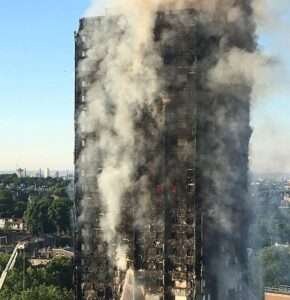
Fireworks are commonly associated with celebrations, weddings, festivals, public events, and special occasions in Pakistan. While they may be part of traditional celebrations, fireworks also present serious safety concerns. Their use can lead to fires, injuries, property damage, and disruption to surrounding communities.
For this reason, event organisers, venue managers, and businesses should take fire safety seriously whenever fireworks are part of an event. Having suitable safety arrangements is important, but choosing the right equipment and professional support also requires careful consideration.
Before purchasing fire safety equipment for an event involving fireworks, buyers should understand the venue’s risks, applicable legal requirements, equipment quality, maintenance arrangements, and emergency procedures.
It is also important to remember that fireworks are not ordinary event decorations. Their handling and use may be restricted by local laws and public safety regulations. They should never be handled by children or untrained individuals. Event organisers should consult the relevant authorities and use appropriately authorised professionals where permitted.
A fire alarm system, suitable detection arrangements, emergency exits, and trained venue staff can contribute to a safer environment. However, no single piece of equipment can eliminate every risk.
This guide explains what businesses and event organisers should consider when evaluating fire safety equipment and planning safer events in Pakistan.
1. Understand the Venue’s Fire Safety Requirements
Before purchasing any equipment, the first step is to understand the location where an event will take place.
A wedding hall, hotel, outdoor event venue, shopping centre, community ground, and private property may all have different safety requirements. The building design, number of visitors, nearby structures, and available emergency access can affect the type of fire protection needed.
Consider the venue layout
A venue assessment should identify important areas such as:
– Main entrances and exits.
– Emergency escape routes.
– Areas where visitors gather.
– Food preparation and catering sections.
– Electrical installations.
– Storage and service areas.
– Nearby buildings and public spaces.
– Locations of existing fire safety equipment.
The purpose is to understand how people can be alerted and evacuated safely if an emergency occurs.
Estimate the number of people attending
A crowded venue needs clear emergency communication and evacuation arrangements.
Event organisers should consider the expected number of guests, staff members, contractors, performers, and service providers. They should also account for children, older adults, and visitors who may require additional assistance.
Emergency arrangements should be suitable for the actual number of people using the venue rather than relying on assumptions.
Check the venue’s existing systems
Before buying additional equipment, ask venue management about existing fire protection arrangements.
These may include fire alarms, smoke detectors, heat detectors, extinguishers, hydrants, sprinklers, emergency lighting, and marked escape routes.
A qualified fire safety professional can assess whether the existing arrangements are suitable or whether improvements are necessary.
Purchasing unnecessary or incompatible equipment can waste money and may create confusion during an emergency.
2. Check the Quality and Suitability of Fire Safety Equipment
Equipment quality is an important consideration when buying fire safety products.
A product may look suitable in a catalogue, but its performance depends on its design, certification, installation, environmental suitability, and maintenance.
Buyers should not select equipment based only on appearance or price.
Look for recognised standards and documentation
Before purchasing fire safety equipment, request relevant product documentation.
Depending on the product, this may include:
– Manufacturer information.
– Model and product identification.
– Technical specifications.
– Applicable safety standards.
– Testing or certification documents.
– Installation instructions.
– Maintenance requirements.
– Warranty information.
The documents should relate to the actual product being supplied.
If a seller cannot explain the equipment’s intended application or provide appropriate documentation, buyers should seek clarification before making a purchase.
Consider the environment
Fire safety equipment must be suitable for the place where it will be installed.
For example, a system intended for an office may not automatically be appropriate for a large event hall, industrial venue, or outdoor environment.
Dust, humidity, temperature, ventilation, building size, and electrical conditions may affect equipment selection.
A professional assessment can help identify suitable products for the venue.
Avoid choosing equipment only because it is inexpensive
Low prices can be attractive, especially for businesses working with limited budgets. However, buyers should consider the overall value of the product.
An inexpensive product may have limited documentation, inadequate support, or unsuitable specifications.
A better purchasing decision considers quality, reliability, installation expertise, maintenance availability, and expected service life.
3. Consider a Suitable Fire Alarm System
A fire alarm system is an important part of venue safety because it helps alert occupants when a fire-related condition is detected.
In locations where many people gather, a timely and understandable warning can support an organised evacuation.
When evaluating a Fire alarm system in Pakistan, buyers should consider the venue’s layout, occupancy, existing equipment, and applicable fire safety requirements.
Understand the main components
A fire alarm system may include several components, depending on its design.
Smoke detectors: These detect smoke under suitable environmental conditions and provide information to the alarm system.
Heat detectors: These respond to temperature changes and may be suitable for certain locations where smoke detection is less appropriate.
Manual call points: These allow a person to activate the alarm when an emergency is noticed.
Alarm sounders: These provide audible warnings to occupants.
Visual warning devices: These help communicate warnings in areas where visual alerts are necessary.
Control panels: These receive information from connected devices and manage the system’s functions.
Choose a system that matches the building
A large event hall may require a different arrangement from a small commercial room.
The number of detection devices, warning devices, control panels, and other components should be determined by qualified professionals.
A system should also account for background noise and the needs of people who may not hear an ordinary audible alarm clearly.
Ask about installation and maintenance
Buying a fire alarm system is only the beginning.
Ask the supplier who will install it, whether installation is included, and what maintenance support is available.
The system should be installed, tested, and maintained according to applicable standards, manufacturer instructions, and local authority requirements.
A poorly maintained alarm may not provide the expected warning when it is needed.
4. Check the Suitability of Fire Extinguishers and Other Protection Equipment
Different types of fires may require different firefighting equipment. Therefore, businesses should not purchase extinguishers without understanding the hazards present at their premises.
A qualified fire safety professional can recommend suitable equipment based on the building, its contents, and applicable requirements.
Understand extinguisher classifications
Fire extinguishers are designed for different categories of fire. The classification system and labelling can vary by standard and jurisdiction.
Common categories include:
– Class A: Fires involving ordinary solid combustible materials.
– Class B: Fires involving flammable liquids.
– Class C: Fires involving gases under systems that use this classification.
– Class D: Fires involving combustible metals.
– Electrical equipment fires: These require equipment specifically approved for the relevant electrical hazards.
– Cooking oil and fat fires: These require specialised protection where commercial cooking is involved.
Buyers should always check the extinguisher’s label and manufacturer instructions rather than relying on its colour or general appearance.
Consider the venue’s activities
A wedding hall with catering facilities may have different fire protection needs from an outdoor event space or conference centre.
Kitchen equipment, electrical installations, decorative materials, and stored supplies should be included in the risk assessment.
Equipment selection should be based on the actual hazards present.
Check servicing arrangements
Fire extinguishers and other firefighting equipment require inspection and maintenance.
Before buying, ask the supplier about:
– Installation requirements.
– Inspection schedules.
– Servicing availability.
– Replacement parts.
– Maintenance documentation.
– Warranty conditions.
Only appropriately trained and authorised people should inspect, service, or maintain specialised firefighting equipment.
During an emergency, visitors and untrained staff should prioritise evacuation and alerting emergency services rather than attempting to fight a fire.
5. Verify the Supplier’s Experience and Professional Support
Choosing a supplier is just as important as choosing the equipment.
Fire safety products should come from businesses that can explain what they supply and provide appropriate documentation and after-sales support.
Ask about professional experience
Buyers should ask whether the supplier has experience with the type of building or venue involved.
For example, installing equipment in a small office may involve different considerations from designing a fire protection system for a hotel, shopping mall, or large event venue.
A supplier should be able to explain the product’s purpose, limitations, and maintenance requirements in understandable language.
Verify credentials and product information
Before making a purchase, consider checking:
– Business registration where applicable.
– Relevant professional qualifications.
– Product documentation.
– Manufacturer authorisation where claimed.
– Previous project experience.
– Customer support arrangements.
– Service and maintenance availability.
Do not assume that every seller advertising fire safety equipment is qualified to design or install a complete fire protection system.
Ask for a written quotation
A written quotation helps buyers understand what they are paying for.
It should clearly identify the equipment, quantity, specifications, installation costs, servicing arrangements, warranty, and any additional charges.
Comparing written quotations from suitable suppliers can help businesses make informed decisions.
6. Understand Local Laws and Event Permissions in Pakistan
Fireworks-related activities may be subject to restrictions, permissions, and public safety requirements in Pakistan.
The relevant rules can vary by province, district, venue, and type of event. Buyers and event organisers should not assume that fireworks are permitted simply because they are being used at a private function.
Check the applicable local requirements
Before arranging an event, organisers should contact the relevant local administration and authorities to understand current requirements.
Depending on the circumstances, this may involve local government, police, Civil Defence, fire and rescue services, or other responsible departments.
Organisers should confirm whether the proposed activity is permitted and what safety conditions apply.
Understand building fire safety requirements
The Building Code of Pakistan Fire Safety Provisions 2016 is an important reference for fire safety and building protection in Pakistan.
Its provisions address matters related to building safety, fire protection, and means of escape. The exact requirements for a particular venue depend on its use, design, size, and the relevant authority having jurisdiction.
Keep permission and inspection records
Businesses should maintain relevant documents, including:
– Venue safety approvals where required.
– Fire safety inspection records.
– Equipment installation documents.
– Maintenance records.
– Event safety plans.
– Emergency contact information.
– Staff training records.
These documents help organisers demonstrate that safety arrangements have been considered and maintained.
7. Review Emergency Exits and Evacuation Arrangements
Even the best equipment cannot protect people if they cannot leave a building safely.
Emergency exits and evacuation arrangements should therefore be reviewed before an event.
Keep escape routes accessible
Designated exits and escape routes should remain clear and usable.
Furniture, temporary displays, event decorations, equipment, and stored materials should not obstruct designated escape routes.
Exit signs and emergency lighting should also be maintained according to the building’s requirements.
Prepare a clear evacuation plan
An event safety plan should identify:
– Emergency exits.
– Safe assembly areas.
– Staff responsibilities.
– Emergency communication arrangements.
– Procedures for assisting people who need additional support.
– Methods for contacting emergency services.
The plan should be communicated to relevant employees and contractors before the event.
Train staff and volunteers
Staff members should understand how to respond when an alarm sounds.
They should know where the exits are, how to communicate emergency instructions, and where visitors should gather after leaving the building.
Training should also make clear that no one should return to the building until the responsible authorities declare it safe.
8. Consider Maintenance, Warranty, and Long-Term Costs
Fire safety equipment is a long-term investment. Its purchase price is only one part of the overall cost.
Businesses should consider the cost of installation, inspection, maintenance, replacement parts, and professional servicing.
Understand the warranty
Before purchasing equipment, read the warranty conditions carefully.
Check:
– Warranty duration.
– What the warranty covers.
– What is excluded.
– Who provides repairs.
– Whether replacement parts are available.
– What documentation is required for a claim.
A clear warranty can help businesses understand their rights and responsibilities.
Plan for routine maintenance
Fire alarm systems, detectors, extinguishers, emergency lighting, and other equipment require appropriate maintenance.
The frequency of inspections depends on the product, applicable standards, manufacturer instructions, and local requirements.
Businesses should maintain a schedule and keep records of completed maintenance.
Avoid one-time purchasing decisions
A fire safety system should be reviewed when the building changes.
Renovations, new electrical installations, changes in occupancy, additional event facilities, and alterations to escape routes may affect the suitability of existing equipment.
Regular professional reviews help ensure that the system continues to meet the venue’s needs.
Common Mistakes to Avoid When Buying Fire Safety Equipment
Buyers can make costly mistakes when they focus only on the purchase price or overlook professional advice.
Some common mistakes include:
1. Buying without a risk assessment: Equipment should match the venue’s actual needs.
2. Ignoring product documentation: Buyers should request relevant technical and safety information.
3. Choosing unsuitable equipment: Products must be appropriate for the building and environment.
4. Overlooking installation: Specialised equipment should be installed by competent professionals.
5. Ignoring maintenance: Equipment requires regular inspection and servicing.
6. Forgetting evacuation planning: Fire protection also depends on clear exits and emergency procedures.
7. Assuming all fireworks activities are permitted: Local restrictions and permissions must be checked.
8. Allowing untrained people to handle fireworks: Fireworks should never be handled by children or untrained individuals.
Avoiding these mistakes helps businesses make more responsible purchasing decisions.
A Practical Fire Safety Equipment Buying Checklist
Before purchasing equipment for a venue or event, buyers can use this checklist:
– [ ] The venue’s fire risks have been assessed.
– [ ] The expected number of visitors is known.
– [ ] Existing fire protection arrangements have been reviewed.
– [ ] Equipment specifications match the intended application.
– [ ] Product documentation is available.
– [ ] Applicable standards and certifications have been checked.
– [ ] The supplier can explain installation requirements.
– [ ] Professional installation and maintenance support are available.
– [ ] Warranty conditions are clear.
– [ ] Emergency exits and evacuation arrangements have been reviewed.
– [ ] Staff and contractors understand their responsibilities.
– [ ] Relevant permissions and local restrictions have been confirmed.
– [ ] Inspection and maintenance records will be maintained.
This checklist is a general purchasing guide. It does not replace a professional fire risk assessment or approval from the relevant authorities.
Conclusion
Buying fire safety equipment for a venue or event requires more thought than simply comparing prices. Buyers should understand the venue’s risks, select suitable products, check documentation, verify supplier expertise, and plan for professional installation and maintenance.
For events involving fireworks, legal permissions and public safety requirements are especially important. Fireworks should never be treated as ordinary decorations or handled by children and untrained individuals.
A suitable fire alarm system, appropriate firefighting arrangements, accessible emergency exits, and trained staff can all contribute to safer venues in Pakistan.
The most responsible approach is to combine suitable equipment with professional advice, regular maintenance, and a clear emergency plan. These steps help protect visitors, employees, property, and the wider community.
Frequently Asked Questions (FAQs)
1. What should I check before buying fire safety equipment?
Check the venue’s fire risks, equipment specifications, product documentation, applicable standards, supplier experience, installation arrangements, warranty, and maintenance support. A professional assessment can help identify suitable equipment.
2. Is a fire alarm system important for event venues in Pakistan?
Yes. Suitable fire detection and alarm arrangements can help alert occupants during an emergency. The required system depends on the building’s design, occupancy, applicable regulations, and professional assessment.
3. What documents should a fire safety equipment supplier provide?
Depending on the product, buyers should request technical specifications, manufacturer information, relevant testing or certification documents, installation instructions, warranty details, and maintenance guidance.
4. Do event organisers need permission for fireworks in Pakistan?
Fireworks activities may be subject to local restrictions and permissions. Requirements can vary by location and event. Organisers should contact the relevant local authorities before making arrangements.
5. How often should fire safety equipment be maintained?
Maintenance schedules depend on the type of equipment, manufacturer instructions, applicable standards, and local requirements. Businesses should arrange professional inspections