Hospital Fire Safety: The Lifesaving Basics
Introduction
Hospitals are places where people go to receive medical care, recover from illness, and get emergency treatment. Every day, hospitals accommodate patients, doctors, nurses, medical staff, visitors, and administrative employees. Because of the large number of people inside these facilities, fire safety is an essential part of hospital management.
Unlike ordinary buildings, hospitals face unique fire safety challenges. Some patients cannot move independently, medical equipment may require continuous electricity, and certain departments contain materials that need special handling. A fire emergency can therefore become especially difficult if proper safety arrangements are not available.
Hospital fire safety is not limited to installing extinguishers or placing emergency signs on walls. It requires a complete approach that includes fire prevention, early detection, reliable alarm systems, emergency planning, staff training, regular inspections, and safe evacuation arrangements.
In Pakistan, hospitals operate in buildings of different sizes and designs. From small private clinics to large public hospitals, every healthcare facility needs an appropriate fire safety plan. A dependable fire alarm system in Pakistan can help hospitals identify potential fire emergencies early and alert people so that the responsible teams can respond without unnecessary delay.
Understanding the basic principles of hospital fire safety can help healthcare administrators, employees, patients, and visitors recognize the importance of maintaining a safer medical environment.
Why Is Fire Safety Important in Hospitals?
Fire safety is particularly important in hospitals because patients may have limited mobility or require continuous medical assistance. Some people may be unconscious, recovering from surgery, using wheelchairs, or connected to medical equipment. These circumstances can make emergency movement more complicated.
A hospital fire can also affect essential services. Electricity, communication systems, medical equipment, and patient-care facilities may be disrupted. Even a small incident can create serious challenges if the building does not have suitable safety arrangements.
The main reasons hospital fire safety matters include:
– Protecting patients: Many patients need assistance when moving from one location to another.
– Protecting healthcare workers: Doctors, nurses, cleaners, technicians, and other employees need a safe working environment.
– Maintaining medical services: Hospitals must prepare for emergencies that could interrupt essential healthcare operations.
– Protecting visitors: Family members and other visitors may be unfamiliar with hospital layouts and emergency exits.
– Reducing property damage: Fire prevention helps protect expensive medical equipment, records, and hospital infrastructure.
– Supporting emergency response: Clear procedures help staff and emergency services coordinate their response.
A strong fire safety programme protects people while helping hospitals maintain essential operations during unexpected situations.
Common Causes of Hospital Fires
Understanding possible fire hazards is the first step towards preventing incidents. Hospitals contain electrical systems, medical devices, kitchens, storage areas, laboratories, and other spaces that require appropriate safety management.
Some common sources of fire risk include the following.
1. Electrical Faults
Electrical equipment is used throughout hospitals. Medical machines, computers, lighting systems, air-conditioning units, refrigerators, and other devices depend on reliable electrical supplies.
Damaged wiring, overloaded electrical circuits, poorly maintained equipment, and unsuitable electrical connections can increase fire risks.
Hospitals should arrange professional electrical inspections and ensure that damaged equipment is reported promptly. Electrical maintenance should always be handled by qualified technicians.
2. Medical Equipment
Healthcare facilities use different types of medical equipment to monitor and treat patients. Some devices operate continuously, making proper installation, maintenance, and inspection important.
Hospitals should follow manufacturers’ recommendations and establish maintenance schedules for essential equipment. Employees should report unusual smells, overheating, visible damage, or other warning signs to the responsible technical department.
3. Kitchen and Food Preparation Areas
Hospital kitchens use cooking equipment and electrical appliances. Grease accumulation, poor maintenance, and unsuitable storage arrangements may increase fire hazards.
Kitchen areas should have appropriate safety arrangements, regular cleaning schedules, and suitable equipment maintained by trained personnel.
4. Storage of Flammable Materials
Cleaning products, certain chemicals, medical supplies, and other materials may require special storage conditions. Improper storage can increase fire risks and make emergencies more difficult to manage.
Hospitals should identify materials that require special precautions and follow their safety data sheets, applicable regulations, and professional guidance.
5. Poor Housekeeping
Blocked corridors, overcrowded storage rooms, accumulated waste, and materials placed near electrical equipment can create unnecessary hazards.
Good housekeeping helps keep hospital spaces organized and supports safer movement during emergencies.
6. Human Errors
Carelessness, failure to follow workplace procedures, and ignoring maintenance concerns can contribute to fire incidents.
Regular awareness sessions and clear workplace rules help employees understand their responsibilities.
The Role of Fire Alarm Systems in Hospital Safety
Early detection is one of the most important parts of hospital fire protection. A fire alarm system helps identify potential fire conditions and alerts people inside the building.
Hospitals require dependable detection and notification arrangements because an emergency may affect several departments at the same time. A suitable system should be selected according to the hospital’s layout, building size, occupancy, and relevant safety requirements.
A fire alarm system in Pakistan can support hospital safety by providing an organized way to detect and communicate potential fire emergencies.
Early Detection
Fire detection devices can identify warning conditions, such as smoke or excessive heat, depending on the technology installed. Early alerts give responsible staff an opportunity to follow the hospital’s emergency procedures.
Audible and Visual Alerts
Hospitals need alarm notification arrangements that can reach people in different areas. Depending on the building design, these may include audible alarms, visual indicators, and other suitable notification methods.
This is particularly important in busy departments where patients and staff may not immediately notice an emergency.
Integration with Other Safety Systems
Depending on the design, a hospital fire alarm system may be connected with other building safety arrangements. These can include emergency communication systems, fire doors, smoke-control arrangements, and other approved equipment.
The system should be designed and installed by qualified professionals to ensure that its components work together appropriately.
Regular Inspection and Maintenance
Installing an alarm system is only the beginning. Its performance must be checked and maintained according to manufacturer instructions, applicable standards, and professional recommendations.
Hospitals should keep maintenance records and arrange prompt repairs when faults are identified.
Essential Fire Safety Equipment for Hospitals
Different hospital departments have different fire protection needs. A healthcare facility should receive a professional fire risk assessment before selecting its safety equipment.
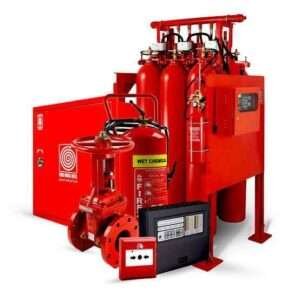
Common fire safety arrangements include:
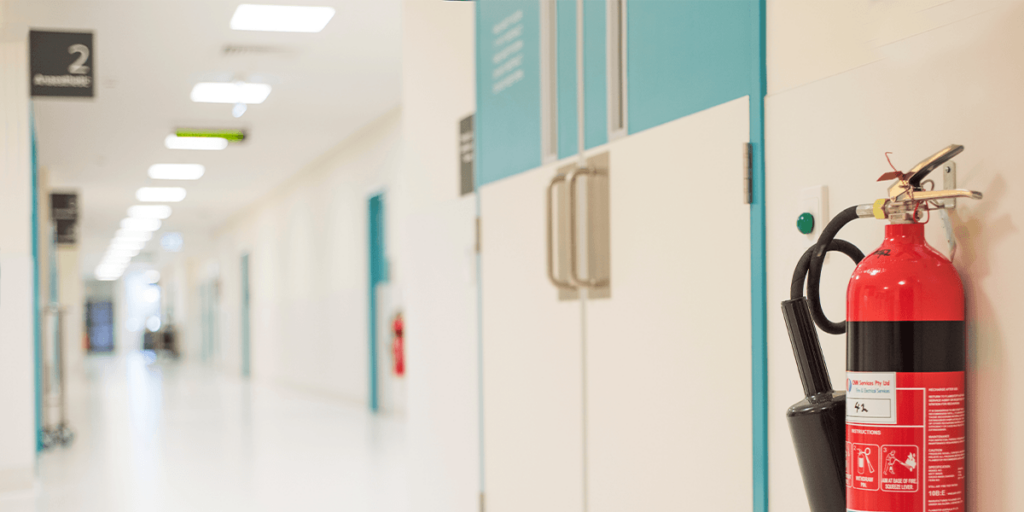
1. Fire Extinguishers
Portable fire extinguishers are used in certain emergency situations by people who have received appropriate training. Different extinguishers are designed for different types of fires.
Hospitals should select suitable equipment for each area and ensure that it is inspected and maintained by qualified service providers.
2. Fire Detection Devices
Smoke and heat detectors can help identify potential fire conditions. Their selection and placement should consider the building layout, environmental conditions, and applicable technical requirements.
3. Fire Hydrant Systems
Larger healthcare facilities may require fixed firefighting water arrangements as part of their overall fire protection design. These systems must be professionally designed, inspected, and maintained.
4. Emergency Lighting
Emergency lighting helps people identify corridors, staircases, and exit routes when normal lighting is interrupted.
It is especially important in hospitals because patients, visitors, and staff may need additional guidance during an emergency.
5. Fire Safety Signage
Clear signs help people identify emergency exits, evacuation routes, firefighting equipment, and other important safety locations.
Signs should remain visible, understandable, and free from obstruction.
6. Fire Doors
Approved fire doors help limit the spread of fire and smoke when properly installed and maintained. Hospital staff should understand the importance of keeping designated fire doors functional and ensuring that they are not improperly blocked or altered.
Creating a Hospital Fire Evacuation Plan
An evacuation plan explains how people should respond when a fire emergency occurs. Hospitals need carefully designed arrangements because not every patient can leave the building independently.
A hospital evacuation plan should consider the needs of different departments and patient groups.
Identify Emergency Exits
All departments should have clearly identified emergency routes. Corridors and exits should remain accessible, and staff should know the locations of designated assembly or safe areas.
Consider Patients with Limited Mobility
Some patients may require wheelchairs, mobility assistance, or medical supervision. Their evacuation needs should be considered when developing the emergency plan.
Hospitals should assign responsibilities to trained employees and coordinate with relevant emergency response teams.
Establish Departmental Responsibilities
Different hospital departments should understand their roles during an emergency.
For example:
– Nursing staff should follow approved patient safety and evacuation procedures.
– Security personnel should support emergency coordination and access management.
– Maintenance teams should provide relevant technical information to emergency responders.
– Hospital administrators should coordinate the wider emergency response.
– Reception staff should follow established procedures for communicating information to visitors.
Responsibilities must be clearly documented so that employees understand who is responsible for each task.
Keep Routes Clear
Medical equipment, furniture, storage materials, and waste should not obstruct emergency routes.
Regular inspections can help identify problems before an emergency occurs.
Plan for Critical Medical Areas
Operating theatres, intensive care units, emergency departments, and other critical areas require special planning.
Hospitals should establish appropriate arrangements with qualified medical and safety professionals to address patient-care requirements during an evacuation.
Fire Safety in Different Hospital Departments
Every department has its own operational needs. A general fire safety policy should therefore be supported by department-specific risk assessments.
Emergency Departments
Emergency departments often remain busy throughout the day and night. Staff should understand alarm procedures, emergency communication arrangements, and the locations of nearby exits.
Clear corridors are particularly important because patients may arrive on stretchers or require immediate assistance.
Intensive Care Units
Intensive care units contain patients who may depend on continuous monitoring and medical support. Their emergency arrangements must consider patient conditions, essential equipment, and trained staff availability.
These plans should be developed with medical leadership and fire safety professionals.
Operating Theatres
Operating theatres contain specialized equipment and require controlled working environments. Fire risk assessments should consider electrical systems, medical equipment, and any materials used in the department.
Staff should receive relevant safety training and understand the hospital’s emergency communication procedures.
Laboratories
Hospital laboratories may contain chemicals, electrical devices, and specialized equipment. Materials should be stored according to their safety requirements.
Laboratory employees should receive suitable training and follow approved procedures for reporting hazards.
Pharmacies and Medical Storage Rooms
Pharmacies and storage areas should maintain organized arrangements for medicines and supplies. Storage conditions should follow manufacturer guidance and relevant safety requirements.
Electrical equipment and storage spaces should be included in routine inspections.
Hospital Kitchens
Kitchen employees should receive appropriate fire safety awareness training. Cooking equipment, electrical appliances, ventilation, and cleaning arrangements should be maintained according to professional recommendations.
Laundry and Maintenance Areas
Laundry rooms and maintenance departments may contain electrical machinery, heating equipment, and other potential hazards. Regular inspections and suitable housekeeping arrangements can help reduce risks.
Staff Training and Fire Safety Awareness
Fire safety equipment alone cannot guarantee protection. Hospital employees must understand how to recognize hazards, report concerns, and follow emergency procedures.
Training should be provided to employees according to their roles and responsibilities.
Important training topics include:
– Recognizing common fire hazards.
– Understanding fire alarm signals.
– Knowing emergency exits and evacuation routes.
– Reporting fire risks and equipment faults.
– Understanding departmental emergency responsibilities.
– Supporting patients who require additional assistance.
– Communicating with emergency response teams.
– Following hospital evacuation procedures.
New employees should receive fire safety information during their introduction to the workplace. Existing employees should also participate in refresher sessions.
Training should be practical, understandable, and relevant to the hospital’s actual building layout.
The Importance of Regular Fire Drills
Fire drills help hospital employees understand emergency procedures before a real incident occurs. They also help management identify weaknesses in communication, evacuation arrangements, and staff responsibilities.
A well-planned drill should be organized according to the hospital’s risk assessment and operational needs.
During a drill, management can review:
– Whether employees recognize the alarm.
– Whether communication procedures work properly.
– Whether emergency routes remain accessible.
– Whether departmental responsibilities are understood.
– Whether patient assistance arrangements are suitable.
– Whether staff know how to report an emergency.
– Whether additional training is required.
Hospitals should record drill results and use the findings to improve their emergency plans.
Because healthcare facilities operate continuously, drill arrangements should be planned carefully to avoid unnecessary disruption to patient care. Staff should follow the approved exercise instructions and never place patients at risk for training purposes.
Hospital Fire Safety Challenges in Pakistan
Healthcare facilities in Pakistan operate in different environments, from major urban medical centers to smaller hospitals serving local communities. Their building structures, available resources, and safety arrangements can vary significantly.
Some common challenges include:
Older Building Infrastructure
Certain healthcare facilities operate in older buildings that may require improvements to electrical systems, emergency exits, fire doors, or detection arrangements.
Regular professional assessments can help identify areas that need attention.
Increasing Electrical Demand
Modern hospitals depend on numerous medical and administrative devices. Growing electricity requirements make professional electrical planning and maintenance essential.
Limited Safety Awareness
Employees and visitors may not always understand emergency procedures. Awareness campaigns and staff training can help improve preparedness.
Inadequate Maintenance
Safety equipment may become less dependable when inspections and servicing are delayed. Hospitals should maintain clear schedules and records for all relevant fire protection systems.
Complex Building Layouts
Large hospitals may include multiple floors, connected buildings, basements, and specialized departments. Emergency planning should account for the entire facility rather than focusing on only one section.
Addressing these challenges requires cooperation between hospital management, technical teams, safety professionals, and relevant authorities.
Hospital Fire Safety Checklist
A regular checklist can help hospital administrators review important safety arrangements.
Safety Area| What to Check
Fire alarm system| Professional inspection and maintenance records are available
Smoke and heat detection| Devices are maintained according to approved requirements
Fire extinguishers| Equipment is accessible and professionally serviced
Emergency exits| Routes are clearly identified and unobstructed
Emergency lighting| Lighting systems receive regular inspections
Fire doors| Doors remain functional and are not improperly blocked
Electrical systems| Qualified technicians inspect relevant installations
Storage areas| Materials are stored according to safety requirements
Staff training| Employees receive appropriate fire safety awareness
Evacuation plans| Procedures are documented and communicated
Fire drills| Exercises are planned and reviewed
Maintenance records| Inspections, faults, and repairs are documented
This checklist is a general starting point, not a replacement for a professional fire risk assessment or applicable legal requirements.
How Hospital Management Can Improve Fire Safety
Hospital management plays a major role in creating a safer healthcare environment. Effective fire protection requires planning, financial support, clear responsibilities, and regular monitoring.
The following measures can help improve hospital safety.
Conduct Professional Fire Risk Assessments
A qualified fire safety professional can evaluate the building, identify potential hazards, and recommend suitable improvements.
Assessments should consider patient needs, building design, department functions, electrical systems, and existing fire protection equipment.
Develop a Written Fire Safety Policy
A written policy should explain responsibilities, reporting procedures, training requirements, inspection schedules, and emergency arrangements.
Employees should be able to access and understand the relevant information.
Maintain Fire Protection Equipment
Fire alarms, detection devices, emergency lighting, fire doors, extinguishers, and other systems should receive appropriate inspection and maintenance.
Hospitals should keep records of completed work and outstanding maintenance issues.
Work with Qualified Service Providers
Fire protection systems require correct design, installation, testing, and maintenance. Hospitals should use qualified professionals who understand