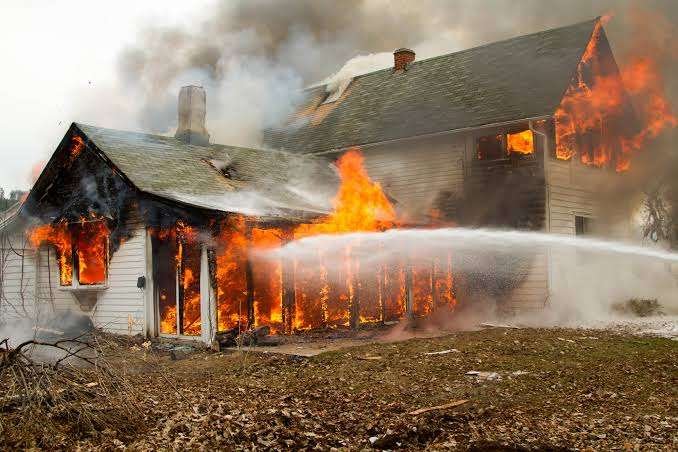
Summer brings longer days, warmer temperatures, holidays, outdoor activities, and increased use of electrical appliances. However, the season also creates fire safety challenges that households, businesses, schools, and industrial facilities should not overlook. Higher temperatures, overloaded electrical systems, careless storage of flammable materials, and the increased use of cooling equipment can all contribute to fire risks.
In Pakistan, summer temperatures can become extremely high, particularly in cities where electricity demand rises significantly. Air conditioners, fans, refrigerators, water pumps, and other appliances often operate for extended periods. When electrical systems are poorly maintained or equipment is used incorrectly, the possibility of overheating and electrical faults can increase.
A complete safety plan should therefore include measures for identifying, preventing, and responding to summer fire hazards. It should cover more than emergency equipment. Safe electrical practices, proper housekeeping, staff awareness, clear evacuation routes, and reliable fire detection systems all contribute to a safer environment.
Understanding seasonal risks helps people make better decisions before an emergency occurs. Whether protecting a family home or managing a commercial property, preparing for summer fire hazards is an important part of responsible fire prevention.
1. Why Summer Fire Hazards Require Special Attention
Fire risks can exist throughout the year, but summer conditions introduce additional challenges. High temperatures can place extra demands on electrical equipment, while dry weather may allow certain outdoor fires to spread more easily.
During hot months, people frequently use multiple electrical appliances at the same time. Air conditioners, refrigerators, fans, and cooling systems may operate for many hours. If wiring, sockets, circuit breakers, or appliances are damaged or unsuitable for the electrical load, overheating and electrical faults may occur.
Other seasonal activities can also create risks. Outdoor cooking, barbecues, generator use, fuel storage, and maintenance work require careful supervision. Businesses may also store packaging materials, cleaning products, and other combustible items in areas exposed to heat.
Summer fire safety is not simply about reacting to an incident. It involves understanding how seasonal conditions affect a property and taking reasonable precautions before problems develop.
2. Electrical Overloading During Hot Weather
Electrical overloading is one of the important risks to consider during summer. When several high-power appliances operate simultaneously, the electrical system may experience a greater load than it is designed to handle.
Air conditioners are particularly common during hot weather. Refrigerators, water pumps, electric irons, and other appliances may also be used frequently. Connecting too many devices to one extension board or socket can create unsafe conditions.
Warning signs may include:
– Sockets or plugs becoming unusually warm.
– Burning smells near electrical equipment.
– Repeated circuit breaker trips.
– Flickering lights without an obvious explanation.
– Damaged or discoloured electrical outlets.
– Frayed appliance cables.
These signs should never be ignored. Stop using the affected equipment when it is safe to do so and arrange an inspection by a qualified electrician. Avoid attempting electrical repairs without appropriate training.
Property owners should also ensure that electrical installations are suitable for the appliances being used. Proper circuit protection and professional maintenance can reduce avoidable electrical risks.
3. Air Conditioners and Cooling Equipment
Air conditioners provide comfort during Pakistan’s hot summer months, but poor maintenance can create additional safety concerns.
Dust accumulation, damaged cables, faulty connections, and neglected servicing can affect equipment performance. An appliance that operates for long periods should receive appropriate inspection and maintenance.
Consider the following precautions:
– Arrange periodic servicing through a qualified technician.
– Keep air conditioner filters and surrounding areas clean.
– Do not operate equipment with damaged cables or plugs.
– Avoid connecting high-power appliances through unsuitable extension boards.
– Keep ventilation openings clear according to the manufacturer’s instructions.
– Switch off equipment that shows signs of electrical malfunction.
– Follow the manufacturer’s recommendations for installation and maintenance.
Outdoor units should also be kept free from unnecessary clutter. Materials that could burn should not be stored directly beside electrical equipment.
Commercial buildings with large cooling systems should include their equipment in scheduled maintenance programmes. Regular professional inspections can help identify developing problems before they become serious.
4. Safe Use of Generators During Power Outages
Electricity interruptions can become more frequent during periods of high demand. As a result, some homes and businesses rely on generators for backup power.
Generators require careful handling because they involve fuel, heat, electrical connections, and exhaust. Incorrect installation or operation can create serious safety risks.
Generators should be installed and maintained by qualified professionals in suitable outdoor locations. They must never be operated inside homes, garages, enclosed rooms, or poorly ventilated spaces.
Important precautions include:
– Keep generators away from doors, windows, and air intakes.
– Store fuel only in approved containers and suitable locations.
– Keep fuel away from hot surfaces and ignition sources.
– Allow equipment to cool according to the manufacturer’s instructions before refuelling.
– Use suitable electrical connections and transfer equipment.
– Keep children and unauthorised people away from generator areas.
– Follow the manufacturer’s operating instructions.
Never attempt to connect a generator directly to a building’s electrical system through an improvised connection. A qualified electrician should arrange a safe installation.
5. Proper Storage of Flammable Materials
Summer heat makes responsible storage especially important. Paints, solvents, cleaning chemicals, fuels, and other flammable products should be handled according to their labels and safety instructions.
Storing these materials near direct sunlight, electrical equipment, cooking areas, or other heat sources can increase the risk of an incident.
Homes should avoid keeping unnecessary fuel containers, chemical products, or flammable liquids in living areas. Businesses should maintain designated storage spaces that meet the relevant safety requirements.
Good storage practices include:
– Keeping products in their original, properly labelled containers.
– Following manufacturer storage instructions.
– Keeping flammable products away from heat and ignition sources.
– Ensuring storage areas are suitable and appropriately ventilated.
– Preventing access by children and unauthorised people.
– Separating incompatible chemicals according to professional guidance.
– Removing unnecessary combustible waste.
Never transfer flammable liquids into drink bottles or other containers that could cause confusion. Clear labelling and responsible storage help prevent accidental misuse.
6. Kitchen Fire Safety During Summer
Kitchen activities continue throughout the year, but hot weather can make cooking areas less comfortable. People may use additional fans or cooling equipment, and busy households may become less attentive while preparing meals.
Cooking should never be left unattended. Keep towels, paper products, packaging, and other combustible materials away from cooking appliances.
Electrical cooking equipment should be used according to manufacturer instructions. Damaged plugs, loose connections, and unsuitable extension boards should not be ignored.
Useful kitchen precautions include:
– Keep cooking surfaces clean and free from unnecessary clutter.
– Never leave active cooking unattended.
– Keep children away from hot appliances.
– Turn off cooking equipment when it is no longer needed.
– Keep escape routes clear.
– Arrange professional inspection of faulty appliances.
– Ensure suitable fire safety equipment is available and maintained.
If a fire starts and begins spreading, do not attempt to manage it yourself. Warn others, leave the building, and contact emergency services from a safe location.
7. Outdoor Fire Risks and Dry Vegetation
Summer weather can dry grass, leaves, bushes, and other vegetation. In suitable conditions, a small outdoor fire may spread quickly, especially where dry materials are close together.
Outdoor cooking, discarded cigarettes, unattended flames, and careless waste disposal can contribute to avoidable incidents.
Homes, farms, parks, and commercial properties should pay attention to dry vegetation around buildings. Removing unnecessary dry leaves and maintaining outdoor spaces can help reduce combustible material near structures.
People should also follow local restrictions and safety instructions regarding outdoor burning. Never leave a permitted outdoor cooking or heating activity unattended.
Businesses with large outdoor areas should include vegetation management in their seasonal maintenance plans. Waste should be collected and stored in appropriate locations rather than left beside buildings.
8. Fire Risks in Offices and Commercial Buildings
Offices and commercial properties often use several electrical systems throughout the day. Computers, printers, air conditioners, lighting, kitchen appliances, and other equipment may operate simultaneously.
During summer, cooling systems can add to the overall electrical demand. Poor housekeeping and inadequate maintenance may increase the risks associated with electrical faults.
Business owners and facility managers should:
– Arrange regular inspections of electrical installations.
– Avoid overloading sockets and extension boards.
– Maintain cooling systems according to manufacturer guidance.
– Keep electrical rooms free from unnecessary storage.
– Store paper, packaging, and cleaning materials appropriately.
– Keep emergency exits and corridors unobstructed.
– Maintain suitable fire detection and alarm equipment.
– Train employees to recognise warning signs and follow evacuation procedures.
A written fire safety plan should clearly explain how occupants will be alerted, which routes they should use, and where they should gather after leaving the building.
9. The Importance of Fire Alarm Systems in Summer
Early warning is an essential part of fire safety. A fire alarm system helps alert occupants when a fire-related condition is detected, giving people an opportunity to respond and evacuate.
During summer, increased use of electrical appliances and cooling systems makes reliable detection particularly important in residential, commercial, and industrial properties.
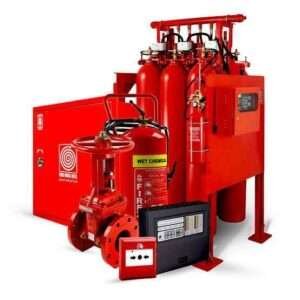
A suitable fire alarm system in Pakistan should be selected according to the building’s size, layout, occupancy, and risk profile. Different properties may require different combinations of smoke detectors, heat detectors, manual call points, alarm sounders, and control equipment.
A complete system should be professionally designed and installed. Simply purchasing alarm devices is not enough. Their placement, compatibility, power supply, and maintenance all affect reliability.
Property managers should consider the following:
– Arrange professional assessment before selecting equipment.
– Install detectors in appropriate locations.
– Keep devices free from dust and obstructions.
– Test the system according to manufacturer guidance.
– Investigate faults and warning indicators promptly.
– Maintain inspection and service records.
– Ensure occupants understand what the alarm sounds mean.
Fire alarm equipment should never be disabled simply because it produces an inconvenient warning. If a device repeatedly activates without an apparent reason, a qualified technician should investigate the cause.
10. Smoke Detectors and Heat Detection
Smoke and heat detectors play important roles in fire detection. Their suitability depends on the environment and the type of risk present.
Smoke detectors are commonly used in areas where smoke detection can provide an early warning. Heat detectors may be more suitable for certain environments where dust, steam, or normal operating conditions could affect smoke detection.
For example, kitchens, workshops, storage areas, and industrial spaces may require different detection arrangements. A qualified fire safety professional can help determine which devices are appropriate.
Regular maintenance is essential. Dust, damage, incorrect placement, and neglected batteries can affect detector performance.
Building occupants should know where detectors are installed and understand that they must not cover, remove, or interfere with them.
11. Fire Extinguishers and Emergency Equipment
Fire extinguishers are useful safety equipment, but the wrong type may be unsuitable for a particular fire. Different extinguishers are designed for different fire classifications and hazards.
For example, electrical equipment, ordinary combustible materials, and flammable liquids may require different fire protection arrangements.
A professional assessment should determine the appropriate equipment for each property. Extinguishers should be visible, accessible, correctly identified, and maintained according to applicable requirements.
Important considerations include:
– Select equipment suitable for the expected hazards.
– Place extinguishers in accessible locations.
– Keep access to emergency equipment clear.
– Arrange inspections and servicing.
– Provide suitable training for designated personnel.
– Replace damaged or expired equipment as required.
An extinguisher should never be treated as a reason to delay evacuation. If a fire is spreading, smoke is present, or the escape route is threatened, leave immediately and contact emergency services.
12. Summer Fire Safety in Homes
Families can reduce many household risks through simple habits and regular inspections. A home safety plan should consider electrical equipment, cooking activities, fuel storage, children, and emergency exits.
Every family member should know how to recognise the alarm, leave the building, and reach a safe meeting point.
Household precautions include:
– Keep corridors, staircases, and doors clear.
– Avoid overloading electrical sockets.
– Arrange professional repairs for faulty wiring.
– Keep matches and lighters away from children.
– Store cleaning chemicals and flammable products safely.
– Maintain smoke alarms and other detection equipment.
– Keep emergency contact information accessible.
– Practise an evacuation plan with family members.
Children should receive age-appropriate guidance about fire safety. They should know that they must alert an adult and move away from danger rather than attempting to investigate a fire.
Families should also make arrangements for older adults and people who may need assistance during an evacuation.
13. Fire Safety in Factories and Warehouses
Factories and warehouses may contain combustible packaging, raw materials, machinery, electrical equipment, and stored products. Summer temperatures and increased equipment use make regular safety management especially important.
A fire safety programme should begin with identifying hazards and assessing how they could affect workers, visitors, and property.
Management should pay attention to:
– Electrical installations and machinery maintenance.
– Safe storage of chemicals and flammable products.
– Waste removal and housekeeping.
– Clear access to emergency exits.
– Suitable fire detection and alarm systems.
– Emergency lighting and exit signs.
– Inspection of firefighting equipment.
– Employee awareness and evacuation drills.
Storage arrangements should not obstruct sprinklers, detectors, electrical panels, or emergency equipment. Changes to warehouse layouts should be reviewed to ensure that existing fire protection remains suitable.
Staff should receive clear instructions about raising the alarm, evacuating, and reporting to designated assembly points.
14. Emergency Exits and Evacuation Planning
Fire prevention is essential, but every property also needs a reliable evacuation plan. An emergency plan should explain how people can leave safely when an alarm sounds or another warning is received.
Exit routes should be easy to identify and kept clear at all times. Doors, corridors, staircases, and outdoor routes should not be blocked by furniture, boxes, vehicles, or stored materials.
A good evacuation plan should include:
1. Clearly identified escape routes.
2. Suitable emergency exit signage.
3. A designated outdoor assembly point.
4. Instructions for visitors and employees.
5. Arrangements for people requiring assistance.
6. A method for accounting for occupants.
7. Emergency contact procedures.
People should not use lifts during a fire unless emergency personnel specifically direct them to do so. If the planned route becomes unsafe, occupants should follow an alternative safe exit where available.
Once outside, nobody should return to the building until authorised emergency personnel confirm that it is safe.
15. Employee Awareness and Fire Safety Training
Equipment alone cannot create a safe workplace. Employees need to understand the risks in their environment and know what to do when an emergency occurs.
Training should explain how to recognise fire hazards, report unsafe conditions, respond to alarms, and follow evacuation procedures.
Seasonal safety briefings can be particularly useful before summer begins. Managers can remind employees about electrical equipment, cooling systems, generator areas, outdoor activities, and safe storage practices.
Training should be practical and suitable for the workplace. Employees should know the location of emergency exits, assembly points, alarm call points, and relevant safety equipment.
Only properly trained and authorised people should carry out specialist inspection or maintenance work. Fire response should always prioritise warning others and evacuation over protecting equipment or property.
16. Preparing a Summer Fire Safety Checklist
A seasonal checklist helps homeowners and organisations review important safety measures before temperatures rise.
Electrical safety
– Inspect visible cables, plugs, and sockets.
– Arrange professional checks for electrical faults.
– Avoid overloading extension boards.
– Maintain air conditioners and cooling equipment.
Fire detection
– Test alarms according to manufacturer instructions.
– Arrange professional servicing where required.
– Keep detectors clean and unobstructed.
– Investigate repeated faults.
Storage and housekeeping
– Store flammable products safely.
– Remove unnecessary combustible waste.
– Keep electrical rooms and exits clear.
– Maintain outdoor areas and remove dry waste.
Emergency preparedness
– Review evacuation routes.
– Confirm assembly points.
– Keep emergency contact details accessible.
– Provide suitable awareness training.
– Check emergency lighting and exit signage.
This checklist should be adapted to the building’s actual risks. Industrial sites, offices, shops, and homes may require different inspection routines.
17. Common Summer Fire Safety Mistakes
Some preventable mistakes can weaken an otherwise useful safety plan.
One common mistake is ignoring small electrical warning signs. Warm sockets, damaged cables, and repeated breaker trips should be investigated rather than treated as normal.
Another mistake is neglecting air conditioner maintenance.