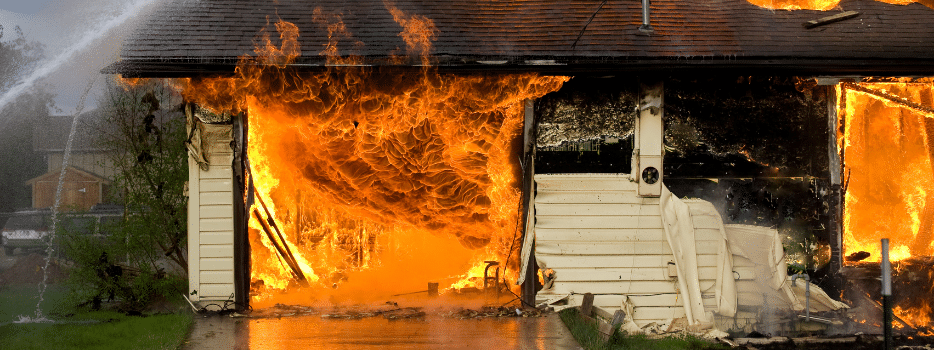
A home garage is often used for much more than parking a vehicle. Many families in Pakistan also use their garages to store tools, household supplies, paint, cleaning products, fuel-related materials, electrical equipment, bicycles, and seasonal belongings. Although these items may seem harmless when stored separately, poor organization and unsafe storage can create potential fire hazards.
Garages deserve special attention because they often contain electrical connections, vehicles, batteries, combustible materials, and equipment that produces heat. A small problem involving damaged wiring, unsuitable storage, or poorly maintained equipment can become a serious safety concern.
Many homeowners focus on fire safety inside their kitchens and living rooms but overlook the garage. This is a mistake because a garage may be attached directly to the house or located close to other buildings. Good fire prevention habits can help protect the property and the people living nearby.
A suitable fire alarm system in Pakistan can also support home safety by providing an early warning when a possible fire is detected. However, an alarm is only one part of an effective fire safety plan. Safe storage, electrical maintenance, clear access, and emergency preparation are equally important.
This guide explains common garage fire hazards, practical prevention measures, and the importance of having a well-organized home garage.
Why Garage Fire Safety Matters
A garage may contain several materials and appliances that require careful handling. Vehicles, batteries, electrical tools, paints, cleaning products, cardboard boxes, and other stored items can create different safety concerns.
Unlike ordinary living areas, garages may also have limited ventilation or be used for activities involving machinery and electrical equipment.
Some common garage fire hazards include:
– Damaged electrical wiring and extension cables.
– Poorly maintained tools and appliances.
– Unsafe storage of flammable products.
– Vehicle-related electrical faults.
– Incorrect battery charging arrangements.
– Accumulated cardboard, paper, and other combustible materials.
– Generators and fuel storage.
– Blocked doors and access routes.
The best approach is to identify these hazards before they create an emergency. Regular inspections and simple safety habits can make a significant difference.
1. Keep Your Garage Clean and Organized
One of the easiest ways to improve garage fire safety is to maintain a clean and organized space.
Many homeowners gradually fill their garages with unused furniture, cardboard boxes, old newspapers, plastic containers, packaging, and other household belongings. Over time, these materials may accumulate around electrical equipment, vehicles, and storage areas.
Poor housekeeping can make hazards harder to identify and may interfere with access to safety equipment.
Why Garage Clutter Is a Problem
Combustible materials can contribute to the spread of a fire. Clutter may also block access to electrical panels, doors, and other important areas.
A crowded garage can make it difficult to identify damaged cables, leaking containers, or poorly maintained equipment.
How to Maintain a Safer Garage
Follow these simple practices:
– Remove unnecessary cardboard and paper materials.
– Avoid storing unused belongings near electrical equipment.
– Keep floors and walkways clear.
– Store tools in suitable cabinets or racks.
– Dispose of waste regularly.
– Keep doors and access routes unobstructed.
– Avoid placing combustible materials close to heat-producing equipment.
A well-organized garage is easier to inspect and maintain. Homeowners should make housekeeping part of their regular property maintenance routine rather than waiting until the space becomes overcrowded.
2. Store Paints, Solvents, and Cleaning Products Safely
Garages are commonly used to store paints, thinners, adhesives, cleaning products, and other household chemicals. Some of these products may release flammable vapours or require specific storage conditions.
Leaving containers open, damaged, or exposed to unsuitable heat sources can create unnecessary risks.
Common Storage Mistakes
– Keeping products in unlabelled containers.
– Leaving lids loose or open.
– Storing flammable products near heat sources.
– Keeping chemicals beside electrical equipment.
– Allowing containers to leak.
– Storing incompatible products together.
– Keeping chemicals within easy reach of children.
Safe Storage Practices
Homeowners should follow the product manufacturer’s instructions and safety labels.
Keep chemicals in their original, clearly labelled containers whenever possible. Store them in suitable locations away from heat, direct sunlight, and ignition sources.
Do not transfer chemicals into drinking-water bottles or food containers. This can cause confusion and create additional household safety risks.
Avoid storing unnecessary quantities of paints, solvents, and cleaning products. Dispose of unwanted materials according to local waste guidance.
Children should not have access to chemical storage areas. A suitable locked cabinet can help reduce accidental contact.
3. Check Electrical Wiring and Garage Appliances
Electrical equipment is another important part of garage fire safety. Garages may contain power tools, chargers, refrigerators, lighting, water pumps, and other appliances.
Damaged wiring, loose connections, overloaded sockets, and unsuitable extension cables can create electrical hazards.
Common Electrical Problems
Some warning signs include:
– Damaged or exposed cables.
– Loose plugs and sockets.
– Unusual heating around electrical connections.
– Repeated circuit breaker trips.
– Equipment that produces an unusual smell.
– Flickering lights or unreliable connections.
These signs should not be ignored.
How to Improve Electrical Safety
Homeowners should arrange inspections through qualified electricians. Electrical circuits should be suitable for the equipment connected to them.
Avoid overloading extension boards or connecting several high-power appliances to one socket. Replace damaged cables and stop using faulty equipment until it has been inspected.
Electrical panels should remain accessible and should not be covered with stored materials.
If an electrical fault is suspected, do not attempt to repair live wiring yourself. Contact a qualified professional.
4. Maintain Vehicles and Keep Garage Areas Safe
Vehicles are often the largest items stored in a home garage. Cars and motorcycles contain electrical systems, batteries, fuel systems, and other components that require proper maintenance.
A damaged vehicle component or neglected maintenance issue can create safety concerns.
Vehicle-Related Garage Hazards
Potential hazards include:
– Electrical faults.
– Damaged battery connections.
– Fuel leaks.
– Poorly maintained vehicle wiring.
– Unsafe storage of vehicle-related chemicals.
– Hot components placed near combustible materials.
Practical Vehicle Safety Measures
Arrange regular vehicle maintenance through qualified technicians. If a vehicle shows signs of a fuel leak, electrical fault, or unusual overheating, have it inspected before continued use.
Keep paint containers, cardboard boxes, cleaning materials, and other combustible items away from areas where vehicle maintenance takes place.
Avoid carrying out repairs involving fuel or electrical systems unless you have the necessary training and suitable facilities.
The garage should also have sufficient space around vehicles to allow safe movement and access to doors.
5. Be Careful When Charging Batteries
Modern households may use rechargeable batteries for power tools, motorcycles, vehicles, backup power equipment, and other devices.
Battery charging requires attention because unsuitable chargers, damaged batteries, and incorrect charging arrangements can create safety risks.
Common Battery Charging Mistakes
– Using incompatible chargers.
– Charging damaged batteries.
– Leaving charging equipment in unsuitable locations.
– Covering chargers or restricting ventilation.
– Placing batteries near combustible materials.
– Ignoring manufacturer instructions.
– Using damaged cables or connectors.
Safer Charging Practices
Use the charger recommended by the equipment manufacturer. Inspect batteries and cables for visible damage before use.
Charge equipment in a suitable location according to the manufacturer’s instructions. Keep charging areas free from unnecessary combustible materials and avoid covering charging devices.
Do not continue using a battery that appears damaged, swollen, unusually hot, or otherwise abnormal. Follow manufacturer guidance for safe handling and disposal.
Homeowners should also be careful when using backup power batteries and other electrical storage equipment. Professional installation and maintenance are important where specialist systems are involved.
6. Use Generators and Fuel Storage Carefully
Generators are used by many households in Pakistan as backup power sources. Some homeowners keep generators in or near their garages, making safe installation and fuel storage particularly important.
Generators produce heat and require suitable ventilation. Their fuel and electrical connections also need careful management.
Generator Safety Precautions
– Install generators in appropriate locations.
– Follow manufacturer instructions for ventilation and clearances.
– Never operate a generator in an enclosed or poorly ventilated garage.
– Keep fuel away from ignition sources.
– Store fuel only in suitable approved containers.
– Arrange regular generator maintenance.
– Use qualified technicians for electrical connections.
– Keep unauthorized people away from generator areas.
A generator should not be operated inside a home or enclosed garage. Poor ventilation can allow dangerous exhaust gases to accumulate.
Fuel should be handled and stored according to product instructions and applicable safety requirements. Avoid keeping unnecessary quantities in residential garages.
7. Keep Heat Sources Away from Combustible Materials
Garages may contain equipment that produces heat, such as power tools, chargers, heaters, and machinery.
Placing paper, cloth, packaging, paint products, or other combustible materials near these items can increase fire risks.
How to Reduce Heat-Related Hazards
– Keep combustible materials away from heat-producing equipment.
– Follow the required clearances in manufacturer instructions.
– Switch off equipment when it is not required.
– Avoid using damaged tools.
– Do not leave heat-producing appliances unattended.
– Keep ventilation openings clear.
– Arrange professional inspection when equipment behaves unusually.
Homeowners should also avoid using garages as makeshift workshops without considering the additional safety requirements.
If a tool or appliance becomes unusually hot, produces smoke, or shows signs of electrical damage, stop using it and arrange professional inspection.
8. Install Suitable Smoke Detection and Fire Alarm Equipment
Early warning is an important part of home fire safety. A garage may be separated from the main living area, meaning occupants might not immediately notice a problem.
Suitable detection and alarm arrangements can help alert people to a possible fire emergency.
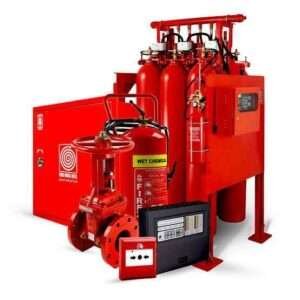
Common Fire Alarm Components
Smoke detectors: These devices detect smoke and send a signal to an alarm system. Their suitability depends on the environment and possible sources of dust or fumes.
Heat detectors: These respond to changes in temperature and may be appropriate in certain garage environments where smoke detectors may not be suitable.
Manual call points: These allow people to activate an alarm when they identify a possible fire emergency. Their use depends on the building’s system design.
Fire alarm control panels: These receive signals from connected devices and manage the alarm system.
Sounders and visual indicators: These provide audible and, where required, visible warnings.
Choosing the Right Detection Arrangement
Not every detector is suitable for every garage. Dust, vehicle exhaust, temperature changes, and other environmental conditions may affect device selection and placement.
A qualified fire safety professional can assess the garage and recommend suitable equipment.
A properly selected fire alarm system in Pakistan should match the property’s layout, use, and safety requirements. Homeowners should avoid placing devices randomly or assuming that one detector will provide adequate protection for every area.
The manufacturer’s instructions and applicable standards should guide installation, testing, and maintenance.
9. Keep Fire Extinguishers Suitable and Accessible
Some homeowners keep a fire extinguisher in the garage, but the equipment must be appropriate for the possible fire risks.
Different extinguishers are designed for different types of fires. Choosing the wrong type can create additional danger.
Common Fire Extinguisher Types
Water extinguishers: Generally intended for certain fires involving ordinary combustible materials. They must not be used on electrical or cooking-oil fires.
Foam extinguishers: Commonly used for certain fires involving solid materials and flammable liquids, depending on their rating.
Carbon dioxide extinguishers: Often used for certain electrical equipment and flammable-liquid risks.
Dry powder extinguishers: Available in different types and ratings for particular fire classes.
Homeowners should seek professional advice about the correct equipment for their garage. Extinguishers should be placed where they can be accessed safely and maintained according to manufacturer instructions.
An extinguisher is not a reason to remain in a dangerous area. If a fire is spreading or the situation is unsafe, raise the alarm, evacuate, and contact emergency services.
10. Make Sure Garage Doors and Escape Routes Are Accessible
A garage may have a vehicle entrance and a separate door leading into the house or outside. These routes should remain accessible and should not be blocked by stored belongings.
If the garage is attached to the home, its connection with the main building deserves particular attention.
Important Access and Escape Measures
– Keep doors and walkways clear.
– Avoid storing items near exits.
– Make sure doors operate correctly.
– Keep keys and access arrangements known to household members.
– Ensure that emergency routes are suitable for everyone in the household.
– Do not block doors with vehicles or stored equipment.
The door between an attached garage and the home should meet the relevant building requirements and be maintained properly.
Household members should understand which route to use if an emergency occurs. They should leave without delaying to collect tools, vehicles, or personal belongings.
11. Protect Children from Garage Fire Hazards
Children may see the garage as an interesting place containing bicycles, tools, vehicles, and household equipment. However, it can contain materials and appliances that require adult supervision.
Parents and guardians should establish clear rules about garage access.
Child Safety Measures
– Keep chemicals in secure storage.
– Store tools where children cannot access them.
– Keep matches and lighters out of reach.
– Prevent children from playing with electrical equipment.
– Keep batteries and chargers in suitable locations.
– Explain that garages are not play areas.
– Make sure children know how to leave the house during an emergency.
Children should receive simple, age-appropriate fire safety instructions. They should know how to recognize an alarm, leave the building, and seek help from a responsible adult.
12. Prepare a Home Garage Fire Emergency Plan
Even with good prevention measures, every household should know what to do if an emergency occurs.
A garage fire can create additional challenges because people may instinctively try to protect their vehicles, tools, or stored belongings. However, personal safety must always come first.
What a Home Emergency Plan Should Include
Identify escape routes: Household members should know how to leave the garage and the main house safely.
Choose an outdoor meeting point: Select a safe location away from the building where family members can gather.
Know how to raise the alarm: Everyone should understand how to alert other occupants.
Keep emergency contacts available: Make sure adults know how to contact local emergency services.
Plan for children and people needing assistance: Identify who will help them leave safely.
Discuss what not to do: Household members should never return to the garage to collect vehicles or belongings.
If a fire develops, leave the area, warn others, and contact emergency services from a safe location. Do not attempt to fight a spreading fire.
13. Regular Garage Fire Safety Inspections
A garage should be inspected regularly rather than only when a problem becomes obvious.
A simple monthly review can help homeowners identify clutter, damaged electrical equipment, unsuitable storage, and blocked access routes.
Garage Fire Safety Checklist
Safety area| What to check
Housekeeping| Remove unnecessary clutter and waste
Chemical storage| Keep products labelled and stored correctly
Electrical equipment| Check cables, sockets, and appliances
Vehicles| Arrange maintenance and report faults
Batteries| Use suitable chargers and inspect for damage
Generator| Check installation, ventilation, and maintenance
Heat sources| Keep combustible materials at a safe distance
Fire detection| Check suitable alarms and maintenance
Extinguishers| Confirm correct type, access, and servicing
Escape routes| Keep doors and walkways clear
Child safety| Secure tools and hazardous materials
Any electrical or mechanical fault should be referred to a qualified professional. Homeowners should not attempt repairs that require specialist training.
14. Garage Fire Safety Considerations in Pakistan
Homes in Pakistan vary considerably in design. Some properties have attached garages, while others use separate garages, covered parking spaces, or multipurpose storage areas.
The appropriate fire safety measures depend on the building layout, stored materials, electrical installations, and how the garage is used.
Homeowners should consider relevant local building requirements and seek professional advice when installing fire detection equipment or making structural changes.
The Building Code of Pakistan Fire Safety Provisions 2016 is an important reference for building fire safety. However, the specific requirements applicable to a property should be confirmed with relevant authorities and qualified professionals.
For homes with attached garages, the separation between the garage and living areas, door arrangements, ventilation, and electrical installations should receive particular attention.
Conclusion
Garage fire safety is an important part of protecting a home. Garages often contain vehicles, electrical appliances, batteries, tools, cleaning products, paints, and other materials that need careful handling.
Keeping the space organized, storing chemicals correctly, maintaining electrical equipment, charging batteries safely, and managing generators properly can help reduce common hazards.
Suitable smoke detection or fire alarm equipment can also support early warning. A professionally selected fire alarm system in Pakistan should be appropriate for the garage environment and maintained according to manufacturer instructions and applicable requirements.
Most importantly, every household should have a clear emergency plan. Family members should know how to leave safely, where to meet outside, and how to contact emergency services.
A safe garage is not simply a tidy parking area. It is a well-managed part of the home where potential ha