The kitchen is one of the busiest areas in any home. Families use it to prepare meals, heat food, boil water, and carry out everyday household activities. However, cooking appliances, electrical equipment, gas connections, and hot surfaces can also create fire hazards when they are not used or maintained properly.
Kitchen fire safety is therefore an essential part of protecting a home, its occupants, and valuable property. A small accident can become a serious emergency if people do not recognise the warning signs or know how to respond safely.
In Pakistan, kitchens commonly use gas appliances, electric cookers, ovens, and other cooking equipment. Different households have different layouts and cooking arrangements, but the need for prevention and preparedness remains the same.
A suitable Fire alarm system in Pakistan can contribute to overall household protection by providing an early warning when smoke or fire is detected. However, kitchen safety also depends on responsible cooking habits, suitable equipment, regular maintenance, and a clear emergency plan.
This article explains common kitchen fire hazards, practical prevention measures, the importance of early detection, and the role of families in creating safer cooking environments.
1. Why Is Kitchen Fire Safety Important?
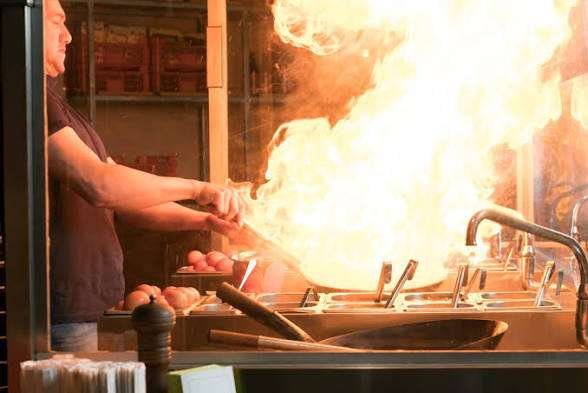
Cooking involves heat, electricity, gas, and sometimes oil or other flammable materials. When these elements are not managed safely, a fire may develop and spread.
Kitchen fires can affect more than the cooking area. Smoke may travel through other rooms, damage household belongings, and create breathing difficulties. A fire can also affect neighbouring properties in apartment buildings.
Kitchen fire safety matters because it helps:
– Protect family members, visitors, and household workers.
– Reduce preventable cooking-related accidents.
– Protect kitchen appliances and household property.
– Improve awareness of electrical and gas hazards.
– Encourage early recognition of fire warnings.
– Prepare families to respond calmly during an emergency.
Prevention is always an important priority. Families should understand everyday risks and make sure everyone knows how to respond when an alarm sounds.
2. Common Causes of Kitchen Fires
Understanding common fire hazards helps households take sensible precautions.
Unattended Cooking
Leaving cooking unattended is a recognised kitchen safety risk. People may become distracted by visitors, mobile phones, household tasks, or other activities.
Cooking should receive attention, and appliances should be used according to their instructions. If someone needs to leave the kitchen, they should first make the cooking area safe.
Electrical Problems
Damaged cables, loose connections, faulty appliances, and unsuitable electrical arrangements can create fire risks.
Older homes may also have electrical installations that need professional inspection. Any damaged or malfunctioning equipment should be addressed by a qualified electrician.
Gas Appliance Problems
Gas cooking equipment should be maintained properly and used according to the manufacturer’s instructions.
If someone notices a suspected gas leak, they should avoid flames and electrical switches, leave the affected area, and contact the relevant emergency or gas service from a safe location.
Grease and Cooking Residue
Grease and food residue can collect on cooking appliances, nearby surfaces, and ventilation equipment.
Regular cleaning helps maintain a safer kitchen environment. Cleaning schedules should reflect how frequently appliances are used and the manufacturer’s recommendations.
Flammable Items Near Cooking Areas
Cloths, paper towels, packaging, and other household materials should be kept away from hot surfaces and cooking equipment.
Good organisation helps reduce unnecessary hazards and keeps the kitchen easier to maintain.
3. Safe Cooking Habits That Reduce Fire Risks
Everyday habits can make a meaningful difference to kitchen safety.
Pay Attention While Cooking
Avoid leaving cooking unattended. Distractions can cause people to overlook developing problems.
Household members should understand that cooking requires attention, especially when appliances are producing heat.
Keep the Cooking Area Organised
Keep unnecessary household materials away from cooking equipment.
A tidy kitchen makes it easier to notice problems, clean surfaces, and move around safely.
Wear Suitable Clothing
Loose clothing and hanging fabric can create risks around hot appliances.
Wear clothing that is comfortable and appropriate for cooking, and keep loose items away from heat sources.
Keep Children Away from Hot Appliances
Children should be supervised in the kitchen, particularly when cooking is taking place.
Explain that cooking appliances, hot surfaces, and electrical equipment are not toys. Matches and lighters should also be kept out of children’s reach.
Turn Appliances Off When Appropriate
Follow manufacturer instructions when switching off and cleaning cooking equipment.
Before leaving home or going to sleep, make sure household cooking appliances are not unintentionally left operating.
4. Gas Safety in Pakistani Kitchens
Gas appliances are common in many Pakistani homes. Safe use and proper maintenance are important because gas-related problems can create serious household hazards.
Arrange Professional Inspection
Gas appliances and connections should be checked by qualified professionals when necessary.
If an appliance appears damaged or does not operate normally, stop using it and arrange an appropriate inspection.
Pay Attention to Unusual Signs
A suspected gas leak should always be treated seriously.
If gas is suspected:
– Do not light matches or use open flames.
– Avoid operating electrical switches in the affected area.
– Move people away from the suspected leak.
– Leave the area and contact the relevant emergency or gas service from a safe location.
– Follow the instructions of qualified responders.
Do not attempt repairs yourself.
Keep Cooking Areas Ventilated
Kitchen ventilation should be appropriate for the appliances and the building.
Property owners should seek professional advice about suitable ventilation arrangements, especially when installing or replacing cooking equipment.
Educate Household Members
Everyone who uses the kitchen should understand basic gas safety precautions.
Children should know to inform an adult if they notice an unusual smell or suspect a problem. They should never investigate or attempt to repair a gas appliance.
5. Electrical Safety in the Kitchen
Modern kitchens often contain refrigerators, microwaves, electric kettles, ovens, and other electrical appliances.
These devices need suitable electrical connections and regular attention.
Check Appliances Regularly
Look for visible damage to plugs, cables, and appliance casings.
Equipment that appears damaged or behaves unusually should be disconnected when safe to do so and checked by a qualified professional.
Avoid Overloading Electrical Connections
Using too many appliances on an unsuitable electrical connection can create hazards.
Electrical arrangements should be appropriate for the equipment being used. A qualified electrician can assess the installation and recommend suitable improvements.
Keep Electrical Equipment Away from Water
Water and electricity are a dangerous combination.
Keep electrical appliances and their connections away from wet surfaces and water sources. Do not handle electrical equipment with wet hands.
Use Suitable Appliances
Choose appliances that meet applicable safety requirements and follow their operating instructions.
Poor-quality or damaged equipment should not be treated as a safe alternative simply because it is inexpensive.
6. The Importance of Kitchen Fire Detection
Early warning is an important part of household fire protection. Smoke alarms and suitable detection systems can alert occupants when a potential fire condition is detected.
This warning may help people recognise an emergency and leave the building promptly.
Smoke Detection
Smoke detectors are designed to identify smoke and provide a warning.
Their placement should follow manufacturer instructions and applicable safety guidance. The most suitable arrangement depends on the building’s design and the location of potential hazards.
Choosing Suitable Alarm Equipment
Households should consider:
– The size and layout of the property.
– The location of bedrooms and regularly occupied rooms.
– The type of cooking equipment.
– The presence of ventilation systems.
– The needs of people who may have difficulty hearing an alarm.
– Manufacturer guidance about suitable installation locations.
Not every detector is suitable for every location. A qualified fire safety professional can help assess the appropriate arrangement.
Avoiding Unnecessary Alarm Problems
Kitchen conditions can affect the performance of some detection devices. For this reason, alarm selection and placement should be considered carefully.
Follow manufacturer guidance rather than placing detectors wherever convenient. Never disable a safety alarm simply because it sometimes activates during normal household activities.
7. Choosing a Fire Alarm System in Pakistan
When selecting a Fire alarm system in Pakistan, households should focus on reliability, suitability, and professional support.
A residential property may need a different arrangement from a restaurant, commercial kitchen, apartment building, or food preparation facility.
Important considerations include:
Property Size and Layout
The number of rooms, floors, and occupied areas can influence the type and arrangement of detection equipment.
Appropriate Detection
Different areas may require different detection arrangements. Equipment should be selected according to the building’s risks and manufacturer recommendations.
Warning Accessibility
The alarm should provide a warning that occupants can recognise. Additional visual or other accessible notification features may be appropriate for people with hearing difficulties.
Professional Installation
Qualified installers can assess the property and ensure that equipment is installed according to its design and applicable requirements.
Maintenance and Support
Households should understand how alarms are tested and maintained. Batteries and other components should be replaced according to manufacturer instructions.
For larger properties, professional inspection and servicing are particularly important.
8. Fire Safety Equipment for the Kitchen
Suitable fire safety equipment can support a household’s wider emergency arrangements.
However, equipment must be appropriate for the type of risk, installed or stored correctly, and maintained properly.
Smoke Alarms
Smoke alarms provide early warning when smoke is detected. They should be selected and located according to manufacturer instructions.
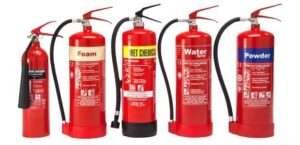
Suitable Fire Extinguishers
Different extinguishers are designed for different types of fires. The correct equipment depends on the kitchen’s appliances, materials, and potential hazards.
Households should seek advice from a qualified fire safety professional about appropriate equipment.
An extinguisher should never be used by someone who is untrained or when attempting to use it would delay evacuation. If a fire is growing or the situation is unsafe, leave immediately.
Fire Blankets
Fire blankets are a type of fire safety equipment, but their suitability depends on the circumstances and the product’s instructions.
Households should not assume that a fire blanket can safely deal with every kitchen fire. Anyone who is unsure should prioritise leaving the area and contacting emergency services.
Emergency Lighting
In some residential and larger building settings, emergency lighting can help occupants identify exit routes if normal lighting fails.
The need for emergency lighting depends on the building and applicable safety requirements.
9. What to Do During a Kitchen Fire Emergency
A kitchen fire can develop rapidly. Household members should understand that protecting life is more important than protecting appliances or belongings.
Prioritise Getting to Safety
If a fire becomes dangerous, leave the kitchen and move away from the affected area.
Do not delay evacuation to collect valuables or attempt to rescue household items.
Warn Other Occupants
Alert everyone in the building so they can leave safely.
If an alarm system is installed, follow the household’s emergency plan when it activates.
Do Not Take Unnecessary Risks
Do not attempt to deal with a spreading fire or approach an unsafe cooking appliance.
People who have not received appropriate training should not try to fight a fire.
Contact Emergency Services
Once in a safe location, contact the appropriate local emergency service.
In Punjab, Rescue 1122 provides fire and rescue services. The official Punjab Emergency Service website lists 1122 as its emergency number.
Do Not Re-enter the Building
After leaving, remain outside and follow instructions from emergency responders.
Do not return inside until authorised personnel confirm that it is safe.
10. Kitchen Fire Safety for Restaurants and Commercial Kitchens
Restaurants, hotels, cafés, and food businesses may face additional fire safety challenges because they use cooking equipment frequently and serve customers in occupied premises.
Commercial kitchens should have a documented fire safety approach based on the building, equipment, and applicable requirements.
Staff Awareness
Employees should understand workplace safety rules, emergency reporting arrangements, and evacuation procedures.
Training should be appropriate to their responsibilities and delivered by qualified people.
Equipment Maintenance
Cooking appliances, electrical installations, ventilation systems, and detection equipment should receive appropriate inspection and maintenance.
Clear Emergency Exits
Customers and employees need accessible routes out of the building.
Management should ensure that exits and corridors are not blocked by furniture, supplies, or equipment.
Suitable Detection and Alarm Arrangements
Commercial premises may require more comprehensive fire detection and alarm systems than ordinary homes.
Punjab Civil Defence lists fire detection and alarm systems, firefighting arrangements, fire safety plans, and emergency exits among its fire safety inspection measures.
The specific requirements for a restaurant depend on the premises and applicable local rules.
11. Fire Safety Awareness for Children and Families
Children should learn basic kitchen safety in an age-appropriate way.
They should understand that cooking appliances, gas equipment, hot surfaces, and electrical connections can be dangerous.
Parents and caregivers can help by explaining simple household rules:
– Do not play with kitchen appliances.
– Stay away from cooking equipment unless an adult is supervising.
– Do not touch matches or lighters.
– Tell an adult if something seems wrong.
– Recognise the household’s fire alarm.
– Know how to leave the home safely with an adult.
Children should never be expected to fight a fire, operate firefighting equipment, or investigate a suspected gas leak.
Families should also agree on an outdoor meeting place where everyone can gather after leaving the home.
12. Common Kitchen Fire Safety Mistakes
Some household habits can weaken otherwise good fire safety arrangements.
Leaving Cooking Unattended
Distraction is a recognised cooking fire risk. Stay attentive and follow safe cooking practices.
Ignoring Damaged Appliances
Damaged electrical equipment should not remain in regular use. Arrange professional inspection or replacement.
Neglecting Cleaning
Grease and food residue can accumulate around appliances and ventilation equipment. Establish a suitable cleaning schedule.
Blocking Kitchen Exits
Furniture, storage boxes, and other items should not obstruct doors or escape routes.
Ignoring Alarm Maintenance
An alarm that is not maintained may fail to provide a reliable warning. Follow manufacturer instructions for testing and servicing.
Depending Only on Firefighting Equipment
Equipment cannot replace prevention, early warning, and evacuation planning. Household members should know when to leave rather than attempting to control a dangerous fire.
13. A Practical Kitchen Fire Safety Checklist
Families can use this checklist to review their kitchen safety arrangements.
– [ ] Cooking is not left unattended.
– [ ] Electrical appliances and cables are checked regularly.
– [ ] Damaged equipment is inspected by qualified professionals.
– [ ] Gas appliances receive appropriate maintenance.
– [ ] Kitchen surfaces and ventilation equipment are cleaned regularly.
– [ ] Loose materials are kept away from cooking appliances.
– [ ] Children are supervised around cooking equipment.
– [ ] Suitable smoke detection equipment is installed where appropriate.
– [ ] Alarm equipment is tested and maintained according to instructions.
– [ ] Household members understand the emergency plan.
– [ ] Exit routes remain clear and accessible.
– [ ] Emergency contact information is available.
– [ ] Everyone knows to leave an unsafe area and contact emergency services.
This checklist is a general awareness guide and does not replace a professional fire safety assessment.
Conclusion
Kitchen fire safety is an essential investment in the protection of family members, household workers, visitors, and property. Many kitchen hazards can be reduced through responsible cooking habits, suitable electrical and gas maintenance, good housekeeping, and awareness of emergency procedures.
A suitable Fire alarm system in Pakistan can provide an important early warning, but it should be part of a wider household safety plan. Smoke detection, accessible exits, appropriate equipment, and regular maintenance all contribute to better preparedness.
Families should make sure everyone understands basic kitchen safety, including children who need clear and age-appropriate guidance. During an emergency, the priority is always to leave an unsafe area, warn others, and contact emergency services.
By taking these precautions seriously, households and businesses can create safer kitchens and reduce the risks associated with everyday cooking.
Frequently Asked Questions
1. What is the most important kitchen fire safety rule?
One of the most important rules is to pay attention while cooking and avoid leaving cooking appliances unattended. Good housekeeping and proper equipment maintenance are also essential.
2. Why is a smoke alarm important in a kitchen safety plan?
A suitable smoke alarm can provide an early warning when smoke is detected. It gives occupants an opportunity to recognise an emergency and follow their evacuation plan.
3. How can families reduce electrical fire risks in the kitchen?
Families should maintain appliances, avoid unsuitable electrical connections, keep electrical equipment away from water, and arrange professional inspection of damaged cables or faulty devices.
4. What should someone do if a kitchen fire becomes dangerous?
Leave the affected area, warn other occupants, move to a safe location, and contact emergency services. Do not attempt to fight a spreading fire or re-enter the building without authorisation.
5. Is a fire alarm system useful for homes and restaurants in Pakistan?
Yes. A suitable detection and alarm arrangement can help warn occupants about potential fire conditions. The system should match the building’s size, layout, use, and applicable safety requirements, with professional installation and maintenance where needed.