Wildfires are uncontrolled fires that spread through forests, grasslands, bushes, and other natural areas. They can damage the environment, destroy property, threaten wildlife, and put human lives at risk. Unlike many small indoor fire incidents, wildfires can affect large areas and may become difficult for emergency teams to manage.
In Pakistan, wildfire safety is an important concern, particularly during hot and dry weather. Forests, mountain regions, grasslands, and communities located near natural vegetation can face increased risks when conditions favour the spread of fire. Human activities, weather conditions, and natural events can all contribute to wildfire incidents.
The phrase fighting fire often brings to mind firefighters responding to a dangerous blaze. However, wildfire safety involves much more than the emergency response itself. Prevention, early detection, public awareness, evacuation planning, professional firefighting, and environmental recovery all play important roles.
A suitable Fire alarm system in Pakistan can help protect buildings and their occupants from indoor fire hazards. However, outdoor wildfires require wider monitoring and warning arrangements. Understanding the difference helps communities prepare more effectively and respond responsibly.
1. Understanding Wildfires and Their Risks
A wildfire is an uncontrolled fire that spreads through natural vegetation. It may begin in a forest, on a hillside, in grassland, or near a rural settlement.
Wildfires can vary in size and severity. Some remain limited to a small area, while others can spread across large landscapes and threaten nearby communities.
Several factors influence wildfire development:
Dry Vegetation
Dry leaves, grass, branches, and other vegetation can contribute to the spread of fire. During extended dry periods, natural areas may become more vulnerable to ignition.
Weather Conditions
High temperatures, low humidity, and strong winds can increase wildfire danger. Wind can also carry smoke and embers into surrounding areas, creating additional hazards.
Landscape and Terrain
Steep slopes, difficult access, and remote locations can make it harder for emergency services to reach an incident.
Human Activities
Careless behaviour, unattended outdoor fires, discarded smoking materials, and other unsafe activities can contribute to wildfire incidents.
Understanding these factors helps communities recognise why prevention and early reporting are essential.
2. Why Wildfire Safety Matters in Pakistan
Pakistan has diverse natural landscapes, including forests, mountains, grasslands, and agricultural areas. These environments support wildlife, local communities, tourism, and important ecological systems.
Wildfires can affect these areas in several ways.
Threats to Human Life
People living, working, or travelling near fire-prone areas may face danger from flames, heat, and smoke. Residents may also need to leave their homes when authorities issue evacuation instructions.
Damage to Property
A wildfire can threaten houses, farms, roads, communication facilities, and other infrastructure. Buildings near forests or grasslands may require additional protection and emergency planning.
Environmental Damage
Natural vegetation provides habitats for wildlife and helps maintain ecological balance. Wildfires can damage these habitats and affect soil quality and local water systems.
Effects on Agriculture
Rural communities may depend on nearby land for crops, livestock, and other agricultural activities. A wildfire can disrupt these activities and create financial difficulties.
Air Quality Problems
Wildfire smoke can affect air quality, sometimes far from the location where the fire began. Smoke may cause breathing discomfort and can be especially concerning for children, older adults, and people with existing respiratory sensitivities.
These risks demonstrate why wildfire safety should be treated as a shared responsibility.
3. The Importance of Wildfire Prevention
Preventing a wildfire is generally safer than dealing with an uncontrolled fire after it has started. Individuals, visitors, businesses, and communities can help reduce avoidable risks by following local safety instructions.
Responsible Behaviour in Natural Areas
People visiting forests, parks, and rural outdoor locations should follow posted restrictions and instructions from relevant authorities.
Avoid careless activities that could create an ignition risk. During periods of elevated fire danger, temporary restrictions may apply to certain outdoor activities.
Public Awareness
Communities should understand common wildfire risks and know how to report a suspected fire.
Awareness programmes can explain why careless disposal of smoking materials, unattended outdoor fires, and ignoring local restrictions can endanger people and the environment.
Responsible Land Management
Forest and land management authorities have an important role in assessing vegetation conditions and planning suitable prevention measures.
These activities should be planned and carried out by trained professionals in accordance with environmental and safety requirements.
Cooperation with Local Authorities
Residents should follow guidance issued by forest departments, disaster management authorities, and emergency services.
Community cooperation can help officials share warnings, identify local concerns, and organise public safety arrangements.
4. Early Detection: The First Step in an Effective Response
Early detection allows authorities to investigate reports and organise an appropriate response before a fire affects a larger area.
Wildfires can begin in remote locations where regular observation is difficult. For this reason, authorities may use several forms of monitoring and reporting.
Observation and Local Reporting
People who notice smoke or a suspected fire should report it through the appropriate local emergency or forest department channels.
A useful report should communicate the location and what has been observed. People should not approach the incident to investigate or attempt to confirm it themselves.
Technology and Monitoring
Modern wildfire monitoring may involve satellite information, remote sensing, cameras, sensors, and geographic information systems.
These technologies can help relevant authorities identify possible incidents and understand where a fire has been reported.
The Role of Local Communities
Residents, forest workers, and visitors can support early detection by reporting concerns promptly.
However, reporting should never involve entering an affected forest, approaching flames, or interfering with emergency teams.
The National Disaster Management Authority (NDMA) provides forest fire guidance and includes community preparedness and coordination among its broader wildfire safety considerations.
5. Fire Detection Systems and Their Role in Building Protection
Wildfire detection and building fire alarms serve related but different purposes.
A wildfire may begin in a large outdoor area, far away from buildings. Its detection generally depends on environmental monitoring, observation, official reports, and communication between relevant authorities.
An indoor fire alarm system is designed to detect a potential fire within a building and warn its occupants.
A suitable Fire alarm system in Pakistan can therefore contribute to protecting homes, businesses, schools, offices, and other properties that may be exposed to fire hazards.
Early Warning Inside Buildings
Smoke and fire detection equipment can alert occupants when a potential indoor fire condition is detected.
Early warning is important because occupants may need time to leave a building and reach a safe location.
Audible and Visual Alerts
Depending on the building and the needs of its occupants, alarm arrangements may include audible and visual warning devices.
These features can help make emergency warnings more accessible to people with different hearing or communication needs.
Professional Installation and Maintenance
Fire detection systems should be selected according to the building’s size, layout, occupancy, and applicable requirements.
Qualified professionals should handle installation, testing, and maintenance. Property owners should also follow the equipment manufacturer’s instructions.
A Complete Building Safety Approach
An alarm alone cannot protect people from every fire hazard. Buildings also need appropriate exits, evacuation arrangements, emergency lighting where required, and suitable safety management.
The Punjab Civil Defence Department lists fire detection and alarm systems, firefighting arrangements, fire safety plans, and emergency exits among the measures considered during fire safety inspections.
6. The Role of Professional Firefighters
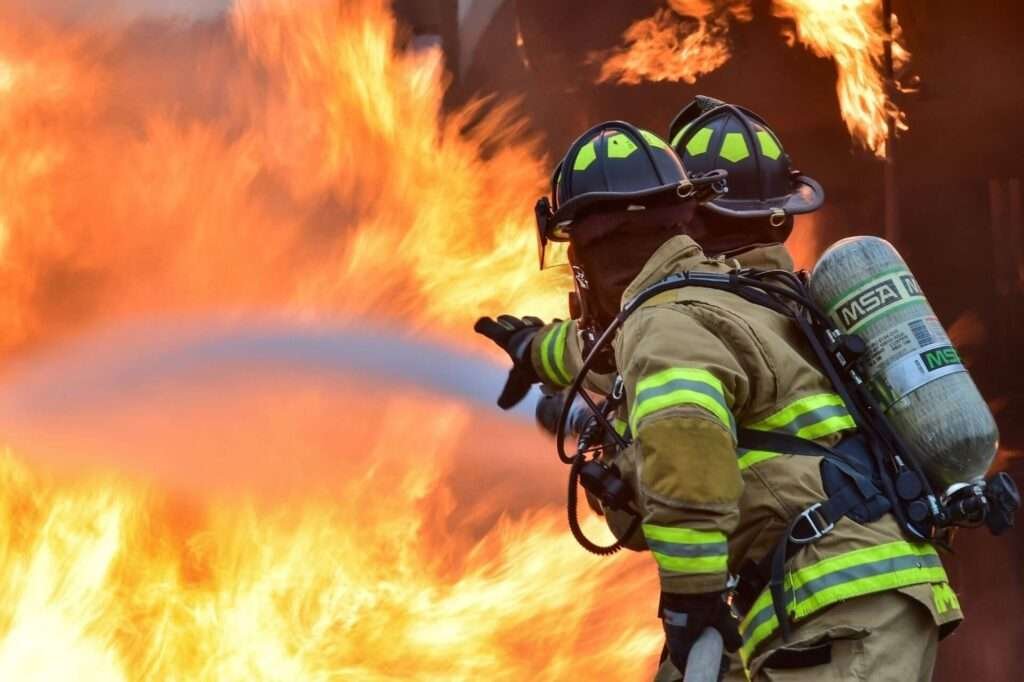
Wildfire response requires trained personnel, suitable equipment, coordination, and an understanding of changing environmental conditions.
Professional firefighters and relevant forest response teams assess incidents and determine the appropriate response.
Their responsibilities may include:
– Assessing the reported location and seriousness of a fire.
– Coordinating with relevant emergency and forest departments.
– Protecting people and communities.
– Organising evacuation support where necessary.
– Monitoring changing conditions.
– Communicating important safety information.
– Supporting recovery and assessment after an incident.
Wildfire response can be unpredictable. The public should never attempt to copy professional firefighting operations or approach an uncontrolled wildfire.
The safest contribution most residents can make is to report a fire, follow official instructions, and leave threatened areas when directed.
7. Community Preparedness and Evacuation Planning
Communities located near forests, hillsides, or grasslands should understand how they will receive emergency information and where they should go if a wildfire threatens their area.
A community safety plan can help reduce confusion during an emergency.
Know Local Warning Channels
Residents should know which official sources provide local emergency updates.
The NDMA, relevant Provincial Disaster Management Authorities, forest departments, and local emergency services may issue information or instructions during a fire incident.
People should avoid relying on unverified social media messages.
Identify Safe Evacuation Arrangements
Communities should understand the evacuation routes and safe locations identified by local authorities.
The routes should be suitable for the area and kept accessible. Residents should follow official directions if conditions change.
Support People Who Need Assistance
Older adults, children, people with disabilities, and individuals who need additional support may require help understanding warnings or leaving an affected area.
Families and community organisations should consider these needs during preparedness planning.
Prepare Important Information
Households can keep essential contact information and important personal details accessible.
The priority during an emergency is to follow official instructions and reach safety rather than trying to protect belongings.
Participate in Awareness Activities
Community meetings and safety education programmes can help residents understand local hazards, reporting arrangements, and evacuation procedures.
8. Protecting Homes and Buildings Near Wildfire-Prone Areas
Properties located near natural vegetation may need additional attention to fire safety.
The exact measures depend on the building, surrounding environment, and advice from relevant professionals.
Maintain the Property
Owners should keep their property in good condition and address potential hazards identified during inspections.
The surrounding area should be managed in accordance with local environmental guidance and applicable rules.
Use Appropriate Building Materials
Building materials and design can influence how well a structure withstands fire exposure.
Property owners planning new construction or major improvements should consult qualified professionals about suitable materials and applicable building requirements.
Maintain Emergency Access
Roads and access points should not be unnecessarily obstructed. Emergency services need suitable access when responding to incidents.
Review Building Fire Protection
Homes and businesses should have suitable fire detection and warning arrangements based on their characteristics and relevant requirements.
A qualified fire safety professional can help assess whether an existing installation is appropriate.
9. The Health Risks of Wildfire Smoke
Wildfire safety is not limited to avoiding flames. Smoke can travel beyond the immediate fire area and affect people who are not close to the incident.
Smoke may contain gases and fine particles that can irritate the eyes and respiratory system.
Follow Air Quality Advisories
People should follow official health and emergency updates when smoke affects their area.
If authorities advise residents to remain indoors or leave an area, those instructions should be followed.
Consider Vulnerable Groups
Children, older adults, and people with respiratory or heart-related health concerns may be more sensitive to smoke exposure.
Families should pay attention to official health guidance and seek medical advice if someone experiences concerning symptoms.
Avoid Unnecessary Exposure
People should not travel towards a wildfire to watch, record, or photograph it.
Avoiding affected areas helps protect personal health and leaves roads and access points available for emergency services.
10. Wildfire Safety for Schools, Businesses, and Tourists
Different groups may face different challenges during wildfire incidents. Their safety arrangements should reflect the location and nature of their activities.
Schools
Schools located near natural areas should have clear emergency communication and evacuation arrangements.
Staff should understand their responsibilities, and students should receive age-appropriate safety education.
Businesses
Businesses near forests or grasslands should consider how an outdoor fire could affect employees, customers, buildings, and access routes.
Management should review emergency plans and ensure staff know how to respond to official warnings.
Tourists and Visitors
Visitors to forests, parks, and mountain destinations should follow local restrictions and posted instructions.
They should know how to receive emergency updates and avoid activities that could create fire hazards.
Farmers and Rural Communities
People working in agricultural areas should remain aware of local fire warnings and follow relevant safety instructions.
They should report suspected fires promptly rather than attempting to investigate or control an uncontrolled incident.
11. Environmental Recovery After a Wildfire
The effects of a wildfire may continue long after the flames have been brought under control.
Natural areas can require time and professional attention to recover.
Assessing Environmental Damage
Relevant authorities and environmental specialists may assess damage to vegetation, wildlife habitats, soil, and water resources.
These assessments help determine what recovery measures may be appropriate.
Supporting Wildlife
Wildlife can be affected by habitat loss, smoke, and changes in food and shelter availability.
Environmental organisations and relevant departments may help monitor affected habitats and support recovery efforts.
Responsible Community Participation
Residents can support recovery by following official instructions and cooperating with authorised environmental programmes.
People should not enter restricted or damaged areas without permission, as unstable conditions and other hazards may remain.
12. Common Wildfire Safety Mistakes
Some mistakes can increase danger during wildfire incidents.
Ignoring Official Warnings
Delaying action after an evacuation instruction can put residents and emergency responders at greater risk.
Approaching a Wildfire
People sometimes move closer to an incident out of curiosity. This is unsafe and can interfere with emergency operations.
Sharing Unverified Information
Incorrect reports can cause confusion. Use official updates and share information responsibly.
Treating Indoor Alarms as Outdoor Wildfire Detection
A building fire alarm is not a substitute for a regional wildfire monitoring and public warning system.
Forgetting Vulnerable Residents
Emergency plans should consider children, older adults, people with disabilities, and anyone who may need assistance.
Neglecting Building Safety
Properties near natural areas should not overlook indoor fire detection, accessible exits, and appropriate emergency planning.
13. A Practical Wildfire Safety Checklist
Households, businesses, and community organisations can use this checklist as a starting point:
– [ ] Know the official sources of local wildfire warnings.
– [ ] Understand the emergency instructions for the area.
– [ ] Know the evacuation routes identified by local authorities.
– [ ] Keep important emergency contact information accessible.
– [ ] Discuss assistance arrangements with family members who may need support.
– [ ] Follow local restrictions in forests and other natural areas.
– [ ] Report suspected fires through appropriate official channels.
– [ ] Avoid approaching or investigating an active wildfire.
– [ ] Keep building exits and emergency access routes clear.
– [ ] Maintain suitable indoor fire detection and alarm equipment.
– [ ] Follow official health advice when smoke affects the area.
– [ ] Cooperate with emergency services and authorised recovery programmes.
This checklist is a general awareness guide. It does not replace instructions from emergency authorities or a professional assessment of a particular property.
Conclusion
Wildfire safety is a shared responsibility involving individuals, families, communities, environmental authorities, and emergency services. Prevention and early detection can help reduce risks, while clear communication and evacuation planning can protect people when a fire threatens an area.
Professional firefighters and trained response teams play the central role in managing uncontrolled wildfires. Members of the public should support their work by reporting incidents, following official warnings, and avoiding dangerous areas.
A suitable Fire alarm system in Pakistan can help protect buildings by warning occupants about indoor fire hazards. However, outdoor wildfire safety also depends on environmental monitoring, public alerts, community preparedness, and coordination between authorities.
By understanding these responsibilities and taking sensible precautions, communities can become better prepared to protect human life, property, and the natural environment.
Frequently Asked Questions
1. What is wildfire safety?
Wildfire safety includes the measures used to prevent uncontrolled fires, identify incidents early, warn the public, organise evacuation, and protect people, property, and the environment.
2. What causes wildfires in Pakistan?
Wildfires may result from human activities, unsafe outdoor behaviour, or natural events such as lightning. Dry vegetation, high temperatures, and weather conditions can influence how a fire spreads.
3. How can communities help prevent wildfires?
Communities can follow local restrictions, avoid unsafe activities in natural areas, report suspected fires promptly, participate in awareness programmes, and follow guidance from forest and disaster management authorities.
4. Can a fire alarm system detect a wildfire?
A conventional building fire alarm is designed to detect potential fire conditions inside a property. Outdoor wildfires generally requ