Construction sites are busy environments where workers use electrical equipment, machinery, temporary installations, and different building materials. Although these activities are necessary for completing projects, they can also create fire hazards if safety arrangements are not properly managed.
A fire at a construction site can endanger workers, damage equipment, delay projects, and affect nearby buildings and communities. The risk may change as construction progresses because the site layout, materials, electrical arrangements, and number of workers can change from one stage to another.
In Pakistan, construction projects range from small residential buildings to large commercial developments, factories, and infrastructure projects. Every project needs a fire safety approach that considers its size, activities, and working conditions.
A suitable Fire alarm system in Pakistan can contribute to building fire protection by providing an early warning when smoke or fire is detected. However, construction site safety requires more than an alarm. It also involves prevention, professional inspections, worker awareness, accessible exits, suitable equipment, and emergency planning.
This article explains how construction companies, contractors, supervisors, and workers can understand and manage fire safety responsibly.
1. Why Is Fire Safety Important on Construction Sites?
Construction sites contain several activities and materials that may increase fire risk. Electrical work, temporary power arrangements, storage areas, and unfinished structures require careful supervision.
Fire safety is important because it helps protect:
– Workers, contractors, visitors, and nearby residents.
– Construction materials and equipment.
– Temporary offices and storage facilities.
– Buildings and neighbouring properties.
– Project schedules and financial resources.
– The surrounding environment.
A fire incident can also interrupt work and create additional costs for contractors and property owners.
Fire safety should therefore be considered from the planning stage rather than treated as a final inspection requirement.
2. Common Fire Hazards on Construction Sites
Understanding common hazards is an important part of preventing workplace fires.
Electrical Equipment and Temporary Installations
Construction sites often use temporary electrical arrangements to support tools, lighting, and machinery.
Damaged cables, faulty equipment, unsuitable connections, and poorly maintained electrical installations can create fire hazards.
A qualified electrician should inspect electrical arrangements and address problems according to applicable safety requirements. Workers should report damaged equipment instead of attempting repairs without suitable training.
Combustible Building Materials
Some construction materials and packaging can burn or contribute to fire spread.
Materials should be stored in designated areas according to their properties and manufacturer guidance. Unnecessary accumulation of packaging and waste should be avoided.
Heating and Other Hot Equipment
Construction work may involve equipment that produces heat. Such activities should be assessed and managed under the site’s safety procedures.
Only authorised and appropriately trained personnel should carry out work involving potential ignition sources.
Temporary Buildings and Site Offices
Temporary offices, cabins, and storage facilities may contain electrical equipment, furniture, documents, and other materials.
These spaces should have suitable fire safety arrangements, accessible exits, and appropriate detection equipment where required.
Poor Housekeeping
Unorganised work areas can make it harder to recognise hazards and move safely during an emergency.
Regular housekeeping helps keep corridors, work areas, and access routes clear.
3. Developing a Construction Site Fire Safety Plan
A fire safety plan should explain how a construction site will prevent fires, identify emergencies, warn workers, and organise evacuation.
The plan should reflect the actual project rather than relying on a generic document.
Identify Site-Specific Risks
The project management team should arrange a suitable fire risk assessment.
This assessment should consider the work being carried out, materials present, electrical arrangements, temporary facilities, site access, and surrounding buildings.
The assessment should be reviewed when important site conditions change.
Assign Responsibilities
Workers should know who is responsible for managing fire safety and communicating emergency instructions.
Responsibilities may include:
– Monitoring general housekeeping.
– Reporting safety concerns.
– Arranging equipment inspections.
– Maintaining emergency information.
– Coordinating evacuation arrangements.
– Communicating with relevant emergency services.
These duties should be assigned to people with appropriate knowledge and authority.
Establish Emergency Procedures
The plan should explain how workers will receive an emergency warning, leave the site, and gather at a safe assembly area.
It should also explain how emergency services will be contacted and how important information will be communicated.
Keep Records
Construction management should maintain relevant records of risk assessments, inspections, training, maintenance, and emergency exercises.
Records help demonstrate that safety arrangements are being reviewed as the project develops.
4. The Role of Fire Detection and Alarm Systems
Early warning is an important part of construction site safety.
A fire detection and alarm system can alert workers when a potential fire condition is detected. This may help people recognise danger and follow the site’s evacuation procedure.
However, construction environments can change frequently. Temporary buildings, changing floor layouts, and different stages of work may affect where detection and warning equipment is needed.
Suitable Detection Arrangements
The type and location of detection equipment should be determined through a professional assessment.
Temporary offices, occupied areas, and completed sections of a building may have different requirements from active construction zones.
Audible and Visual Warnings
A suitable warning system should make it possible for workers to recognise an emergency.
Depending on the site and the needs of its occupants, audible and visual warning devices may be appropriate.
Temporary and Permanent Systems
During construction, permanent fire protection systems may not yet be complete or ready for use.
Temporary safety arrangements should remain appropriate until permanent systems have been professionally installed, tested, and approved for use where required.
Regular Inspection
Detection and alarm equipment should be inspected and maintained according to its design and manufacturer instructions.
Any fault or interruption affecting a safety system should be reported promptly to the responsible site management team.
5. Choosing a Fire Alarm System in Pakistan
When selecting a Fire alarm system in Pakistan for a construction project, contractors and property owners should consider the building’s design, construction stage, occupancy, and applicable requirements.
A small residential project may have different needs from a multi-storey commercial building or industrial development.
Important considerations include:
Project Size and Layout
The number of floors, rooms, temporary facilities, and occupied areas can influence the design of a detection and alarm arrangement.
Changing Construction Conditions
As walls, floors, and services are completed, the site layout changes. Fire safety arrangements should be reviewed to make sure they remain suitable.
Reliability
The selected equipment should be appropriate for the conditions in which it will be used and supported by suitable maintenance arrangements.
Professional Design and Installation
Qualified fire safety professionals should assess the project and recommend suitable equipment.
Applicable Standards
The Building Code of Pakistan – Fire Safety Provisions 2016 is an important reference for fire prevention, life safety, and building fire protection.
The specific requirements applicable to a project should be confirmed with the relevant authority and qualified professionals.
A system should not be considered compliant simply because equipment has been purchased or installed.
6. Safe Storage and Management of Construction Materials
Materials should be stored and managed in an organised manner to reduce fire risks.
Follow Manufacturer Instructions
Construction materials should be stored according to their labels, safety information, and manufacturer recommendations.
Special attention should be given to materials that require specific storage conditions.
Keep Storage Areas Organised
Storage areas should remain orderly, and unnecessary packaging and waste should be removed through approved site procedures.
Protect Access Routes
Materials should not obstruct corridors, stairways, emergency exits, or routes used by emergency services.
Monitor Site Changes
As materials arrive and work progresses, site management should review whether existing storage arrangements remain suitable.
A clear storage policy helps workers understand where materials belong and how housekeeping responsibilities are managed.
7. Fire Safety During Electrical Work
Electrical systems are an important part of construction projects. Their installation and maintenance should be handled by qualified personnel.
Use Qualified Electrical Professionals
Electrical installation, inspection, and repair should be carried out by people with appropriate qualifications and authorisation.
Report Damaged Equipment
Workers should report damaged cables, unusual equipment behaviour, and other electrical concerns to their supervisor.
Follow Site Procedures
Electrical work should follow the project’s approved safety arrangements and relevant technical requirements.
Maintain Inspection Records
Site management should keep appropriate records of inspections and repairs.
These records can help identify recurring problems and ensure that concerns receive proper attention.
8. Fire Safety During Hot Work
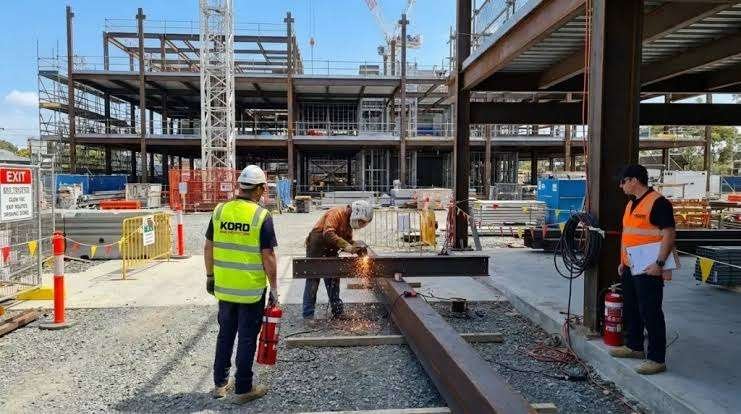
Some construction activities involve work that may create heat or ignition hazards. These activities require particular attention and should be controlled through the project’s approved safety procedures.
A formal hot work management process may include:
– Identifying and assessing the work area.
– Confirming that the activity is authorised.
– Ensuring that suitable protective arrangements are in place.
– Restricting access to authorised personnel.
– Assigning appropriate supervision.
– Confirming that the work area is safe after the activity.
The specific controls should be determined by qualified site safety personnel.
Workers should never carry out unfamiliar or unauthorised activities involving potential ignition sources.
9. Keeping Emergency Exits and Access Routes Clear
A construction site needs clear arrangements for people to leave safely during an emergency.
This can be challenging because walls, stairways, doors, and access routes may be incomplete or temporarily changed.
Maintain Clear Escape Routes
Site management should ensure that designated escape routes remain accessible.
Tools, construction materials, waste, and temporary equipment should not obstruct routes intended for evacuation.
Provide Clear Information
Workers should know where the exits and assembly areas are located.
Signs and other information should be suitable for the site layout and remain updated as work progresses.
Consider Every Worker
Emergency arrangements should consider contractors, visitors, new employees, and people who may need additional assistance.
Coordinate with Building Management
Where construction takes place near occupied buildings, the contractor should coordinate safety arrangements with relevant property managers and authorities.
10. Fire Safety Training for Construction Workers
Workers should receive suitable fire safety information before starting work and whenever site conditions or responsibilities change.
Training should explain the risks associated with the project and the correct way to respond to an emergency.
Important topics include:
– Recognising fire warnings.
– Reporting hazards and suspected fires.
– Understanding evacuation routes.
– Knowing the location of assembly areas.
– Following supervisor instructions.
– Contacting emergency services.
– Understanding the limits of personal responsibility.
Only appropriately trained and authorised personnel should undertake specialist fire safety duties.
Workers should not be encouraged to fight a dangerous fire. Their priority should be to raise the alarm, evacuate, and reach a safe location.
11. The Role of Site Supervisors and Contractors
Site supervisors and contractors have an important role in making sure fire safety arrangements are followed.
Conduct Regular Site Reviews
Supervisors should review housekeeping, access routes, temporary facilities, and visible safety concerns.
Communicate Changes
Construction work can change the site’s layout quickly. Important changes should be communicated to workers and reflected in emergency arrangements.
Coordinate Contractors
Different contractors may work in the same area. Their activities should be coordinated so that safety responsibilities are understood.
Address Reported Concerns
Workers should be encouraged to report hazards without fear of being ignored.
Management should ensure that reported concerns are assessed and addressed by the appropriate people.
12. Fire Safety Requirements and Standards in Pakistan
Construction projects in Pakistan should follow applicable building, workplace, and fire safety requirements.
The Building Code of Pakistan – Fire Safety Provisions 2016, developed through the Pakistan Engineering Council with the National Disaster Management Authority, is an important national reference for fire prevention and life safety.
The code includes provisions addressing construction safety, fire protection systems, means of egress, and safeguarding construction, alteration, and demolition operations.
Punjab Civil Defence also identifies fire detection and alarm systems, firefighting arrangements, fire safety plans, emergency exits, and evacuation arrangements among the measures considered during inspections of relevant premises.
The Punjab Emergency Service provides information about building safety requirements and the Punjab Community Safety Buildings Regulations 2022.
Because requirements can differ according to project type, location, and authority having jurisdiction, contractors should confirm applicable obligations before and during construction.
13. Common Fire Safety Mistakes on Construction Sites
Some mistakes can weaken a project’s fire safety arrangements.
Treating Fire Safety as a Final-Stage Task
Fire safety should be considered throughout construction rather than introduced only when a building is almost complete.
Ignoring Temporary Conditions
Temporary offices, electrical arrangements, storage areas, and unfinished floors may need their own safety considerations.
Allowing Exits to Become Blocked
Materials and equipment should not obstruct designated evacuation routes.
Neglecting Equipment Maintenance
Detection and warning equipment should be inspected and maintained according to its instructions.
Failing to Communicate Changes
Workers need updated information when access routes, work areas, or emergency arrangements change.
Relying Only on Firefighting Equipment
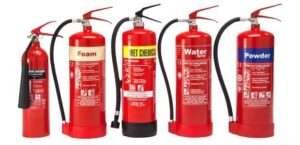
Fire extinguishers and other equipment do not replace prevention, early warning, evacuation planning, and professional emergency response.
14. A Practical Construction Site Fire Safety Checklist
Construction managers and supervisors can use this checklist as a starting point for reviewing site arrangements.
– [ ] A suitable fire risk assessment has been completed.
– [ ] Fire safety responsibilities have been assigned.
– [ ] Workers know how to report a suspected fire.
– [ ] Appropriate detection and warning arrangements are available.
– [ ] Temporary and permanent safety systems are reviewed as construction progresses.
– [ ] Electrical installations receive appropriate professional inspection.
– [ ] Materials are stored according to safety requirements.
– [ ] Waste and unnecessary packaging are managed properly.
– [ ] Emergency exits and access routes remain clear.
– [ ] Assembly areas are identified and communicated.
– [ ] Workers receive appropriate safety information.
– [ ] Emergency procedures are reviewed when site conditions change.
– [ ] Relevant inspection and maintenance records are maintained.
– [ ] Applicable local requirements have been confirmed.
This checklist is a general guide and does not replace a professional risk assessment or the requirements that apply to a particular construction project.
Conclusion
Fire safety on construction sites is essential for protecting workers, property, equipment, and surrounding communities. Changing site conditions, electrical installations, stored materials, and specialist construction activities all require careful management.
The right approach combines prevention, professional risk assessment, suitable detection and warning arrangements, safe storage, worker awareness, and accessible evacuation routes.
A suitable Fire alarm system in Pakistan can contribute to early warning, but it must be part of a wider fire safety plan that develops alongside the construction project.
Contractors, supervisors, workers, and property owners all share responsibility for maintaining safe working conditions. By reviewing arrangements regularly and following applicable requirements, construction teams can reduce preventable risks and improve emergency preparedness.
Frequently Asked Questions
1. Why is fire safety important on construction sites?
Construction sites may contain electrical equipment, temporary facilities, combustible materials, and changing work areas. Fire safety helps protect workers, property, nearby buildings, and the progress of the project.
2. What are common fire hazards on construction sites?
Common hazards include faulty electrical equipment, unsuitable temporary installations, combustible materials, poor housekeeping, and construction activities involving heat. These risks should be assessed and managed by qualified personnel.
3. Why is a fire alarm system important during construction?
A suitable detection and alarm arrangement can warn workers about a potential fire and help them follow the site’s emergency procedure. The arrangement should be reviewed as the project layout changes.
4. Who is responsible for fire safety on a construction site?
Responsibility is shared among project owners, contractors, supervisors, safety personnel, and workers. Management should establish suitable arrangements, while workers should follow instructions and report hazards.
5. What should workers do if a fire occurs on a construction site?
Workers should raise the alarm, follow the site’s evacuation procedure, leave through a safe route, and gather at the designated assembly area. They should contact emergency services and never approach or attempt to control a dangerous fire.