Summer brings longer days, high temperatures, increased electricity consumption, and greater use of cooling equipment across Pakistan. While the season offers opportunities for travel, outdoor activities, and family gatherings, it can also introduce fire hazards in homes, offices, factories, warehouses, and public buildings.
Hot weather alone does not automatically cause a fire. However, seasonal conditions can increase existing risks when electrical systems are overloaded, appliances are poorly maintained, combustible materials are stored incorrectly, or fire-safety equipment is neglected. Dry vegetation and hot, windy conditions can also contribute to outdoor and forest fire risks.
Understanding these hazards is an important step towards preventing incidents and protecting people and property. Effective summer fire safety combines everyday precautions, equipment maintenance, early detection, emergency planning, and professional support where needed.
In Pakistan, fire safety is relevant to both individual households and organizations responsible for larger buildings. A suitable fire alarm system in Pakistan can contribute to early warning, but it must work alongside other measures, including safe electrical practices, clear exits, appropriate firefighting equipment, and a well-understood evacuation plan.
What Are Summer Fire Hazards?
Summer fire hazards are conditions or activities that may increase the likelihood of a fire or make its consequences more serious during hot weather.
These hazards vary according to the building, location, equipment, and surrounding environment. For example, a household may face risks associated with cooling appliances and electrical connections, while a warehouse may need to consider machinery, stored materials, and electrical distribution equipment.
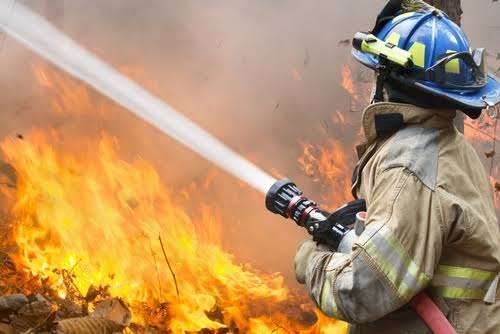
Outdoor areas can face different challenges, particularly when vegetation becomes dry and weather conditions support the spread of flames.
Common summer fire hazards include:
– Overloaded electrical outlets and extension cords
– Damaged wiring and poorly maintained appliances
– Electrical equipment operating for extended periods
– Unsafe storage of combustible materials
– Poor housekeeping in kitchens and storage areas
– Dry vegetation near buildings
– Neglected fire detection and alarm equipment
– Blocked emergency exits
– Lack of fire-safety training
– Inadequate emergency planning
Recognizing these conditions early helps households and businesses take reasonable steps to reduce risk before an emergency develops.
Why Can Fire Risks Increase During Summer?
1. Greater Use of Electrical Appliances
In many parts of Pakistan, summer temperatures lead to increased use of air conditioners, fans, refrigerators, water pumps, and other electrical appliances.
Equipment may operate for long periods, placing greater demands on electrical installations. If wiring is damaged, circuits are unsuitable for the connected load, or equipment is poorly maintained, electrical hazards may develop.
Repeated circuit-breaker trips, burning smells, unusual buzzing, damaged cables, and discoloured sockets are warning signs that require attention.
Electrical installations should be assessed and repaired by qualified professionals. Protective devices should never be bypassed simply to keep equipment running.
2. High Temperatures and Dry Conditions
Hot weather can contribute to fire danger when combustible vegetation, rubbish, or other materials are already dry.
Outdoor fires may spread more readily when dry vegetation and wind are present. Areas near grass, fields, unmanaged land, and wooded environments may require particular attention during periods of elevated fire danger.
Households and property managers should follow official local warnings and keep combustible waste away from buildings and equipment.
Dry weather does not mean every outdoor area is equally dangerous. Local vegetation, wind, available fuel, and other environmental conditions all influence the risk.
3. Extended Operating Hours for Machinery
Factories, workshops, warehouses, and commercial premises may operate electrical and mechanical equipment for long periods during summer.
Machines that are poorly maintained can develop faults. Dust, grease, accumulated waste, or combustible materials around equipment can create additional hazards.
Organizations should follow maintenance schedules and ensure that equipment is used according to manufacturer instructions.
Unusual heat, noise, vibration, or electrical behaviour should be reported promptly rather than ignored.
4. Increased Demand on Building Electrical Systems
Commercial buildings may use multiple cooling units, lighting systems, computers, pumps, and other equipment at the same time.
If the electrical installation was not designed for the actual load, or if it has deteriorated over time, the risk of faults can increase.
A qualified electrician or electrical engineer can assess the installation, identify problems, and recommend appropriate corrective work.
Property owners should not assume that an electrical system is safe simply because it has operated without obvious problems in previous summers.
Common Summer Fire Hazards in Homes
Homes contain several potential sources of ignition, including cooking equipment, electrical appliances, chargers, and heating devices that may remain in use throughout the year.
A few practical habits can improve household safety.
Inspect Electrical Cables and Plugs
Look for visible damage to cables, plugs, sockets, and appliance connections. Stop using equipment that appears damaged and arrange a professional assessment where necessary.
Avoid connecting too many appliances to a single outlet or extension cord. Electrical equipment should be used according to its ratings and instructions.
Maintain Cooling Equipment
Air conditioners, fans, refrigerators, and other cooling appliances should receive appropriate maintenance.
Filters, ventilation openings, power connections, and other components should be maintained as recommended by the manufacturer. Electrical or mechanical repairs should be performed by qualified technicians.
Do not ignore unusual smells, excessive heating, repeated shutdowns, or other signs that equipment may not be operating correctly.
Keep Kitchens Organized
Cooking remains a potential fire hazard throughout the year, including summer.
Keep combustible materials away from cooking equipment and avoid leaving active cooking unattended. Children should be supervised around hot surfaces and appliances.
If a fire develops, household members should prioritize getting to safety and contacting emergency services rather than attempting to handle a dangerous situation themselves.
Maintain Smoke Detection
Smoke alarms can provide an important warning when smoke is detected. Suitable placement, working power supplies, and regular maintenance all matter.
Follow the manufacturer’s instructions for testing and maintenance. Do not disable an alarm because of unwanted alerts; identify and address the underlying problem.
A properly maintained detection arrangement is particularly important when household members may be asleep or located in separate rooms.
Summer Fire Safety in Offices and Commercial Buildings
Offices, shops, hotels, shopping centres, and other commercial properties often contain electrical equipment, furniture, paper products, packaging, and other combustible materials.
During summer, higher electricity demand can make the condition of electrical installations especially important.
Building managers should ensure that electrical equipment is suitable for its intended use and that repairs are completed by qualified professionals.
Storage areas should remain organized, and combustible materials should be kept away from equipment that produces heat. Electrical panels, emergency exits, and firefighting equipment must remain accessible.
Commercial premises should also have clear procedures for reporting hazards, raising alarms, evacuating occupants, and contacting emergency services.
Where a building’s design or applicable regulations require a formal fire-safety plan, the plan should identify responsibilities and explain how occupants can reach safety.
Fire Hazards in Factories and Warehouses
Industrial properties may contain machinery, packaging, chemicals, fuels, stored goods, and electrical distribution equipment. The risks vary significantly depending on the processes carried out and the materials present.
Summer fire-safety planning should consider both routine operations and seasonal changes in equipment use.
Maintain Machinery and Electrical Installations
Preventive maintenance can help identify equipment faults before they become more serious.
Inspection arrangements should follow the manufacturer’s instructions, the equipment’s operating requirements, and applicable safety standards.
Maintenance personnel should report unusual heat, damage, leaks, or other warning signs through the organization’s established procedures.
Store Materials Correctly
Combustible materials should be stored in suitable locations, with appropriate separation from ignition sources and hazardous processes.
Storage arrangements must not obstruct emergency exits, access routes, fire equipment, or essential building systems.
The correct arrangements depend on the materials involved, their quantities, and the building’s fire protection design.
Maintain Fire Protection Equipment
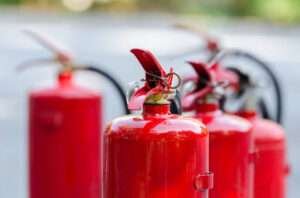
Depending on the facility, fire protection may include extinguishers, hydrants, automatic sprinkler systems, detection devices, alarms, and other specialized equipment.
These systems need appropriate inspection and maintenance. Equipment should not be obstructed, damaged, or taken out of service without following the organization’s approved procedures.
Professional assessment is particularly important where a facility handles higher-risk materials or operates complex machinery.
The Role of a Fire Alarm System During Summer
Early warning is an important element of fire safety. A fire alarm system can detect certain indications of fire and notify occupants or responsible personnel, depending on its design.
For a building in Pakistan, the appropriate arrangement depends on its occupancy, size, layout, fire risks, and applicable requirements.
A fire alarm system may include:
– Smoke or heat detectors
– Manual call points
– A fire alarm control panel
– Audible alarms and visual warning devices
– Monitoring and communication equipment
– Interfaces with other building safety systems, where designed
The purpose is to help people recognize an emergency and begin the appropriate response.
For example, an alarm may alert staff to a developing fire in a commercial building before everyone has noticed smoke. Occupants can then follow the building’s evacuation procedures.
However, an alarm does not prevent every fire, extinguish flames by itself, or guarantee that everyone will hear the warning. Equipment selection, placement, installation, testing, and maintenance are all important.
When researching a fire alarm system in Pakistan, property owners should consider the complete fire-safety requirements of the building rather than choosing equipment based only on price.
How Fire Detection Works With Other Safety Measures
Fire detection is most effective when integrated into a broader safety strategy.
Prevention focuses on reducing hazards before a fire starts.
Detection and warning help occupants recognize a developing emergency.
Suppression uses suitable equipment or systems to help control a fire.
Evacuation provides a planned way for occupants to reach safety.
Emergency response involves contacting the appropriate services and following established procedures.
These measures support one another. For example, maintaining electrical equipment can reduce certain fire risks, while detection equipment can provide warning if a fire nevertheless occurs.
A building’s fire-safety arrangements should be based on its actual needs and applicable requirements. Complex systems should be designed and maintained by appropriately qualified professionals.
Summer Fire Safety in Pakistan: Codes and Preparedness
Pakistan has a building-safety framework that includes the Building Code of Pakistan – Fire Safety Provisions 2016. The Pakistan Engineering Council lists this code among its published instruments. <Cite refs={[“turn775746search1″,”turn775746search5”]}/>
The code addresses various aspects of building fire safety, while provincial and local authorities may have relevant inspection and enforcement responsibilities.
For example, Punjab Civil Defence lists fire detection and alarm systems, firefighting arrangements, fire-safety plans, emergency control rooms, and evacuation arrangements among the measures considered during inspections of relevant premises. <Cite refs={[“turn775746search0”]}/>
The National Disaster Management Authority’s Summer Contingency Plan 2026 also identifies urban fire concerns associated with heat, electricity-system overload, and unsafe wiring. It recommends practical preventive measures such as checking electrical equipment, avoiding overloaded outlets, keeping combustible materials away from heat, and maintaining smoke detectors. <Cite refs={[“turn775746search30”]}/>
These sources provide useful background, but requirements for a particular property should be confirmed with the relevant authority and a qualified fire-safety professional.
Creating a Summer Fire-Safety Plan
A fire-safety plan helps people understand what to do before, during, and after an emergency.
For households, the plan can identify suitable exits, an outdoor meeting point, emergency contacts, and the steps family members should follow when an alarm sounds.
For workplaces, the plan may also identify responsible personnel, evacuation procedures, communication arrangements, and support for visitors or people who need assistance.
A practical plan should cover the following areas:
1. Identify hazards: Review electrical equipment, cooking areas, storage spaces, and other relevant locations.
2. Maintain safety equipment: Follow the maintenance requirements for alarms and other fire protection systems.
3. Keep exits accessible: Ensure that doors, corridors, and stairways are not obstructed.
4. Explain responsibilities: Make sure everyone understands how to report a hazard and respond to an alarm.
5. Review emergency contacts: Keep the appropriate local emergency-service details accessible.
6. Practice the plan: Conduct suitable evacuation drills where appropriate, particularly in workplaces and larger buildings.
7. Review seasonal changes: Check whether summer operating patterns create additional risks.
The plan should be reviewed when building layouts, occupancy, equipment, or working practices change.
What to Do if a Fire Occurs
If a fire or fire alarm indicates a possible emergency, people should follow the established emergency plan and move towards safety.
Do not delay evacuation to collect personal belongings or investigate the source of the alarm when doing so could expose you to danger.
Children should immediately alert a responsible adult and follow the household or building’s emergency instructions. They should never be expected to fight a fire or handle hazardous equipment.
Once safely away from the danger, contact the appropriate emergency service according to local procedures. Do not re-enter the building until authorized personnel confirm it is safe.
If smoke, heat, or flames affect an escape route, avoid entering the dangerous area and follow the emergency instructions provided by trained responders.
The safest response depends on the circumstances, but protecting human life should always take priority over property.
Common Summer Fire-Safety Mistakes
Some mistakes can undermine otherwise sensible safety arrangements.
Ignoring Electrical Warning Signs
Damaged cables, repeated breaker trips, burning smells, and unusually hot equipment should be assessed rather than ignored.
Overloading Extension Cords
Using unsuitable extension cords or connecting too many appliances can create electrical hazards.
Neglecting Fire Alarms
An alarm that has not been maintained may fail to provide the intended warning. Follow the manufacturer’s maintenance instructions and address faults promptly.
Blocking Emergency Exits
Storage, furniture, or equipment placed in escape routes can delay evacuation.
Forgetting Workplace Training
Employees need to know how to report hazards, recognize alarms, and follow the building’s emergency procedures.
Assuming Summer Heat Is the Only Cause
Fire incidents can involve many factors, including electrical faults, unsafe work practices, poor storage, and inadequate maintenance. Prevention requires a broader review of the environment rather than focusing on temperature alone.
A Practical Summer Fire-Safety Checklist
Households and organizations can use this general checklist as a starting point:
– [ ] Electrical cables, plugs, and appliances are checked for visible damage.
– [ ] Electrical repairs are handled by qualified professionals.
– [ ] Outlets and extension cords are used within their ratings.
– [ ] Cooling equipment is maintained according to manufacturer guidance.
– [ ] Combustible materials are kept away from heat sources.
– [ ] Storage areas and escape routes remain clear.
– [ ] Smoke alarms and fire alarm systems are maintained appropriately.
– [ ] Required firefighting equipment remains accessible and serviceable.
– [ ] Emergency contacts and evacuation procedures are known.
– [ ] Workplace fire-safety responsibilities are clearly assigned.
– [ ] Outdoor fire hazards are reported to the relevant authorities.
– [ ] Seasonal fire-safety arrangements are reviewed when conditions change.
This checklist is a general awareness tool, not a substitute for a professional risk assessment or applicable legal requirements.
Conclusion
Summer fire hazards deserve attention because seasonal conditions can place additional demands on electrical equipment, machinery, and building operations. Dry vegetation and other environmental factors may also contribute to outdoor fire risks.
The most effective response is to identify hazards early, maintain equipment, store combustible materials appropriately, and prepare people to respond safely. Homes, offices, factories, warehouses, and public buildings may need different measures according to their design and activities.
A suitable fire alarm system in Pakistan can provide an important layer of early warning, but it should form part of a complete fire-safety strategy that includes prevention, suitable suppression arrangements, clear exits, and emergency planning.
By taking seasonal precautions and seeking professional assistance when necessary, households and organizations can improve preparedness and help reduce avoidable fire risks.
FAQs
1. What are the most common summer fire hazards?
Common hazards include overloaded electrical outlets, damaged wiring, poorly maintained appliances, combustible materials near heat sources, unsafe storage, and dry vegetation in outdoor areas.
2. Why can electrical fire risks increase during summer?
Greater use of air conditioners, fans, refrigerators, and other equipment can increase demand on electrical installations. Damaged wiring, unsuitable connections, or poorly maintained appliances can create additional hazards.
3. How does a fire alarm system help during summer?
A fire alarm system can detect certain indications of fire and warn occupants or responsible personnel. Its effectiveness depends on suitable design, correct installation, appropriate maintenance, and a clear emergency response plan.
4. What can businesses do to reduce summer fire risks?
Businesses can maintain electrical equipment, inspect m