Fire safety is an essential consideration for residential buildings, offices, shopping centres, hospitals, warehouses, factories, and other commercial properties. While fire prevention reduces the likelihood of an incident, a properly designed fire protection system can help control a fire if one occurs. Automatic sprinkler systems are an important part of this approach because they can respond to heat and release water in the affected area.
However, choosing a sprinkler system involves more than purchasing a few sprinkler heads and pipes. Buyers need to consider the building’s layout, water supply, system design, equipment quality, installation requirements, applicable regulations, and long-term maintenance.
For anyone researching where to buy fire sprinkler systems in Pakistan, understanding these factors can make the purchasing process more straightforward. Selecting a supplier that can provide suitable equipment and professional technical support is an important step towards establishing reliable fire protection.
What Is a Fire Sprinkler System?
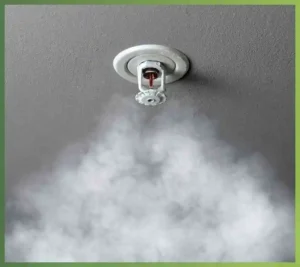
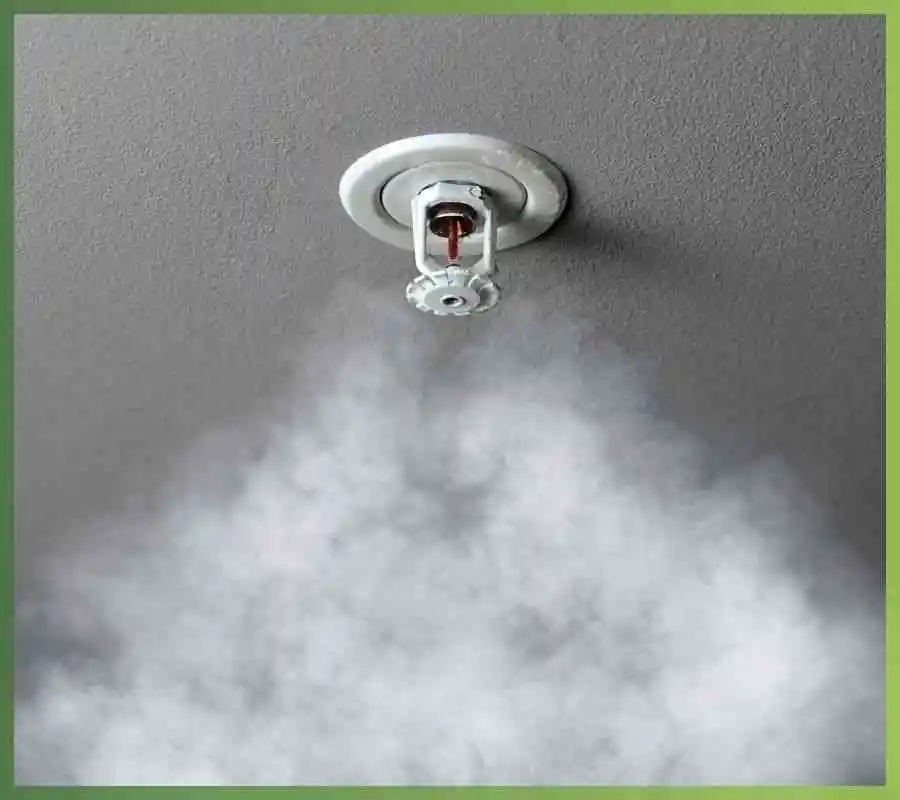
A fire sprinkler system is a fixed fire protection arrangement designed to release water when a fire produces sufficient heat to activate one or more sprinkler heads.
A typical automatic system may include:
– Sprinkler heads
– Water supply and storage arrangements
– A network of pipes
– Control and alarm valves
– Flow switches and monitoring devices
– Fire pumps, where required
– Pressure-control equipment
– Inspection and testing connections
The exact components depend on the system design and the needs of the building.
In many conventional automatic sprinkler systems, individual sprinkler heads activate in response to heat. This means that the system does not necessarily release water from every sprinkler head simultaneously. The purpose is to control or suppress a developing fire in accordance with the system’s design.
Sprinklers are not a replacement for fire alarms, emergency exits, evacuation planning, or other fire protection measures. They are one component of a broader fire safety strategy.
Why Do Buildings Need Fire Sprinkler Systems?
A fire can spread rapidly when combustible materials, heat, and oxygen are present. Without suitable protection, a developing fire may threaten occupants, damage equipment, interrupt business operations, and affect neighbouring properties.
An appropriately designed sprinkler system can help control a fire during its early stages, potentially limiting its spread and reducing property damage.
The benefits may include:
Early fire control: Automatic sprinkler heads can respond to heat without requiring someone to operate the system manually.
Protection for occupants: Controlling fire growth can support the overall life-safety strategy, although evacuation remains essential.
Reduced property damage: Effective fire control may limit the extent of damage to buildings, machinery, stock, and other assets.
Business continuity: Limiting fire damage can help reduce the disruption associated with a serious incident.
Support for compliance: Depending on the building’s use, size, design, and applicable regulations, a sprinkler system may be required as part of the building’s fire protection arrangements.
A system’s effectiveness depends on correct design, adequate water supply, proper installation, and ongoing maintenance. Purchasing equipment alone does not guarantee protection.
Where to Buy Fire Sprinkler Systems in Pakistan
Buyers in Pakistan can explore several purchasing channels. The most suitable option depends on the building, project requirements, budget, and level of technical support needed.
1. Specialist Fire Safety Equipment Suppliers
Specialist suppliers are a useful starting point for businesses and property owners looking for fire sprinkler equipment.
These companies may provide sprinkler heads, valves, pipework, pumps, accessories, and other fire protection products. Some also offer system design, installation, testing, commissioning, and maintenance.
When comparing suppliers, ask whether they can assess your project’s requirements instead of simply offering a standard package.
Check whether the supplier can explain the specifications of the proposed equipment, provide relevant product documentation, and coordinate installation with the building’s other fire protection systems.
A specialist supplier may be particularly suitable for factories, warehouses, office buildings, and multi-storey properties where a coordinated system is necessary.
2. Fire Protection System Installers
Some companies focus on designing and installing complete fire protection systems rather than selling individual components alone.
This can be useful when a project needs an integrated arrangement involving sprinklers, fire pumps, water storage, hydrants, alarm interfaces, and monitoring equipment.
A professional installer should assess the building’s occupancy, floor area, height, layout, hazards, and applicable requirements before recommending a system.
Ask whether the quotation includes engineering design, installation, testing, commissioning, documentation, and maintenance arrangements. These services should be clearly identified so you understand what is included in the project cost.
3. Established Fire Safety Companies With Online Websites
Online research can help buyers identify companies that supply fire safety equipment in Pakistan. A company’s website may provide information about its products, services, locations, and contact details.
For example, “Fire Safety Trading” (https://firesafetytrading.com.pk/) lists fire safety products and services, including sprinkler installation, alongside fire alarm systems and other firefighting equipment.
Interested buyers can contact the company through its website to ask about their specific project requirements, equipment availability, technical support, and installation services.
Before placing an order with any online supplier, verify the business’s contact details, the exact product specifications, warranty conditions, delivery arrangements, and the availability of after-sales support.
Do not assume that every product shown online is available immediately or is suitable for every type of building.
4. Authorized Distributors and Equipment Representatives
Some manufacturers distribute their equipment through authorized representatives or distributors.
Purchasing through an appropriate distribution channel may help buyers obtain genuine products, technical documentation, and manufacturer-backed warranty support.
If a supplier claims to be an authorized distributor, ask for confirmation or documentation that supports the claim.
Also check whether the proposed sprinkler components are compatible with the rest of the system. Mixing components without confirming compatibility can create installation, maintenance, or performance problems.
5. Fire Protection Contractors for Large Projects
Large developments may benefit from working with a contractor that can coordinate the entire fire protection installation.
This can be especially relevant for industrial facilities, hospitals, commercial towers, large residential buildings, and properties with specialised fire risks.
A contractor may coordinate system design, procurement, installation, testing, and commissioning. The project team should also coordinate sprinkler arrangements with ceilings, lighting, ventilation, electrical services, and other building systems.
For complex projects, professional engineering assessment is more appropriate than choosing equipment based only on price or product photographs.
Fire Sprinkler System Types to Understand Before Buying
Different buildings may require different sprinkler arrangements. The correct selection depends on the building’s hazards, environmental conditions, and applicable design standards.
Wet-Pipe Sprinkler Systems
Wet-pipe systems keep water in the sprinkler pipe network during normal operation. When an individual sprinkler head activates, water is released from that location.
These systems are commonly considered for buildings where pipes can be maintained under suitable temperature conditions and where a continuous water supply is available.
Dry-Pipe Sprinkler Systems
Dry-pipe systems generally keep pressurised air or another approved gas in the piping rather than water. Water enters the pipes after the system operates.
They may be considered for locations where freezing conditions could damage a water-filled pipe network. Their suitability depends on the environment and the system’s engineering requirements.
Pre-Action Systems
Pre-action systems use additional detection or control arrangements before water enters the sprinkler piping, depending on the system design.
They may be considered for certain locations where accidental water discharge is a particular concern, such as some sensitive storage or equipment environments.
Deluge Systems
Deluge systems use open sprinkler or discharge devices connected to a water supply controlled by a valve. When the system activates, water can discharge through multiple outlets in the protected area.
These systems are generally associated with specific higher-risk applications and require specialised design.
The examples above are not a selection guide for untrained buyers. A qualified fire protection professional should determine which system is appropriate for the building.
What Should You Check Before Purchasing?
Before buying a fire sprinkler system, evaluate the supplier and the proposed design carefully.
1. Confirm the Building Requirements
Start by identifying the type of property being protected.
A warehouse storing combustible goods may have different requirements from an office, hotel, residential building, or manufacturing facility.
The building’s use, dimensions, height, storage arrangements, and fire hazards can influence system design.
Consult the relevant building authority or qualified fire protection professional to determine which provisions apply to your project.
2. Review Product Specifications
Ask for clear documentation describing the equipment being offered.
Depending on the component, this may include the manufacturer, model, technical specifications, applicable approvals or certifications, operating requirements, and installation instructions.
Do not rely on broad claims such as “high quality” or “international standard” without supporting documentation.
Product suitability should be established against the approved system design and applicable requirements.
3. Check the Water Supply
Automatic sprinklers depend on an adequate water supply.
The required capacity, pressure, storage, and pumping arrangements depend on the building and the design criteria. A qualified engineer should assess these requirements before equipment is selected.
A system that cannot receive the necessary water flow and pressure may not perform as intended during a fire.
4. Ask About Installation Expertise
A reliable quotation should explain who will design and install the system.
Ask about relevant project experience, qualified technical personnel, testing procedures, and responsibility for commissioning.
Installation should follow the approved design and applicable standards. Pipe routing, sprinkler positioning, valves, pumps, and other components need to work together as a coordinated system.
5. Compare Complete Project Costs
The cheapest quotation may not represent the best value.
Depending on the project, costs may include equipment, pipes, valves, pumps, water storage, installation, engineering, testing, commissioning, and future maintenance.
Compare quotations using the same scope of work and specifications. Ask suppliers to identify exclusions, optional items, warranty terms, and potential additional costs.
This makes it easier to understand differences between proposals without compromising essential safety requirements.
6. Confirm Warranty and After-Sales Support
Fire protection systems require attention after installation.
Ask who will provide replacement parts, technical assistance, inspections, repairs, and maintenance services.
Clarify the warranty period, what it covers, and what actions could invalidate it.
A supplier’s ability to support the installed system over time can be just as important as the original purchase.
Understanding Fire Safety Requirements in Pakistan
Buyers should consider the applicable legal and technical framework before selecting a sprinkler system.
The Pakistan Engineering Council lists the Building Code of Pakistan – Fire Safety Provisions 2016 among the country’s building-related codes and instruments. The provisions address multiple aspects of fire protection, including automatic sprinklers, water supply, fire pumps, detection and alarms, and means of egress.
Punjab Civil Defence also identifies sprinkler systems among the firefighting arrangements considered during inspections of relevant industrial, commercial, and high-rise premises.
These sources illustrate why purchasing decisions should be connected to the building’s actual compliance requirements rather than based solely on a supplier’s general recommendation.
Requirements may depend on the building type, location, applicable regulations, and the authority responsible for reviewing the project. Property owners should obtain professional guidance and confirm current local requirements before proceeding.
How Fire Sprinklers Work With Fire Alarm Systems
Sprinklers and fire alarms perform different but complementary functions.
A fire alarm system is designed to detect a fire-related condition and alert occupants or monitoring personnel. Depending on the installation, it may use smoke detectors, heat detectors, manual call points, audible alarms, visual indicators, and a control panel.
A sprinkler system responds to heat at its sprinkler heads and releases water to help control or suppress the fire.
Some installations include monitoring devices that communicate sprinkler-system status to the fire alarm panel. The precise arrangement depends on the approved system design.
For building owners researching a fire alarm system in Pakistan, it is important to consider how detection, notification, suppression, and evacuation measures will work together.
An alarm does not replace automatic suppression where suppression is required, and sprinklers do not remove the need for suitable alarms and escape routes.
Installation, Testing, and Maintenance
After purchasing a system, the next priority is ensuring that it is installed and maintained correctly.
Professional installation should be followed by appropriate testing and commissioning to verify that the system conforms to its approved design.
Owners should receive relevant documentation, including system drawings, equipment details, operating information, and maintenance requirements.
The Building Code of Pakistan – Fire Safety Provisions 2016 addresses inspection, testing, and maintenance of sprinkler systems and references NFPA 25 or another approved code or standard.
Maintenance arrangements should be established before the system is handed over. Inspection schedules and testing methods must follow the applicable requirements and the system manufacturer’s instructions.
Building owners should also ensure that sprinkler heads are not painted over, obstructed, damaged, or used to support objects. Changes to ceilings, partitions, storage arrangements, or building services should be reviewed to determine whether they affect sprinkler coverage.
Any system impairment should be managed through appropriate procedures, including notification of responsible personnel and any required temporary safety measures.
Common Mistakes to Avoid When Buying Sprinkler Systems
Several purchasing mistakes can reduce the value of a fire protection investment.
Choosing equipment on price alone: Low-cost components may not meet the project’s specifications or compatibility requirements.
Ignoring professional design: Sprinkler placement and water supply must be based on the building’s requirements, not guesswork.
Overlooking installation costs: Equipment prices may not include engineering, pipework, pumps, testing, or commissioning.
Failing to verify documentation: Buyers should confirm relevant product information and supplier claims before purchasing.
Neglecting maintenance: Even a correctly installed system can become unreliable if it is not inspected and maintained.
Treating sprinklers as complete fire protection: Detection, alarms, emergency exits, evacuation plans, and other measures may also be necessary.
Avoiding these mistakes can help owners make better-informed decisions and support the long-term performance of the system.
Conclusion
Finding where to buy fire sprinkler systems in Pakistan begins with identifying the building’s fire protection needs and choosing a supplier capable of meeting them.
Specialist fire safety suppliers, professional installers, authorized distributors, and experienced fire protection contractors can all be useful purchasing channels. The right choice depends on the complexity of the project and the level of design, installation, and maintenance support required.
Before making a purchase, review the equipment specifications, water supply, installation arrangements, warranty, total project cost, and applicable building requirements. Seek professional advice for system design and confirm that the proposed solution is suitable for the property.
A fire sprinkler system is most valuable when it forms part of a coordinated fire protection strategy. When suitable equipment is combined with professional installation, regular maintenance, effective alarms, and clear evacuation arrangements, it can contribute to a safer building and better emergency preparedness.
FAQs
1. Where can I buy fire sprinkler systems in Pakistan?
You can contact specialist fire safety equipment suppliers, fire protection contractors, authorized distributors, and companies that offer sprinkler installation. Review their product documentation, technical capabilities, and after-sales services before making a decision.
2. What should I consider before buying a sprinkler system?
Consider the building’s use, applicable fire safety requirements, system design, water supply, equipment specifications, installation costs, warranty, and maintenance arrangements. A qualified professional should assess the project’s technical requirements.
3. Are fire sprinkler systems required in every building in Pakistan?
Requirements depend on the building’s type, use, design, location, and applicable regulations. Consult the relevant authority and a qualified fire protection professional to determine what is required for your property.
4. What is the difference between a fire sprinkler system and a fire alarm system?
A sprinkler system releases water to help control or suppress a fire when its sprinkler heads activate. A fire alarm system detects a fire-related condition and alerts occupants or monitoring personnel. The two systems can work together as part of a wider fire protection plan.
5. Do fire sprinkler systems require regular maintenance?
Yes. Sprinkler systems need appropriate inspection, testing, and maintenance according to applicable requirements, the approved design, and manufacturer instructions. Qualified professionals should address faults, damage, or system impairments.