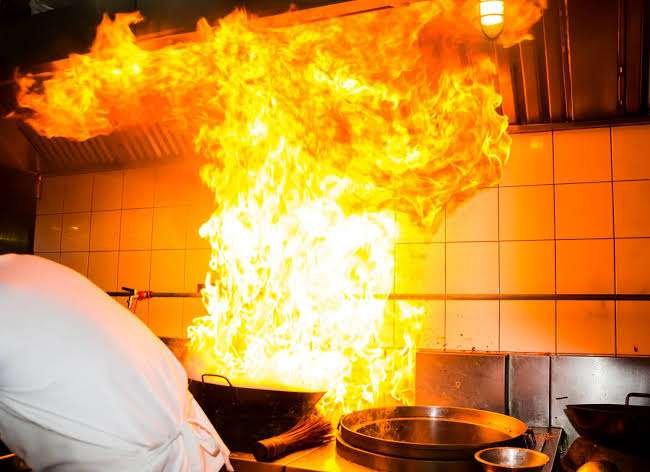
Restaurants are busy environments where cooking equipment, electrical appliances, gas connections, ventilation systems, food supplies, employees, and customers come together. Although these elements are essential for daily operations, they can also create fire hazards when safety precautions are overlooked.
Restaurant fire safety is not limited to keeping a fire extinguisher in the kitchen. It involves preventing potential hazards, detecting fires early, maintaining suitable safety equipment, training employees, and ensuring that everyone can leave the building safely during an emergency.
In Pakistan, restaurant owners and managers should consider fire protection an essential part of responsible business management. The Sindh Civil Defence Department identifies restaurants among the commercial premises that may receive fire safety inspections and technical assistance. Punjab Civil Defence also lists fire detection and alarm systems, firefighting arrangements, fire safety plans, and emergency evacuation arrangements among important safety measures. “Source: Sindh Civil Defence” (https://civildefence.sindh.gov.pk/introduction) and “Punjab Civil Defence” (https://civildefence.punjab.gov.pk/inspection_of_fire_safety_measures).
This guide explains ten important things restaurant owners, managers, employees, and property operators should know about fire safety.
1. Understand the Most Common Restaurant Fire Hazards
The first step towards better fire safety is understanding where potential hazards can develop.
Commercial kitchens often use ovens, grills, cooking ranges, fryers, and other equipment that produce high temperatures. Grease can accumulate on cooking surfaces and ventilation components, while electrical appliances and wiring may create additional risks if damaged, overloaded, or poorly maintained.
Gas-powered cooking equipment also requires careful attention. Damaged connections, unsuitable installations, poor ventilation, or neglected maintenance can create dangerous conditions.
Other potential hazards include:
– Paper packaging and cardboard stored near heat sources.
– Combustible cleaning materials kept incorrectly.
– Waste and grease allowed to accumulate.
– Electrical extension boards used beyond their rated capacity.
– Cooking equipment left operating without appropriate supervision.
– Storage areas that obstruct access to safety equipment.
– Poorly maintained ventilation and extraction systems.
Restaurant managers should arrange regular inspections of kitchens, storage rooms, dining areas, electrical installations, and service spaces.
Employees should report damaged equipment, unusual burning smells, gas-related concerns, or other suspicious conditions promptly. Qualified professionals should inspect and repair technical systems rather than relying on improvised solutions.
Identifying hazards before they become emergencies can reduce risks and help a restaurant maintain safer working conditions.
2. Install a Suitable Fire Detection and Alarm System
A fire may begin in a kitchen, storage room, electrical service area, or another part of a restaurant. If nobody notices it quickly, smoke and heat can spread before employees or customers understand what is happening.
A suitable fire detection and alarm system helps provide an early warning so people can respond promptly.
Depending on the building’s design and risk assessment, a system may include smoke detectors, heat detectors, manual alarm points, audible alarms, visual notification devices, a control panel, and backup power.
Different detection devices serve different purposes. For example, heat detection may be appropriate in some cooking environments where normal cooking activities can produce smoke or steam. A qualified fire safety professional should determine the appropriate equipment and placement for each area.
When choosing a fire alarm system in Pakistan, restaurant operators should consider:
– The size and layout of the premises.
– The number of floors and occupied areas.
– The kitchen’s cooking equipment and ventilation arrangements.
– The location of dining rooms, storage areas, and escape routes.
– Applicable building and fire safety requirements.
– The availability of professional installation and maintenance.
– Whether the system has suitable backup power and monitoring arrangements.
An alarm should be audible or otherwise accessible to people who need to receive the warning, including staff and customers in different parts of the building.
Punjab Civil Defence identifies fire detection and alarm systems as part of its listed fire safety measures. Requirements for a particular restaurant depend on the applicable rules, occupancy, building characteristics, and local authorities. “Source: Punjab Civil Defence” (https://civildefence.punjab.gov.pk/inspection_of_fire_safety_measures).
Remember that an alarm does not prevent every fire. Its purpose is to help people receive a warning early enough to take appropriate action.
3. Keep Cooking Areas Clean and Properly Maintained
Kitchen cleanliness plays an important role in restaurant fire prevention.
Grease and oil residues can build up around cooking equipment, filters, extraction hoods, and ventilation ducts. If these areas are neglected, accumulated deposits can increase the potential for a fire to start or spread.
Restaurants should establish a cleaning schedule based on equipment usage, the amount of grease produced, and the manufacturer’s recommendations. High-use kitchens may require more frequent professional cleaning than smaller operations.
Important precautions include:
– Cleaning cooking surfaces according to manufacturer instructions.
– Arranging appropriate cleaning of grease filters and extraction systems.
– Removing food waste and packaging regularly.
– Keeping combustible materials away from hot equipment.
– Ensuring ventilation systems receive appropriate servicing.
– Maintaining records of cleaning and maintenance activities.
Where required, commercial kitchens should have suitable extraction hoods and ventilation arrangements. In Punjab, the Environment Protection Department has published an order concerning suction hoods for commercial restaurants with open cooking stations and barbecue grills to control smoke, fumes, and grease emissions. Restaurant operators should check the applicable requirements for their location and premises. “Source: Punjab Environment Protection Department” (https://epd.punjab.gov.pk/node/6414).
Cleaning should never involve unsafe shortcuts or the use of unsuitable chemicals around hot equipment. Staff should follow established procedures, and technical maintenance should be handled by appropriately qualified personnel.
A clean kitchen supports hygiene, improves working conditions, and helps reduce preventable fire hazards.
4. Maintain Electrical and Gas Safety
Electrical and gas systems are important parts of restaurant operations, but poor maintenance can introduce serious risks.
Restaurants may operate refrigerators, freezers, ovens, lighting, air conditioners, exhaust fans, water heaters, and many other electrical appliances simultaneously. Damaged wiring, loose connections, unsuitable extension leads, and overloaded circuits can increase the possibility of electrical faults.
Gas-powered appliances require equally careful attention. Improper installations, damaged components, and neglected servicing can create unsafe conditions.
Restaurant management should arrange inspections and repairs through qualified electricians and gas technicians.
A responsible maintenance programme should include:
– Checking electrical equipment for visible damage.
– Ensuring electrical circuits are suitable for the connected loads.
– Keeping electrical panels accessible and free from stored materials.
– Maintaining gas equipment according to manufacturer instructions.
– Arranging professional checks of relevant connections and appliances.
– Keeping ignition sources away from designated gas storage areas.
– Establishing clear procedures for reporting suspected leaks or electrical faults.
If employees suspect a gas leak, they should follow the restaurant’s emergency procedure, avoid actions that could create an ignition source, move people away from danger, and contact the appropriate emergency service or qualified gas professional from a safe location.
Staff should not attempt repairs beyond their training or continue normal operations when an immediate hazard is suspected.
Regular professional maintenance helps identify developing problems before they endanger employees, customers, or the premises.
5. Provide Suitable Firefighting Equipment
Restaurants should have fire protection equipment appropriate to their hazards, layout, and applicable requirements.
Different fires require different extinguishing agents. Equipment suitable for ordinary combustible materials may not be appropriate for burning cooking oils or electrical equipment. Selecting the wrong equipment can make an incident more dangerous.
A qualified fire safety professional can assess the restaurant and recommend suitable equipment for the kitchen, dining room, storage spaces, and other relevant areas.
Depending on the assessment, protection may include appropriate portable fire extinguishers, fire blankets where suitable, fixed suppression systems for commercial cooking equipment, hydrants, or sprinklers where required.
Restaurant operators should ensure that:
– Equipment is approved and suitable for its intended hazard.
– Safety equipment is visible and readily accessible.
– Staff do not use equipment as storage space.
– Inspection and servicing are completed at the required intervals.
– Defective or discharged equipment is addressed promptly.
– Employees know where equipment is located and understand their emergency responsibilities.
Staff should not attempt to fight a growing fire or use equipment if they are not trained, conditions are unsafe, or an escape route could be threatened. Evacuating people and calling emergency services must take priority.
Firefighting equipment is one part of a broader safety plan, not a replacement for detection, evacuation, prevention, and professional assistance.
6. Keep Emergency Exits and Escape Routes Clear
A restaurant may have a beautiful dining area and a well-equipped kitchen, but these features cannot compensate for blocked escape routes.
During a fire, customers may be unfamiliar with the building’s layout. Smoke, noise, darkness, or confusion can make it harder for people to find a safe way out.
Restaurants should provide appropriate escape routes in accordance with applicable building and fire safety requirements. Exits, corridors, stairways, and other designated routes must remain unobstructed.
Common mistakes include storing cartons in corridors, placing furniture near exit doors, blocking stairways with supplies, and locking required exits while customers are inside.
To improve evacuation safety:
– Keep designated exits and passageways clear.
– Display suitable exit signs where required.
– Provide emergency lighting where required by the building design.
– Make escape routes understandable to staff and visitors.
– Ensure doors and exit arrangements meet applicable requirements.
– Identify a safe outdoor assembly point.
– Review evacuation arrangements whenever the layout changes.
Employees should never direct customers towards a route that is affected by smoke or fire. If one route is unsafe, people should use another safe, designated exit when available.
The Directorate General of Civil Defence advises public premises to keep exit routes unobstructed and maintain fire safety equipment. “Source: Directorate General of Civil Defence” (https://civildefence.gov.pk/wp-content/uploads/2018/09/6th-Mag.pdf).
Clear exits can make a critical difference when people need to leave quickly.
7. Train Employees to Respond to Emergencies
Fire safety equipment is more useful when employees understand what it does and how to respond to an alarm.
Restaurant staff may include cooks, cleaners, servers, cashiers, security personnel, supervisors, and managers. Each group should understand the emergency procedures relevant to its role.
Training should cover:
– Recognising common fire hazards.
– Reporting unsafe conditions.
– Responding promptly when an alarm sounds.
– Identifying safe evacuation routes.
– Helping customers understand where to exit.
– Knowing how to contact emergency services.
– Understanding the location of assembly points.
– Following instructions from designated emergency coordinators.
Training should also explain that employees must not delay evacuation to collect personal belongings, protect stock, or save business equipment.
Restaurants should arrange suitable fire safety training for new staff and refresh it periodically. Employees should also receive additional guidance when equipment, responsibilities, or building arrangements change.
Where appropriate, restaurant managers can consult local Civil Defence authorities or qualified training providers about fire prevention, evacuation planning, and emergency preparedness. The Directorate General of Civil Defence lists fire prevention and control training among its available training areas. “Source: Directorate General of Civil Defence” (https://civildefence.gov.pk/apply-online/).
A trained team is better prepared to communicate clearly and avoid unnecessary confusion during an emergency.
8. Create an Emergency Plan and Practise Evacuation
Every restaurant should have a documented emergency plan appropriate to its size, occupancy, layout, and risks.
The plan should explain how staff will raise the alarm, notify emergency services, guide customers towards safety, and account for employees after evacuation.
It should also identify who is responsible for communicating with emergency responders and who will help manage the evacuation, provided doing so does not place anyone in danger.
An effective plan should include:
– A description of the premises and escape routes.
– Emergency contact details.
– Procedures for raising the alarm.
– Primary and alternative evacuation routes.
– A safe outdoor assembly point.
– Staff roles and communication arrangements.
– Procedures for assisting people who may need additional support.
– Guidance for reporting missing persons to emergency responders.
Restaurant operators should practise evacuation procedures through appropriate drills. Drills can help employees become familiar with the building layout and identify weaknesses in the plan.
The frequency and format of drills should reflect the applicable regulations and the restaurant’s risk assessment.
After a drill, managers should record problems and make improvements. For example, staff may discover that an exit sign is difficult to see or that employees are unsure who should contact emergency services.
An emergency plan should be reviewed whenever the restaurant changes its layout, expands its seating capacity, modifies cooking equipment, or introduces a new operating arrangement.
9. Inspect and Maintain Fire Safety Systems Regularly
Installing fire safety equipment is only the beginning. Systems must remain functional throughout the restaurant’s operating life.
A detector that fails to identify a fire, an alarm that cannot be heard, or an extinguisher that is unavailable when needed can weaken the overall safety arrangement.
Restaurant management should maintain a schedule for checking and servicing relevant equipment according to manufacturer instructions, applicable standards, and local requirements.
Maintenance may cover:
– Fire alarm control panels and notification devices.
– Smoke and heat detectors.
– Backup power arrangements.
– Fire extinguishers and other designated equipment.
– Emergency lighting and exit signs.
– Sprinkler or suppression systems, where installed.
– Electrical installations and gas appliances.
– Kitchen ventilation and grease extraction systems.
– Fire doors and designated escape routes.
Testing should be performed by competent personnel using appropriate procedures. Staff should know how to report faults and ensure that temporary equipment outages are addressed promptly.
A maintenance log can record inspection dates, identified faults, completed repairs, service provider details, and upcoming checks. This makes it easier for managers to identify repeated problems and demonstrate that maintenance is being managed systematically.
Restaurant owners should also verify their obligations with the relevant building control, Civil Defence, fire service, or other competent authority. Requirements can vary by jurisdiction and building type.
Regular inspection helps ensure that safety measures remain useful rather than simply appearing on a checklist.
10. Make Fire Safety Part of Everyday Restaurant Management
The final point is that fire safety should be an ongoing management responsibility, not a task completed only before an inspection.
Daily restaurant operations can change quickly. Deliveries may fill storage areas, temporary equipment may be introduced, furniture may be rearranged, or additional staff may join a shift. These changes can affect fire hazards and escape routes.
Managers should make safety part of routine opening, closing, cleaning, and maintenance procedures.
A practical management checklist can include:
– Confirming that escape routes remain clear.
– Reporting visible damage to electrical or cooking equipment.
– Keeping combustible materials away from heat sources.
– Ensuring that staff know how to raise an alarm.
– Recording maintenance issues and following up on repairs.
– Monitoring occupancy according to the permitted capacity.
– Keeping emergency contact information accessible.
– Reviewing whether new equipment changes the fire risk.
– Checking that employees understand emergency procedures.
Owners should also consider the needs of customers who may be unfamiliar with the building, including children, older adults, and people with disabilities.
The restaurant’s fire safety arrangements should be proportionate to its actual risks and reviewed when those risks change.
For restaurants in Pakistan, local authorities can help clarify inspection requirements, relevant regulations, and appropriate safety measures. Sindh Civil Defence, for example, describes technical assistance and fire safety inspections for commercial premises, including restaurants. “Source: Sindh Civil Defence” (https://civildefence.sindh.gov.pk/introduction).
A consistent safety culture protects people, supports business continuity, and demonstrates responsible management.
Why Restaurant Fire Safety Matters in Pakistan
Restaurants are important parts of Pakistan’s food and hospitality sector. From small family-owned eateries to large dining establishments in commercial buildings, each business needs an appropriate approach to fire prevention and emergency preparedness.
A suitable fire alarm system in Pakistan can support early warning, but its effectiveness depends on correct selection, professional installation, regular maintenance, and integration with an evacuation plan.
Restaurant owners should also consider fire protection equipment, electrical and gas safety, ventilation, clear exits, employee training, and emergency drills. These measures work together to reduce risk and improve readiness.
The applicable legal requirements may differ according to the province, local authority, building design, occupancy, and type of establishment. Restaurant operators should confirm their specific obligations with the relevant authorities rather than assuming that one checklist applies everywhere.
Investing in safety is ultimately an investment i